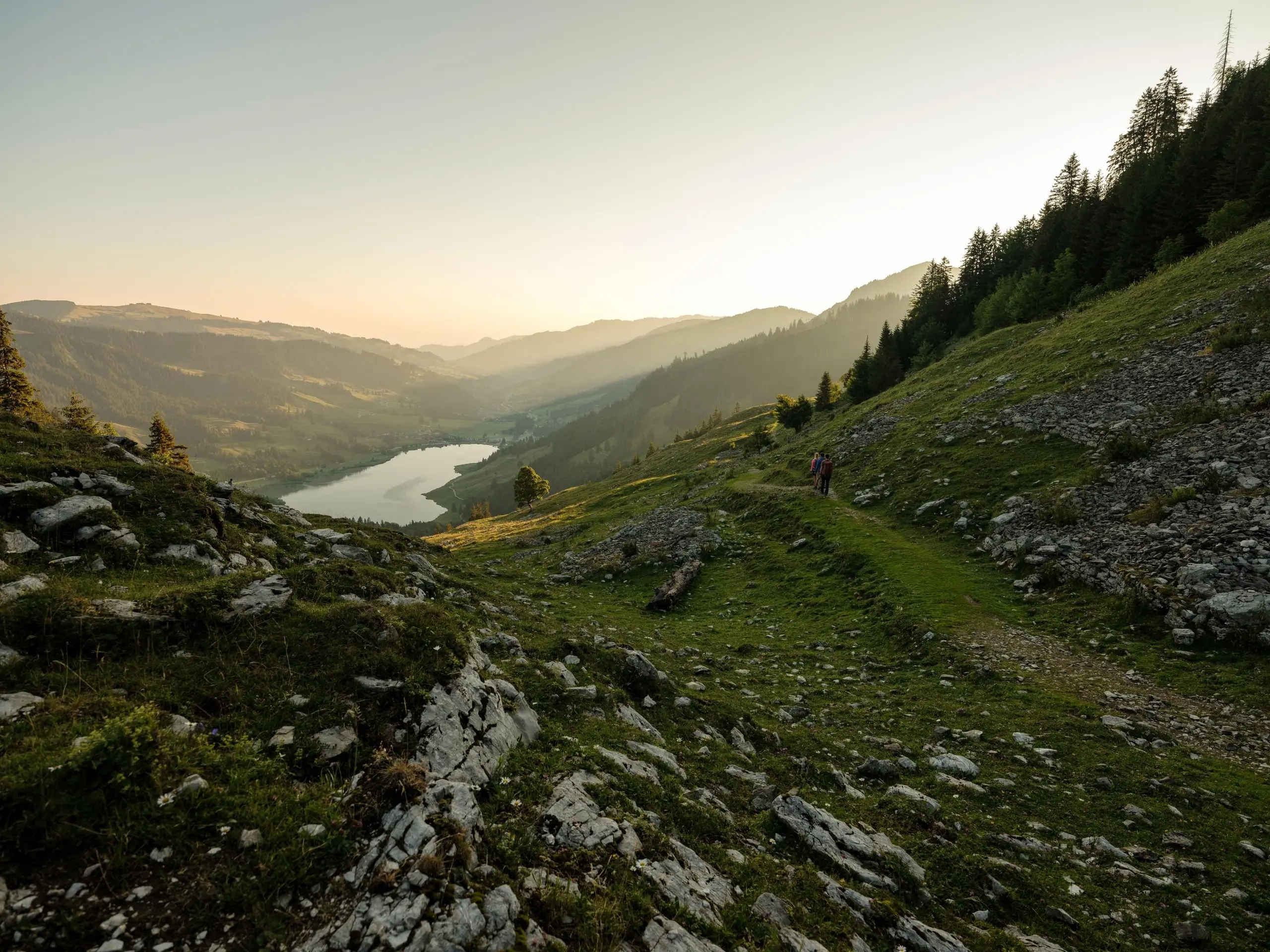
Schrecksee & Co.: Why Mountain Lakes Are Being Monitored More Strictly
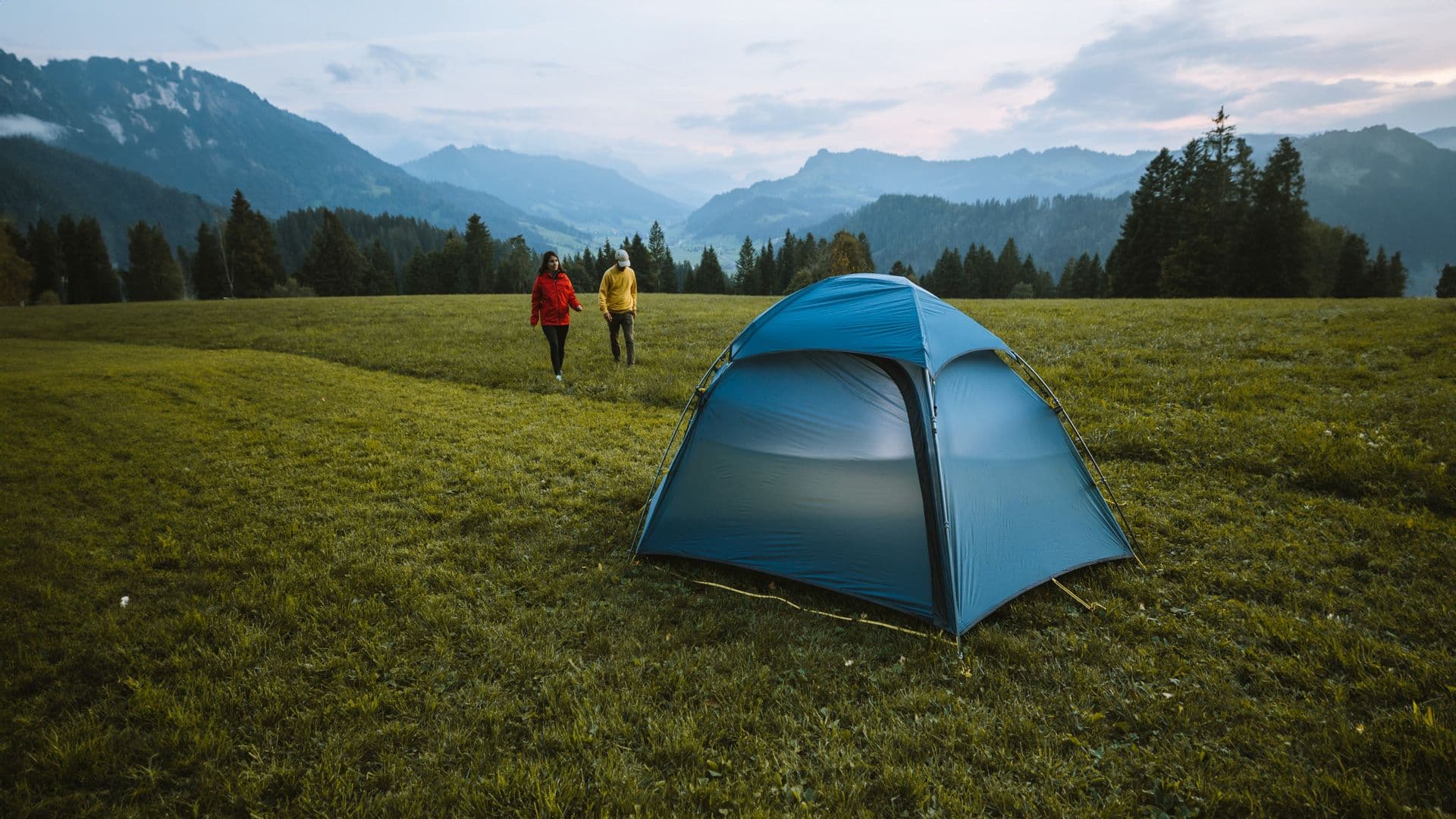
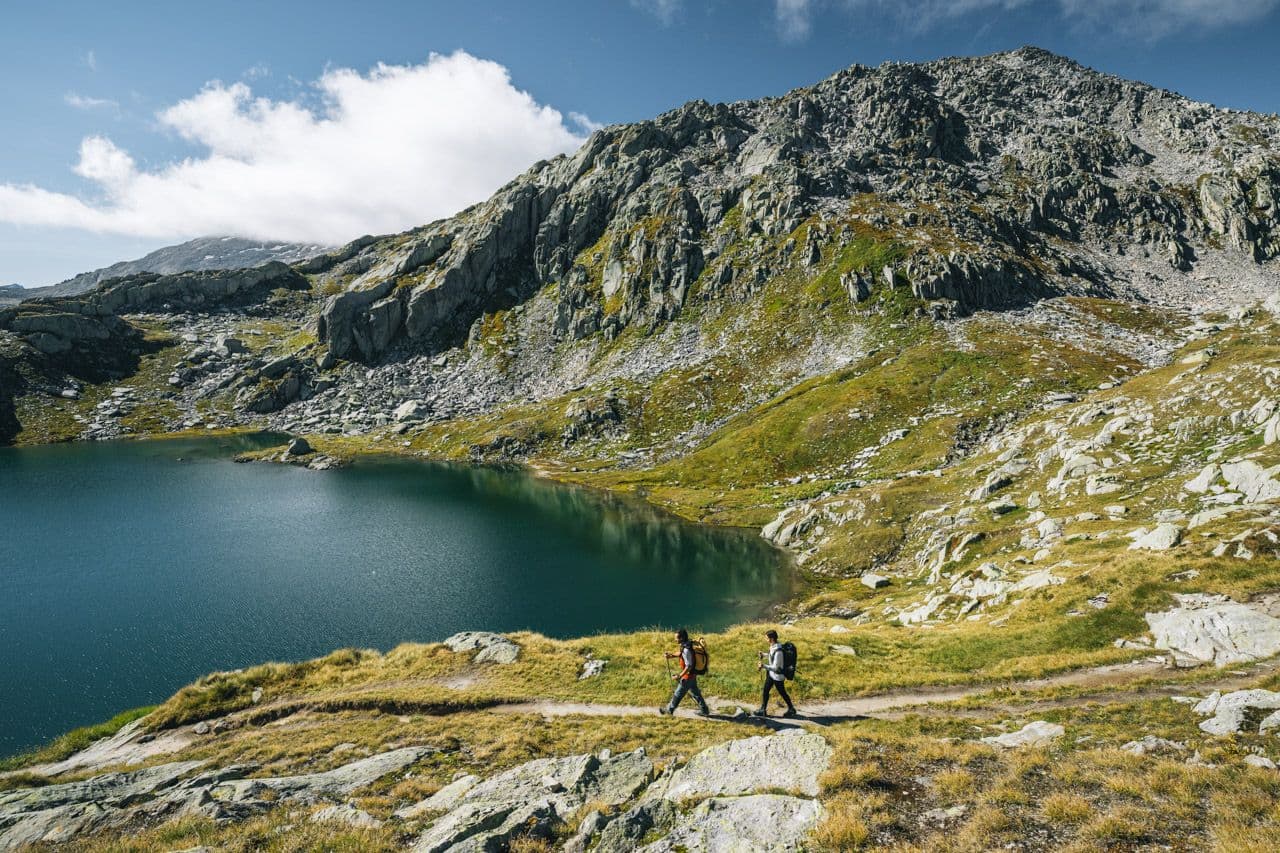
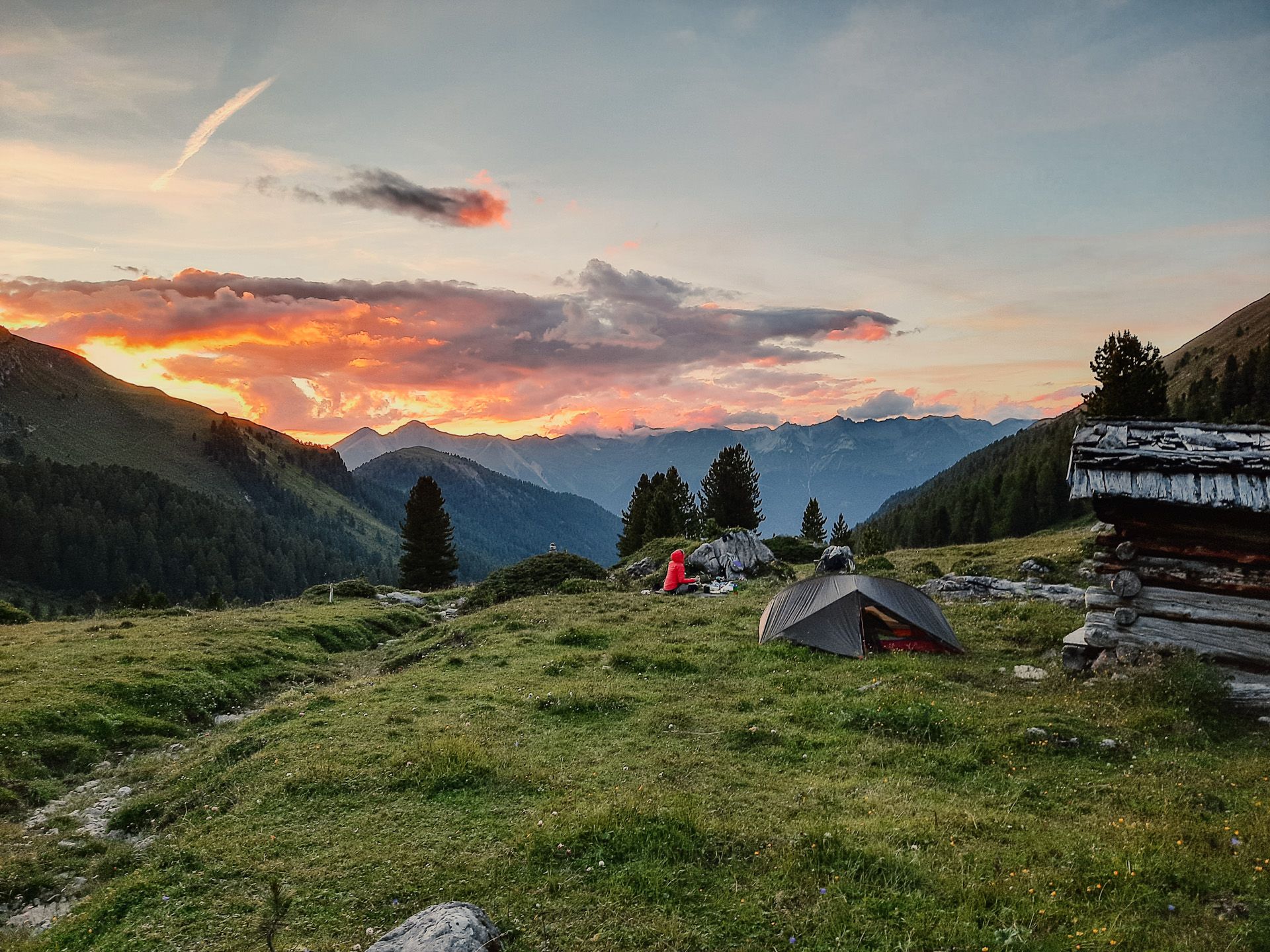
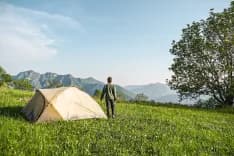
Thanks to TikTok and Instagram, several mountain lakes have turned into real dream destinations. The videos almost always show the same scene: a tent on the shore, the sunrise over the peaks, and a feeling of boundless freedom. What they almost never show is the legal situation.
When a lake goes viral
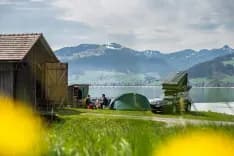
Especially at Lake Schrecksee in the Allgäu, spending the night has almost become a challenge for some. Who can stay the longest without getting caught? Others underestimate the duration of the hike and spontaneously decide to spend the night by the lake. On top of that, there are many misconceptions. People repeatedly claim that sleeping under the stars in a sleeping bag without a tent is allowed. In many cases, however, that simply isn't true.
The result: police, rangers, and national park authorities are carrying out significantly more inspections. In these five locations, illegal overnight stays are being cracked down on particularly consistently.
5 lakes where inspections are now being stepped up

Schrecksee in the Allgäu
Fines of up to €600 per person. During one operation, police woke up 17 overnight campers and initiated fine proceedings. The pastures surrounding the lake are vital for alpine farming.

Königsbach Waterfall at Lake Königssee
An entry ban has been in place for an area of around ten hectares since summer 2021, with violations costing in the triple digits. Tenting and lighting fires are prohibited throughout Berchtesgaden National Park.

Oeschinensee, Bernese Oberland
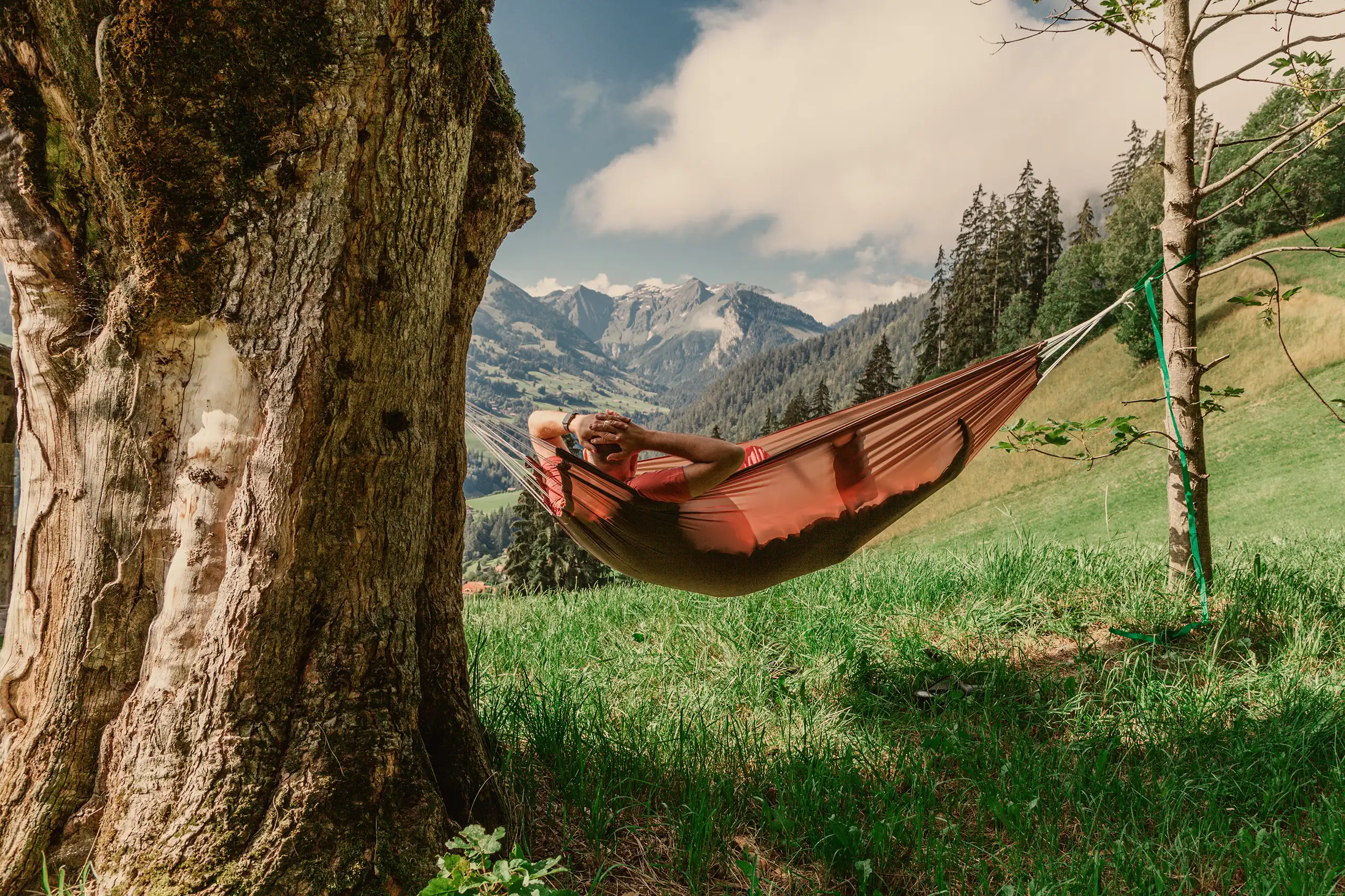
Tents, bivouacking, hammocks, and sleeping under the open sky are all prohibited. Fines can reach up to CHF 2,000.

Pragser Wildsee (Lake Braies), South Tyrol
Wild camping and sleeping outdoors are prohibited and strictly monitored. The ban applies to the entire Braies Valley, including along the road.

Eibsee near Grainau
Camping and overnight stays are not permitted at the lake. Official campsites are located in Grainau.
A basecamp instead of a bivouac
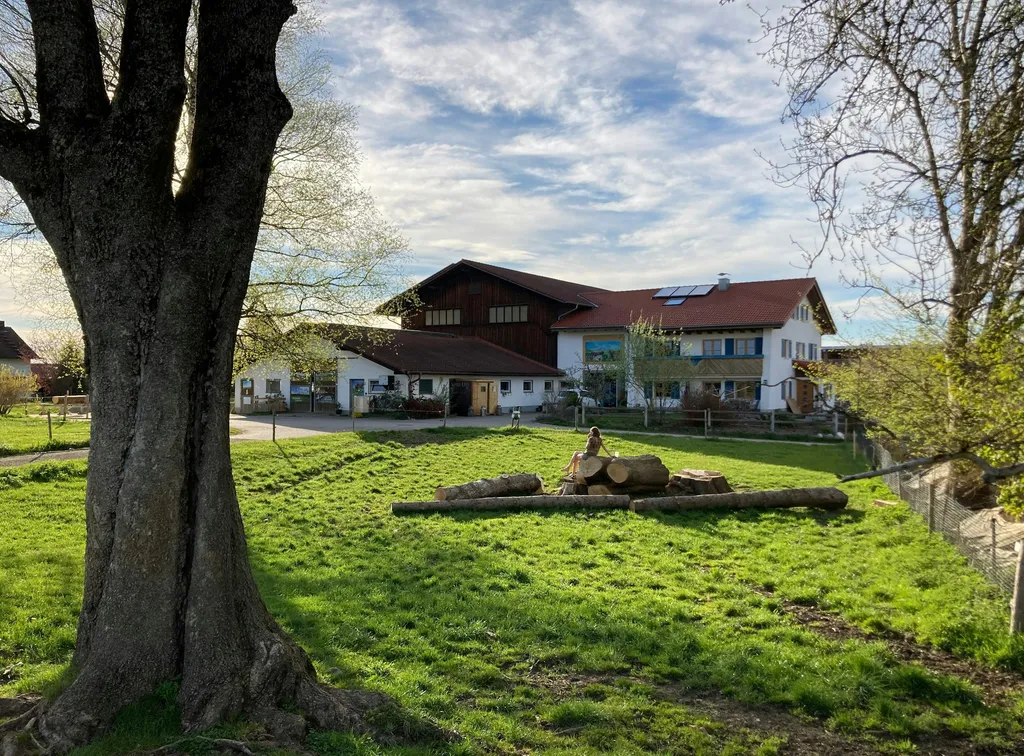
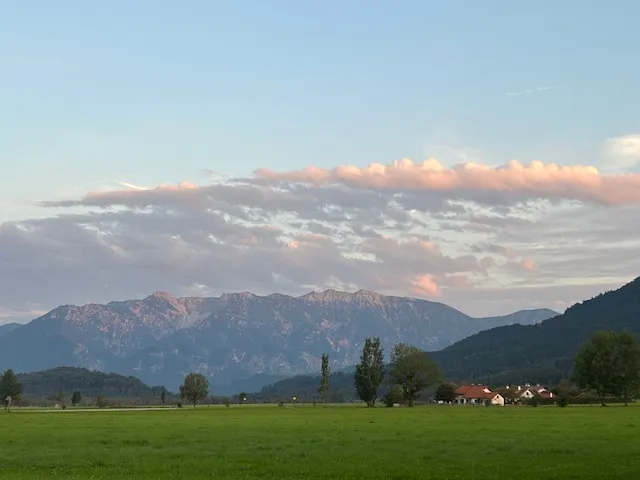
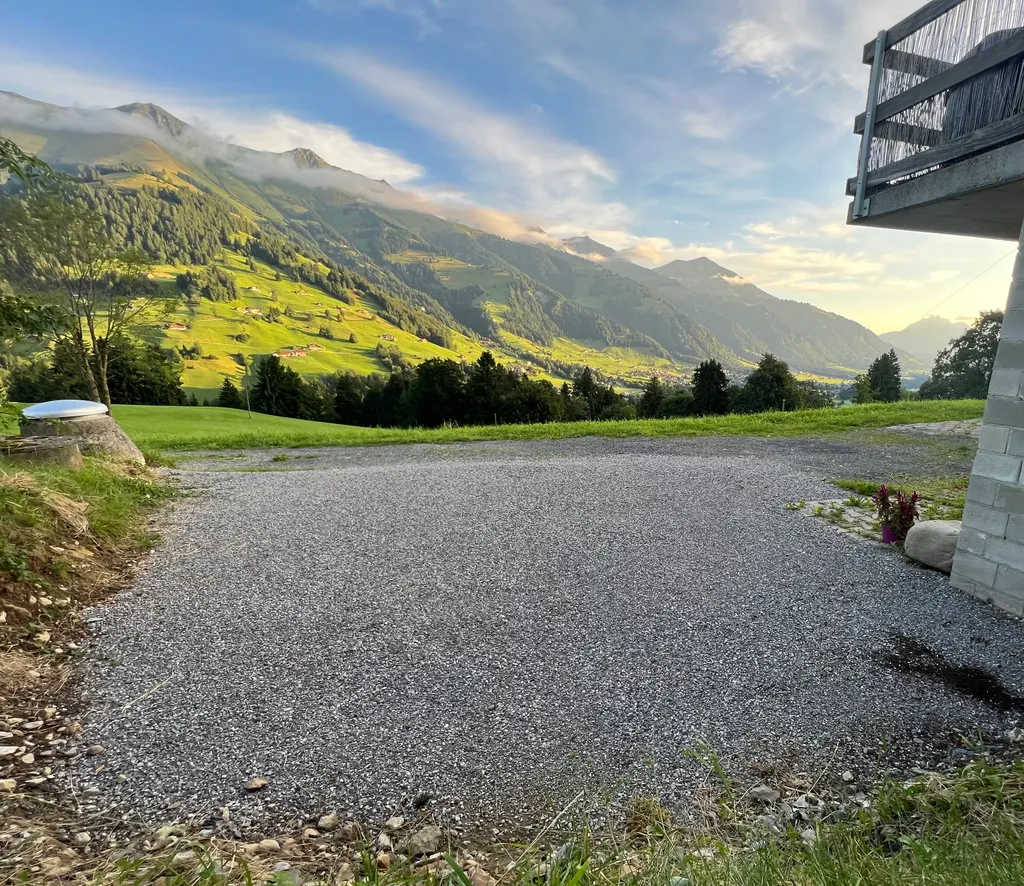
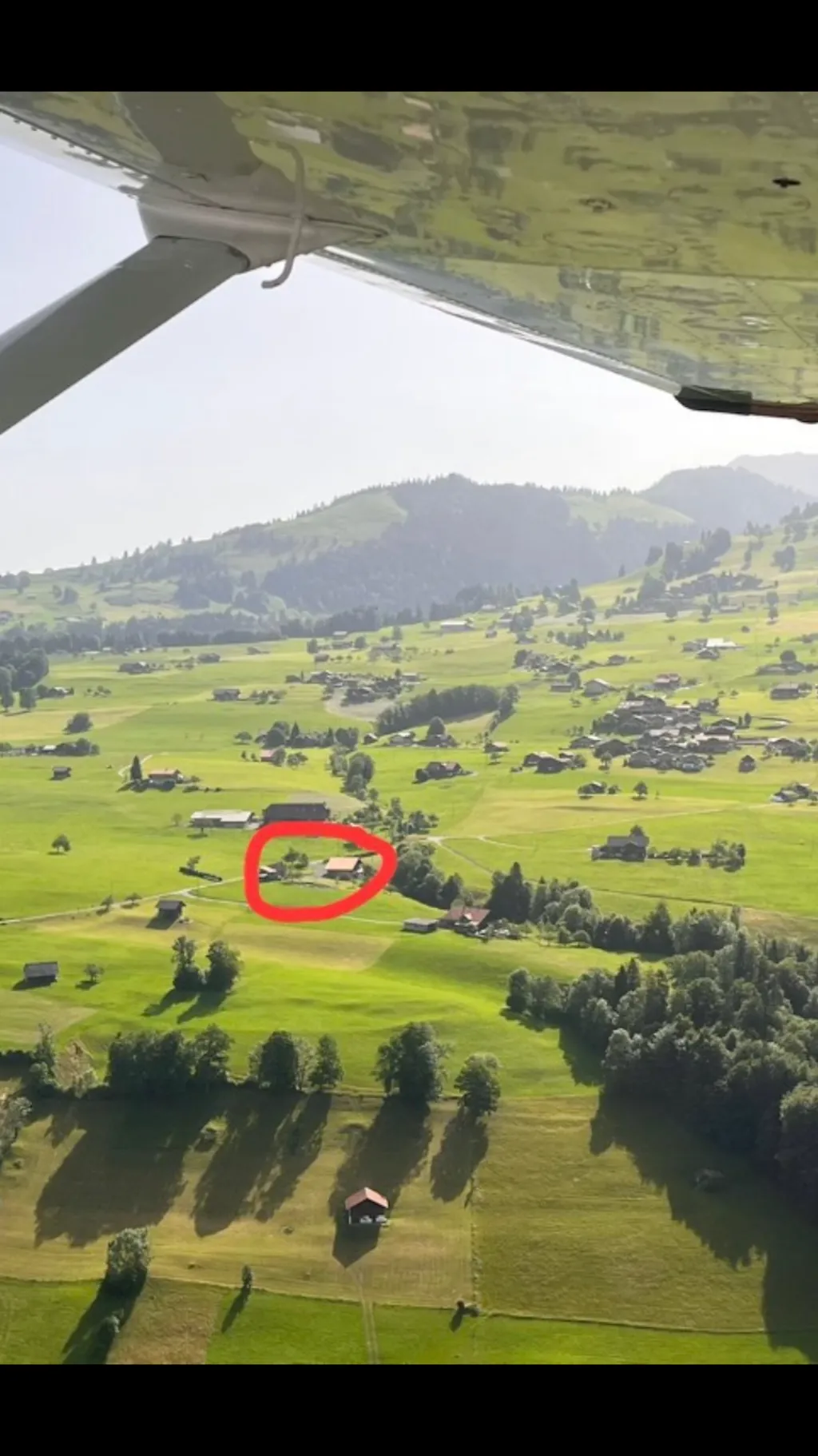
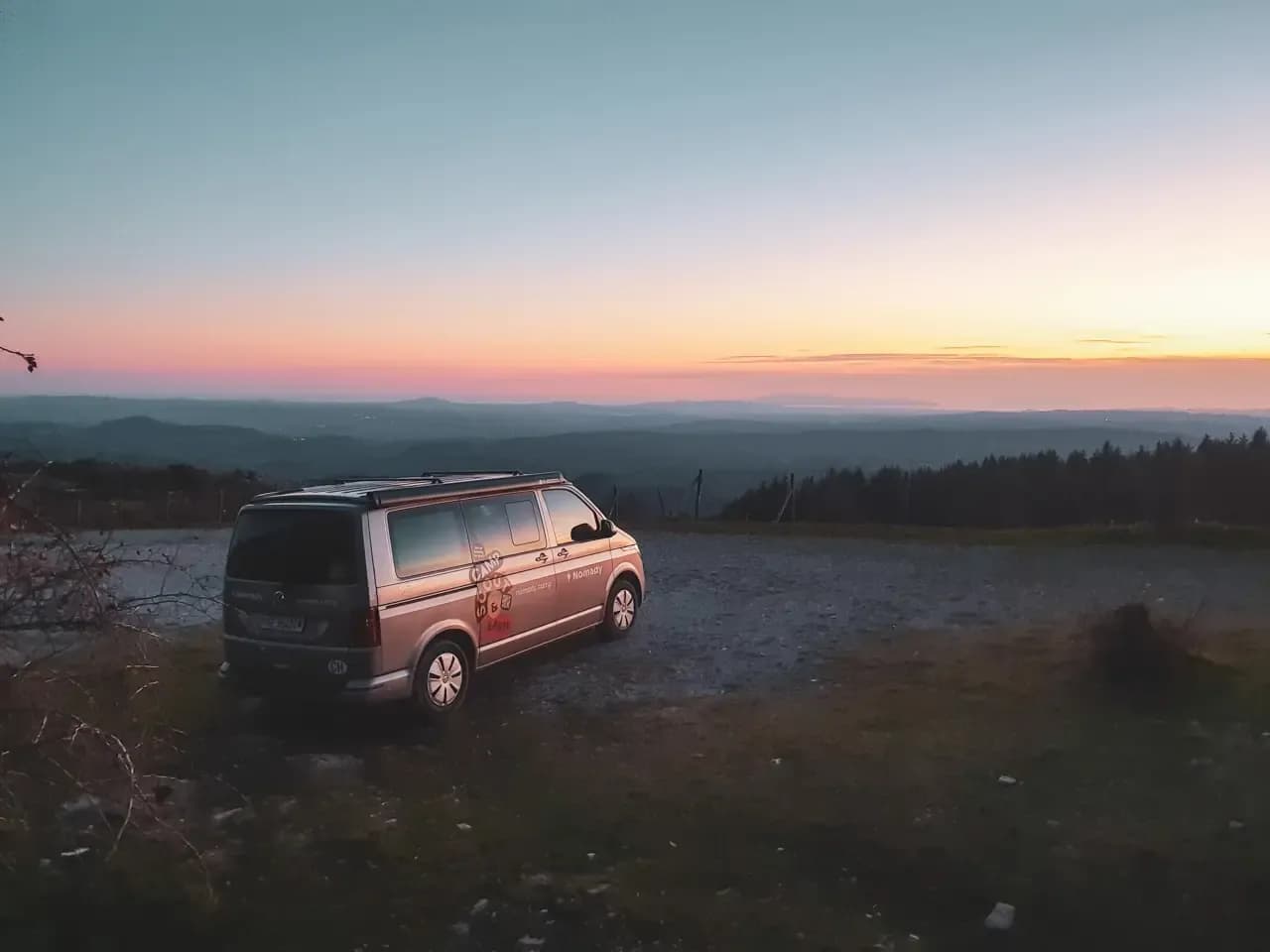
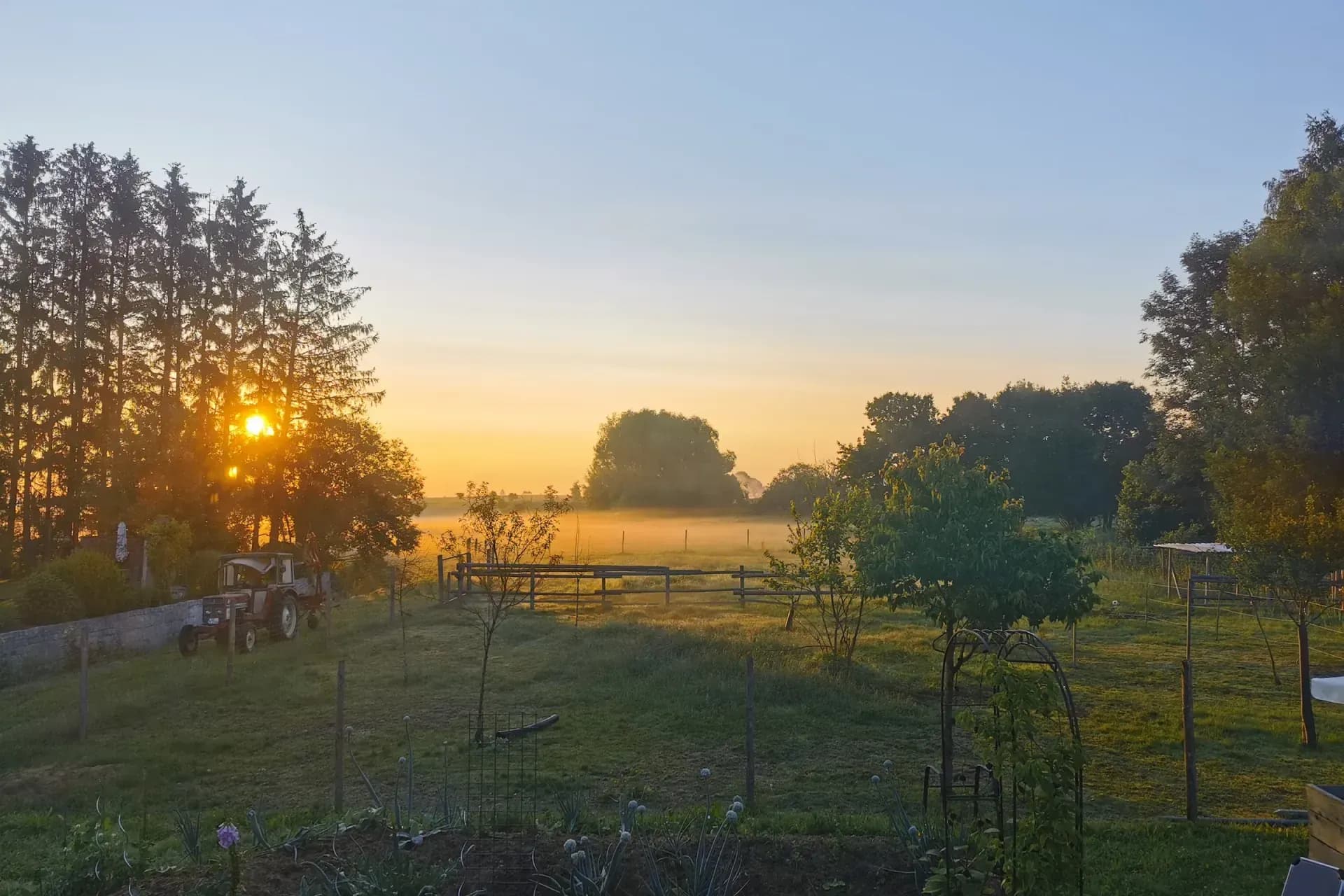
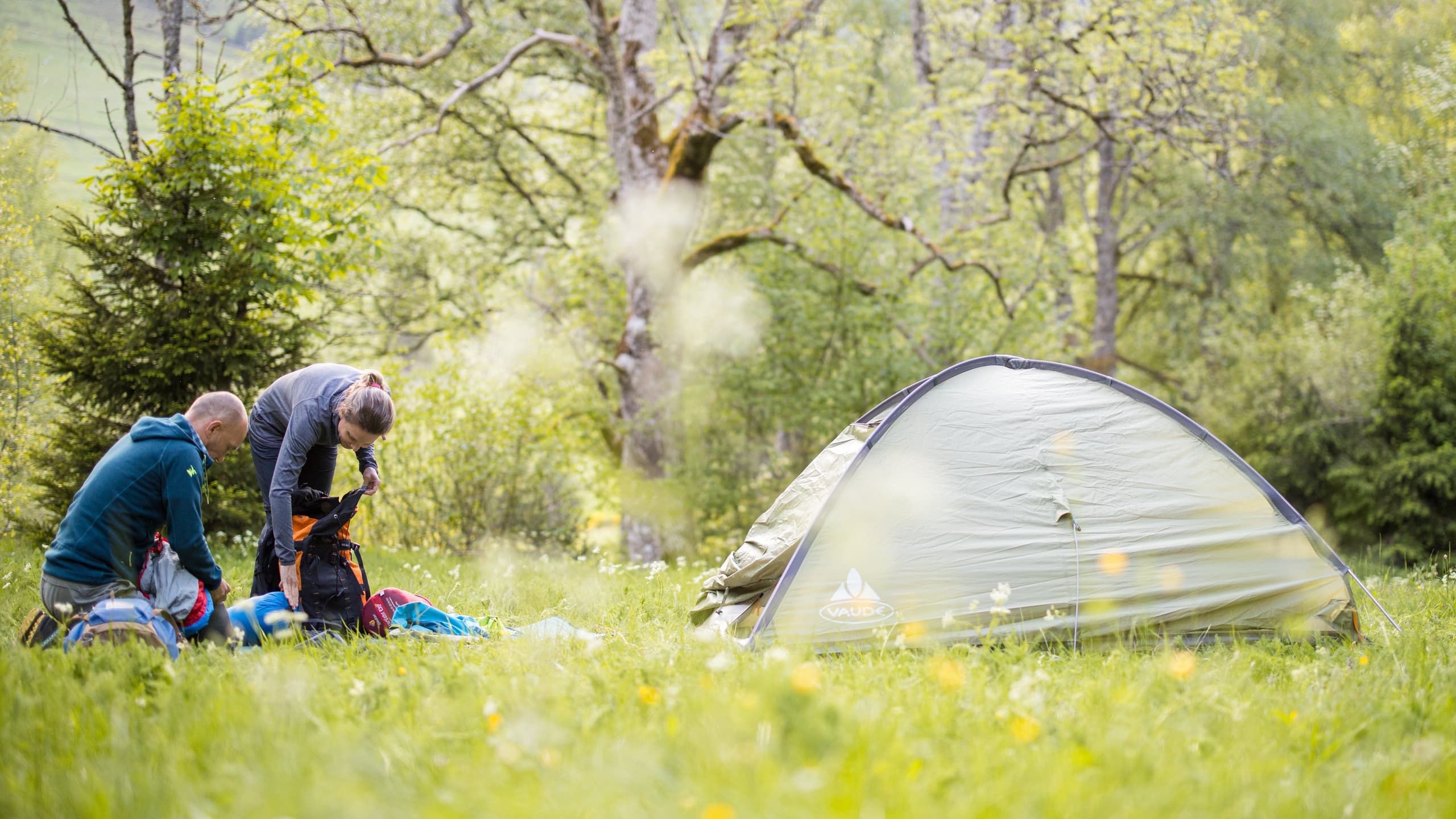
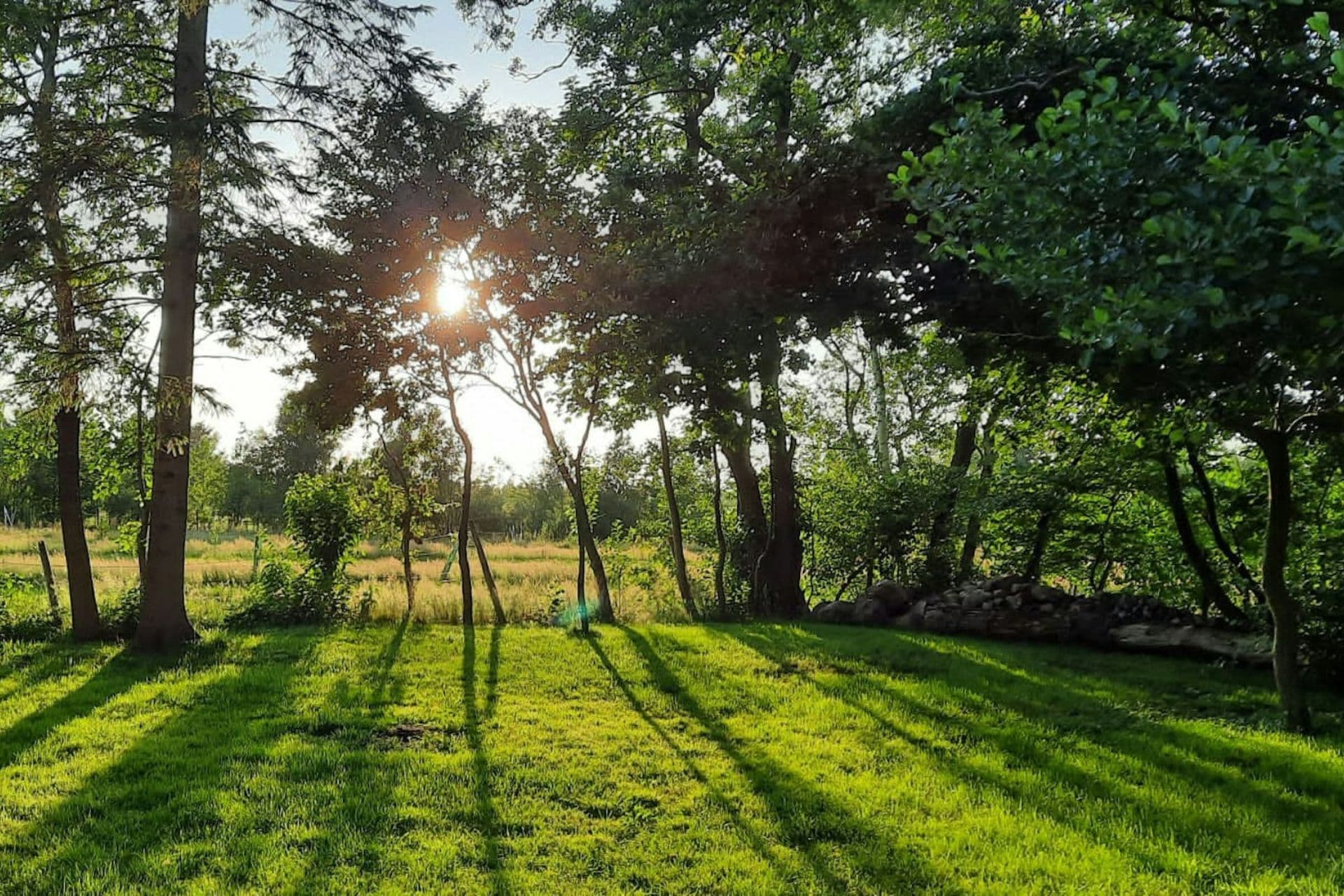
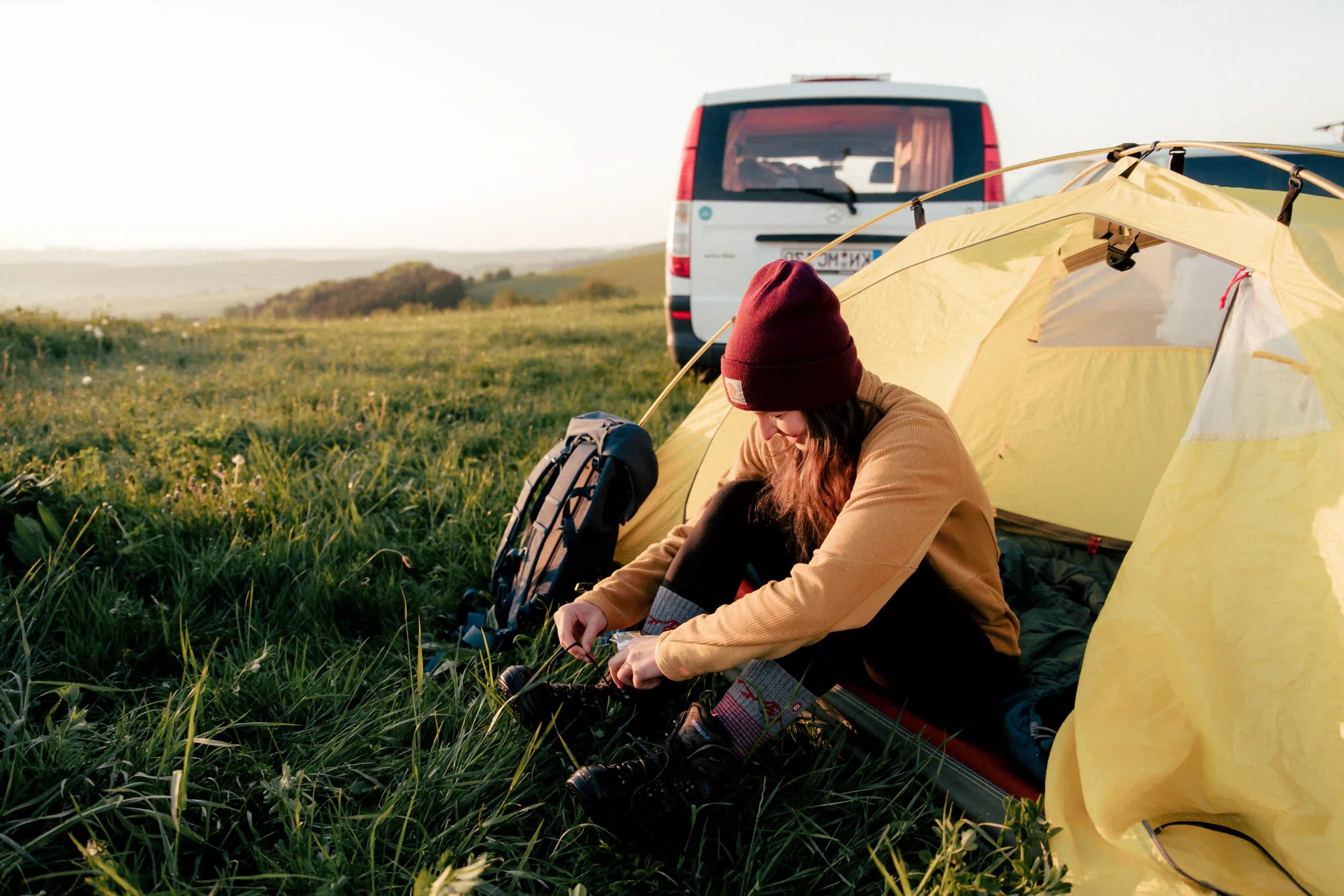
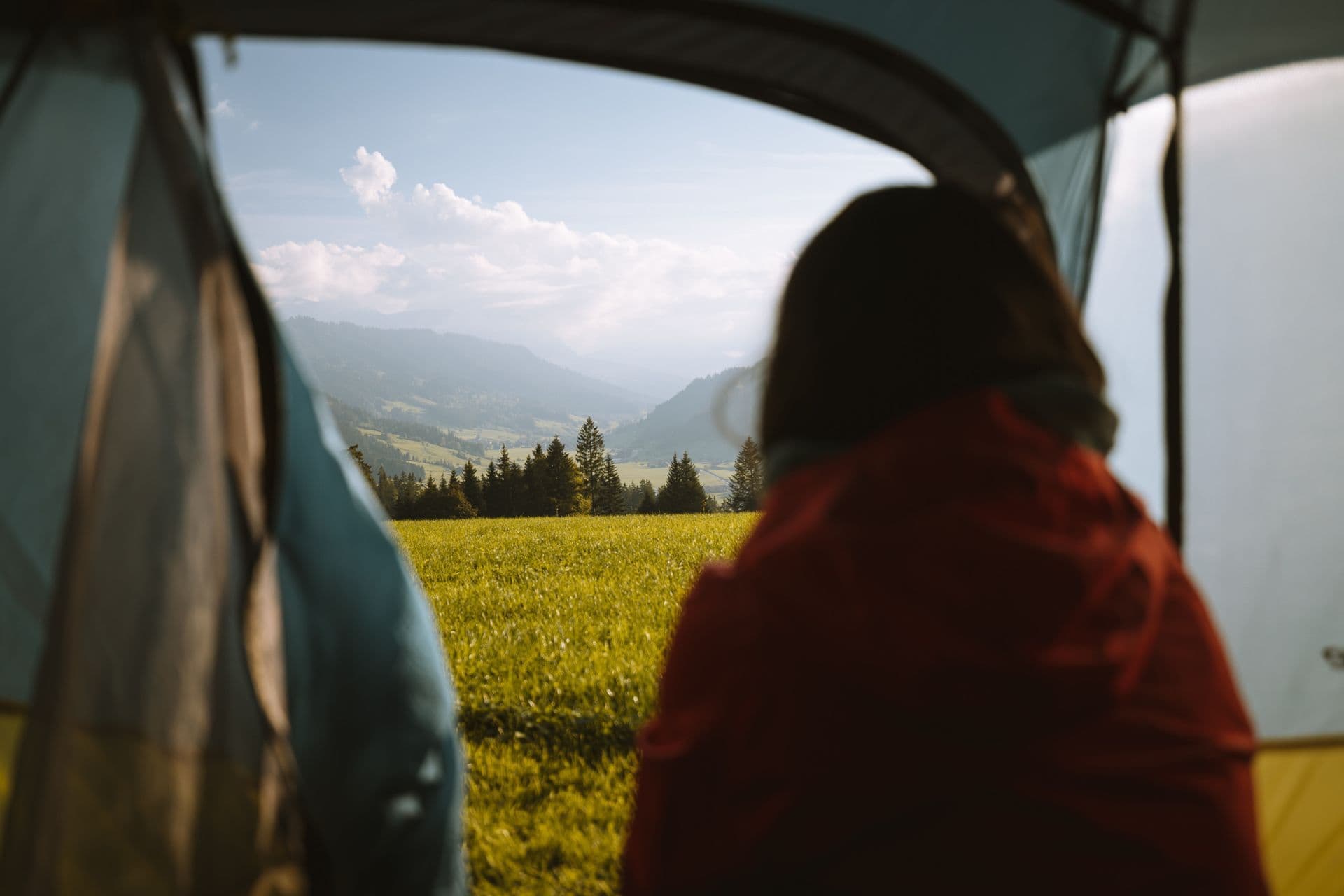
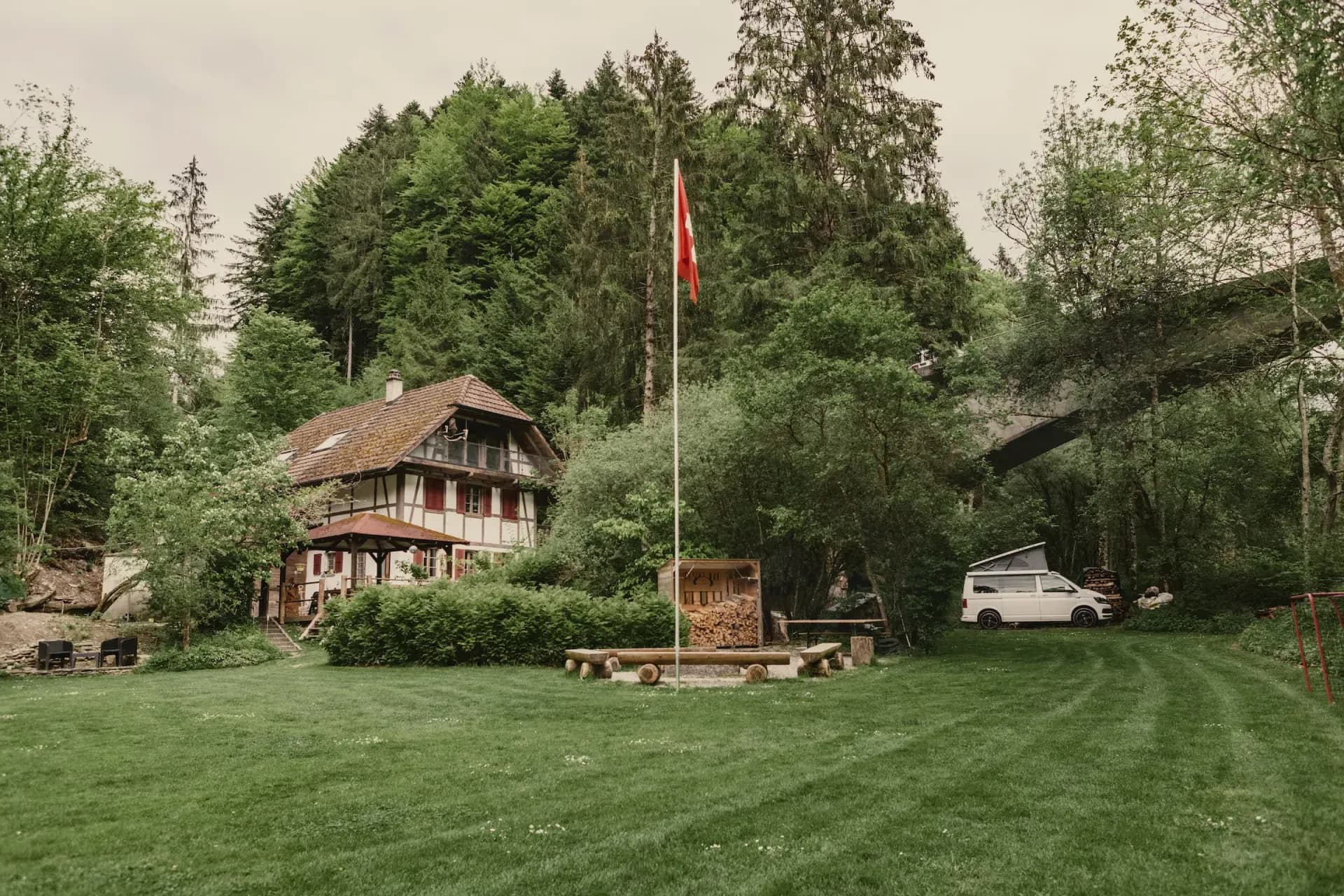
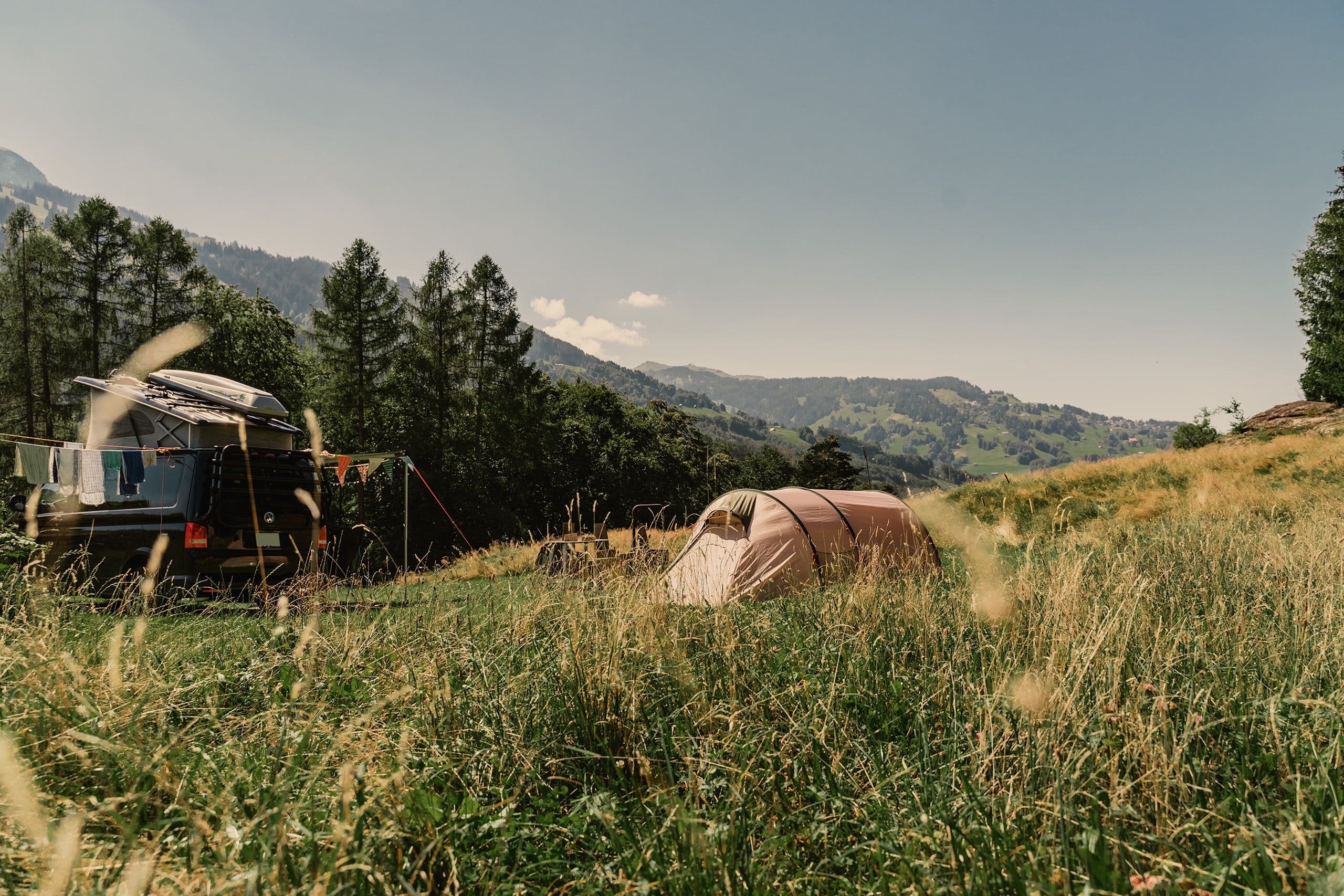
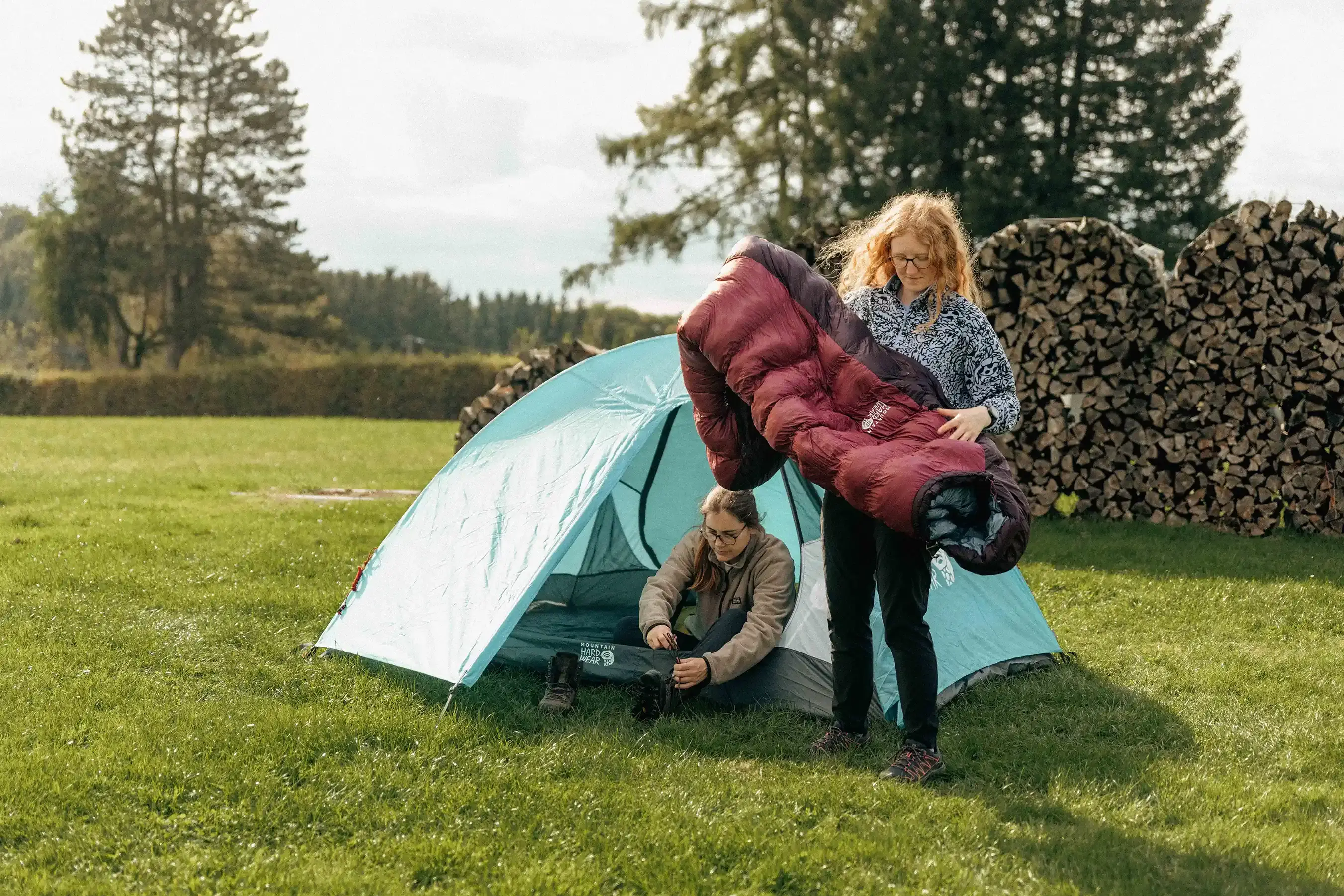
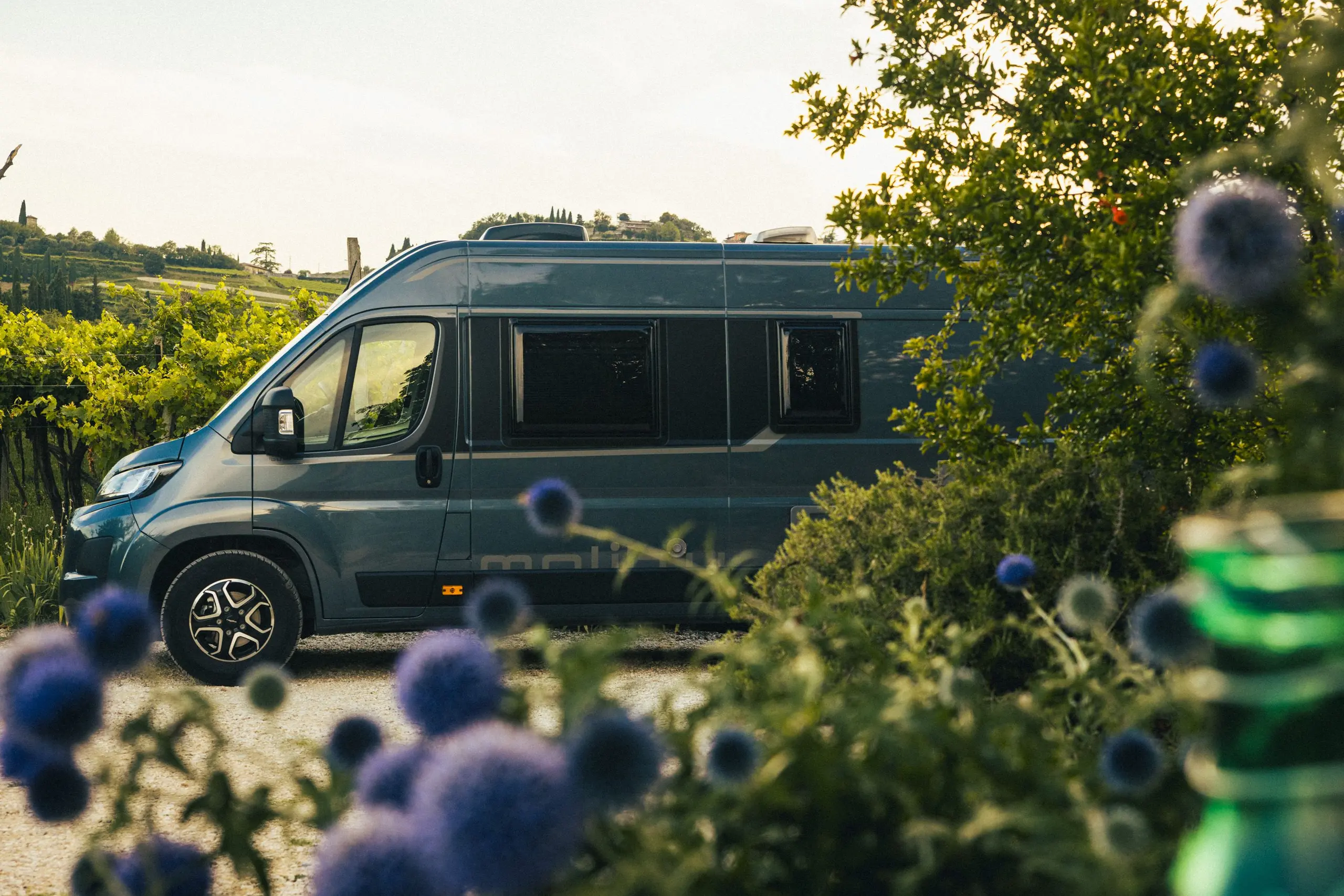
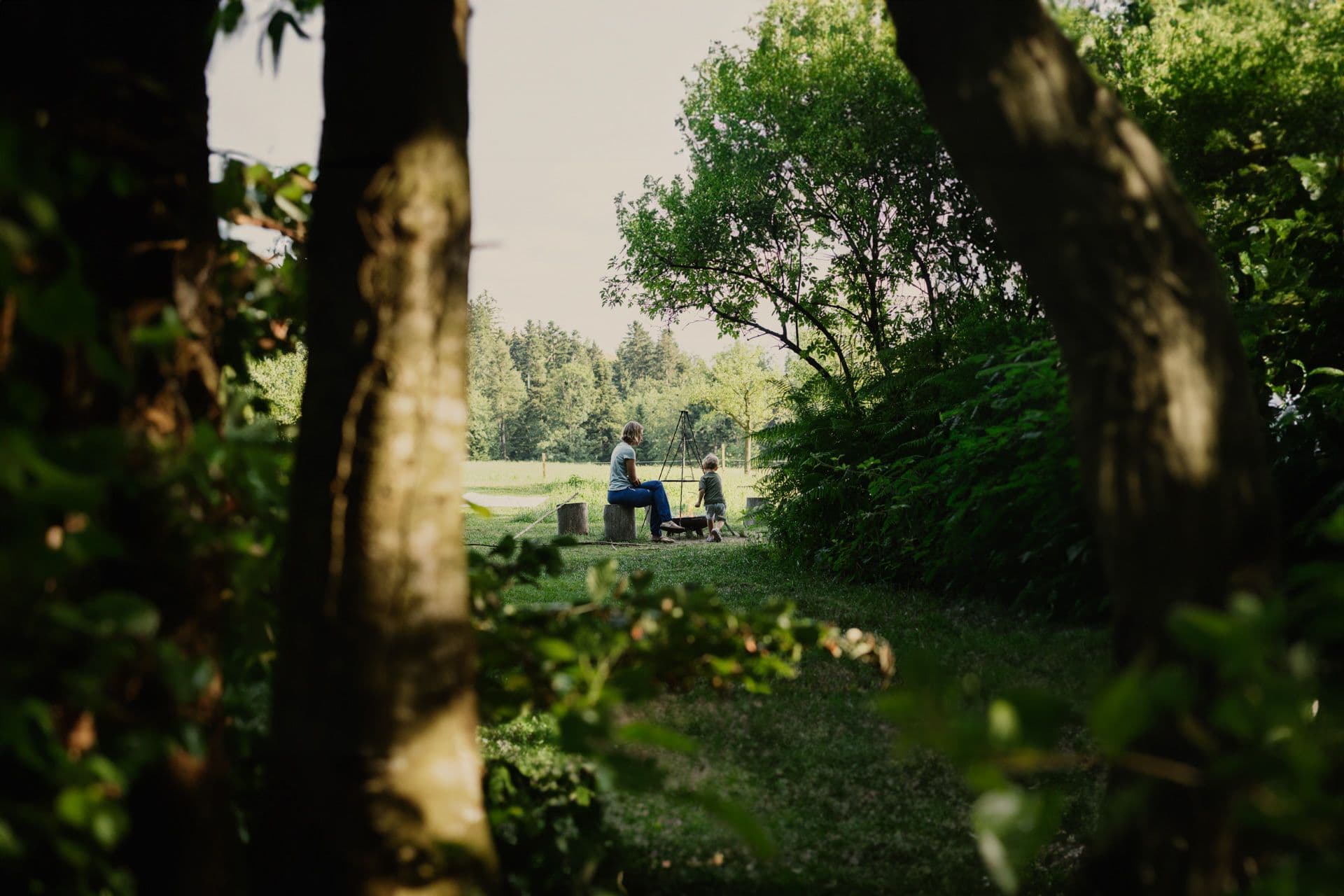
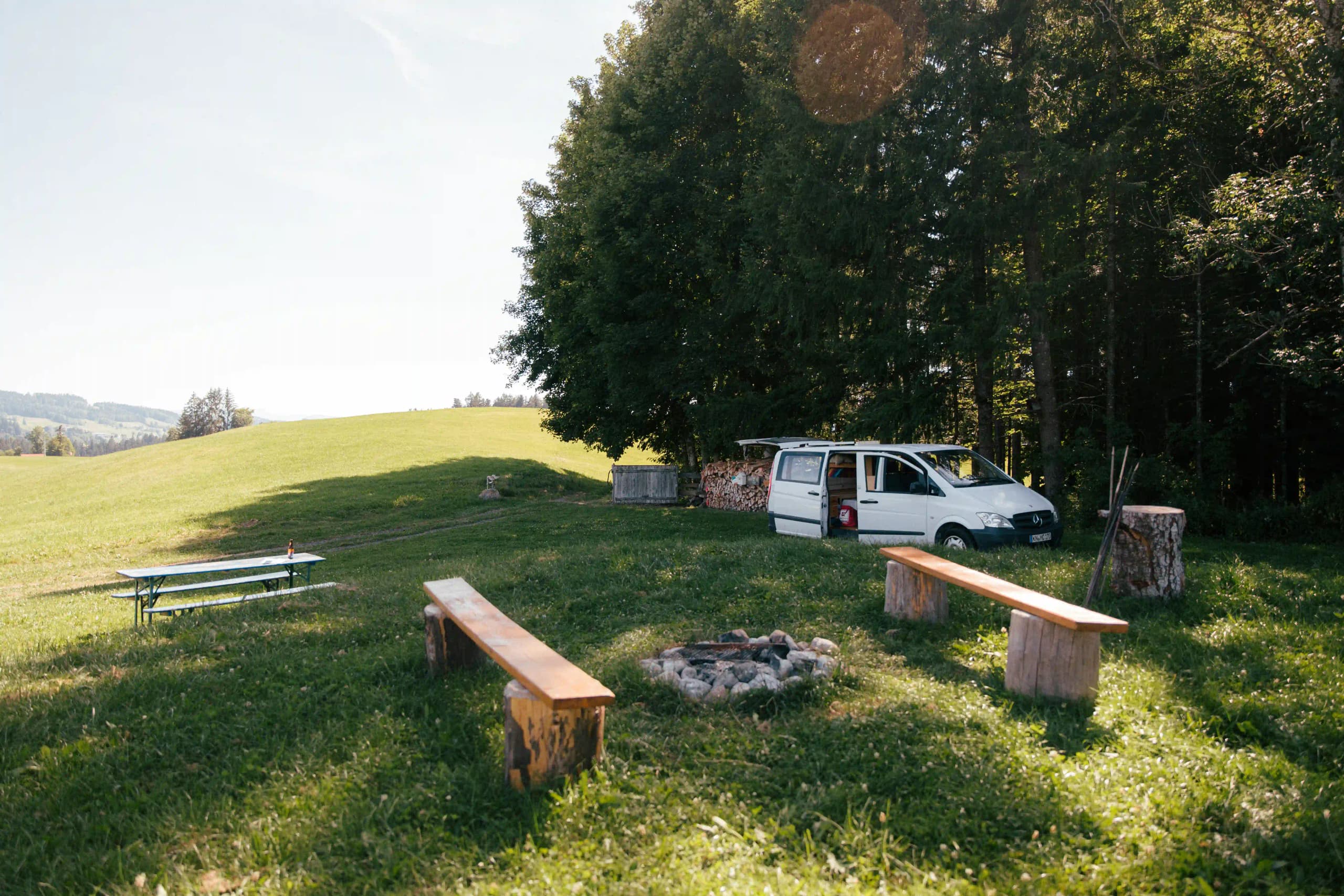
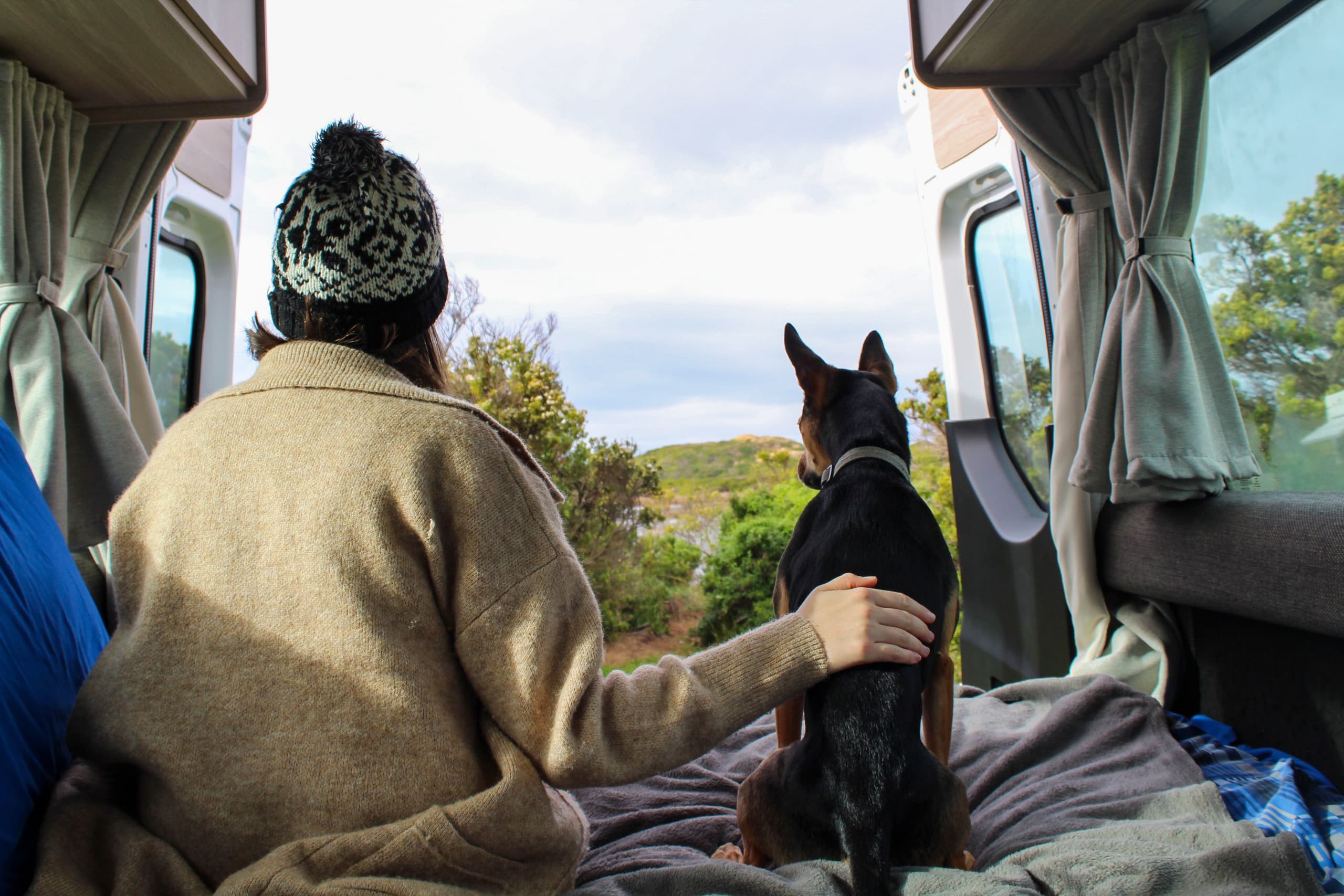
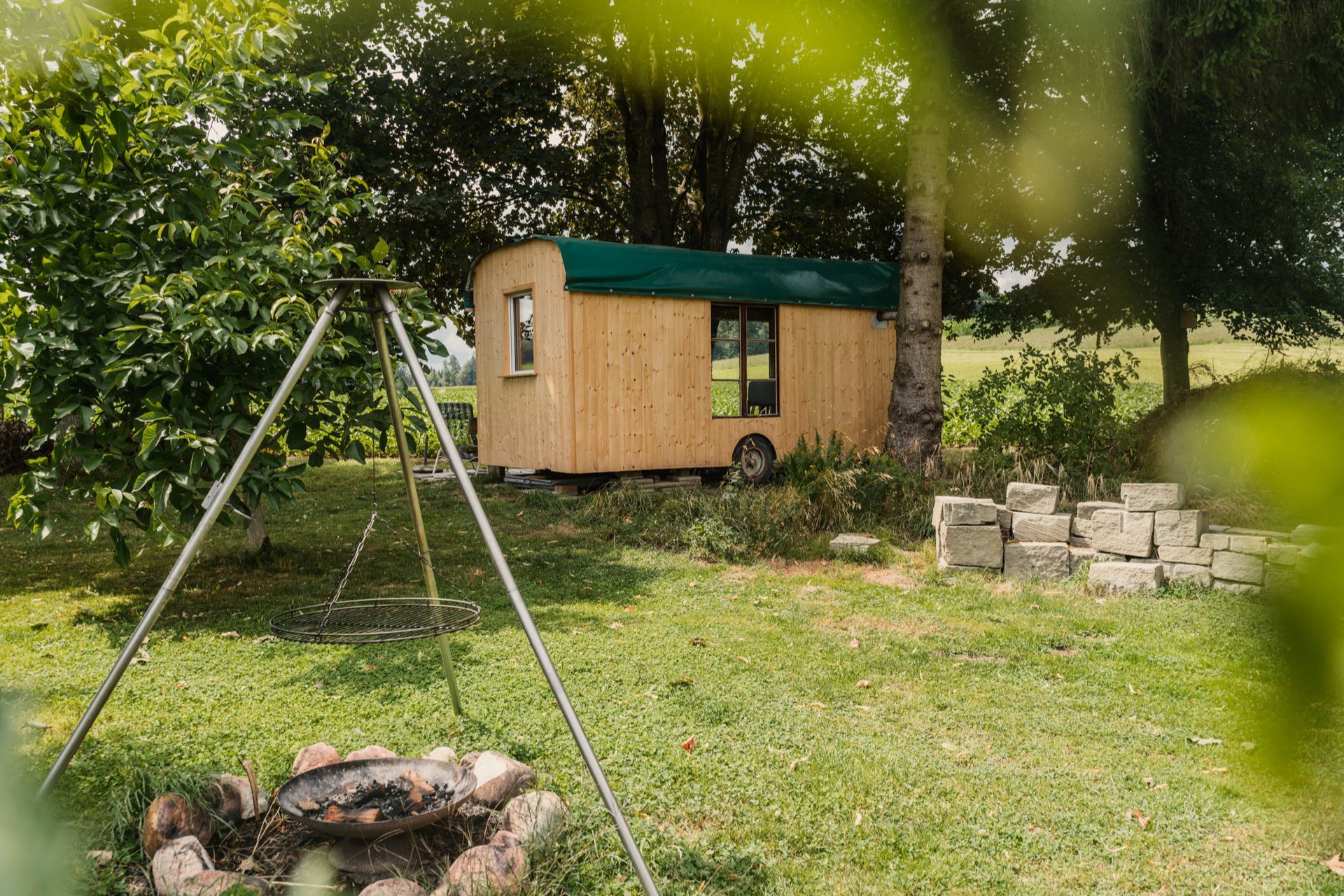
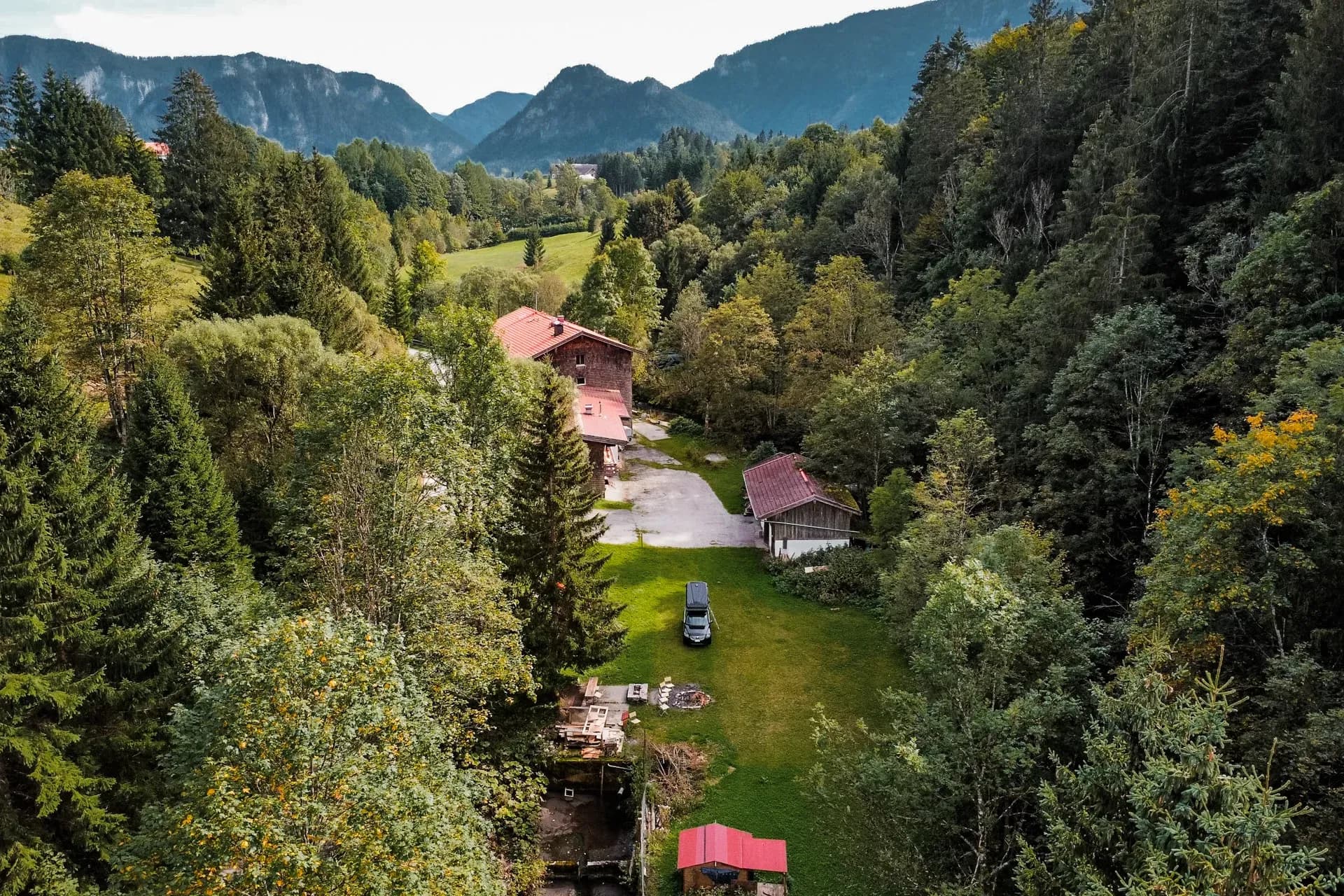
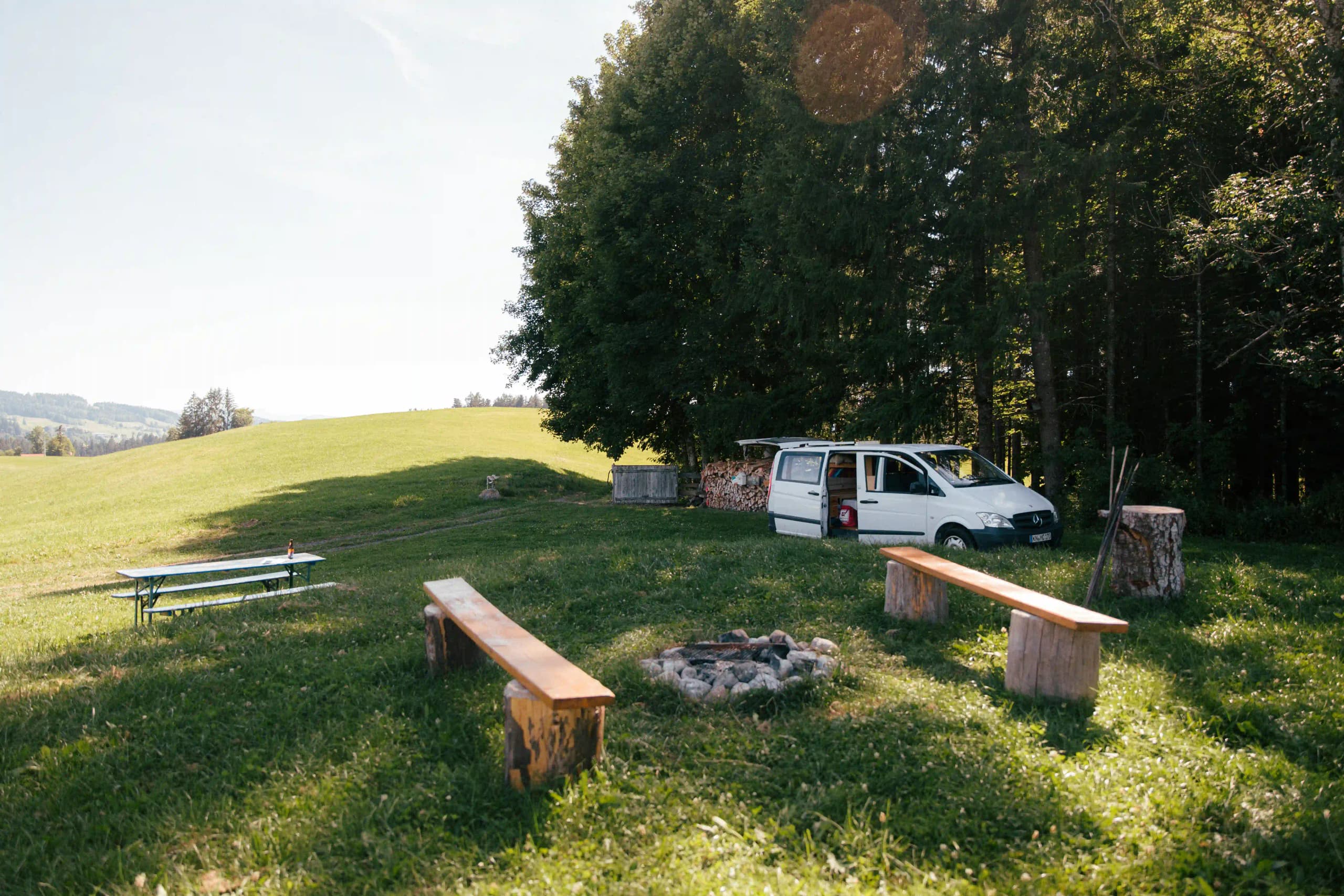
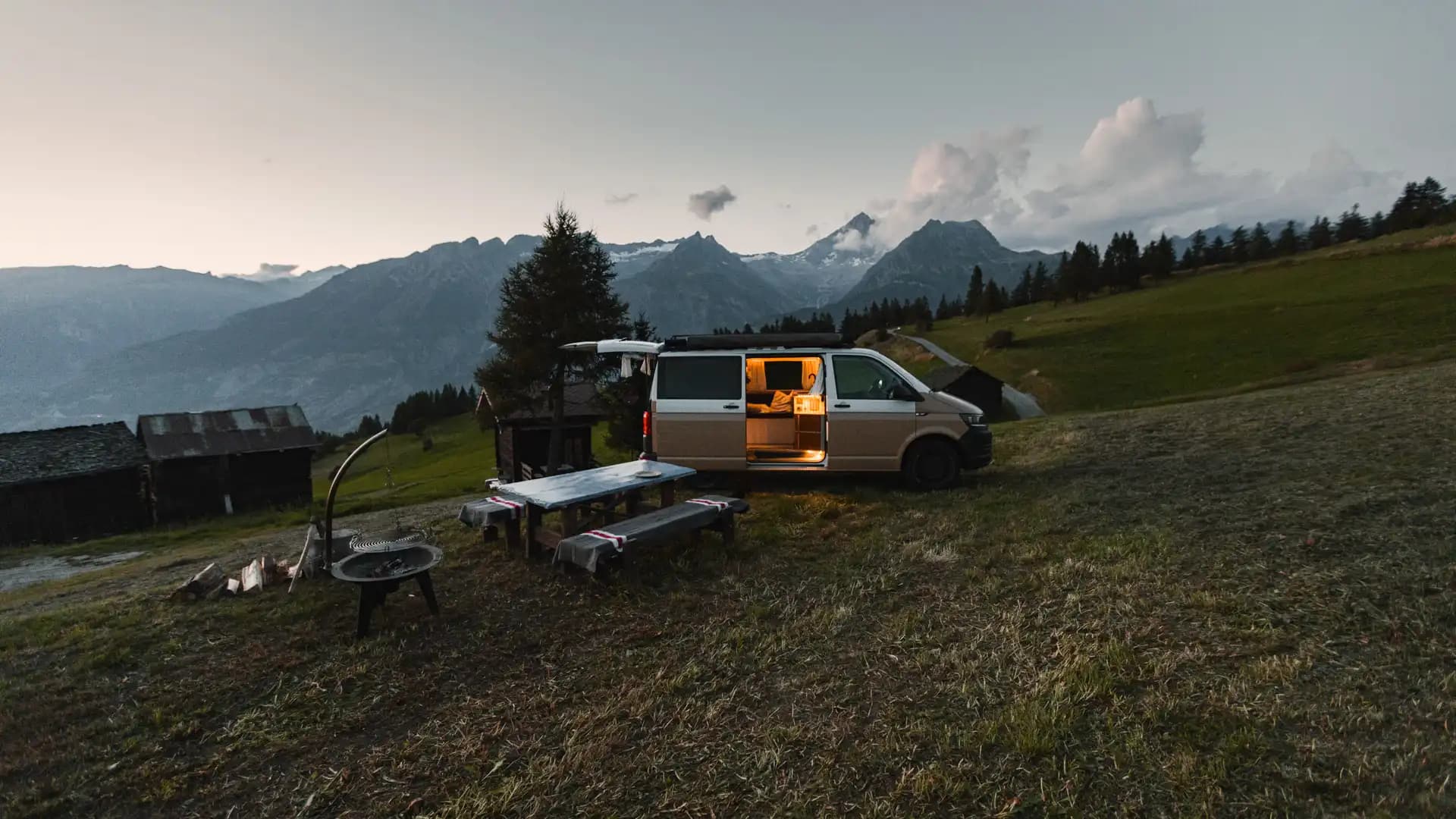
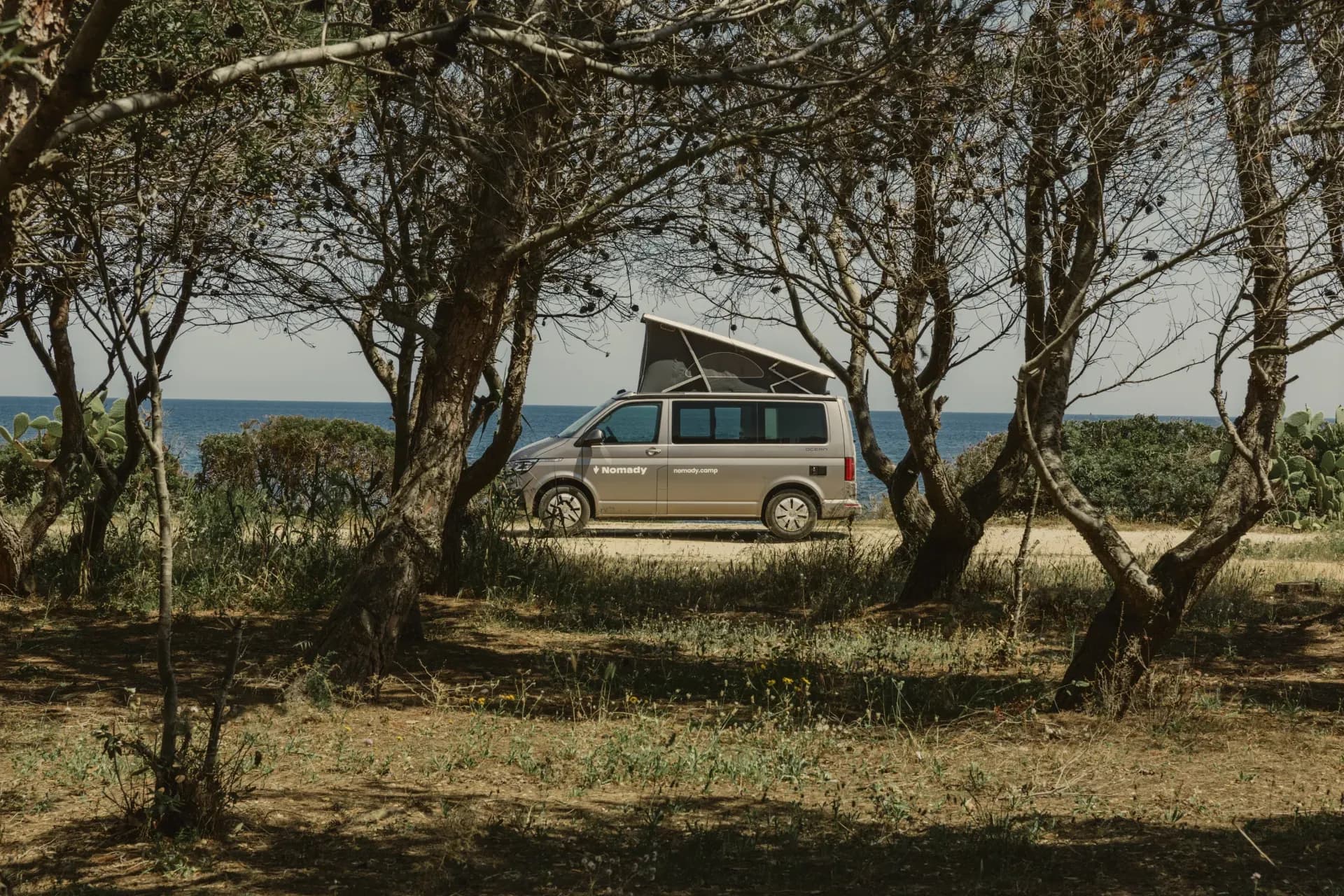
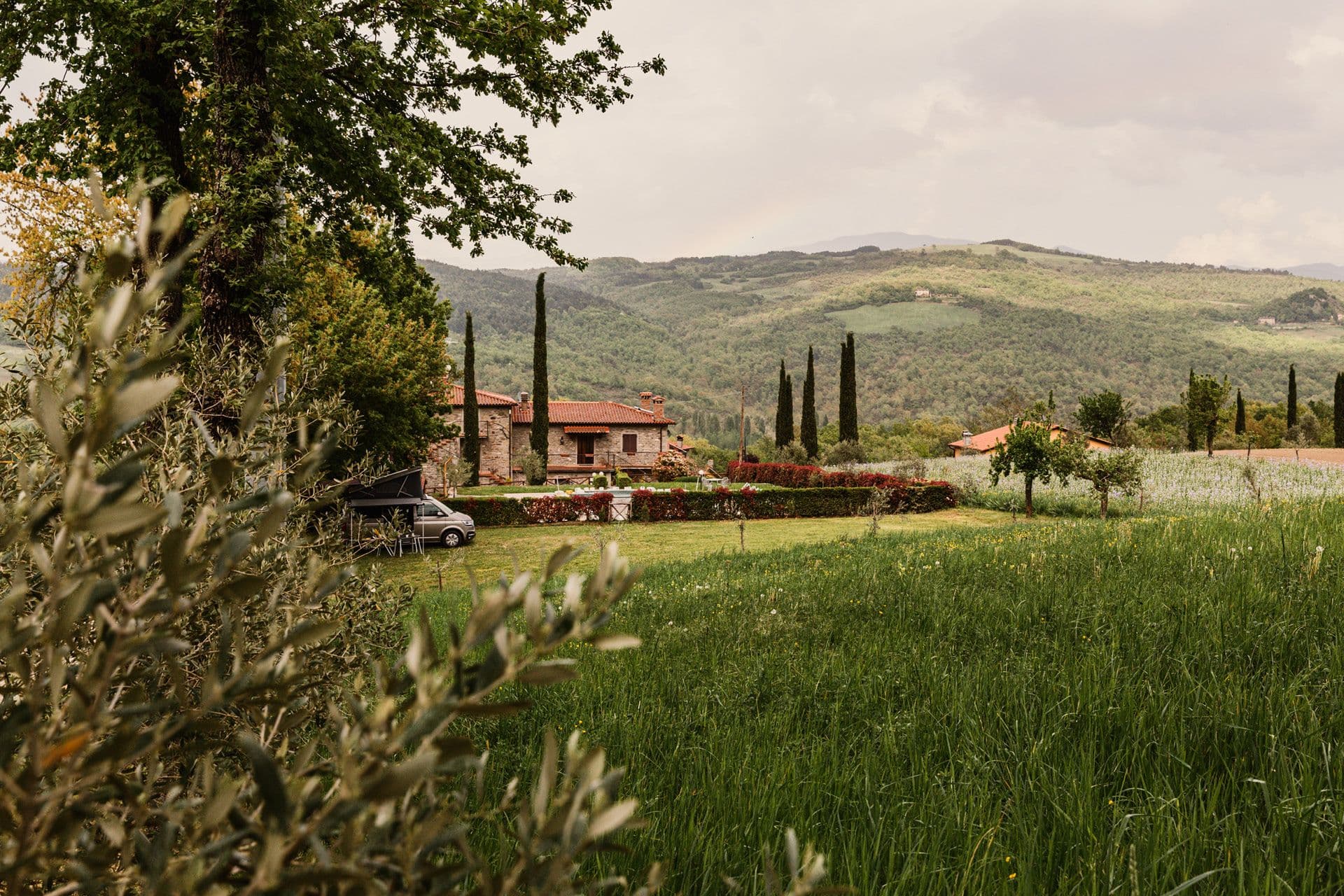
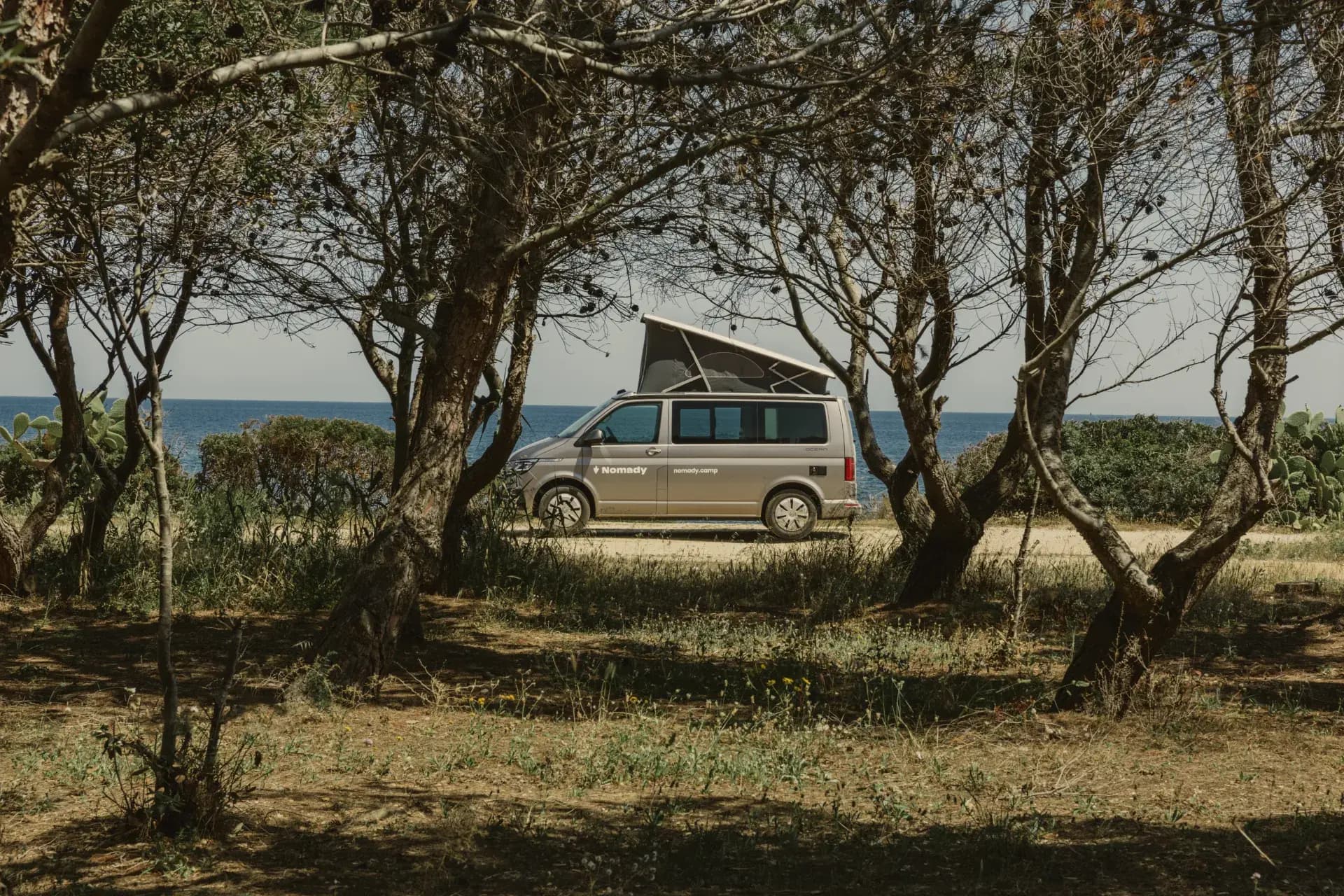
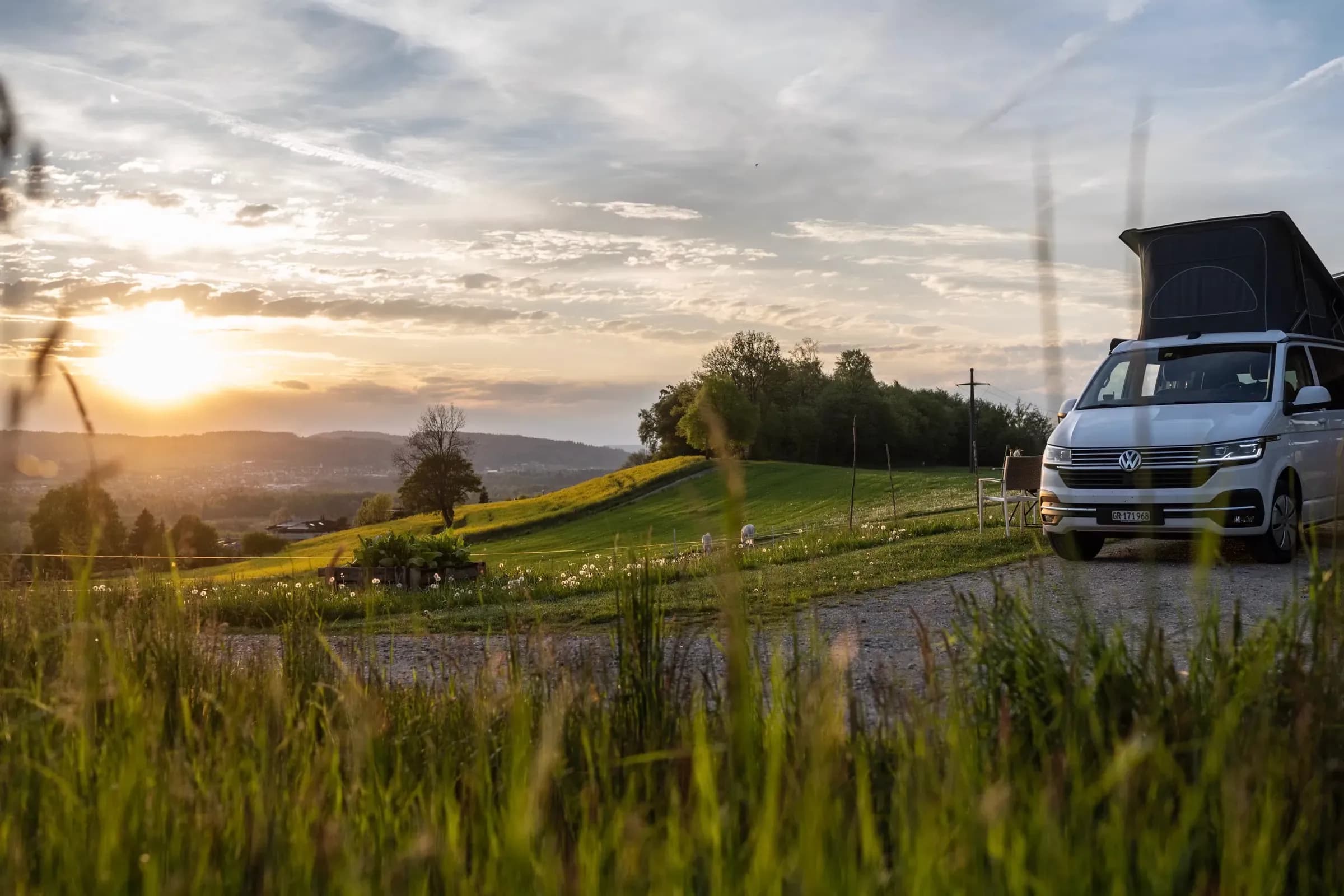
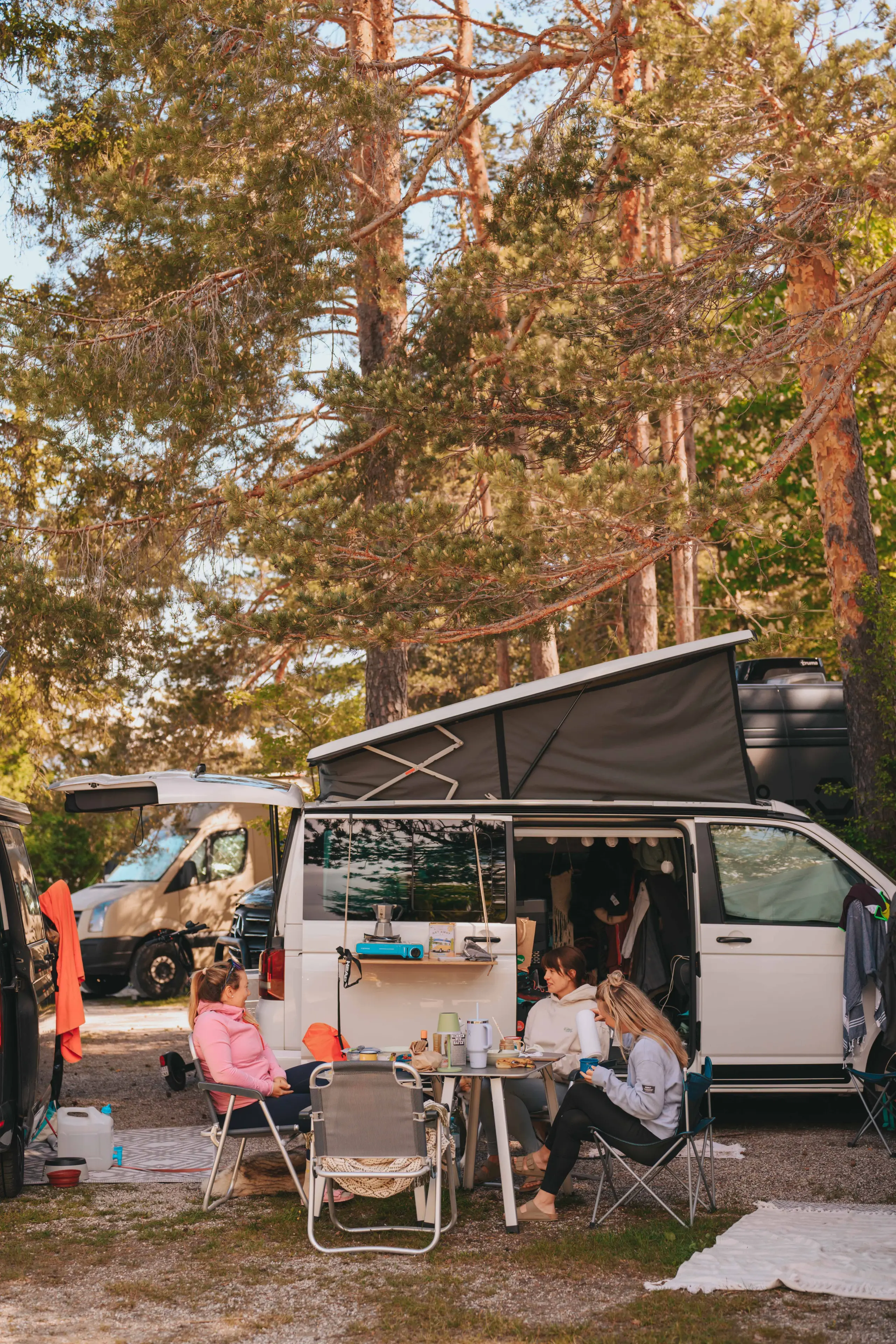
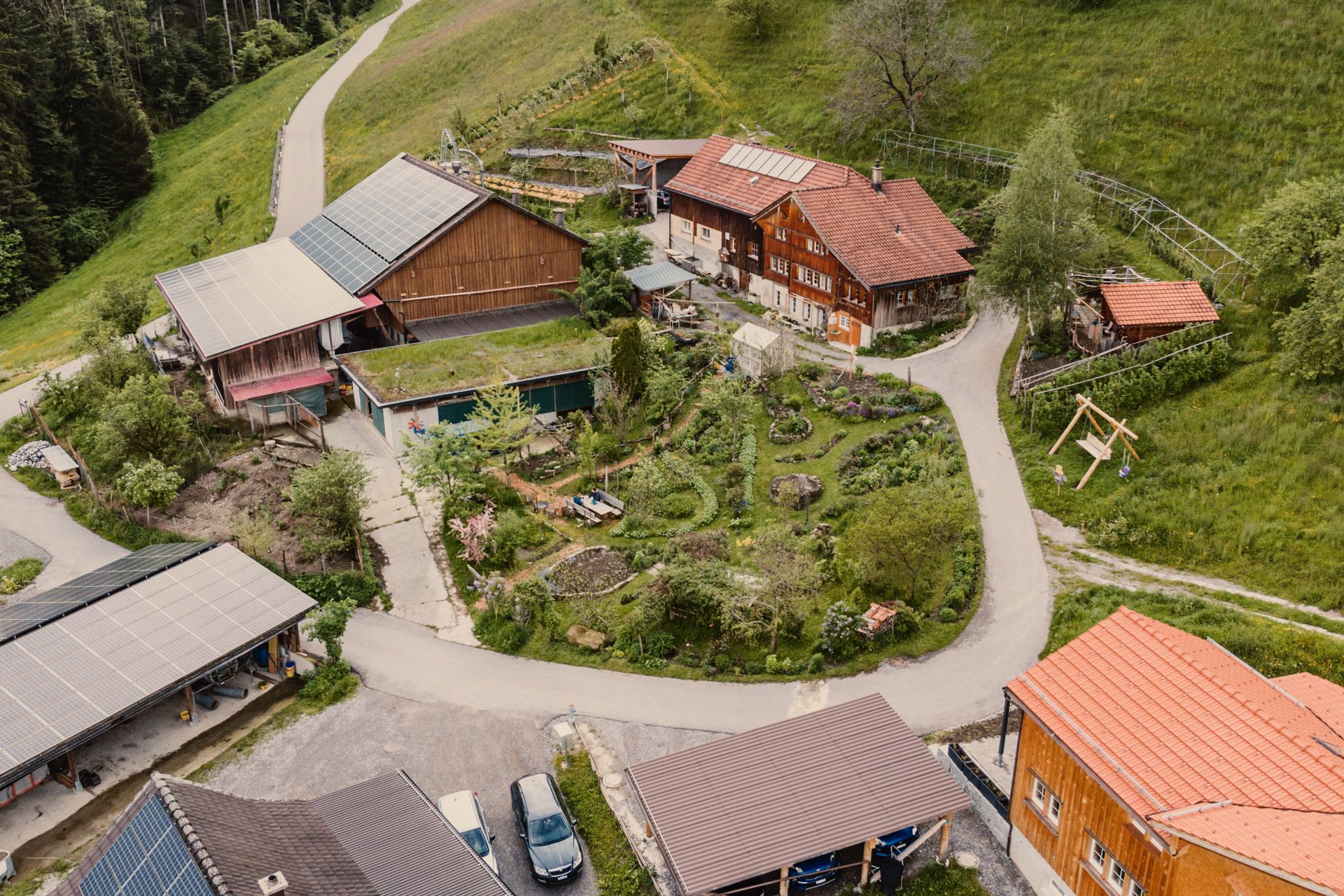
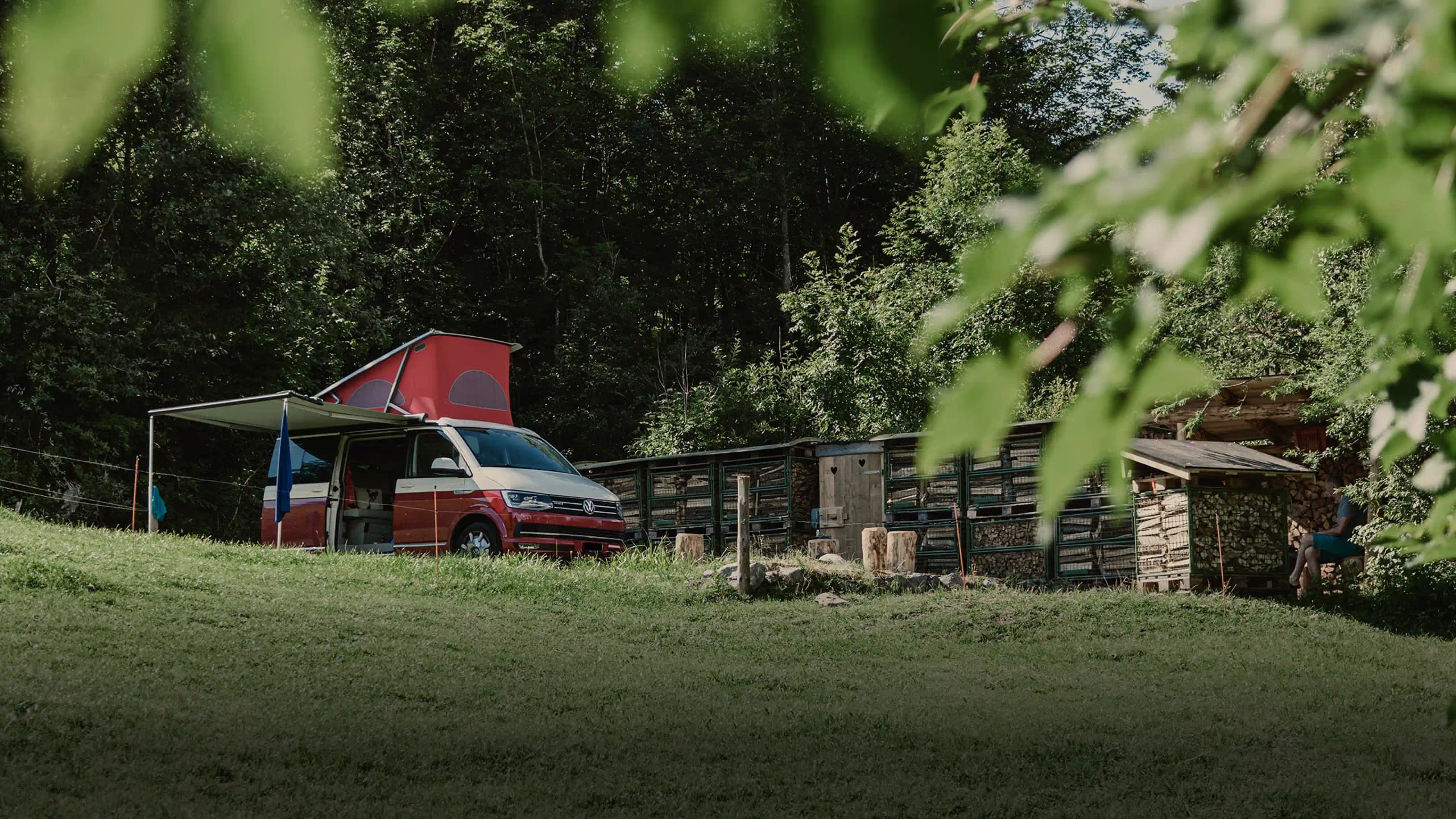
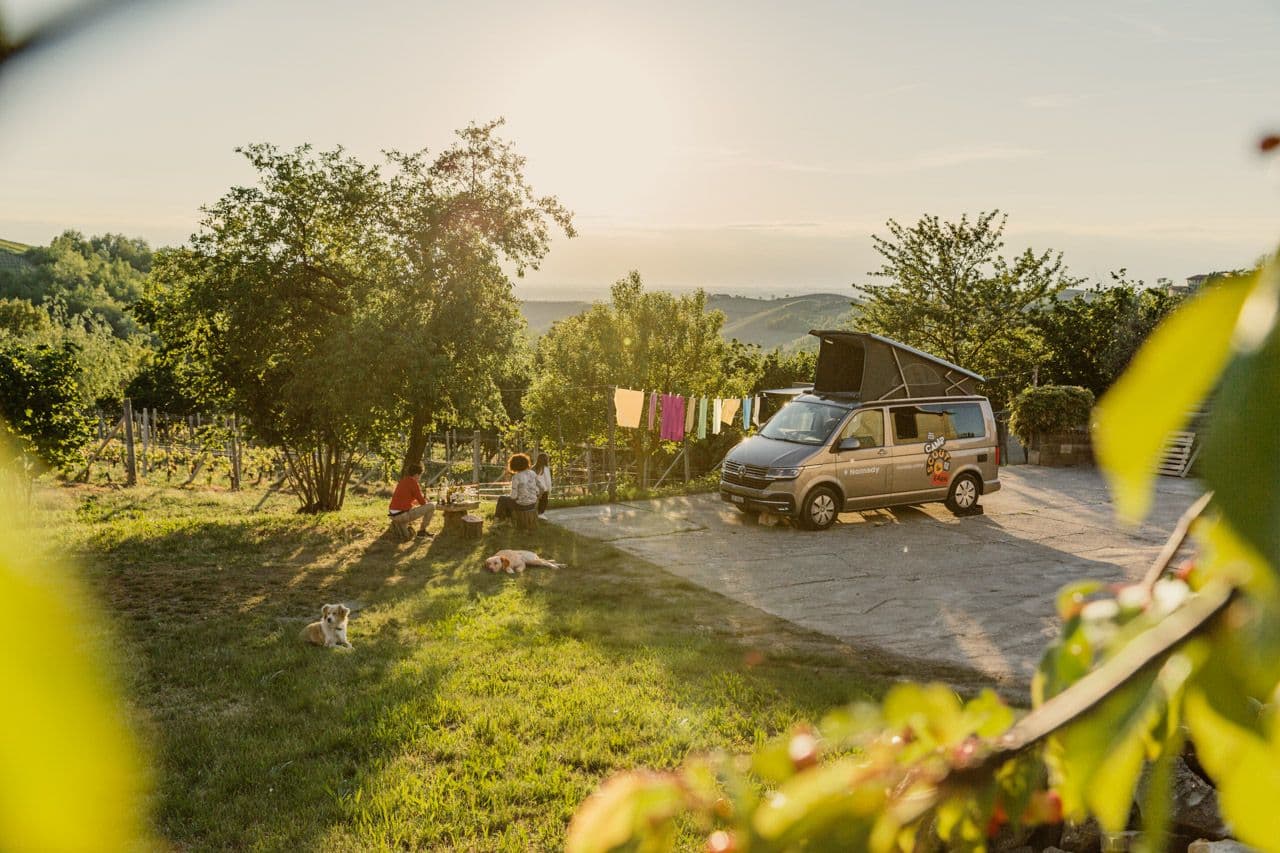
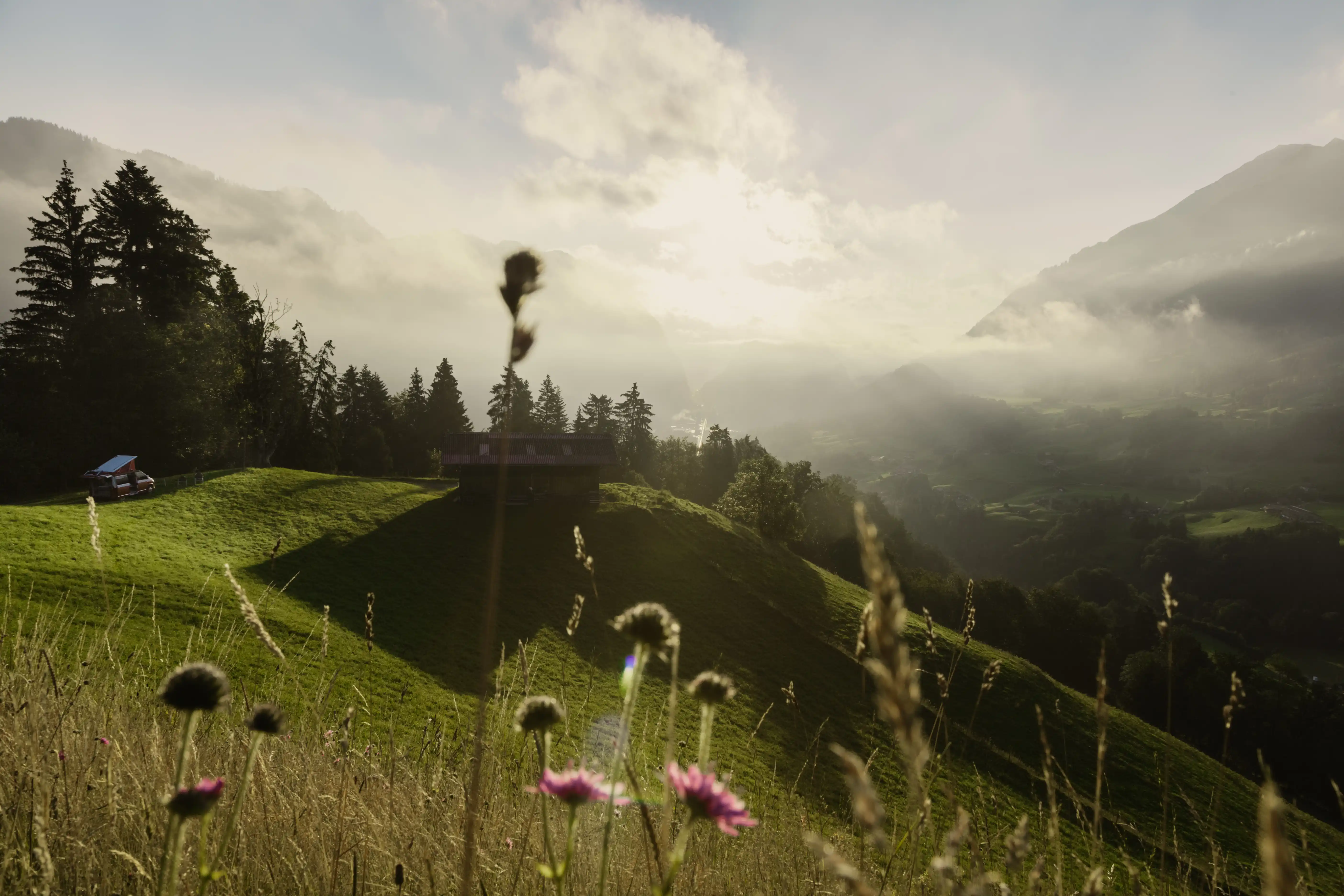
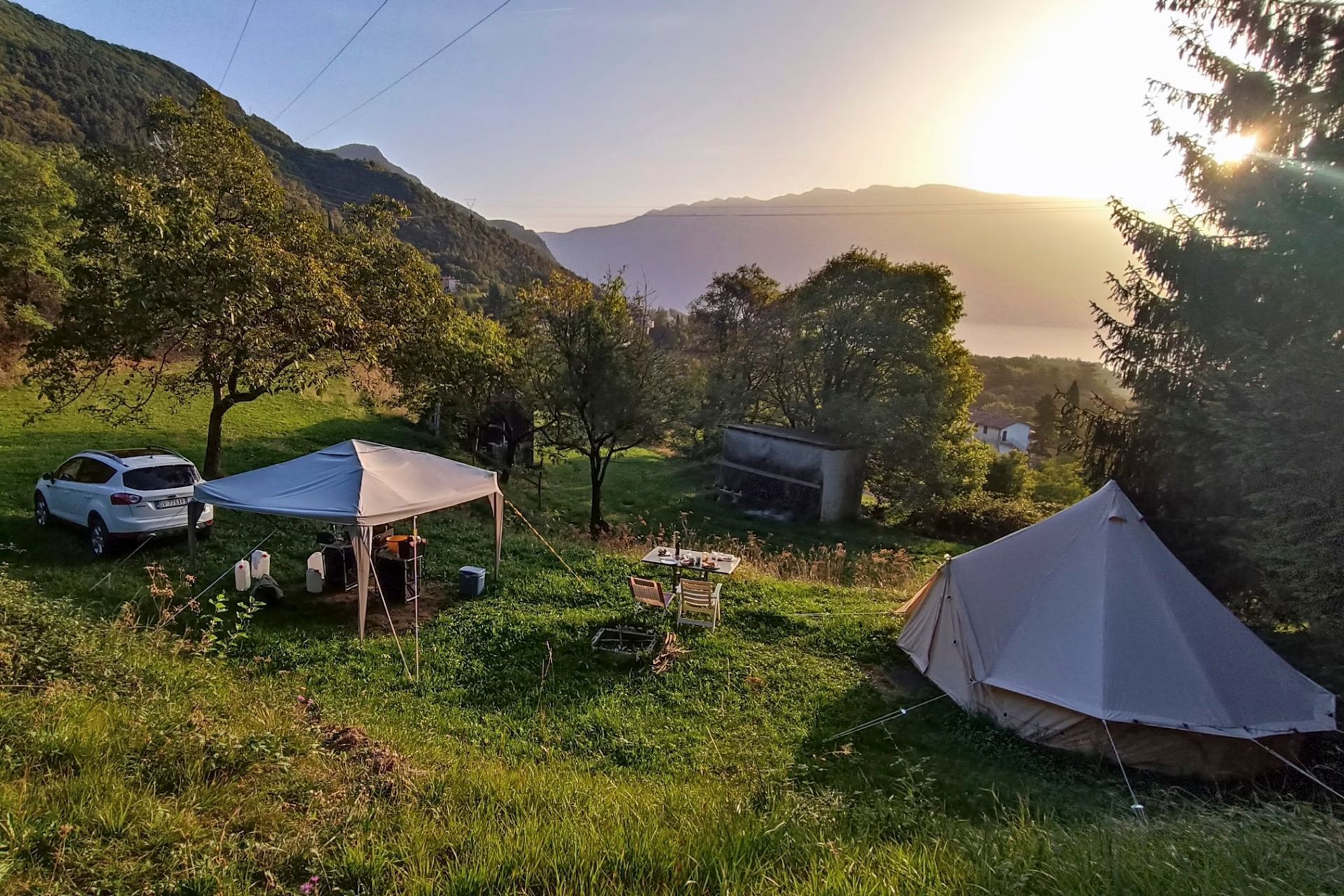
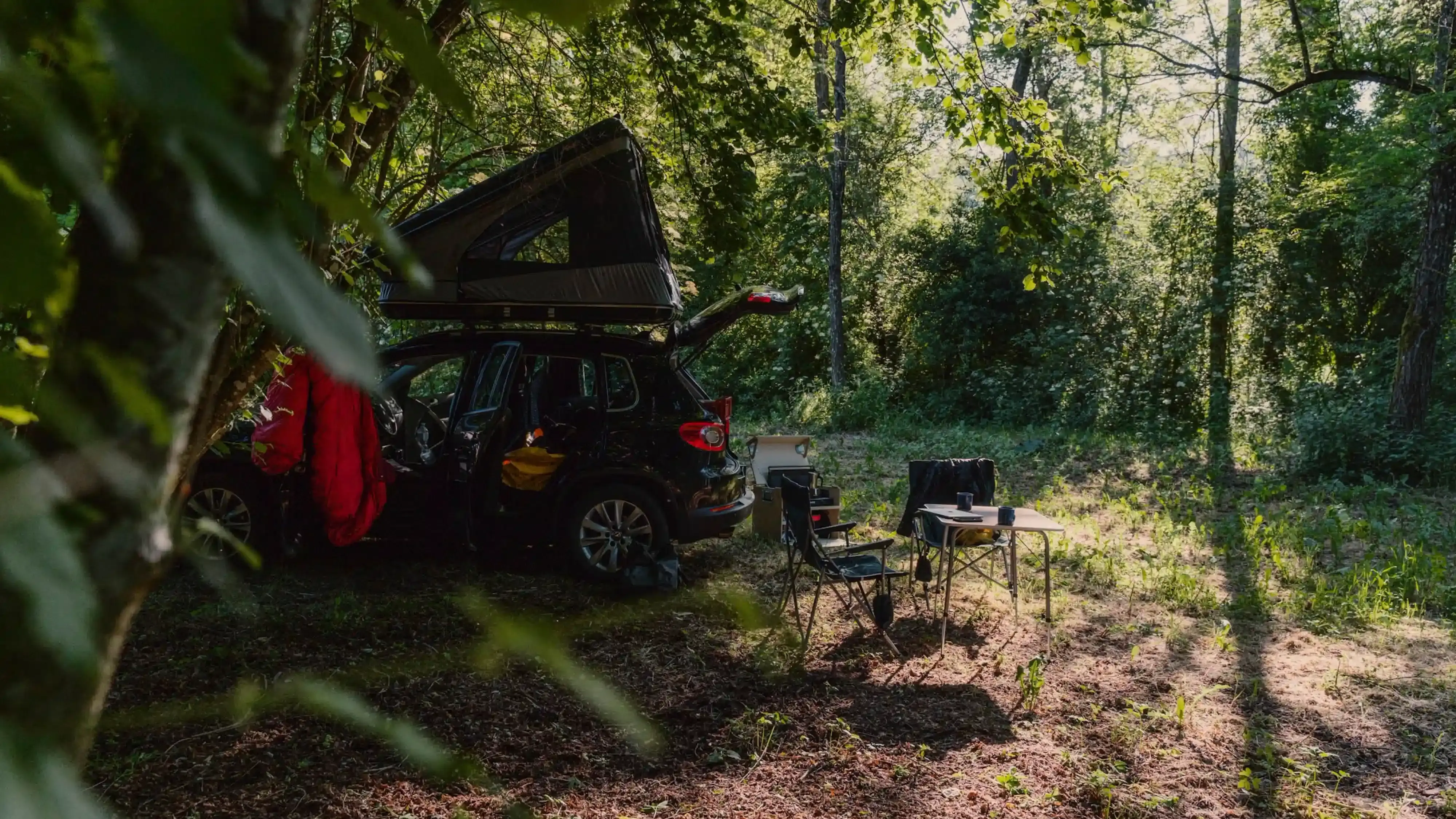
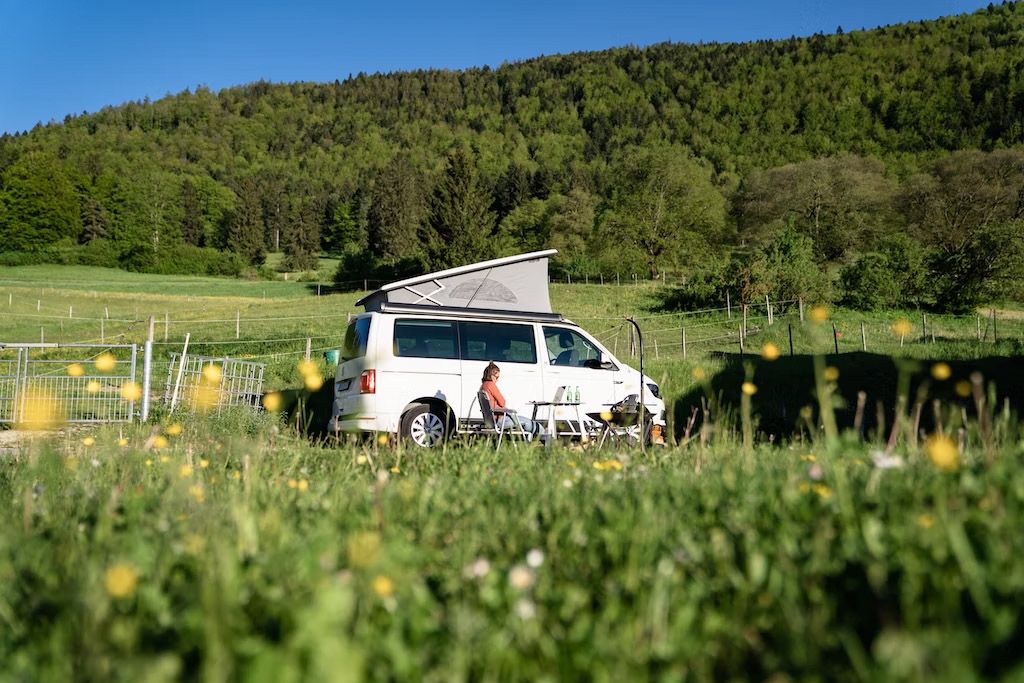
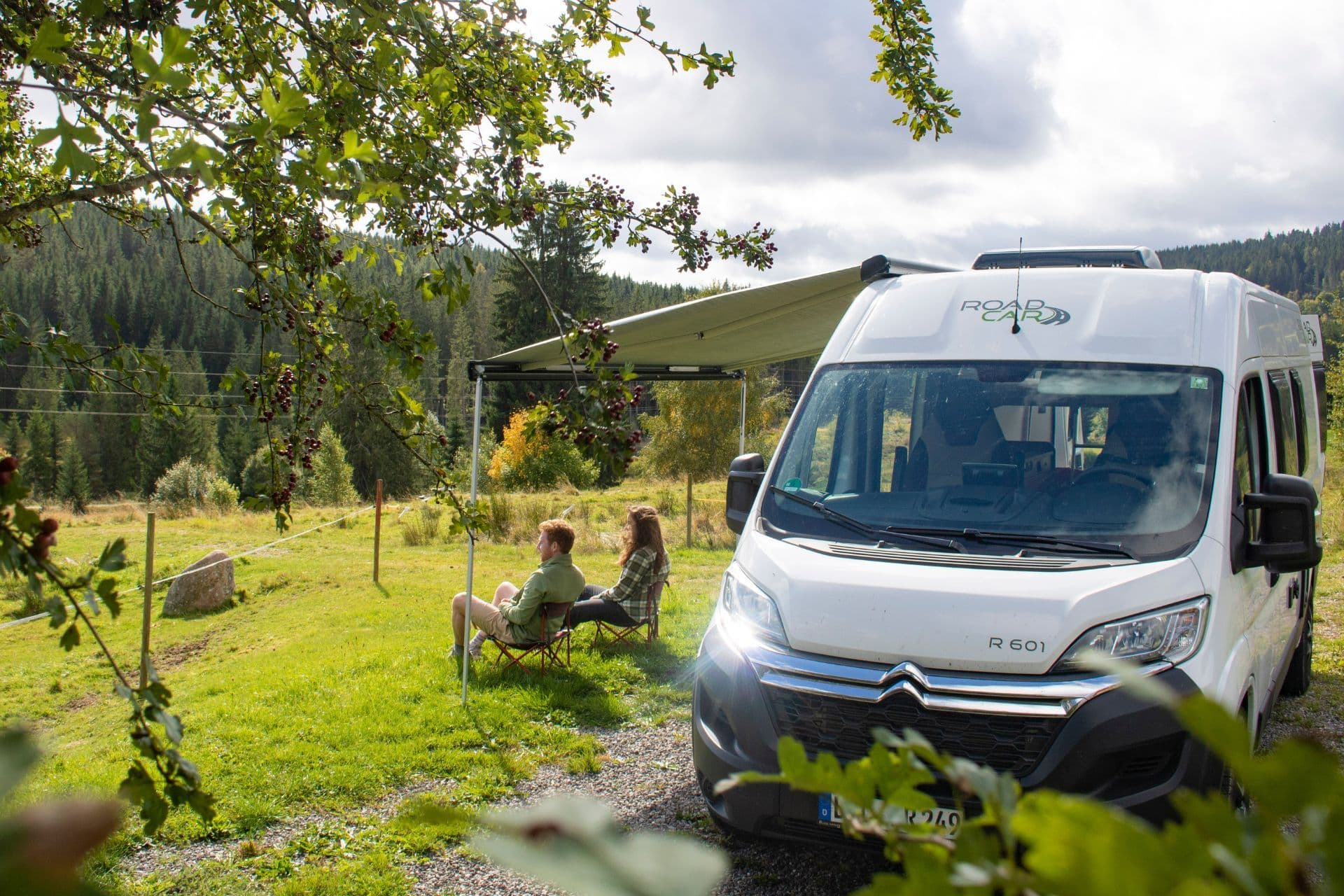
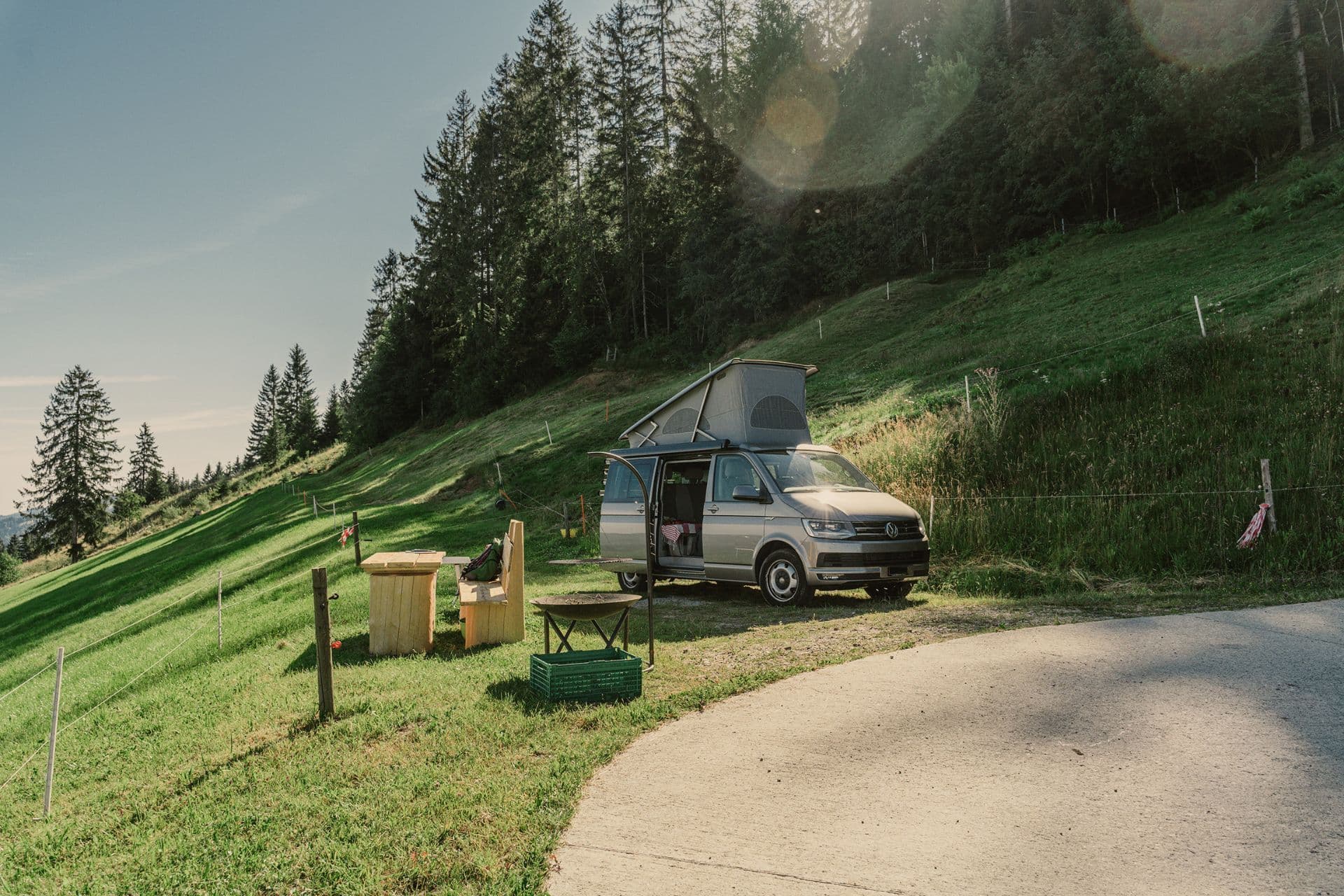
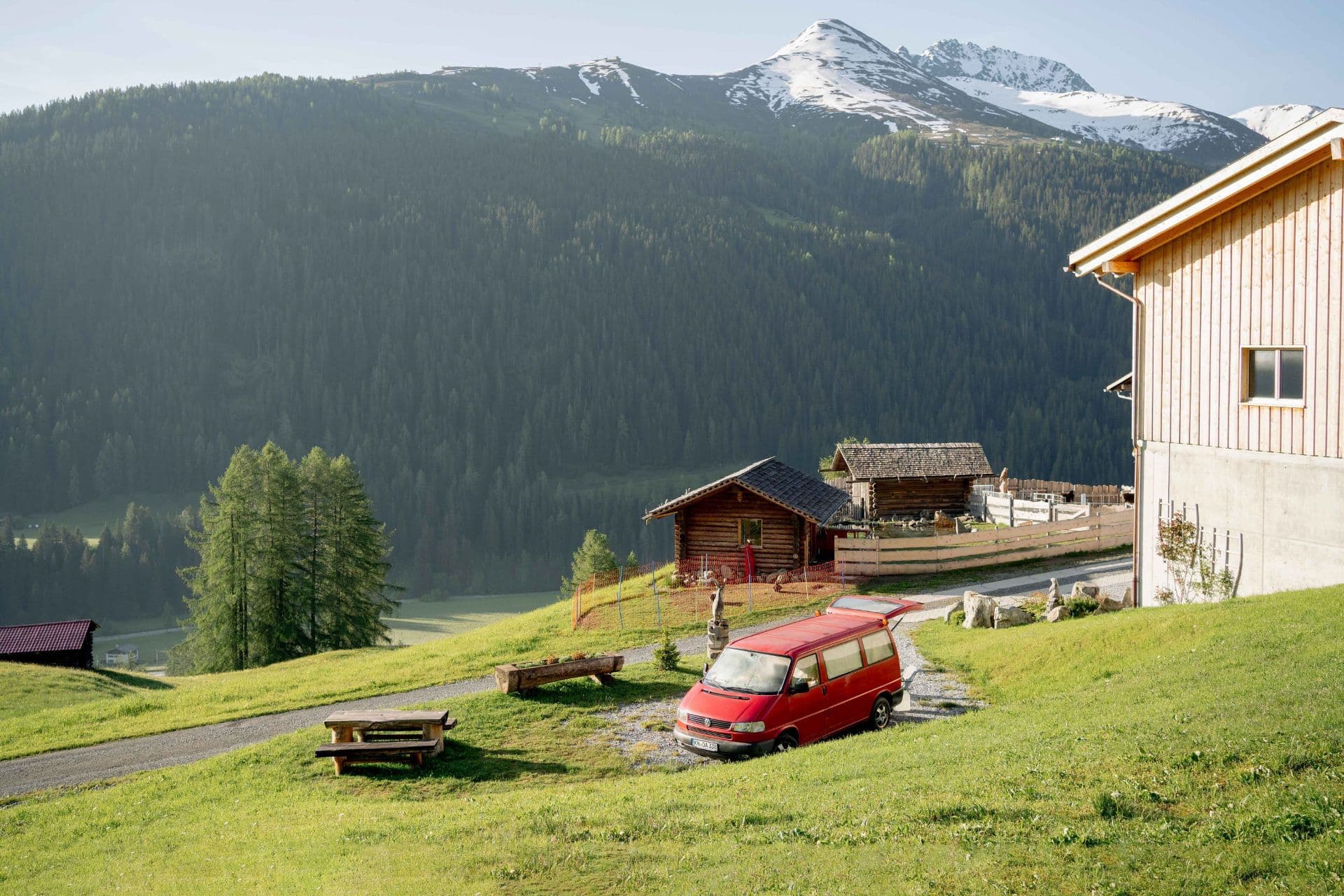
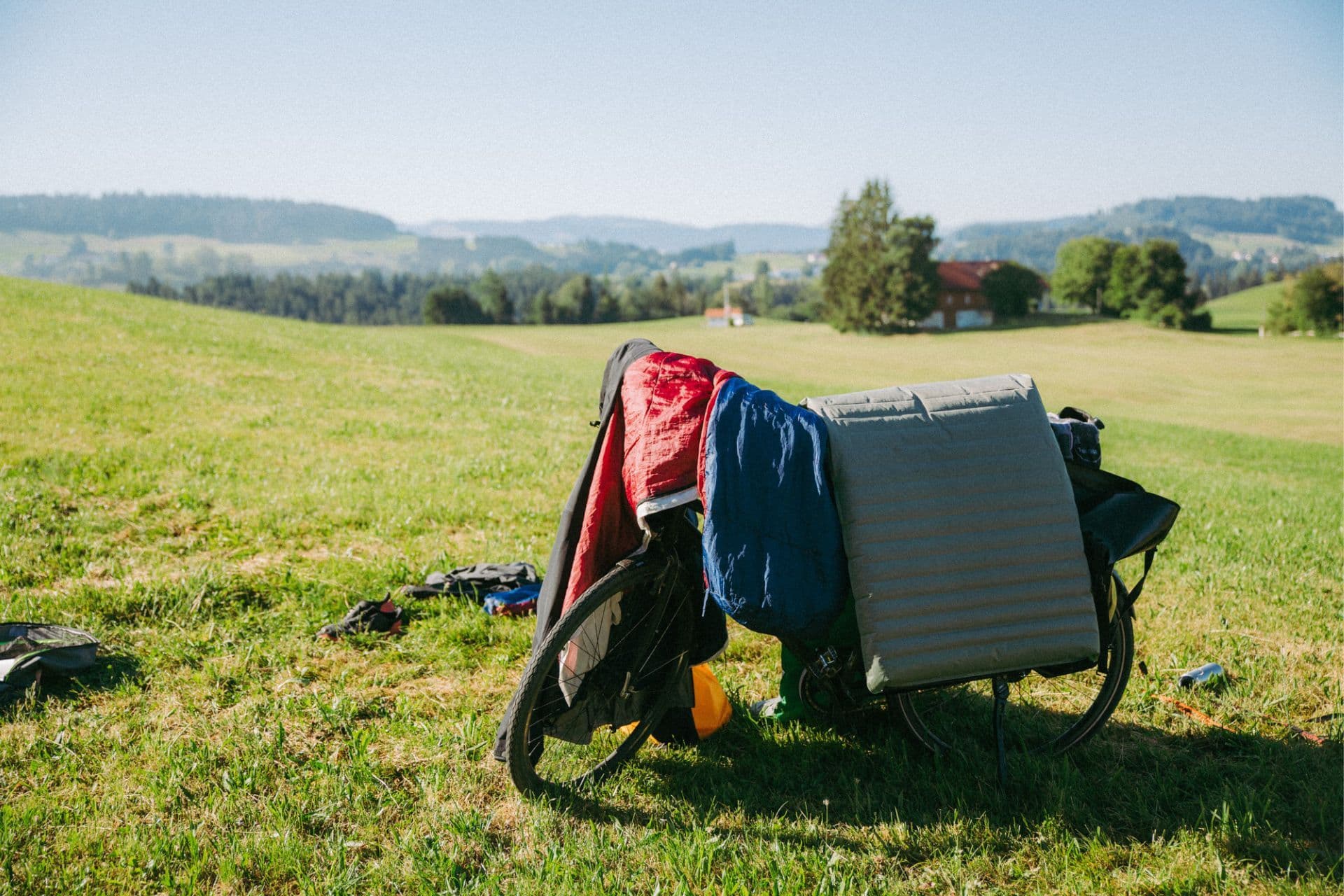
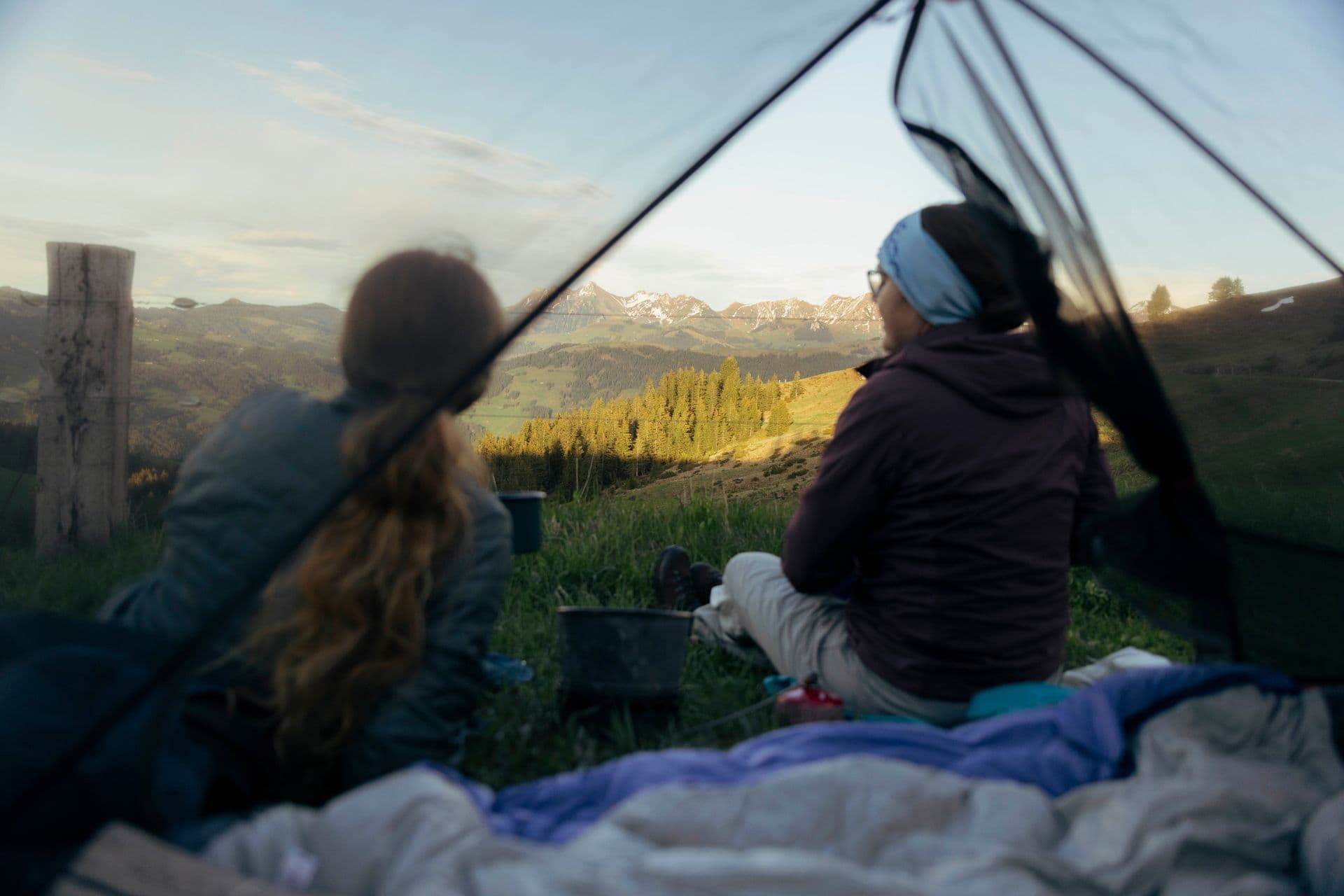
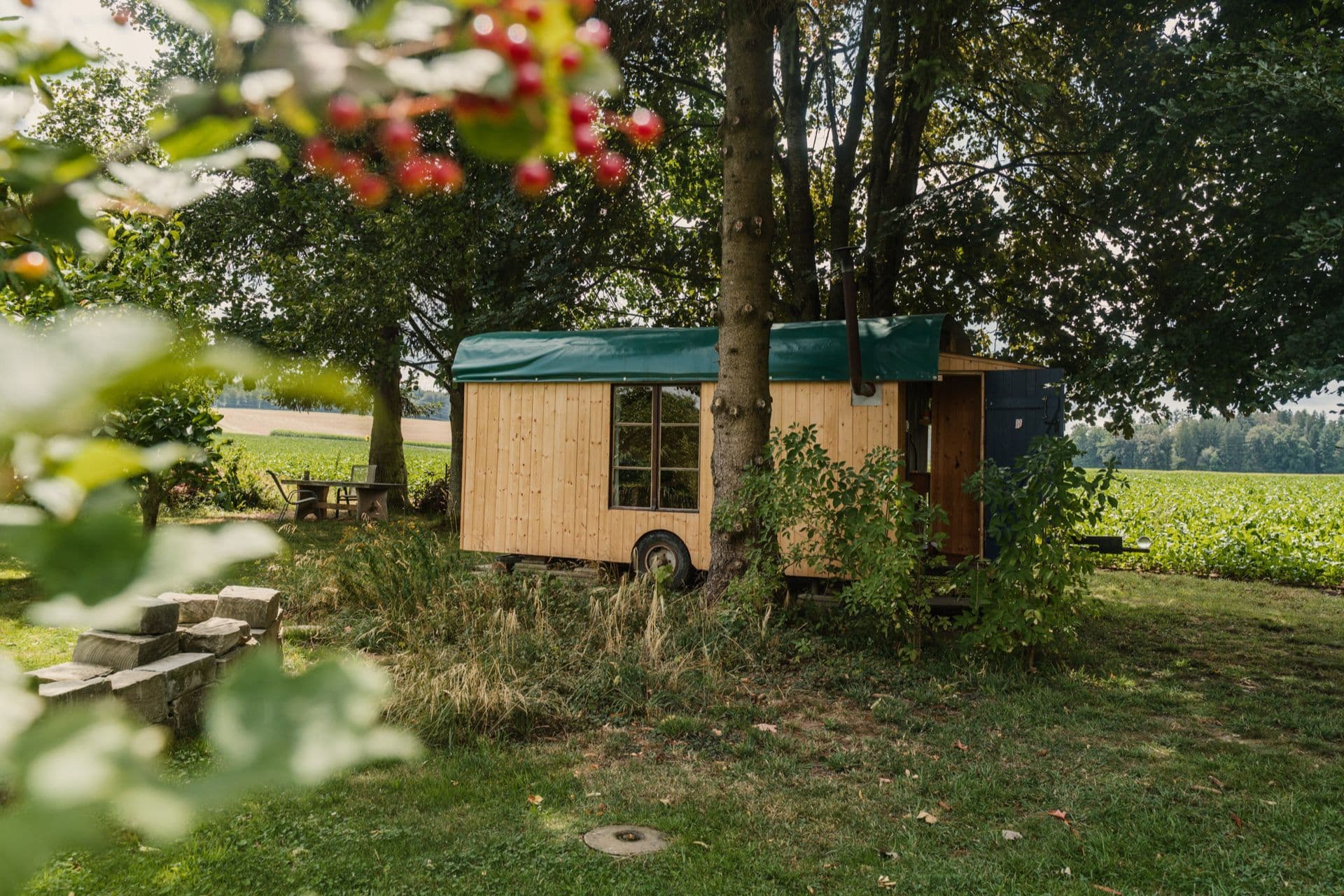
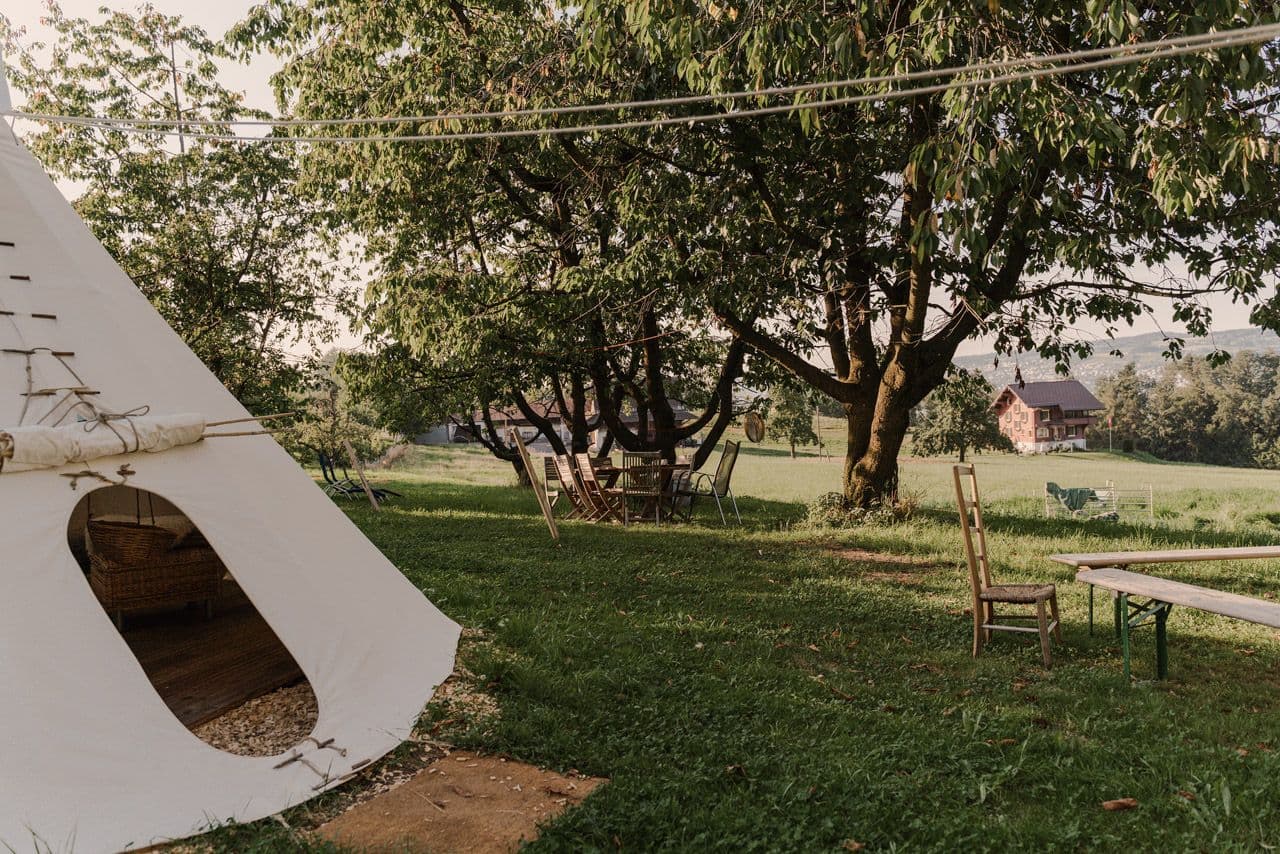
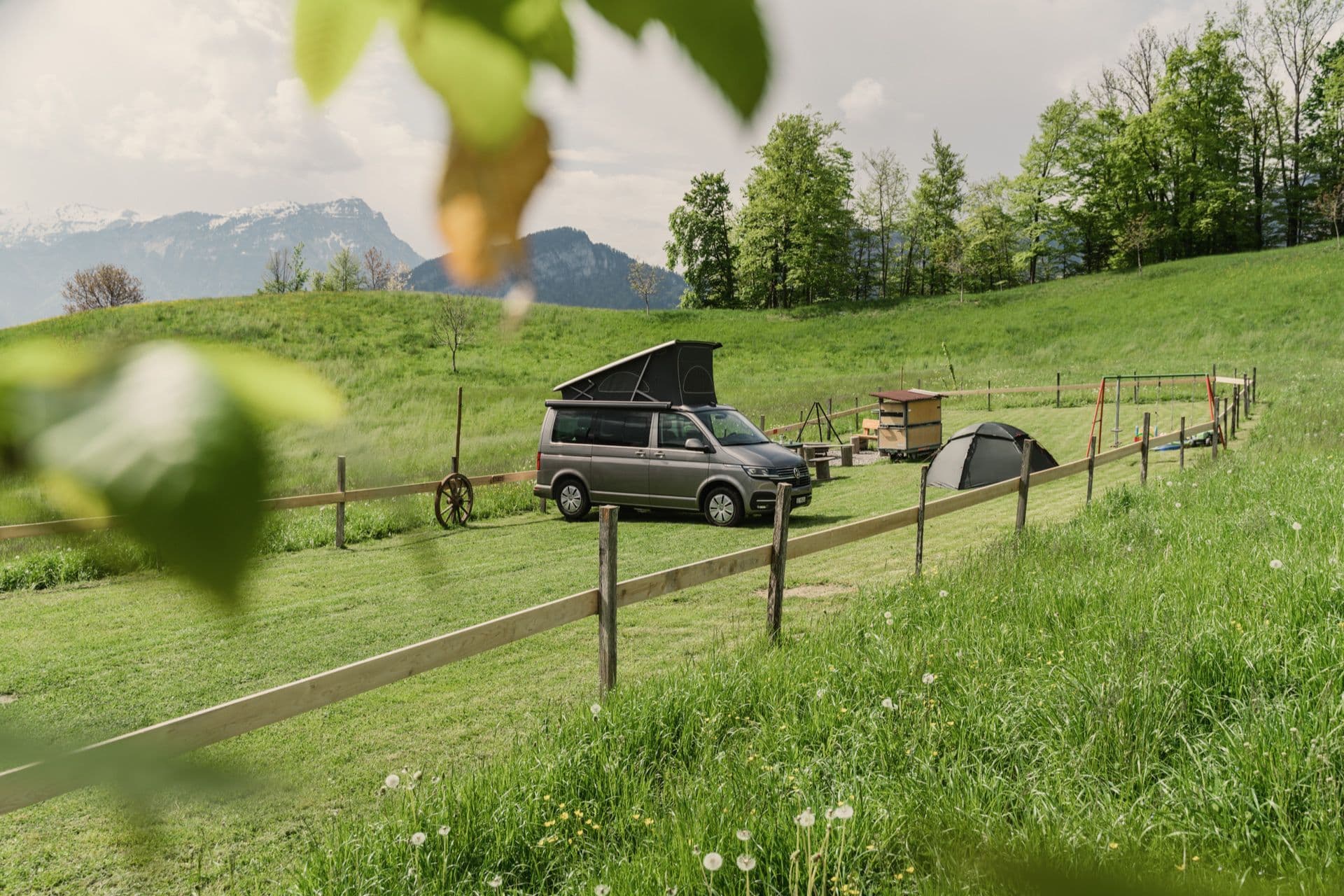
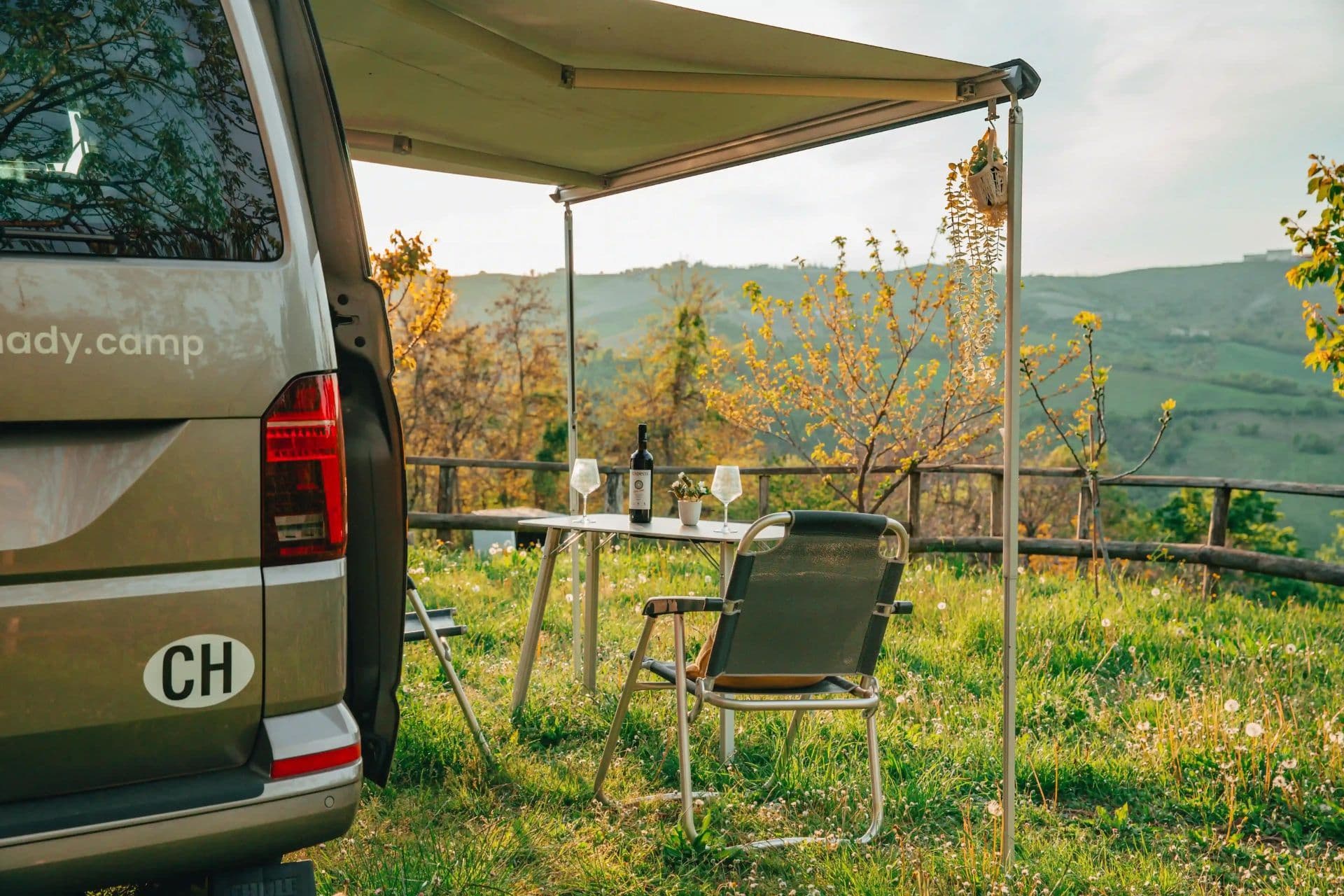
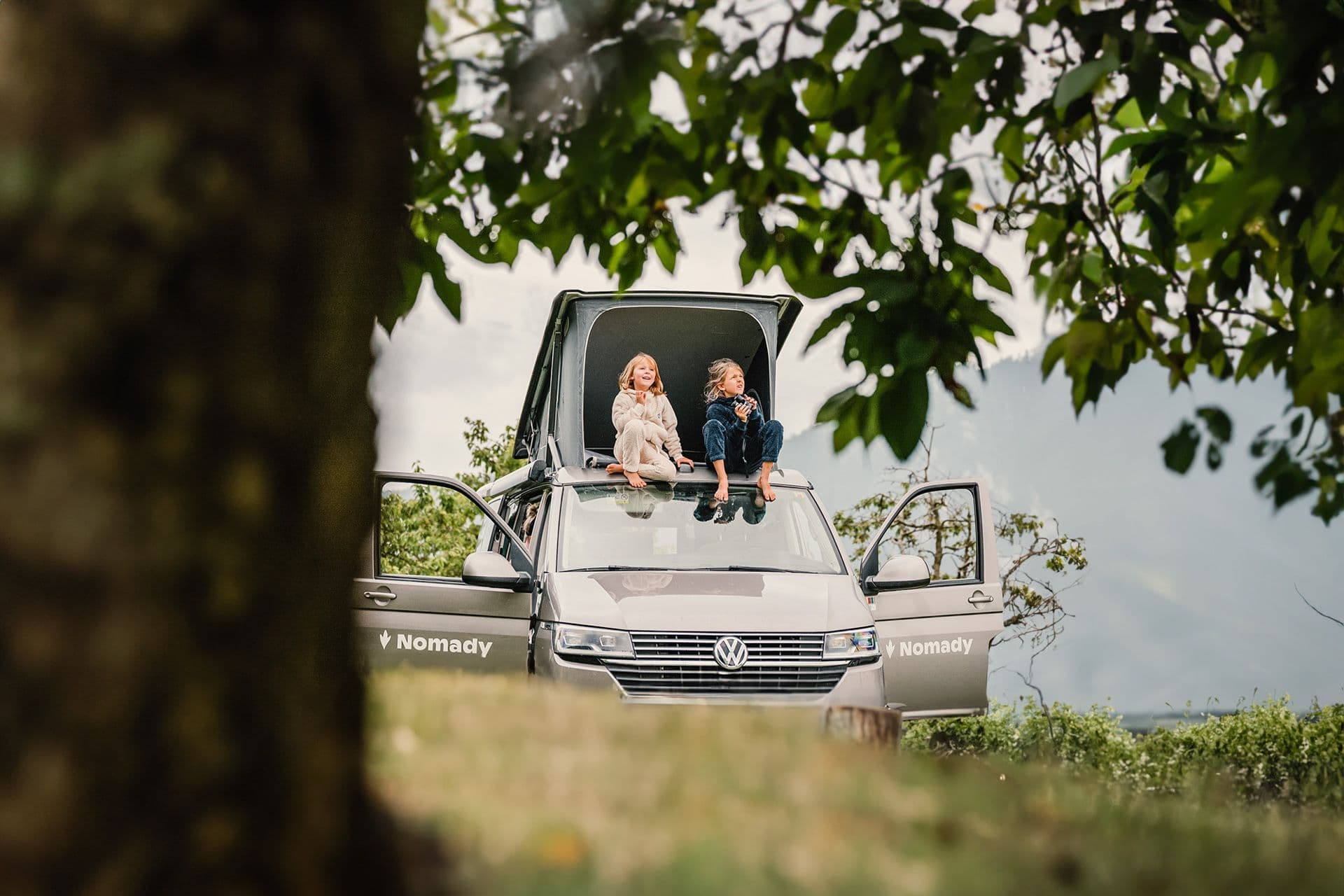
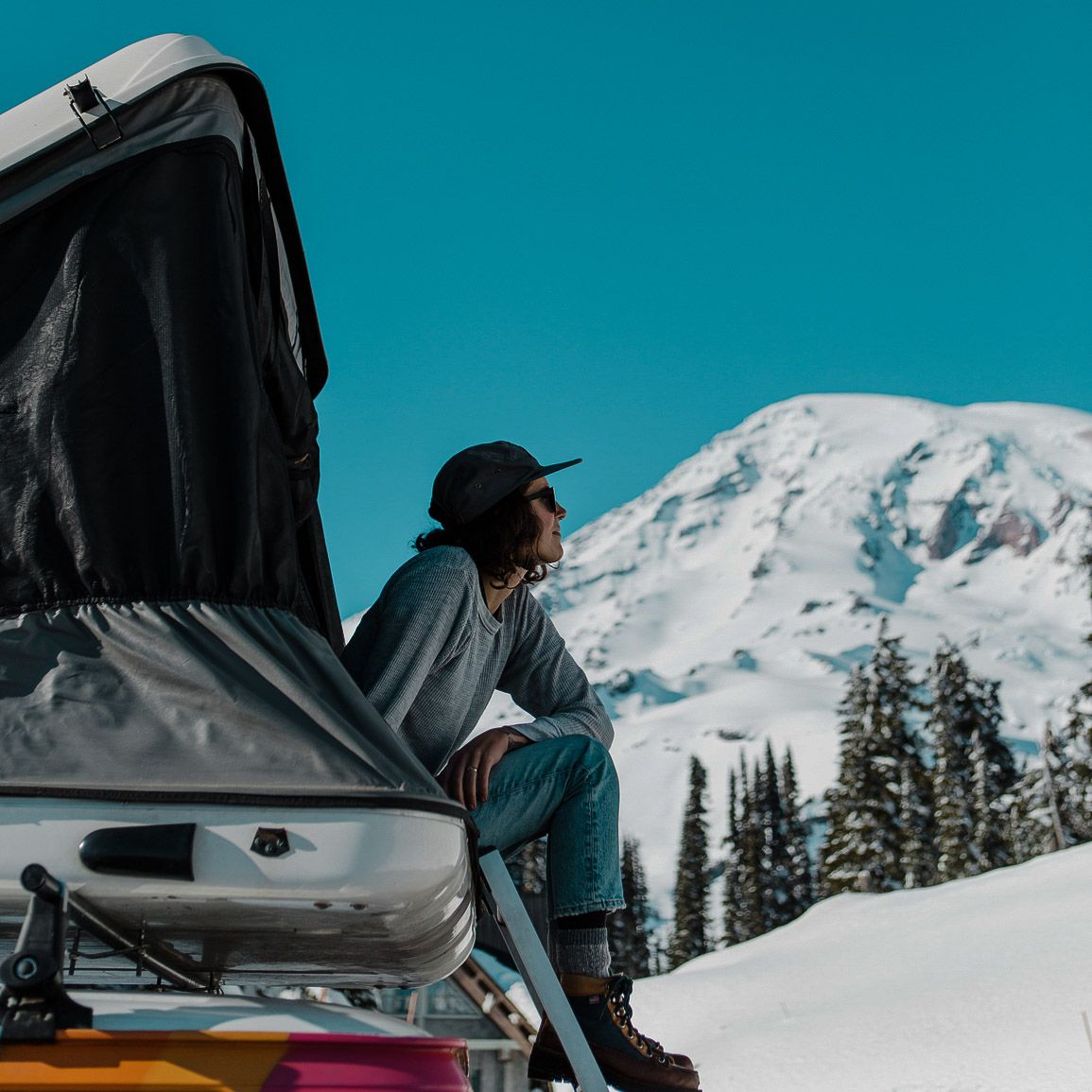
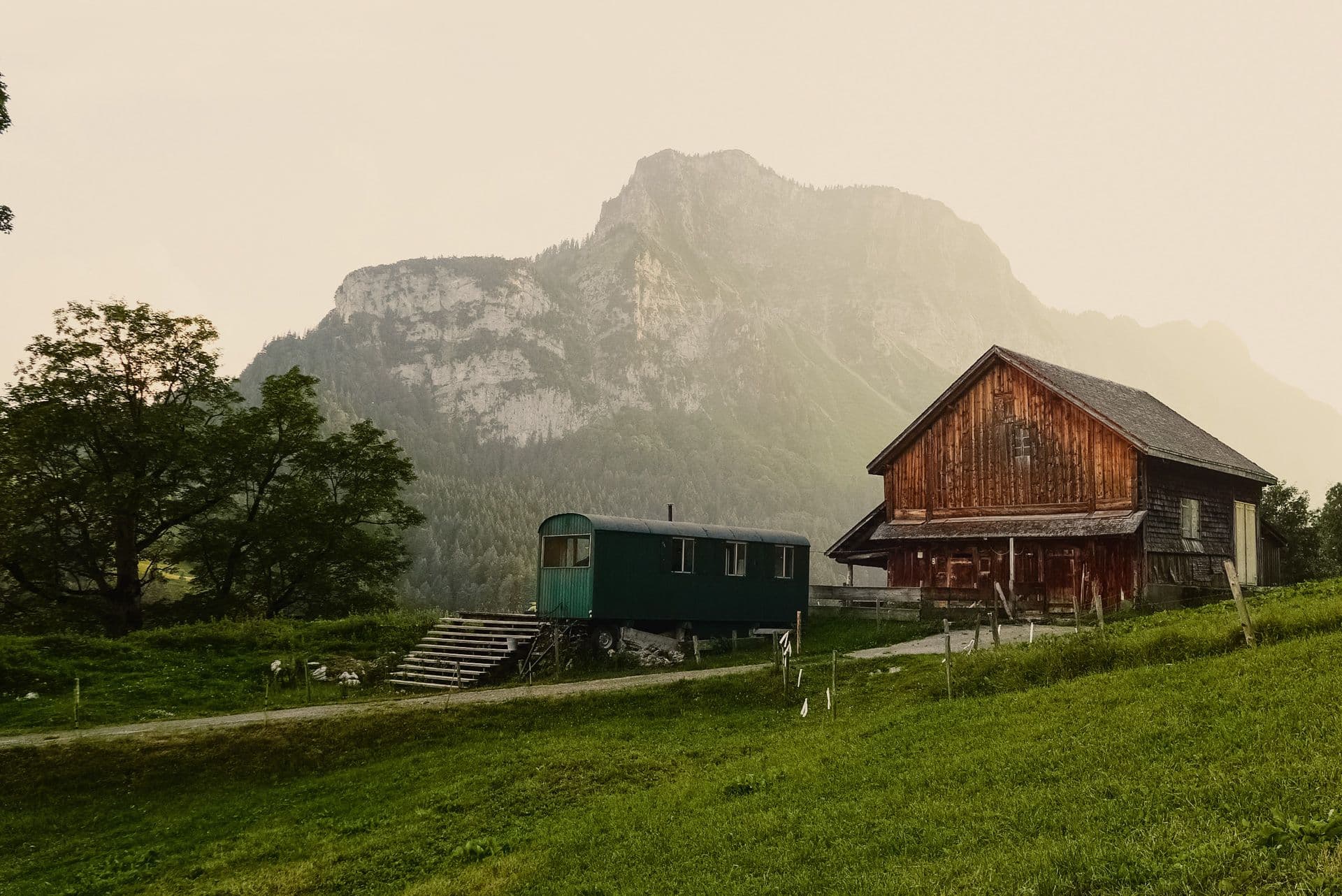
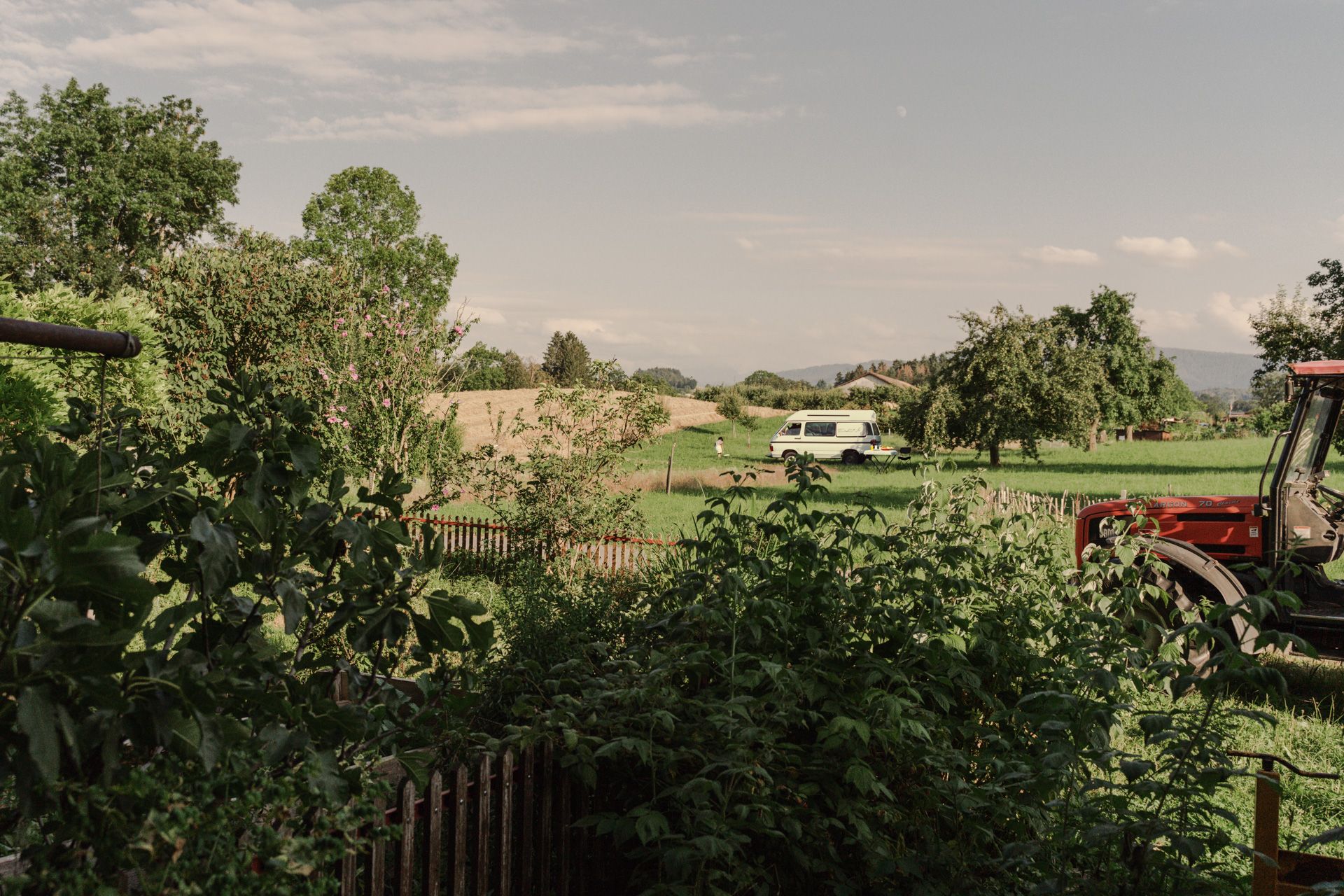
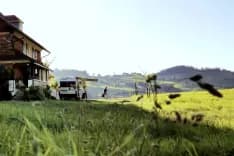
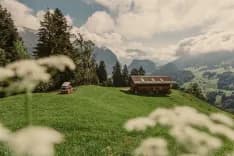
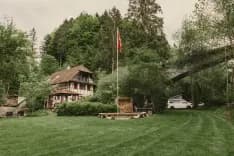
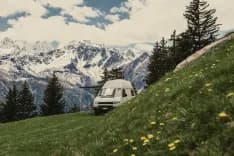
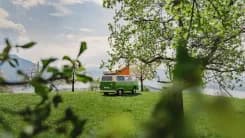
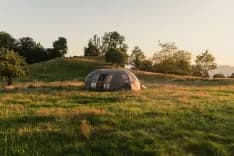
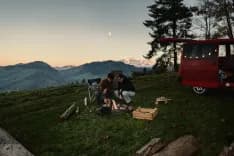
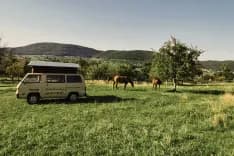
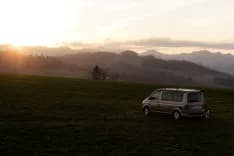
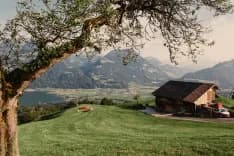
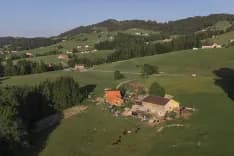
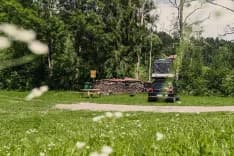
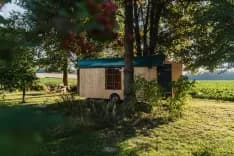
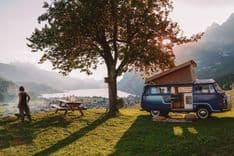
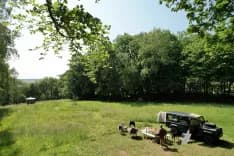
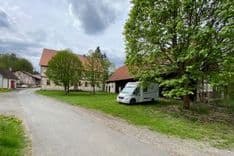
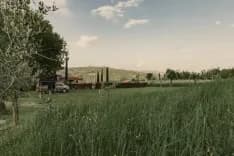
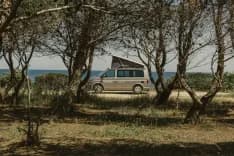
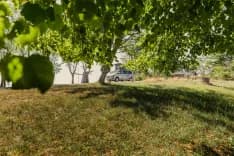
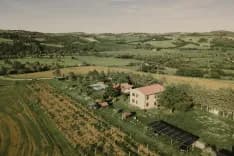
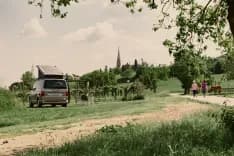
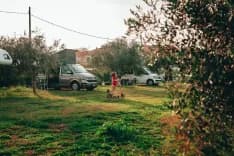
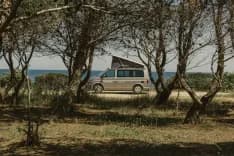
The good news: you don't need an overnight stay right by the lake for any of these spots. Lake Schrecksee is a day hike, as is the Königsbach Waterfall. What you need is a legal pitch in the valley from where you can head out early in the morning. For Lake Schrecksee and the Hinterstein Valley, the Oberallgäu is ideal—such as the Quiet meadow driveway by the stream in Rettenberg or the Alte Reserve in Haldenwang. For Lake Eibsee and the Zugspitze region, the Idyllic pitch in the Oberland in Grafenaschau is well located. For Lake Oeschinensee, head into the Kander Valley to the Swiss Mountain Experience in Frutigen or Camp Niesenweg in Reichenbach. In the end, the difference compared to bivouacking right at the lake is smaller than it sounds. You still wake up outdoors, you still have mountain peaks right in front of you. The only difference: nobody will be waking you up and kicking you out of your tent in the middle of the night.

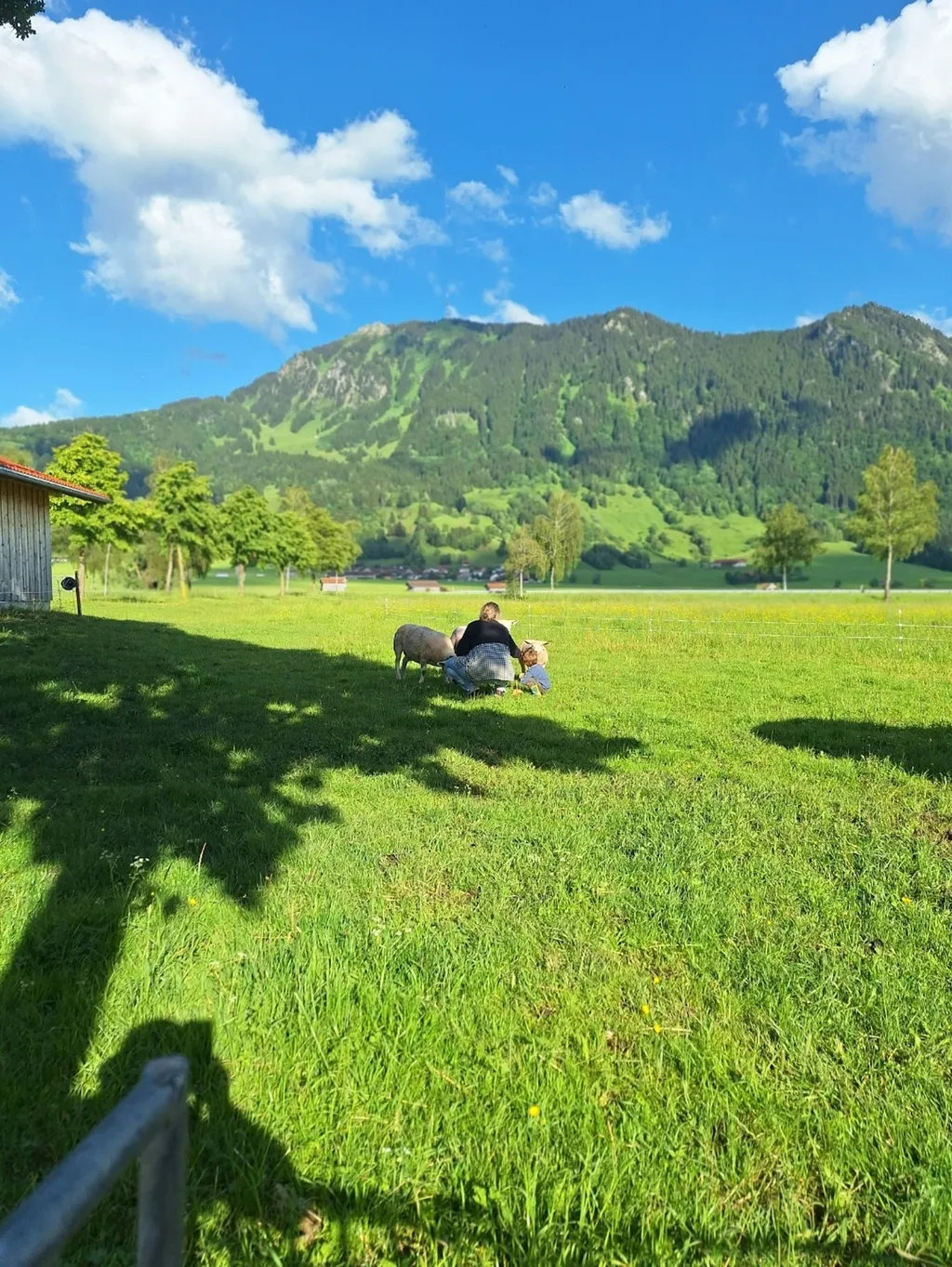
Key rules to keep in mind:

No noise, leave no trace
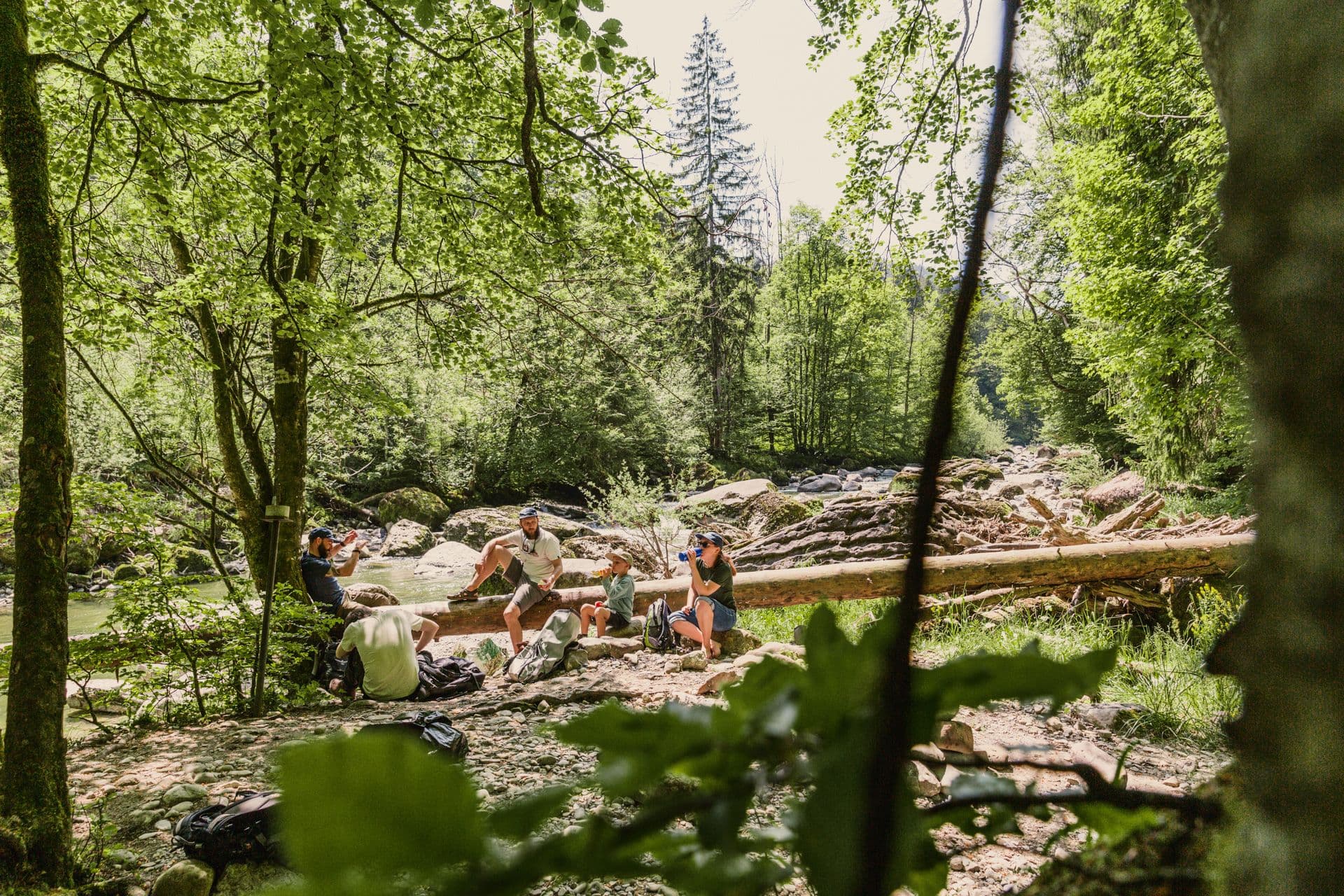
Respect other people's privacy and observe quiet hours at night. Wildlife also has a right to an undisturbed night's sleep. Avoid noise and disturbances, and leave your pitch spotless.

Washing up and showering
Do not do your dishes directly in natural bodies of water, and do not pour wastewater into them. Use biodegradable dish soap and toothpaste. Washing yourself in a stream or river is allowed, but your body wash should be eco-friendly or left out altogether. Several Nomady camps provide sanitary facilities.

When nature calls
Only do your business outdoors when truly necessary, and never near bodies of water. Faecal bacteria can harm wildlife. Use a plastic bag to pack out your toilet paper, or burn it (never during wildfire risk periods) after burying your waste. True wild campers always carry a small trowel or use practical dry separating toilets.

Campfires
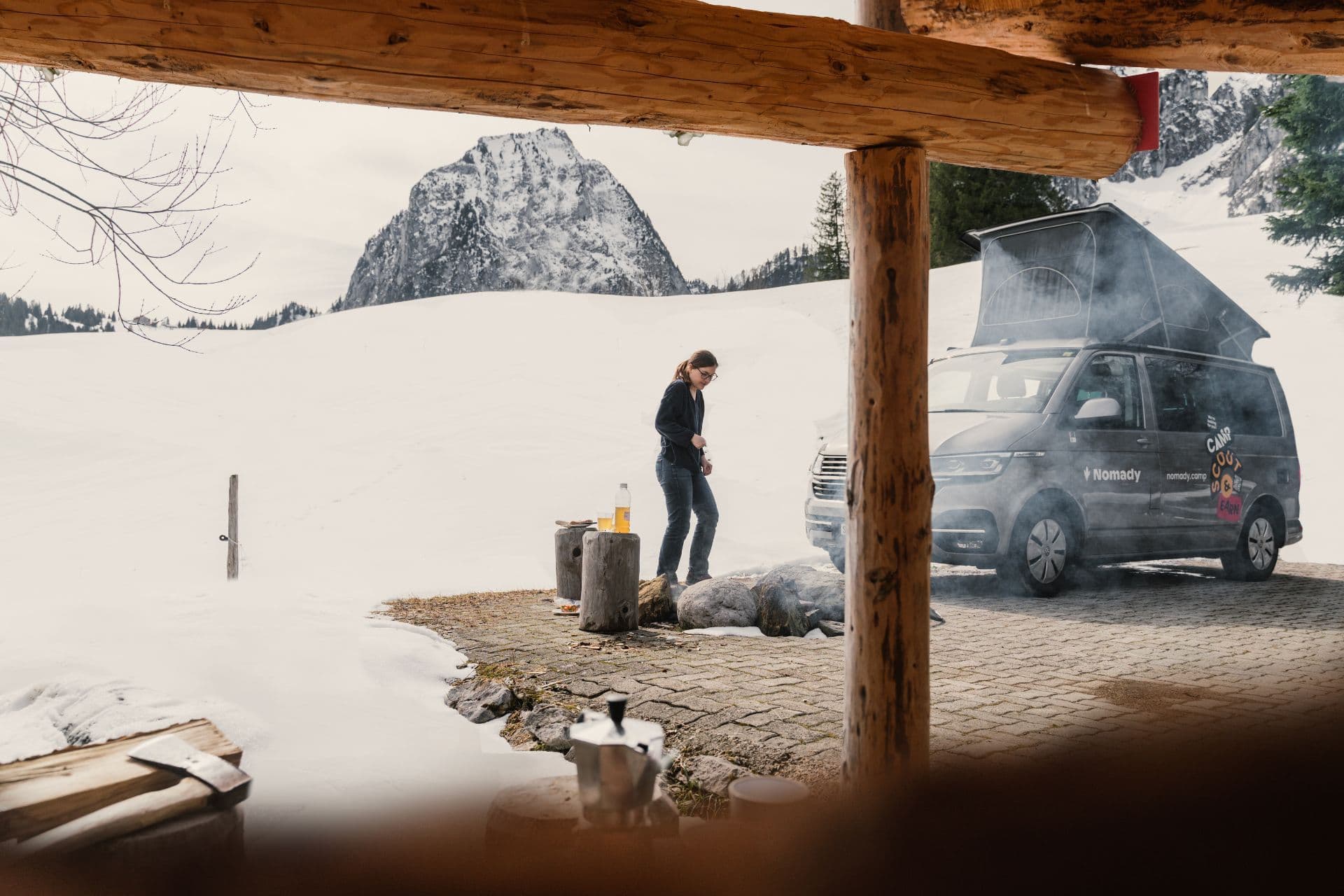
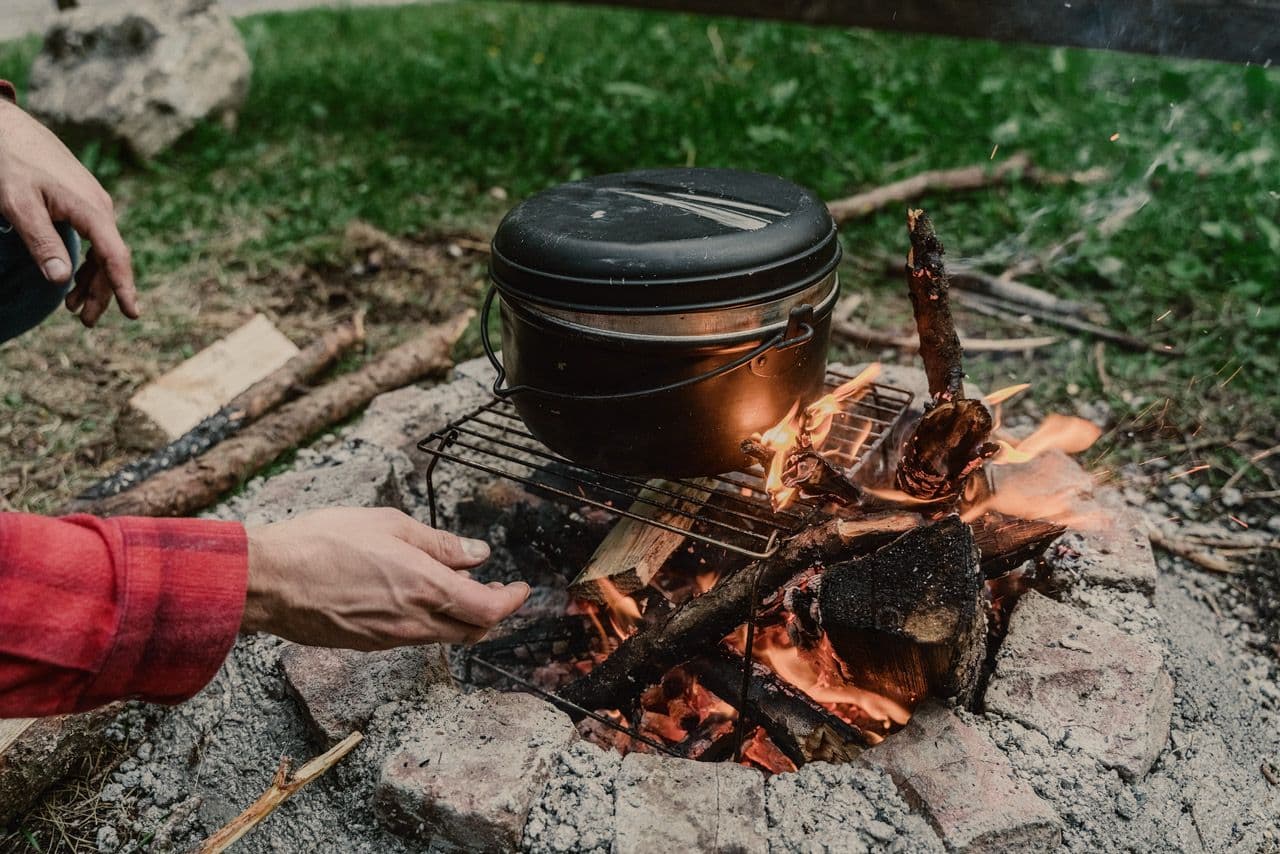
Lighting fires is prohibited in many areas, as smoke and flames frighten off wildlife. Always look out for relevant signage. In any case, exercise extreme caution when lighting a fire, stick to established fire rings, and check the current local wildfire hazard level.
Wild camping laws across Europe
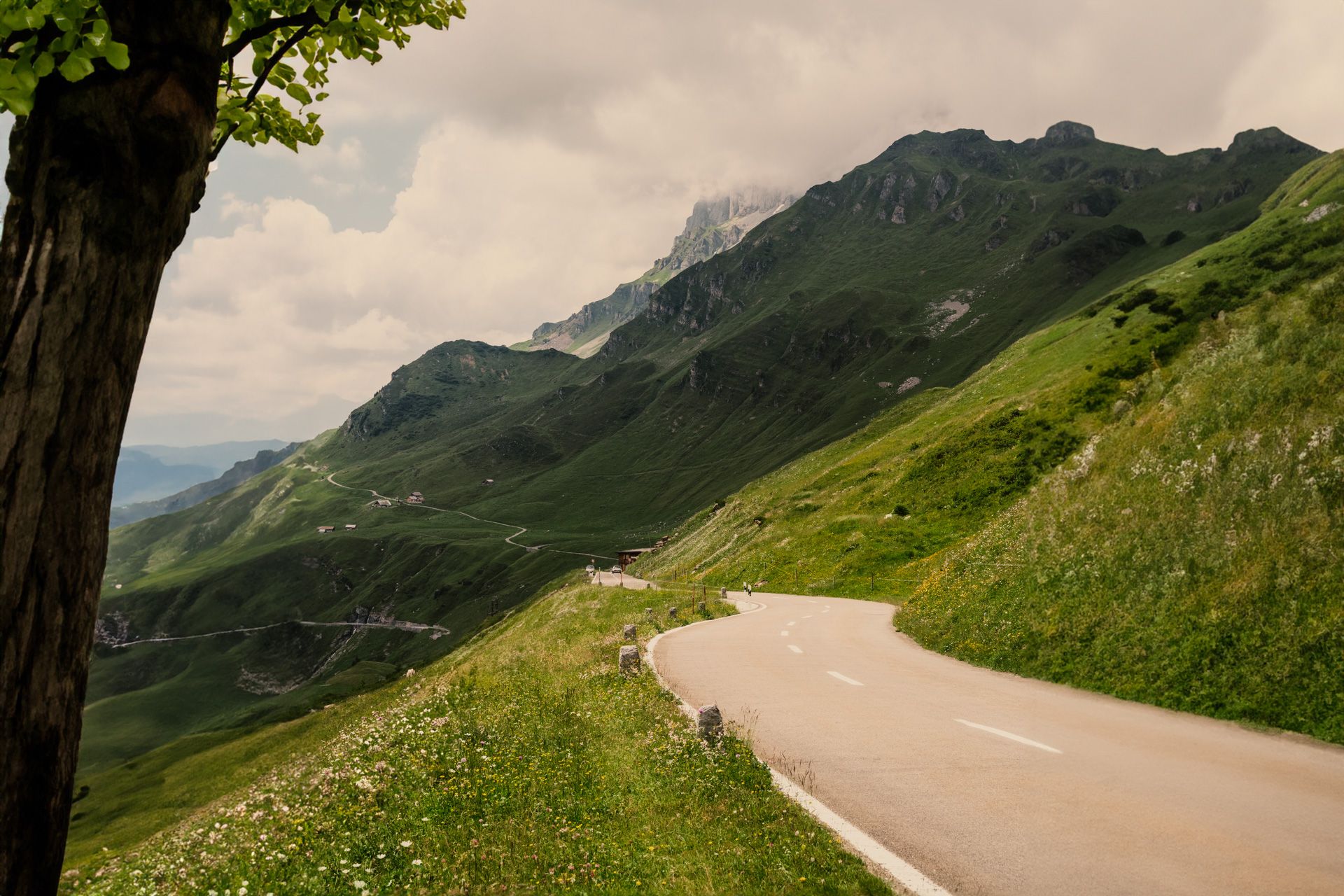
These five lakes are currently receiving particularly high levels of attention. Find out where wild camping is generally allowed, tolerated, or prohibited across Europe here: Wild camping in Europe
For Switzerland, specific cantonal regulations can be found here: Wild camping in Switzerland

All regions at a glance
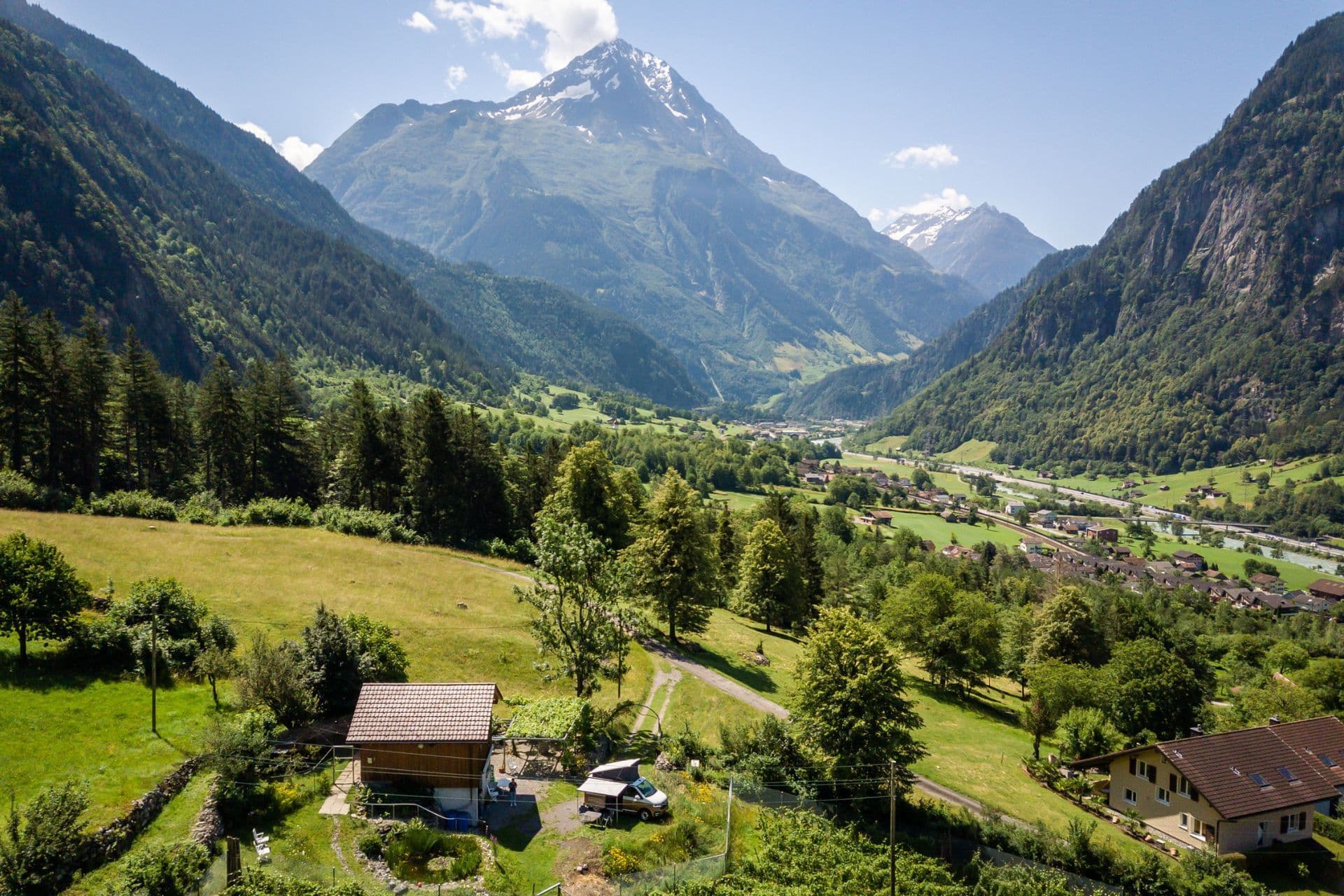
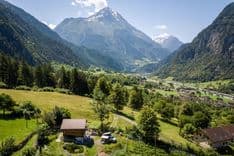
Switzerland



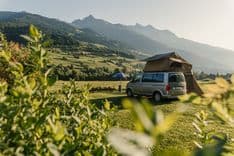
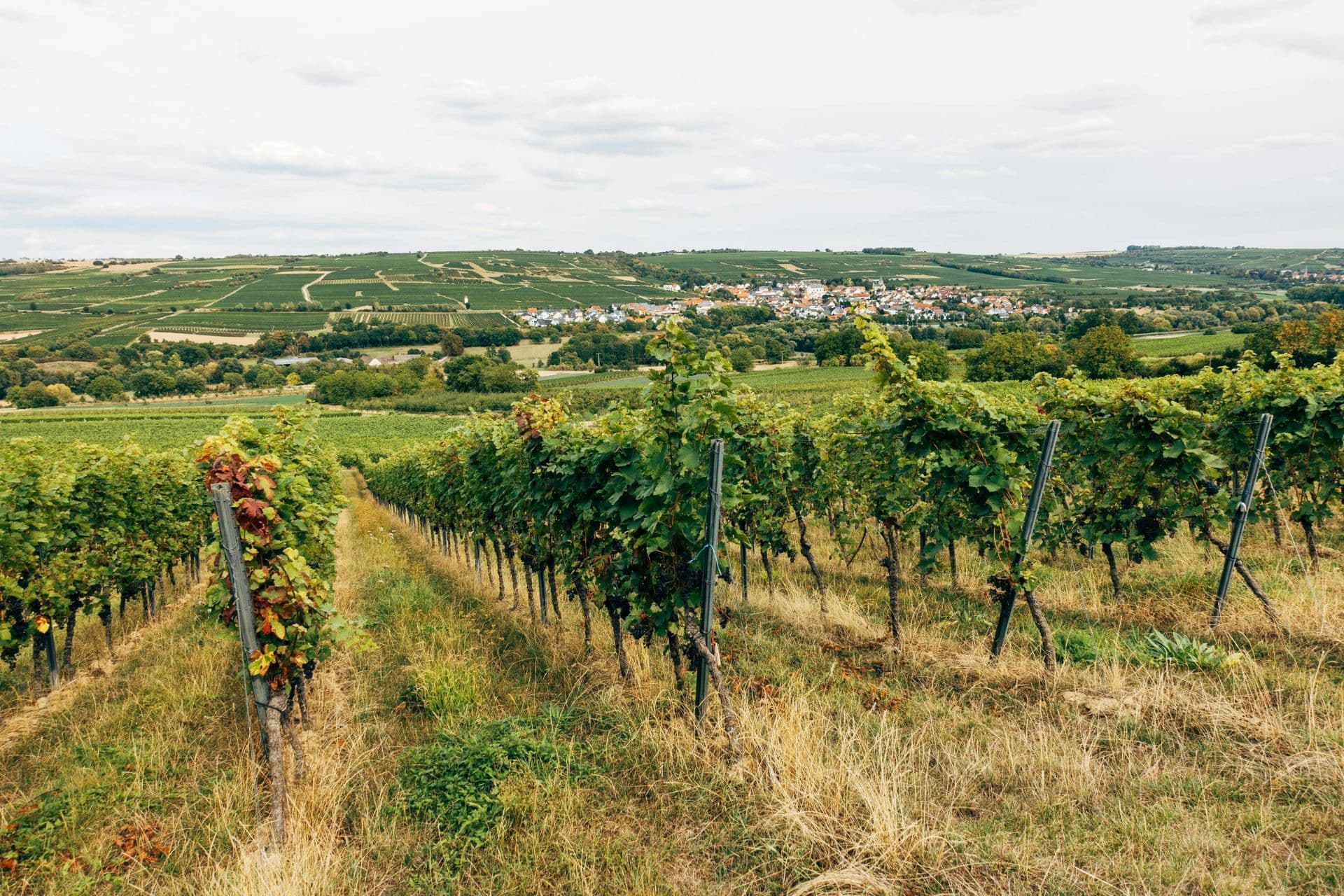
Germany
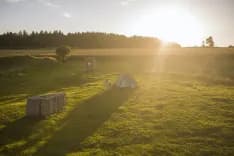








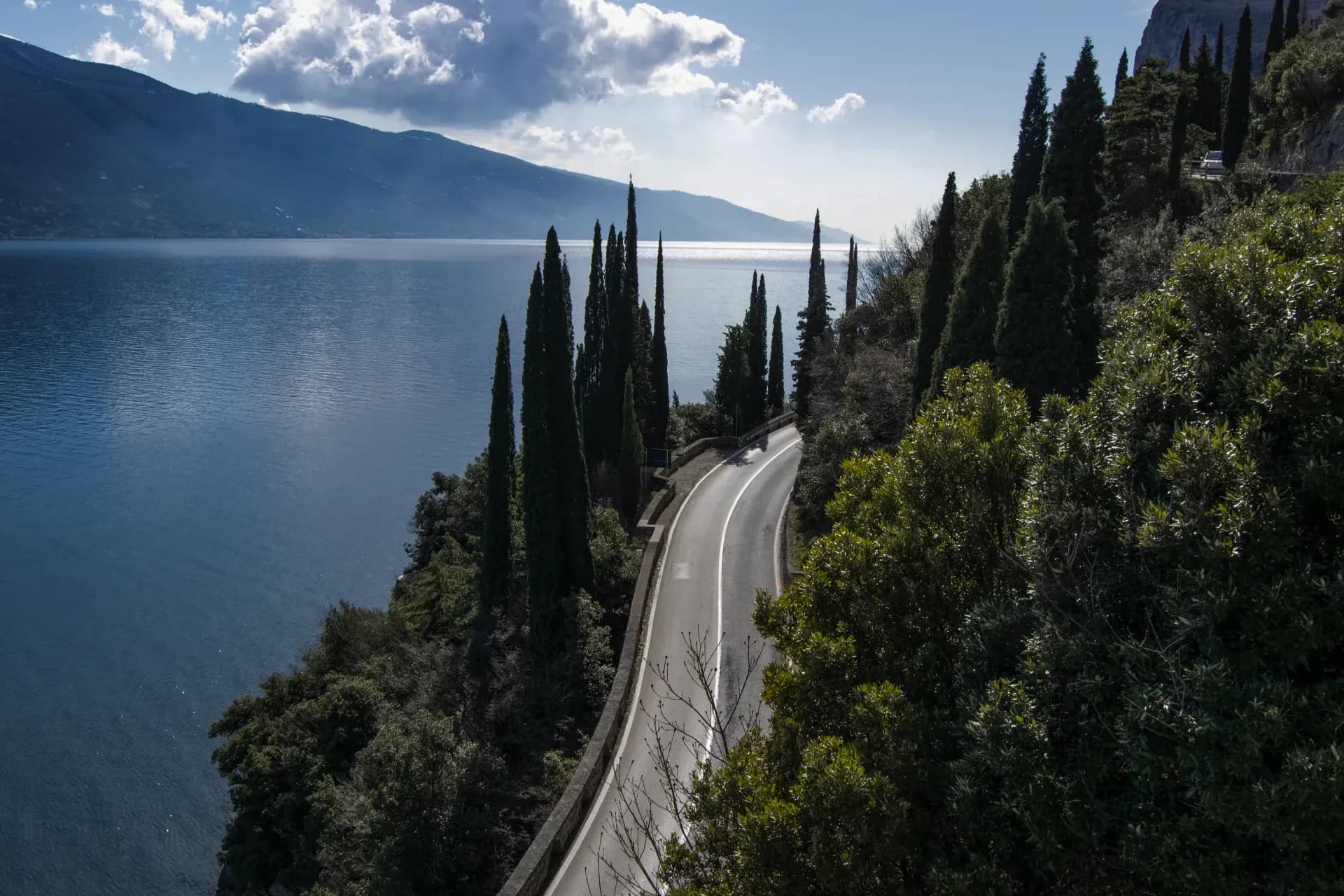
Italy




_As of: August 2026. Sources: Schrecksee (Blick, Blaulichtreport Südschwaben), Königsbachfall and Berchtesgaden National Park (Berchtesgadener Anzeiger, Berchtesgaden National Park), Oeschinensee (oeschinensee.ch), Pragser Wildsee (pragser-wildsee.it).
All information provided without guarantee. Regulations may change on short notice; please check local guidelines on site. Feedback is welcome at hello@nomady.camp with the subject line «Bergseen»._