Wild Camping in Germany
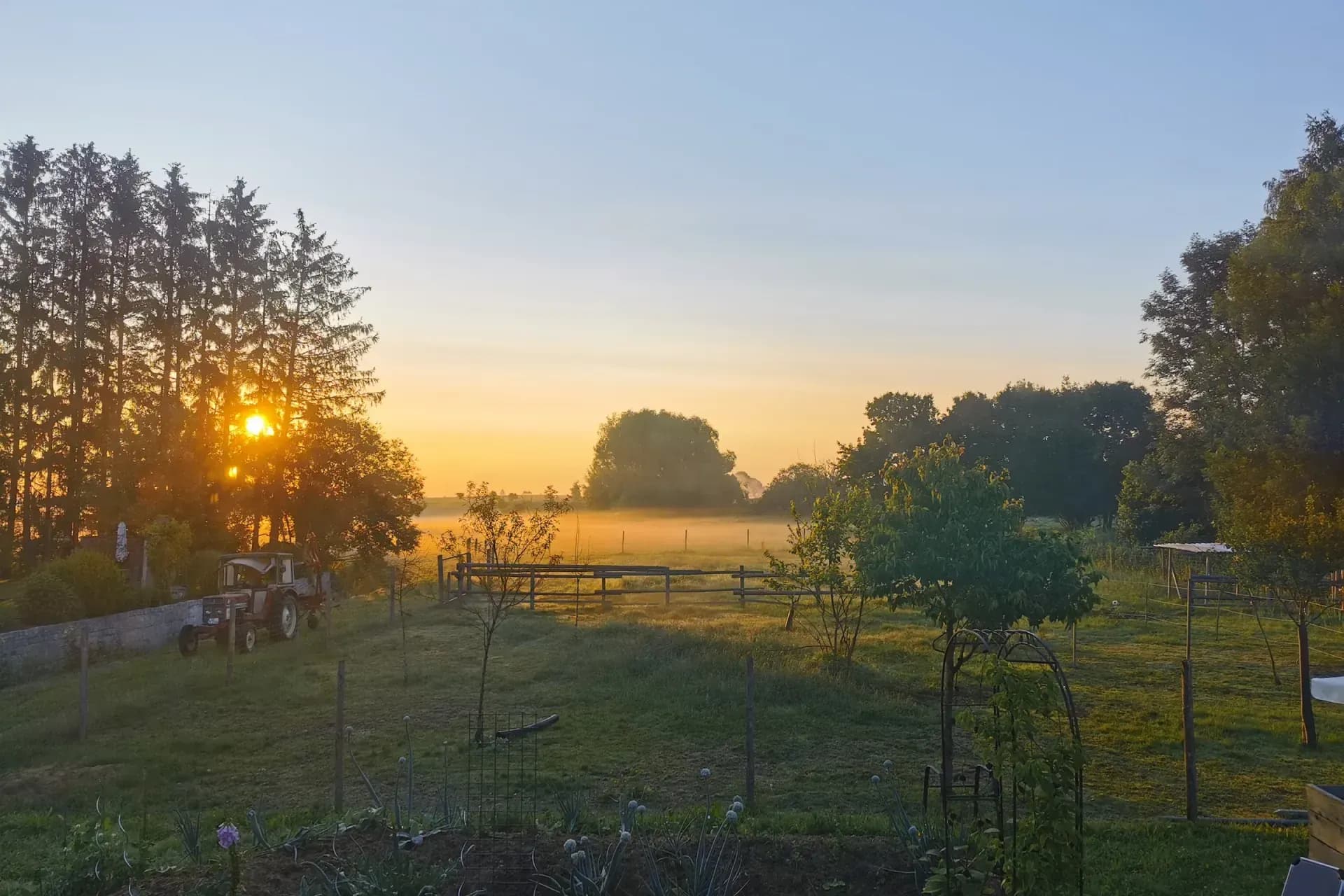
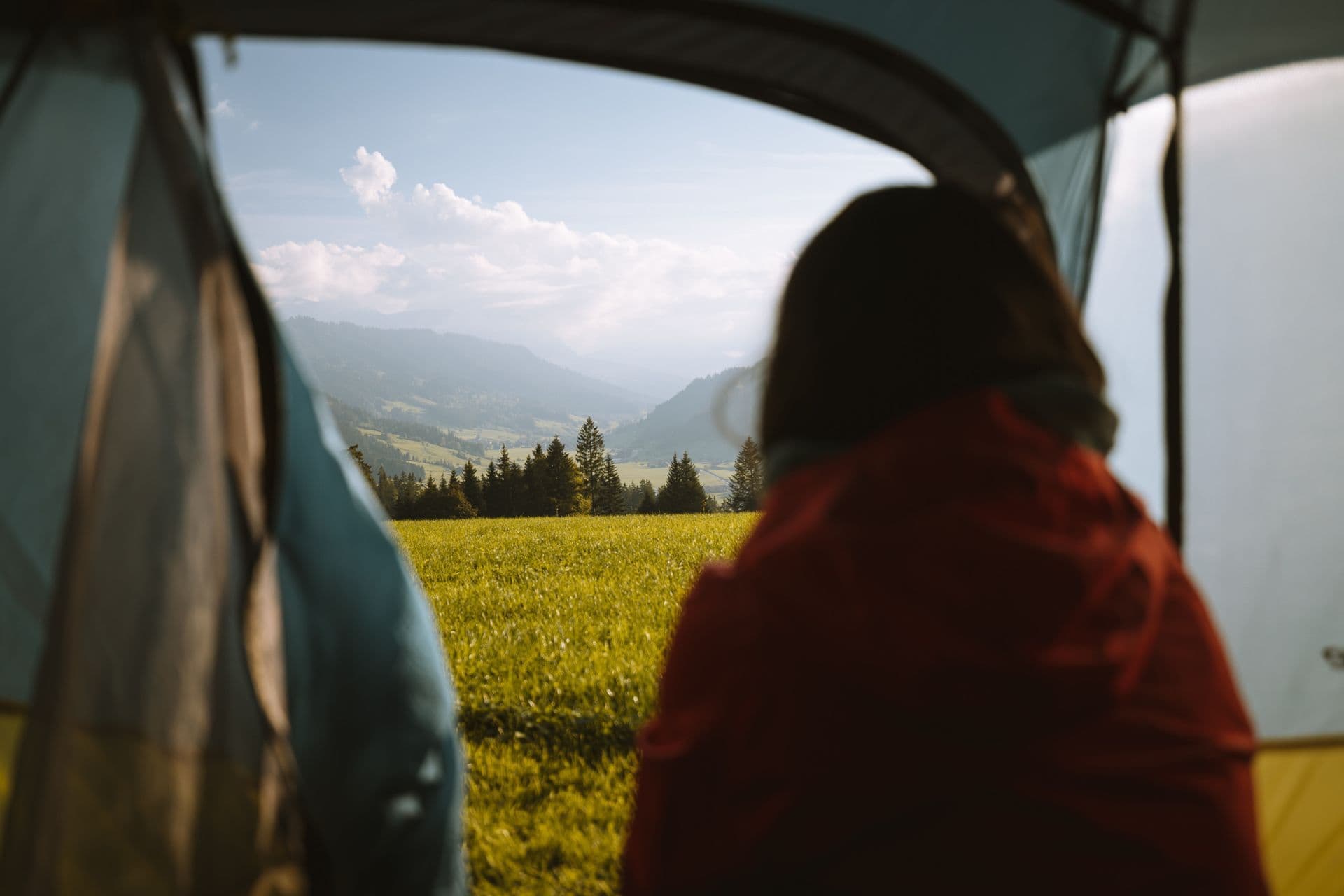
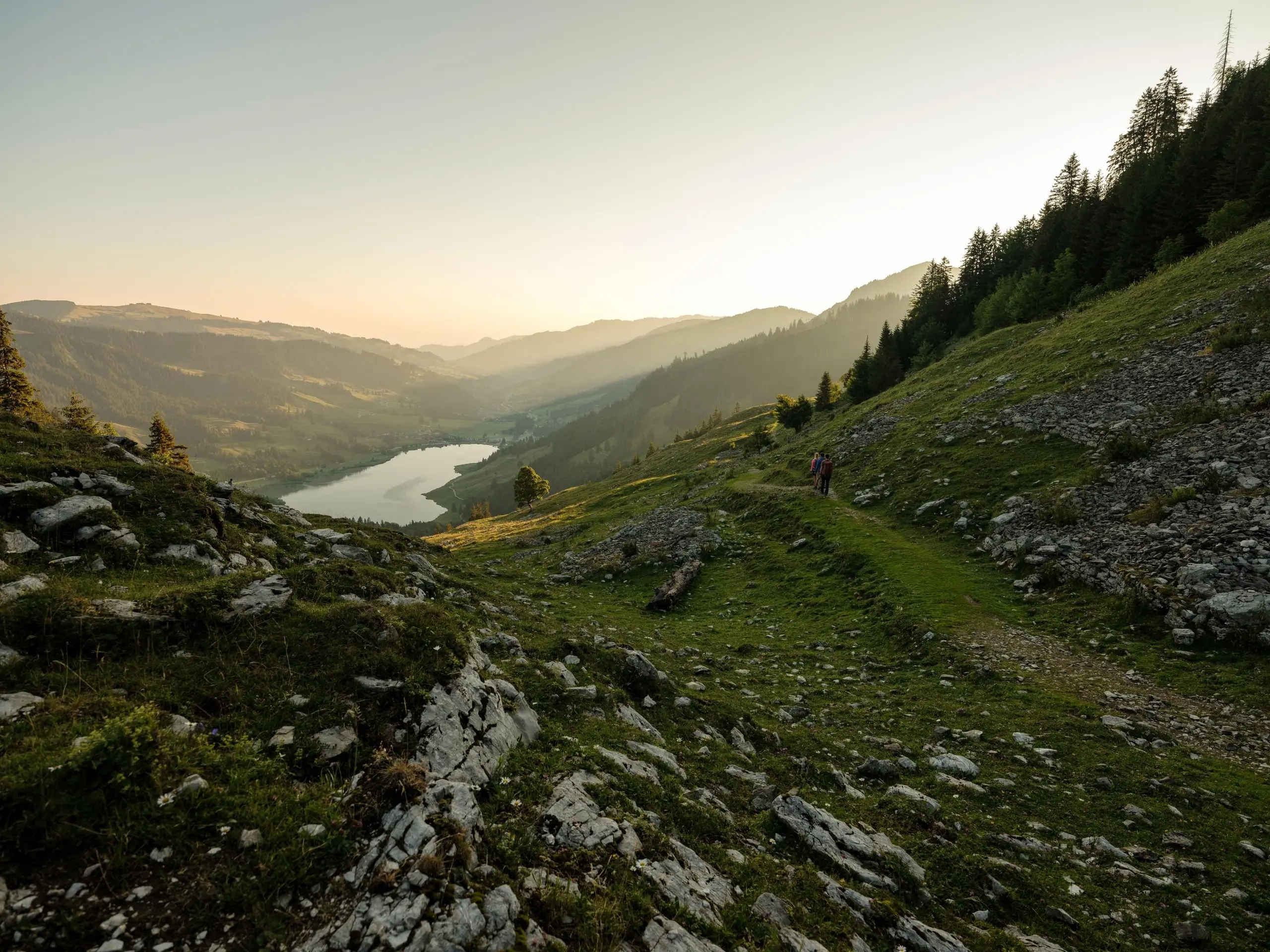
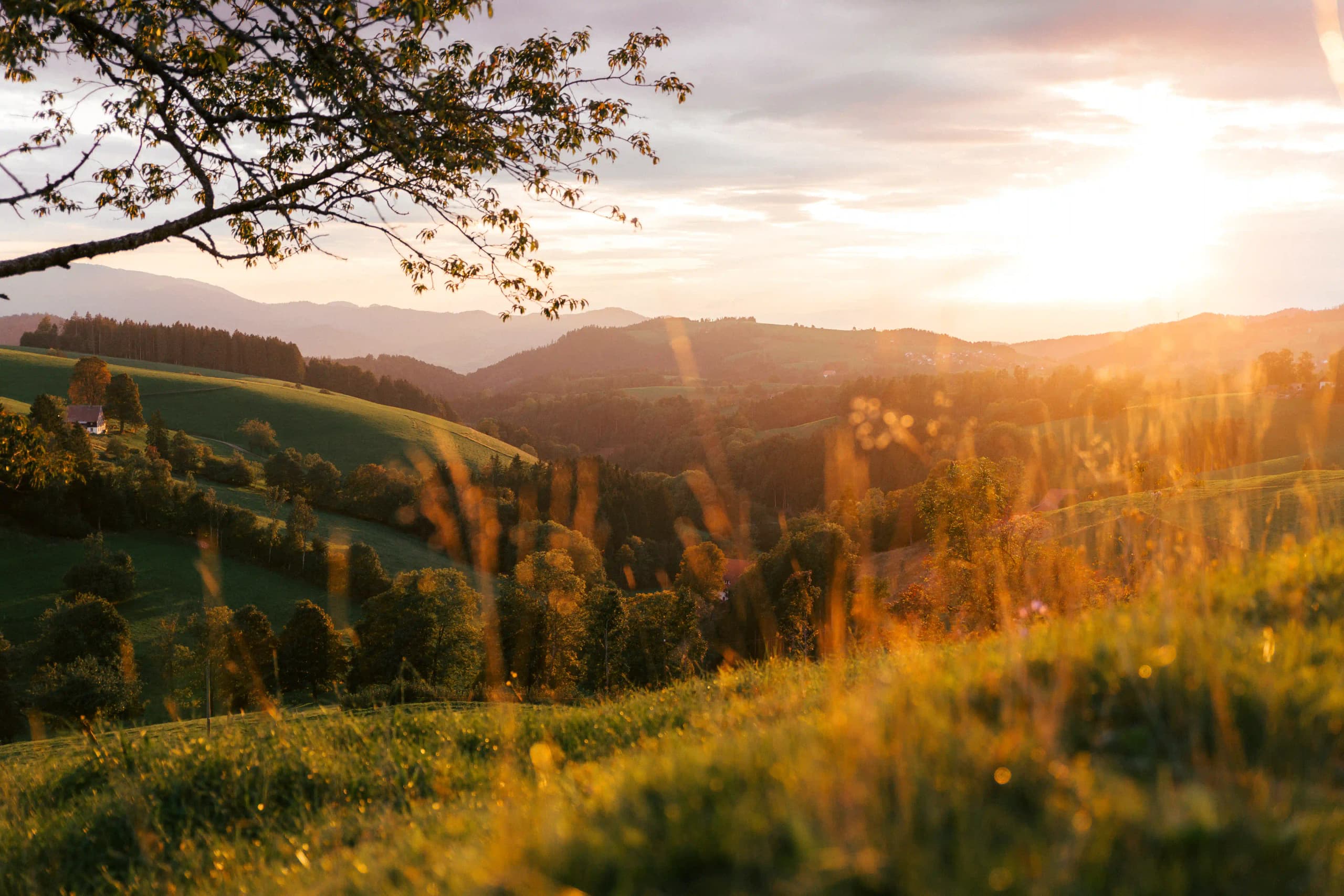
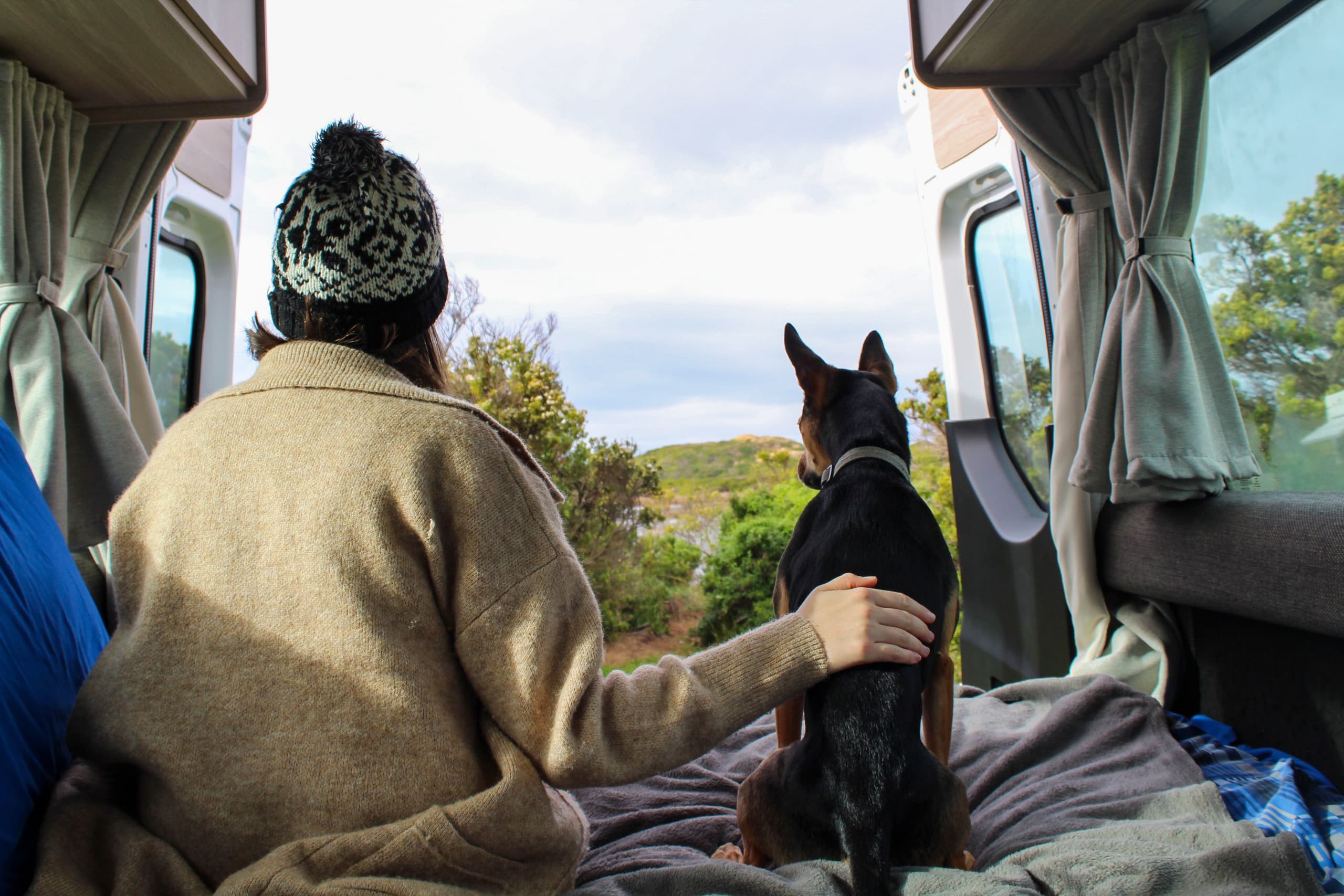
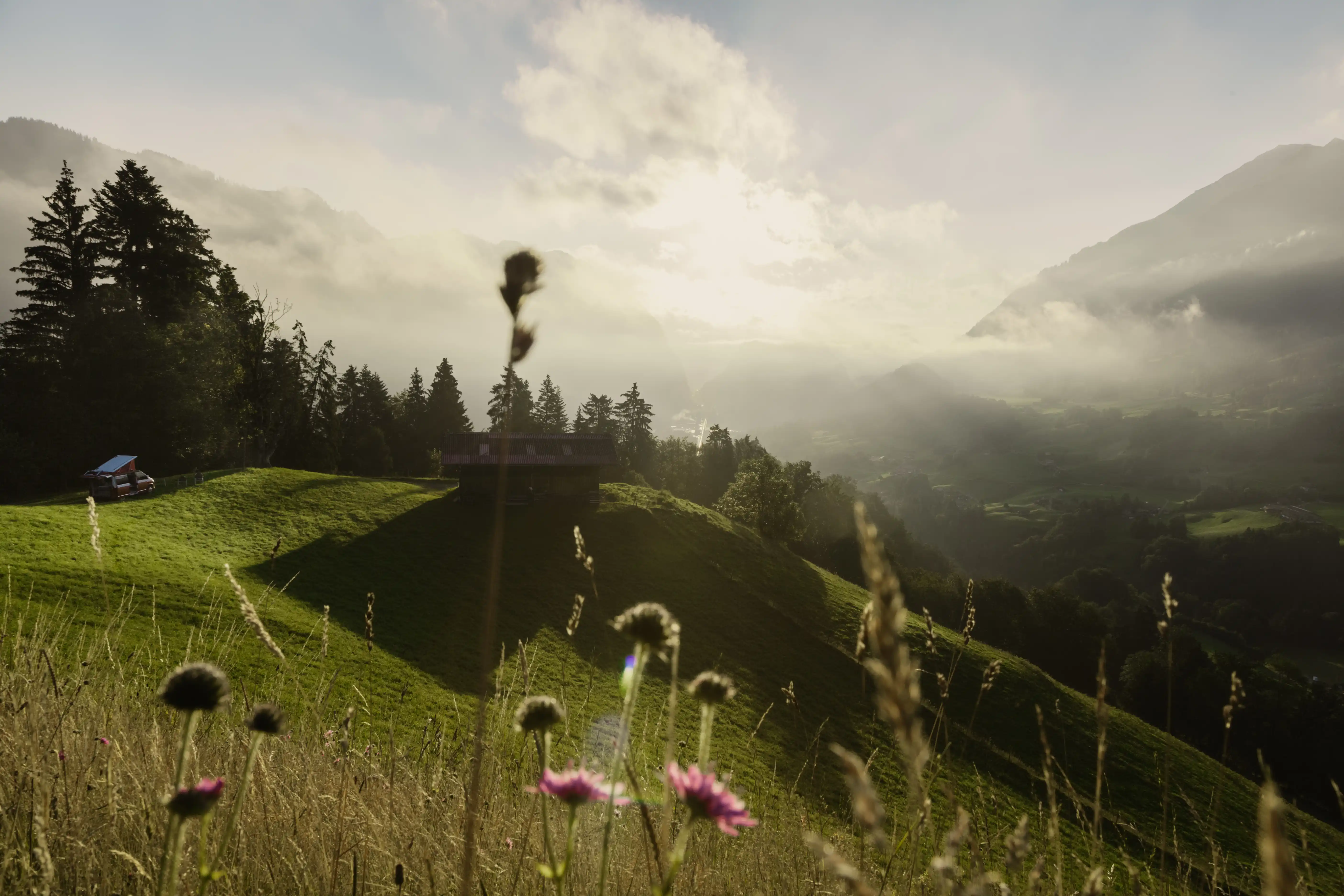
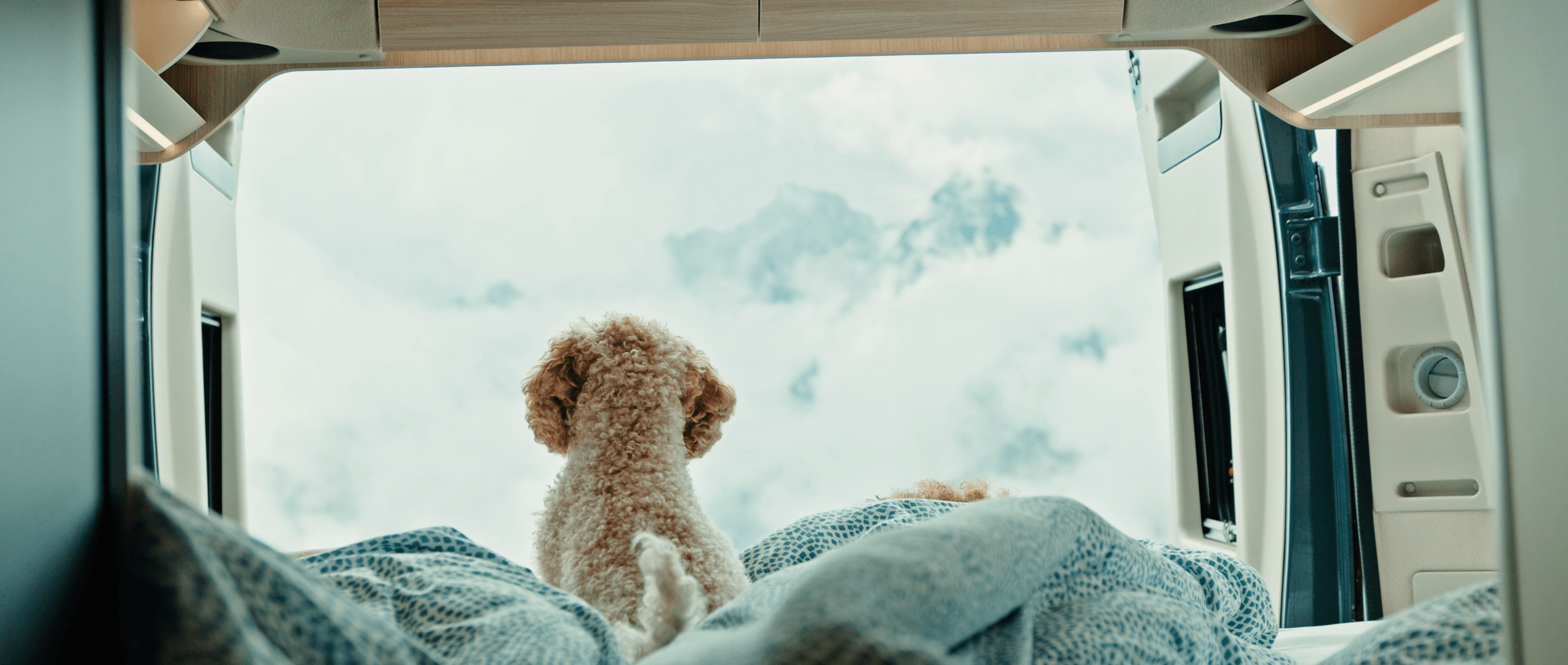
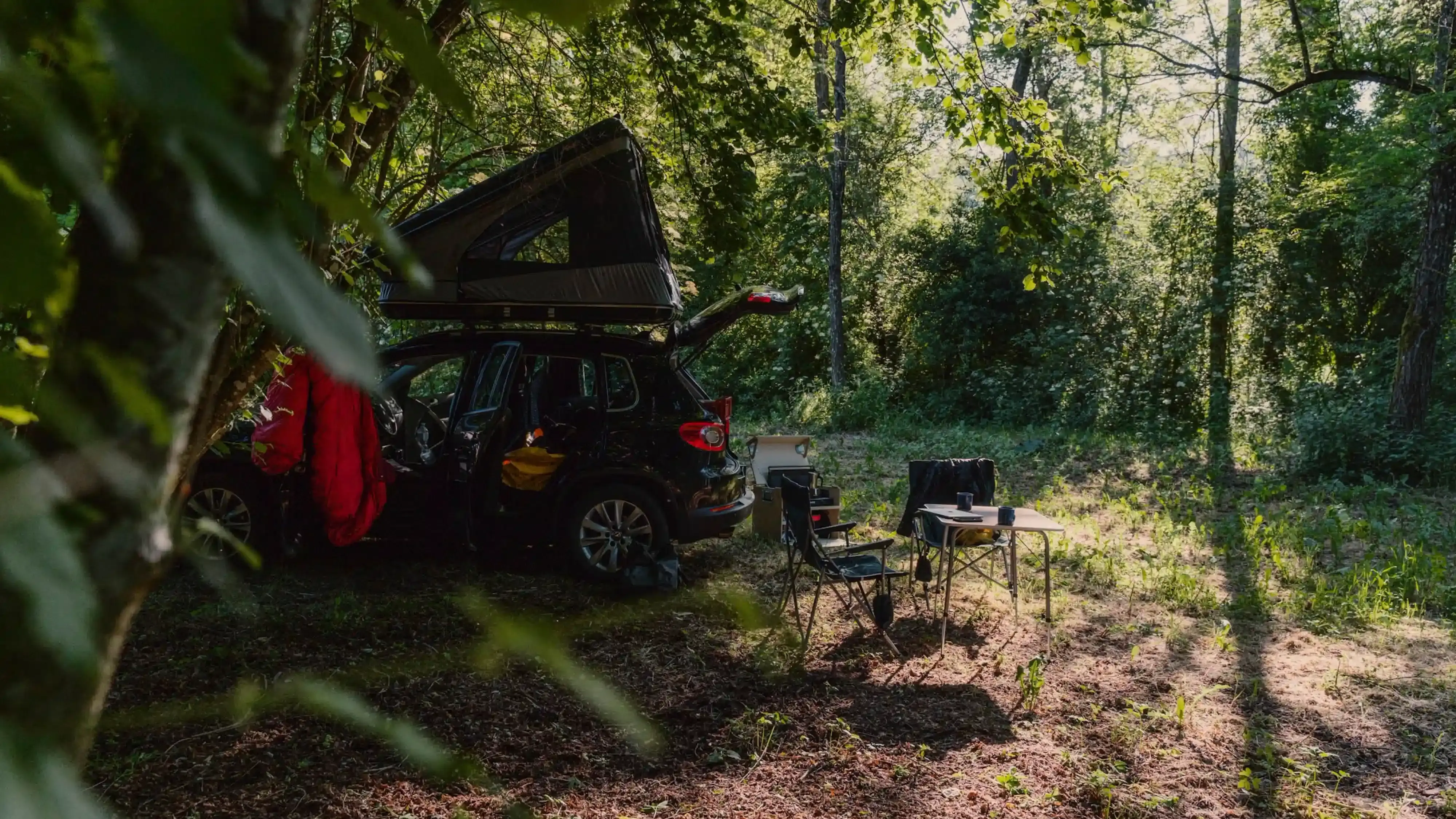
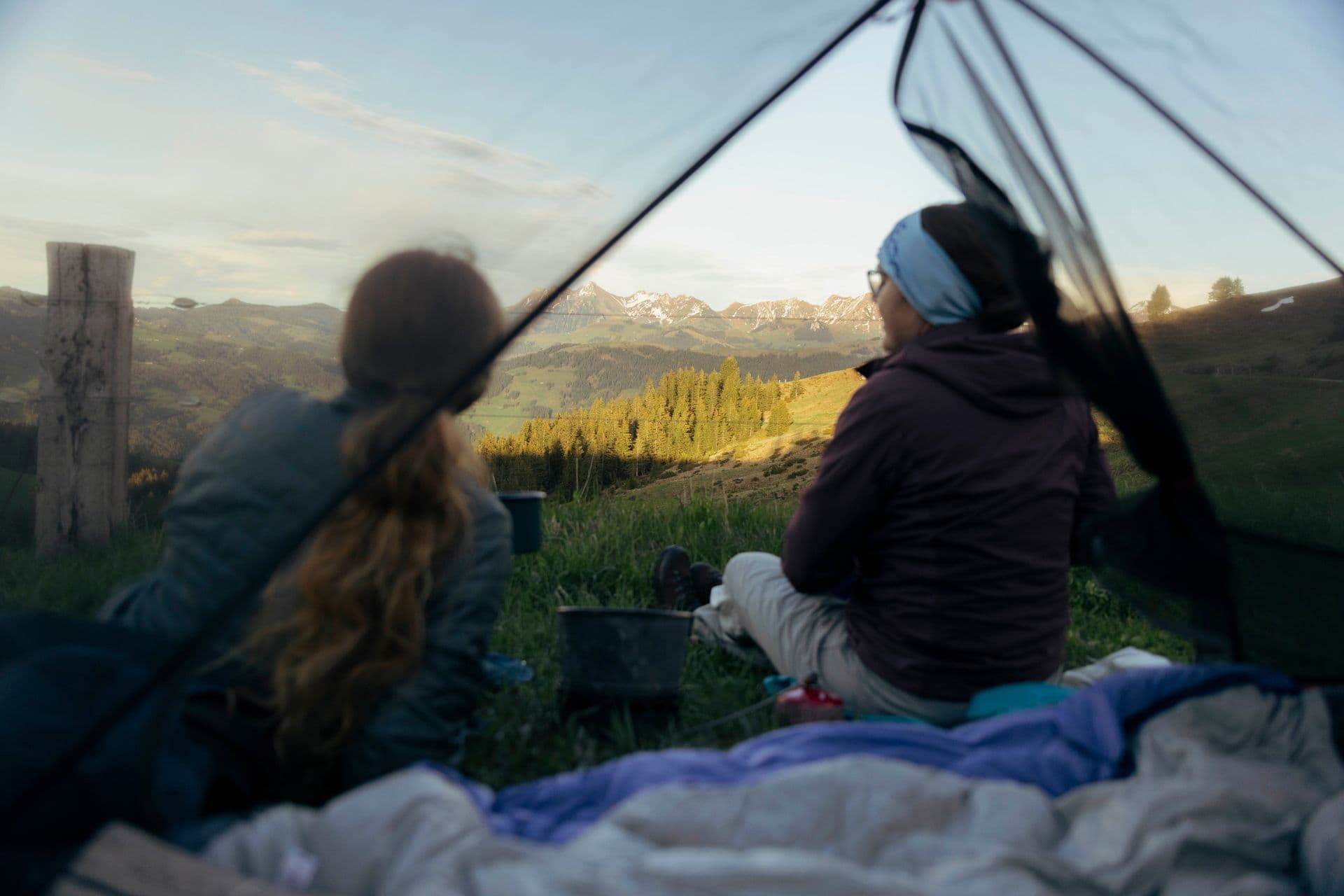
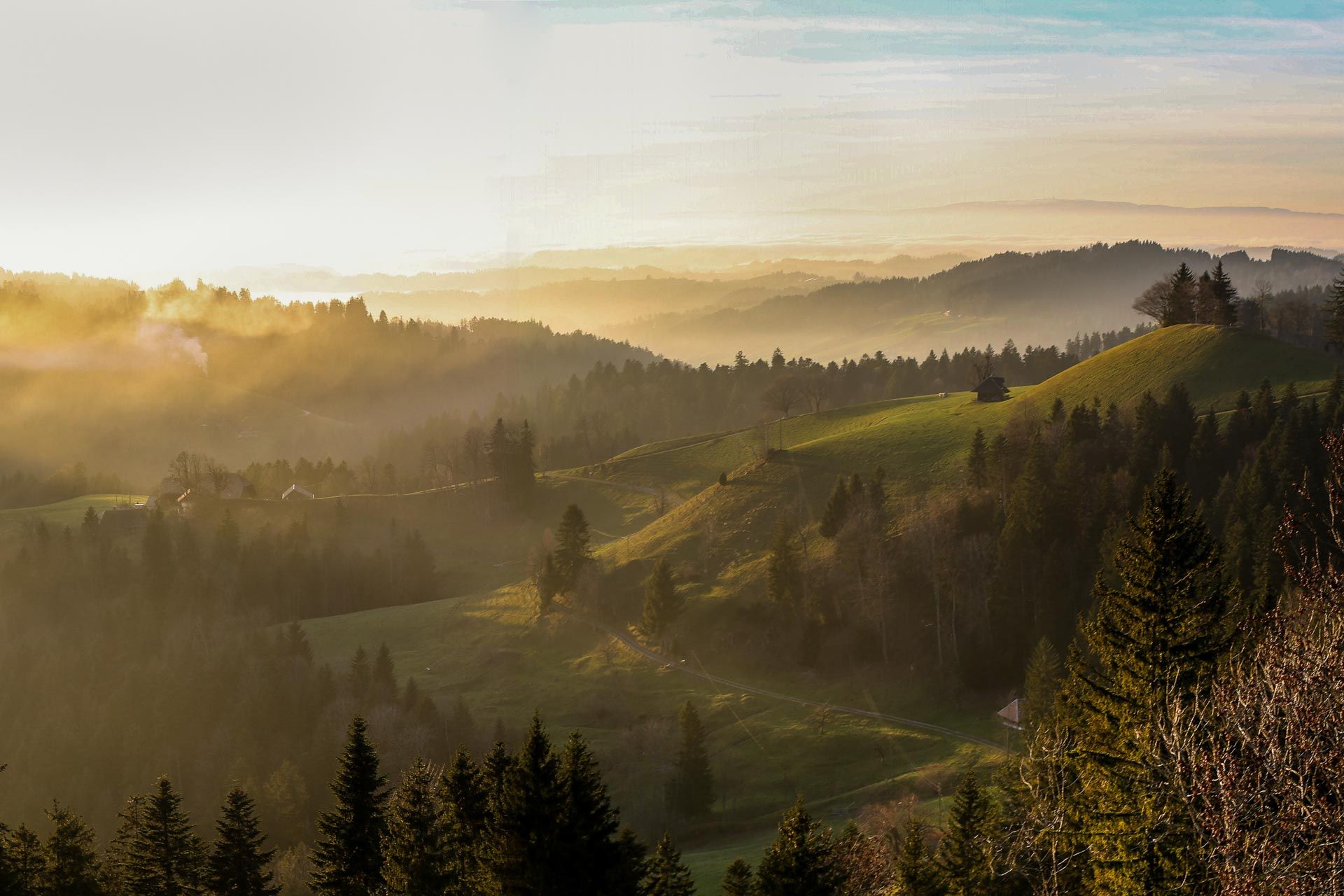
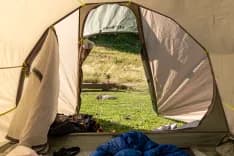
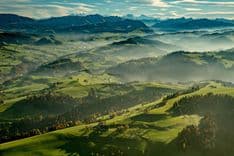
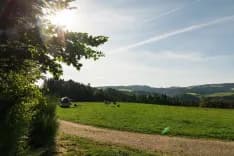
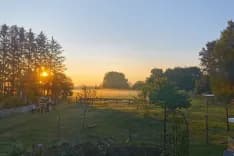
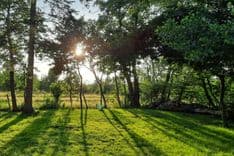
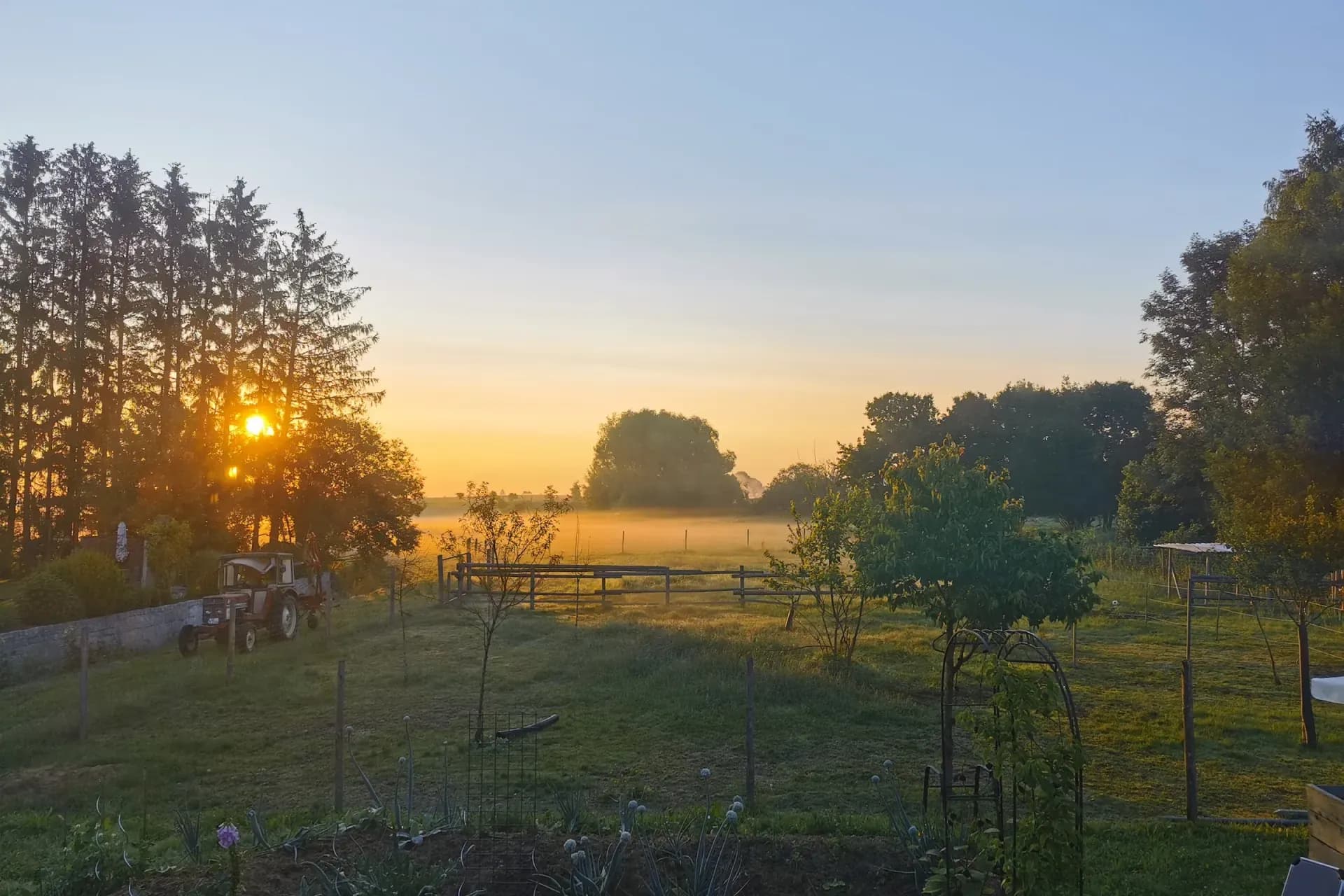
Imagine this: You wake up with the first light of day. The scent of damp earth is in the air. Wisps of mist drift silently over the forest.
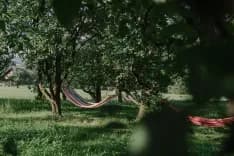
Imagine this: You wake up with the first light of day. The scent of damp earth fills the air. Veils of mist drift silently across the forest. No traffic, no people. Just you – and the silence. Wild camping in Germany is the dream of many outdoor enthusiasts. But the reality is more complex: there is a fine line between what is legally prohibited and the feeling of freedom that is allowed.
Between Freedom and the Law: What Is Allowed in Germany?
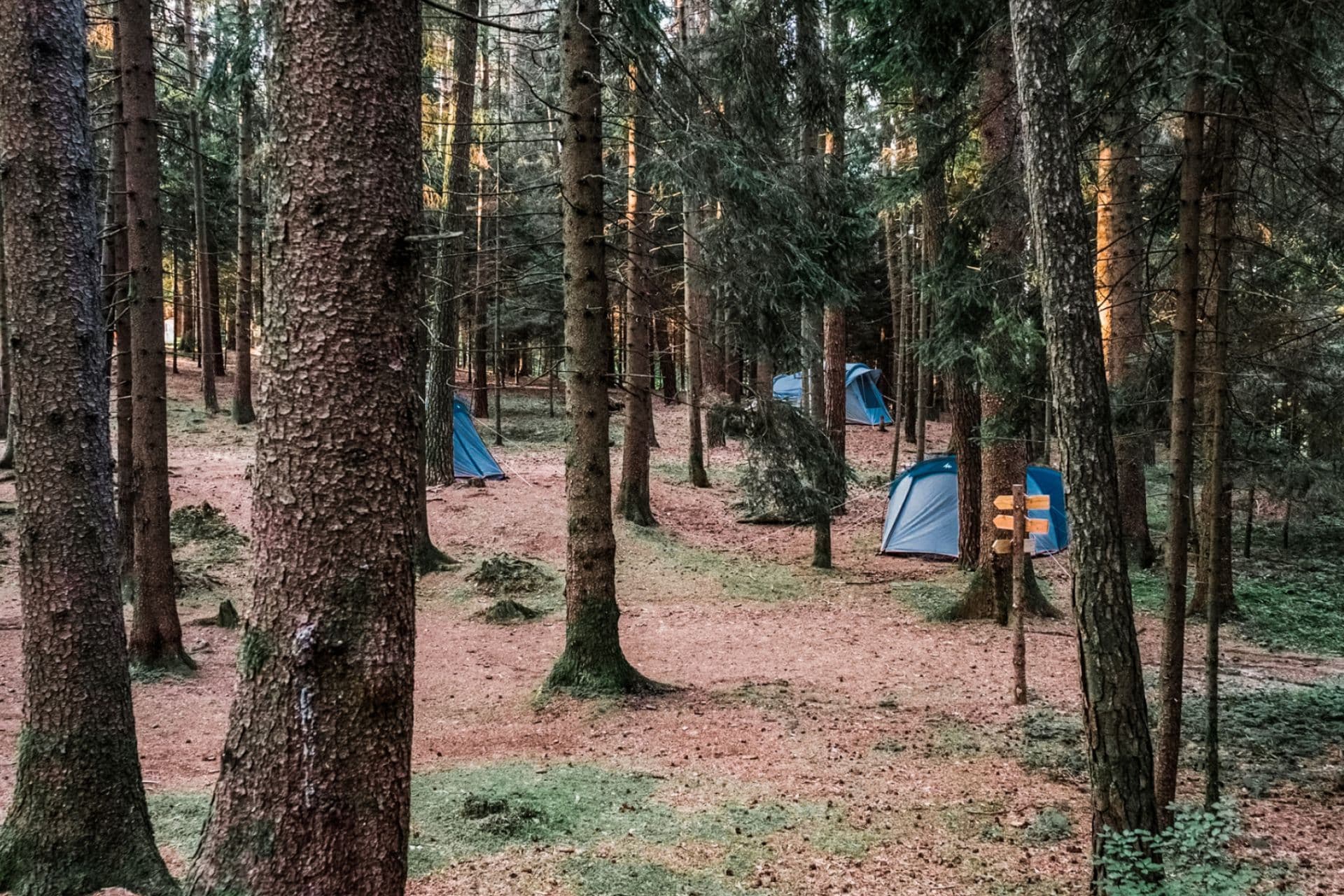
Wild camping in Germany is generally prohibited. This means: spending the night freely in nature – without explicit permission – is legally prohibited in most federal states. Anyone who simply pitches their tent in the forest is often acting unlawfully. The penalties? Depending on the region, they can amount to several hundred euros per night in fines.
However: it's not quite as strict everywhere.
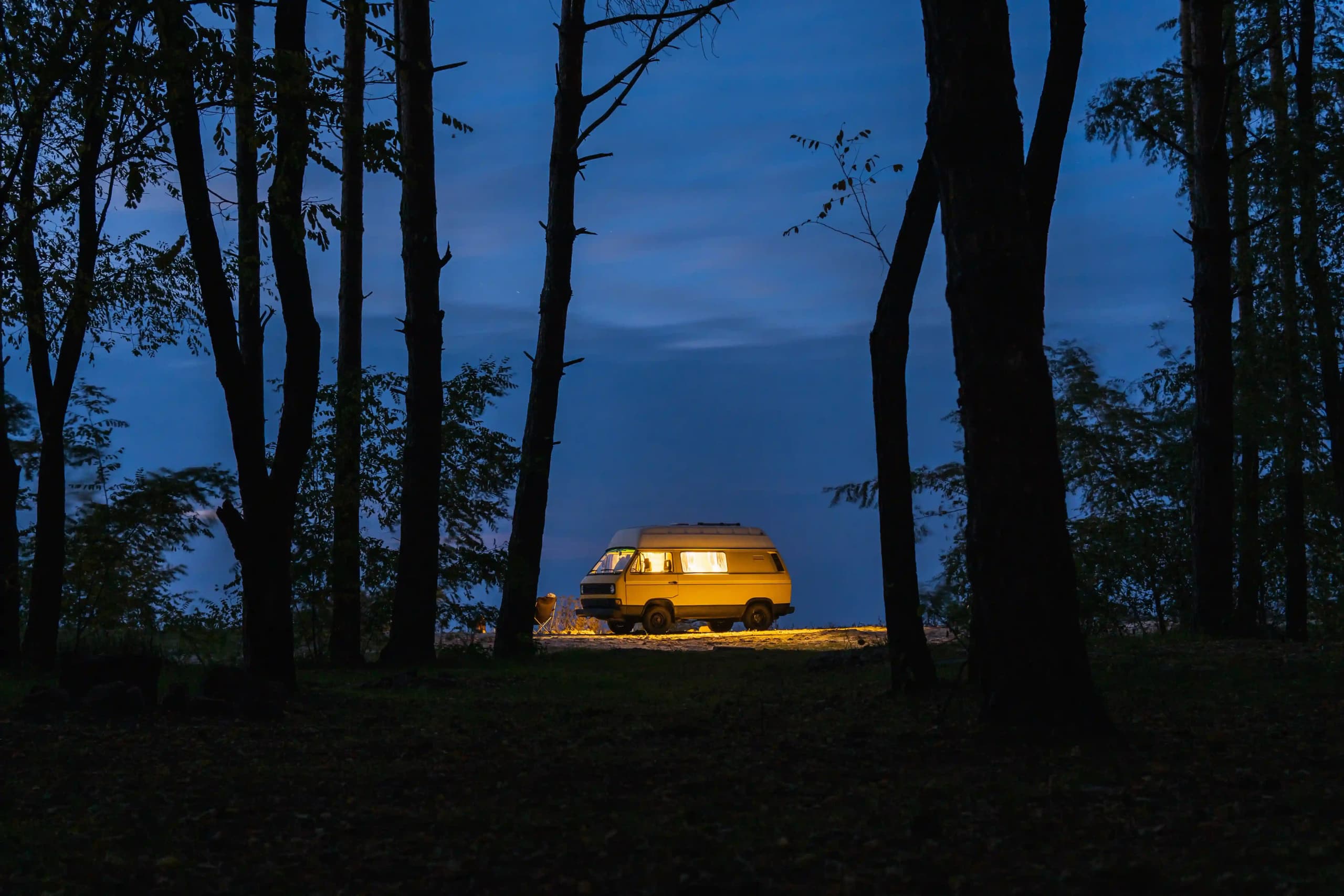
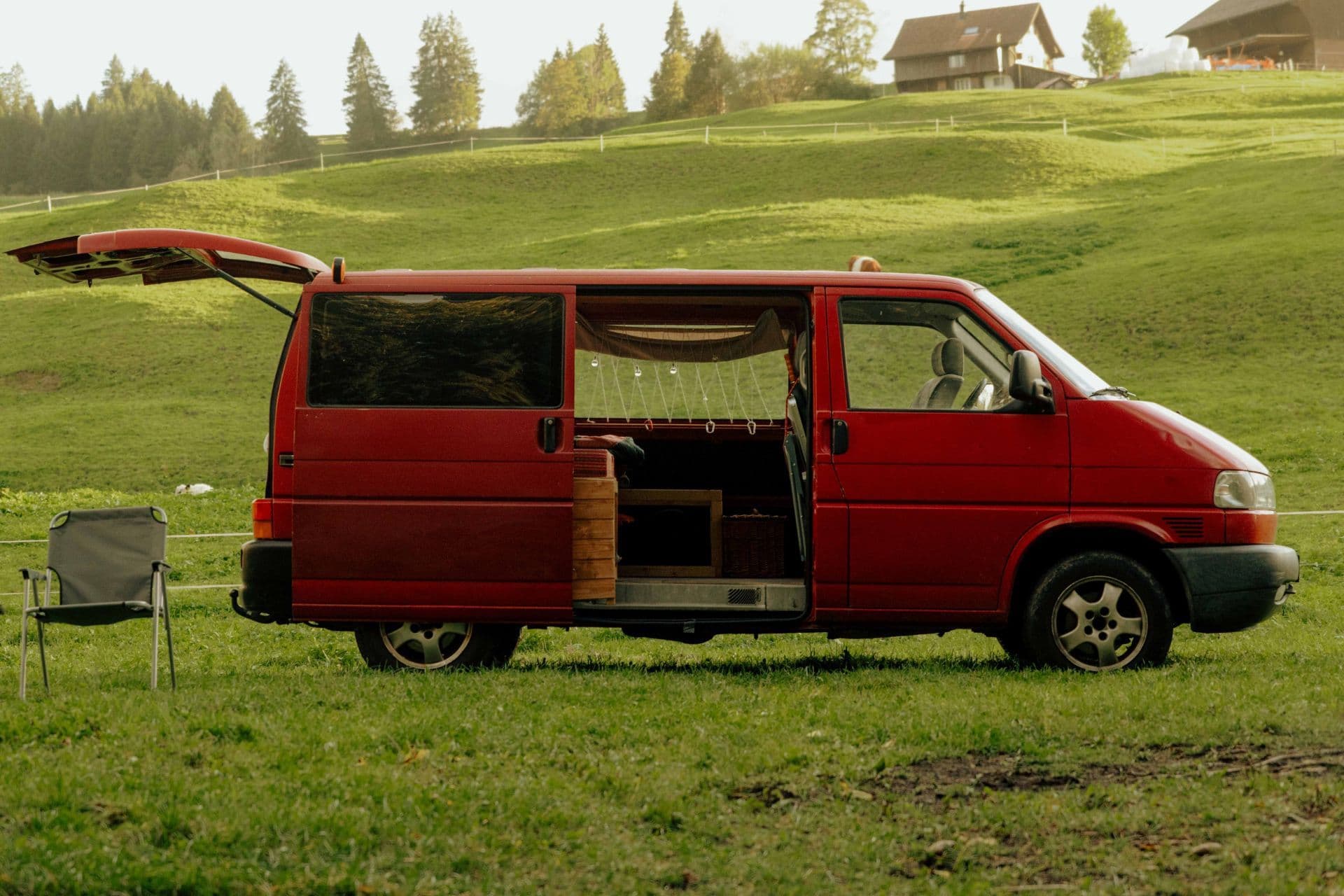
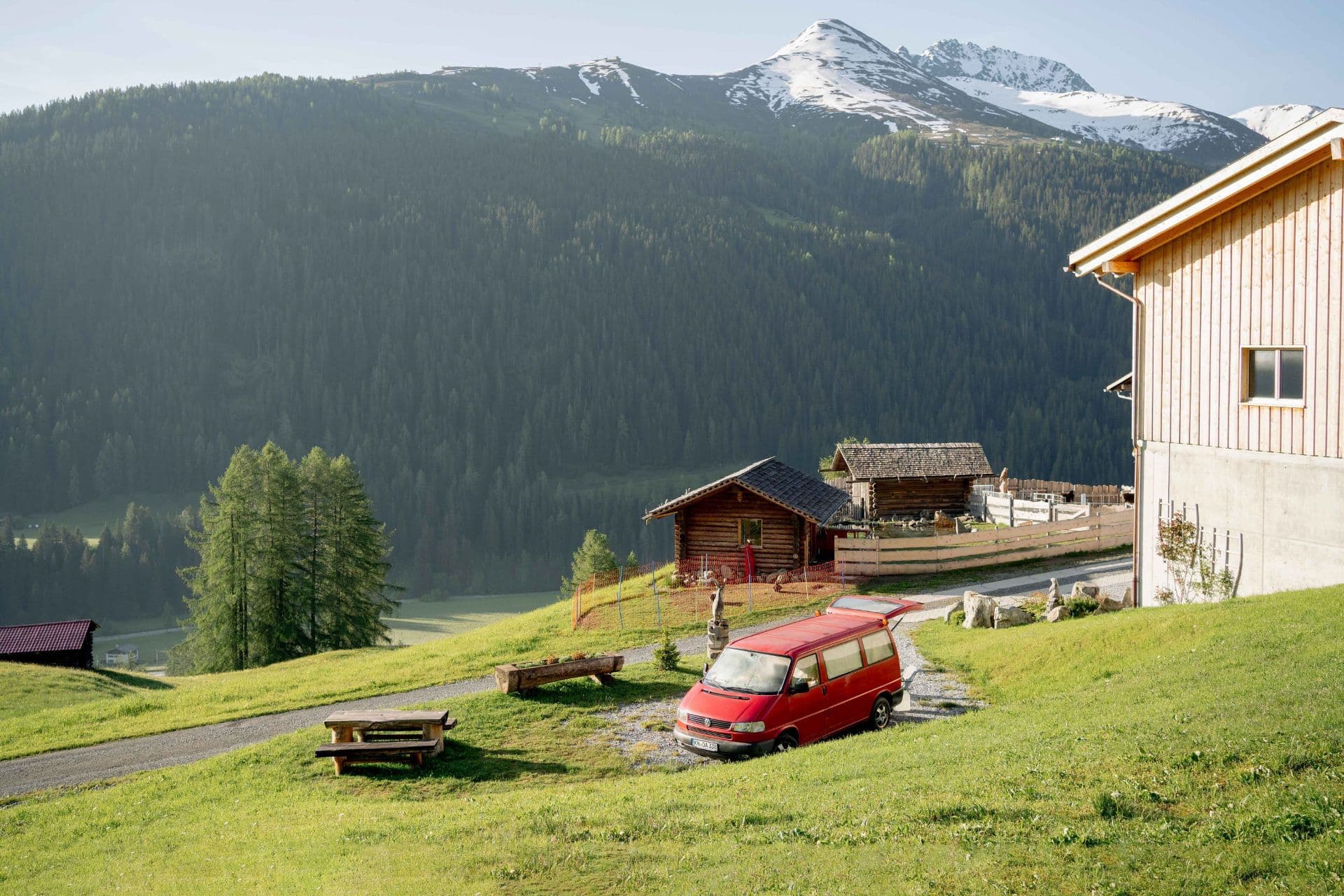
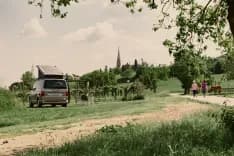
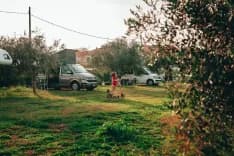
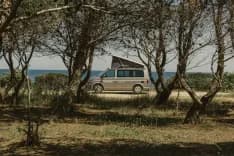
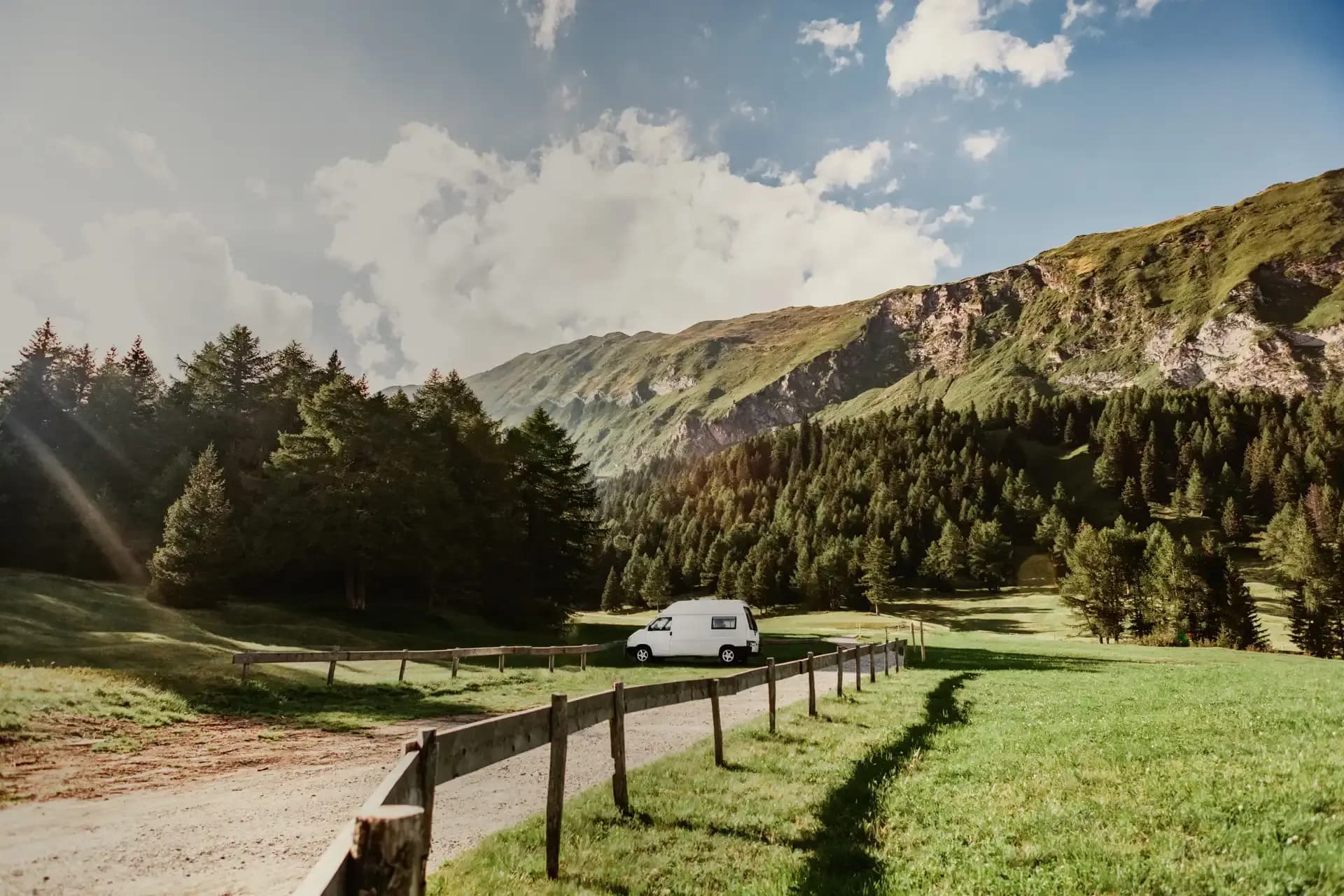
«Wild» Overnight Stays in a Motorhome, Van, or Car
Single overnight stay in public places
The regulations of the municipality or property owner apply. Always check locally.
In public parking lots
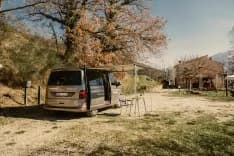
In public parking lots, signage and parking time limits must be observed. Parking fees often also have to be paid overnight. The parked vehicle must be in an official parking space and fit within the marked bay. No camping behavior (e.g. setting up tables or chairs).
At motorway service areas
Check on site whether a one-night stay is permitted. Pay attention to parking time limits, blue zones, and overnight fees.
Rest stops
Rest stops serve for the short-term rest of drivers. The parking spaces are marked in white and can therefore be used free of charge and without time limits. Rest stops are primarily intended for professional drivers, but car drivers and campers with motorhomes or caravans are also permitted to rest there (without camping behavior; do not set up chairs, tables, or awnings).
Can you sleep in your car in a parking lot?
In Switzerland, the rules for camping in a car are not uniform. In some cantons or municipalities, sleeping in a car is considered wild camping and is therefore prohibited. In exceptional cases it is often tolerated, especially when the need for sleep to restore driving fitness is cited.
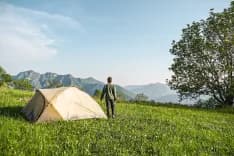
«Wild» Overnight Stays with a Tent or Bivouac
Definitions:
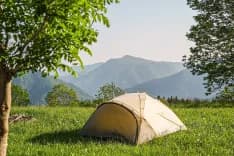
Bivouacking – Spending the night without a tent under the open sky, in an igloo, or in a snow cave. Camping – Spending the night in a small tent outside of official campsites.
Prohibited – But with Leeway: The Legal Situation
In Germany, there is no uniform federal law regulating wild camping. Instead, the federal states – and sometimes even individual municipalities – decide on the rules and exceptions. The basic rule is:
Spending the night in the wild is prohibited in Germany without explicit permission!
This rule applies primarily to pitching a tent in public spaces, in forests, nature reserves, or on private property without consent.
You can find the fine catalogues regarding "illegal camping" for the individual federal states here.
Nevertheless, some regions take a more open approach. In Schleswig-Holstein or Rhineland-Palatinate, you will find trekking sites or natural areas that largely permit so-called "gentle wild camping" – as long as you follow certain ground rules.
What exactly is "wild camping"?
Wild camping means:
- Spending the night in a tent, hammock, or bivouac,
- outside official campsites,
- usually on undesignated land.
Be aware: Even sleeping under the open sky – without a tent – is already classified as wild camping in some regions. That's why it is essential to know local regulations.
While Germany doesn't have traditional legal wild camping like Scandinavia, there are alternatives that come very close:
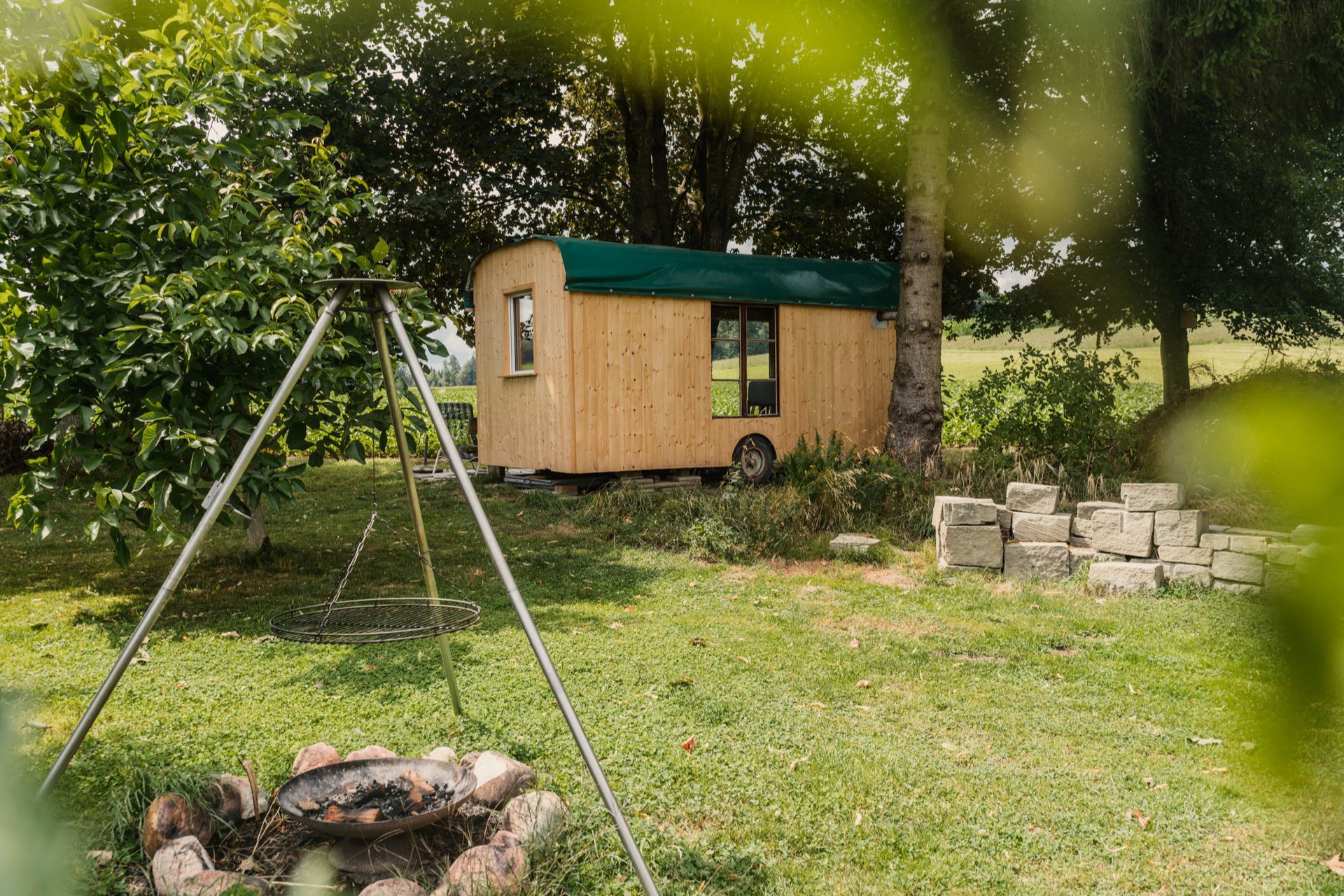
1. Overnight stays on private land with explicit permission
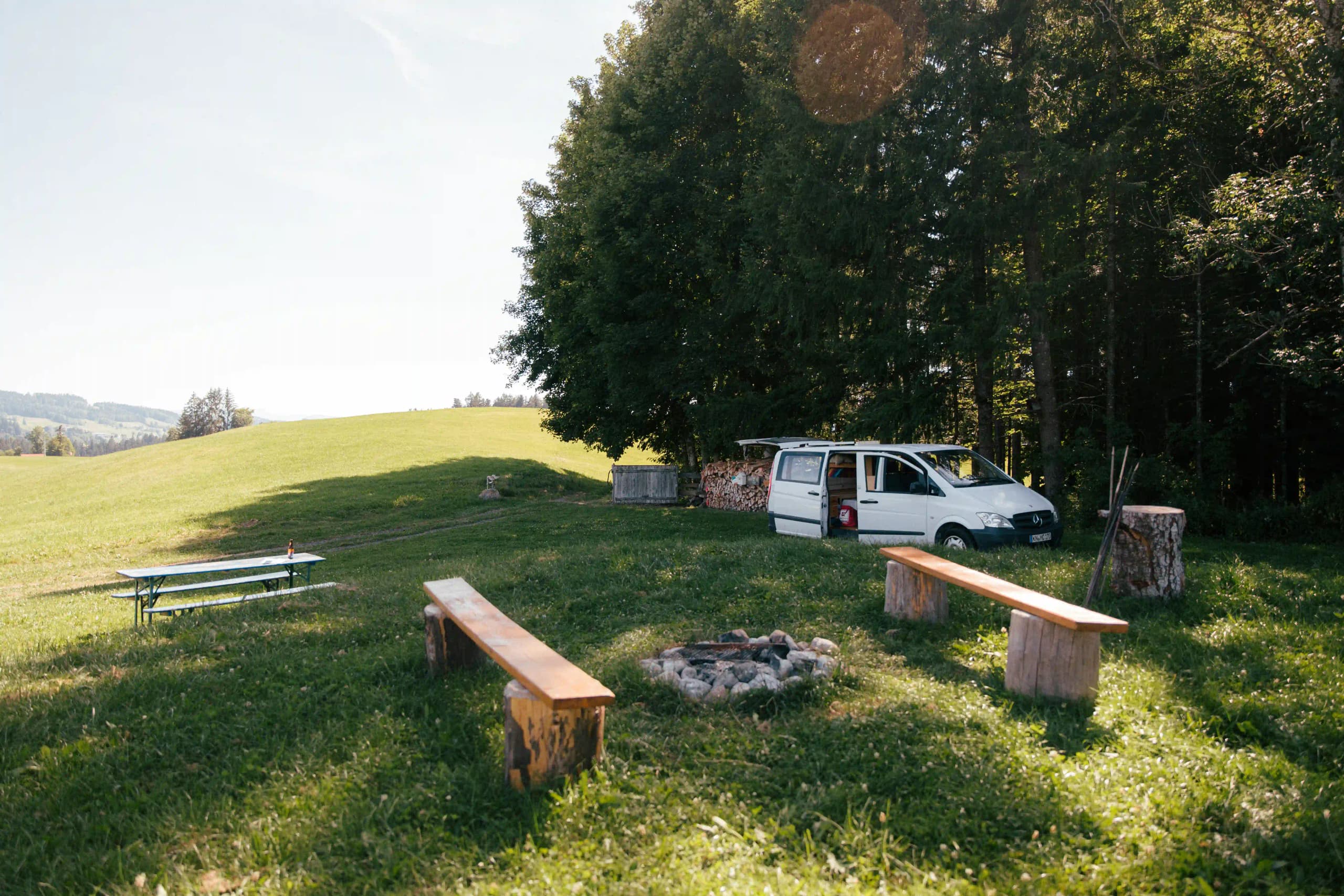
If you have the explicit permission of the landowner, you are allowed to spend the night there. This applies to: Meadows
- Forest edges
- Fields outside protected areas
Tip: Many farmers or property owners offer a night on their land for a small fee – often without infrastructure, but with true closeness to nature.
→ More on Nomady nature camping with private hosts.
2. Official nature spots and trekking sites
Several federal states – such as Rhineland-Palatinate or Schleswig-Holstein – have responded to the demand. They have created trekking sites: official, minimally equipped spots in the heart of nature. Typically, you are allowed to:
- Stay for one night
- Arrive on foot or by bike (no car access)
- Book in advance (sometimes for a small fee)
These spots make legal wild camping possible – at least to a degree.
3. Bivouacking instead of camping?
Bivouacking – simply sleeping under the open sky without a tent – is tolerated in some regions, provided: No fire is lit
- No rubbish is left behind
- You leave the next morning
However, here too: tolerance is not official permission. If you want to be on the safe side, check with the local forestry authority or municipality beforehand.
Overview of Federal State Regulations
Wild camping is strictly prohibited here, and bivouacking is usually not tolerated either. Heavy fines apply in protected areas.
→ Alternative: One Night Camps (official spots in the Black Forest)
Very strict rules. Wild camping and bivouacking are mostly prohibited, especially in the Alpine region and in forests.
→ Alternative: Trekking sites in the Franconian Forest (legal and close to nature)
Sleeping in the forest is prohibited by law. Bivouacking is sometimes tolerated, but not recommended without checking beforehand.
→ Tip: Use private land with permission
Camping in the wild is not allowed. There are no official trekking sites – but many private natural spots.
Tip: Camping in Hesse in nature with private Nomady hosts
Very restrictive. Tenting and bivouacking outside campsites is expressly prohibited.
→ Alternative: Nature campsites near the Baltic Sea & Lake District
Wild camping is not permitted here either. Bivouacking can be tolerated in very remote areas – with the utmost consideration.
→ Use official spots in the Lüneburg Heath or Harz region
Wild camping is not allowed, especially in forests and local recreation areas.
→ Alternative: Eifel trekking sites with advance booking
One of the most camping-friendly federal states: → Trekking camps in the Palatinate Forest offer official, legal wild camping spots in the heart of nature.
Tip: Camping in Rhineland-Palatinate in nature with private Nomady hosts
Strict protected area regulations. Wild camping is generally prohibited, and there are no official trekking sites.
→ Better: Private land with permission
Relatively open. In some regions, staying overnight on private land is tolerated or legally possible with consent.
→ Ideal for micro-adventures between the coast and the forest.
Wild camping is not permitted. For hikers, bivouacking may be tolerated in exceptional cases – but please check in advance.
→ Tip: Dübener Heide trekking route for legal overnight stays
Regulations are similar to Saxony: Wild camping is prohibited, bivouacking is sometimes possible, but not guaranteed.
→ As an alternative, private spots in the countryside: Nomady camping in Saxony-Anhalt
Wild camping is legally not permitted, primarily in forests and protected areas.
→ A few nature spots exist, often in the Thuringian Forest
In city-states, wild camping is practically impossible – too densely populated, almost no open spaces.
→ Head to rural areas in the surrounding countryside.
Key Rules to Always Keep in Mind

No noise, leave no trace
Respect other people's privacy and observe quiet hours at night. Wildlife also has a right to an undisturbed sleep. Avoid noise and nuisance, and leave the spot clean.

Washing up and showering
Do not do your dishes directly in or by bodies of water, and do not pour wastewater into them. Use biodegradable dishwashing soap and toothpaste. Washing yourself in a stream or river is permitted, but shower soap should be environmentally friendly or omitted entirely.

Answering nature's call
Only relieve yourself when necessary and well away from bodies of water. Faecal bacteria can harm wildlife. Use a plastic bag to pack out your toilet paper or burn it (never when there is a risk of forest fires) after burying your waste. True wild campers always carry a small trowel with them.

Campfires
In some areas, making fires is prohibited. It drives wild animals away. Always watch out for signs indicating fire bans. In any case, exercise extreme caution when making a fire. Use existing fire pits and check current forest fire hazard levels. In Ticino and Italy, we recommend never lighting an open fire.
All information without guarantee. Subject to change. Please send feedback directly to hello@nomady.camp with the subject "Wild Camping".
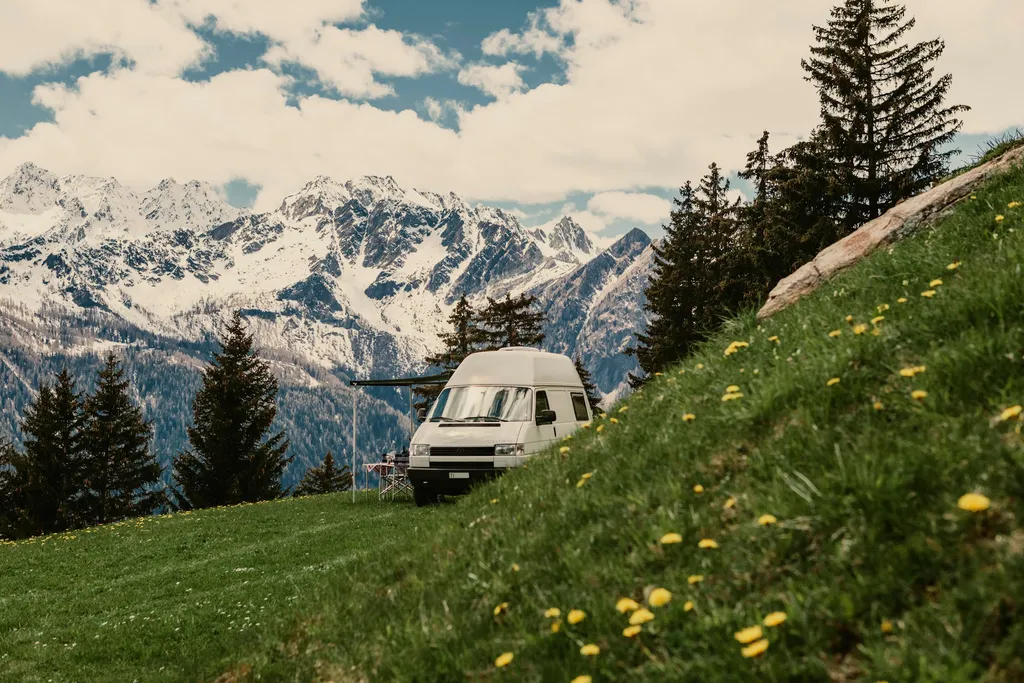
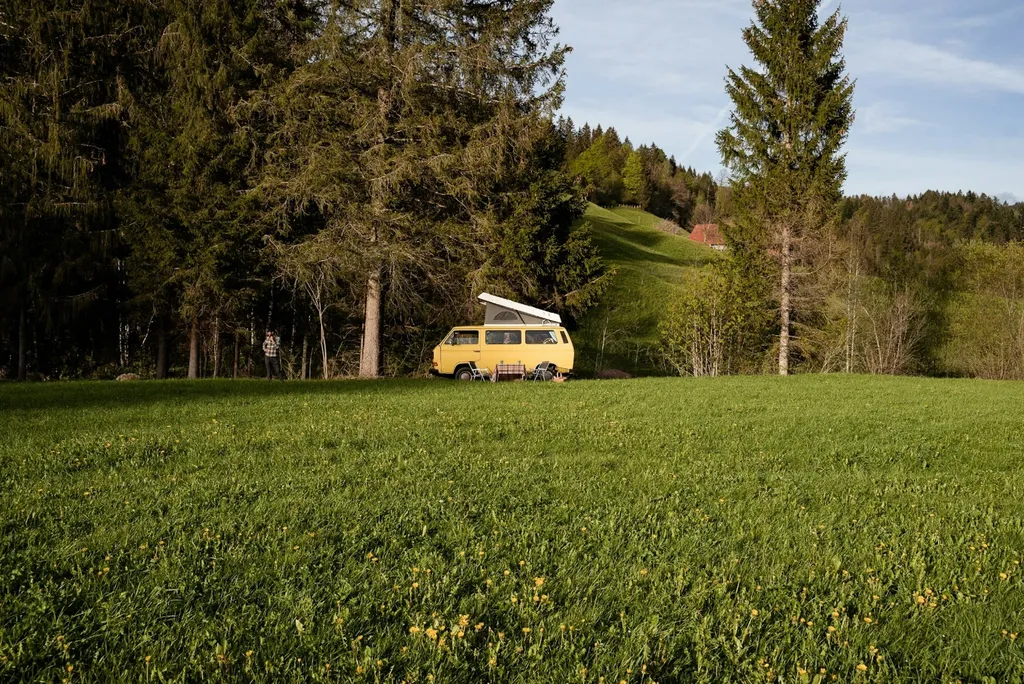
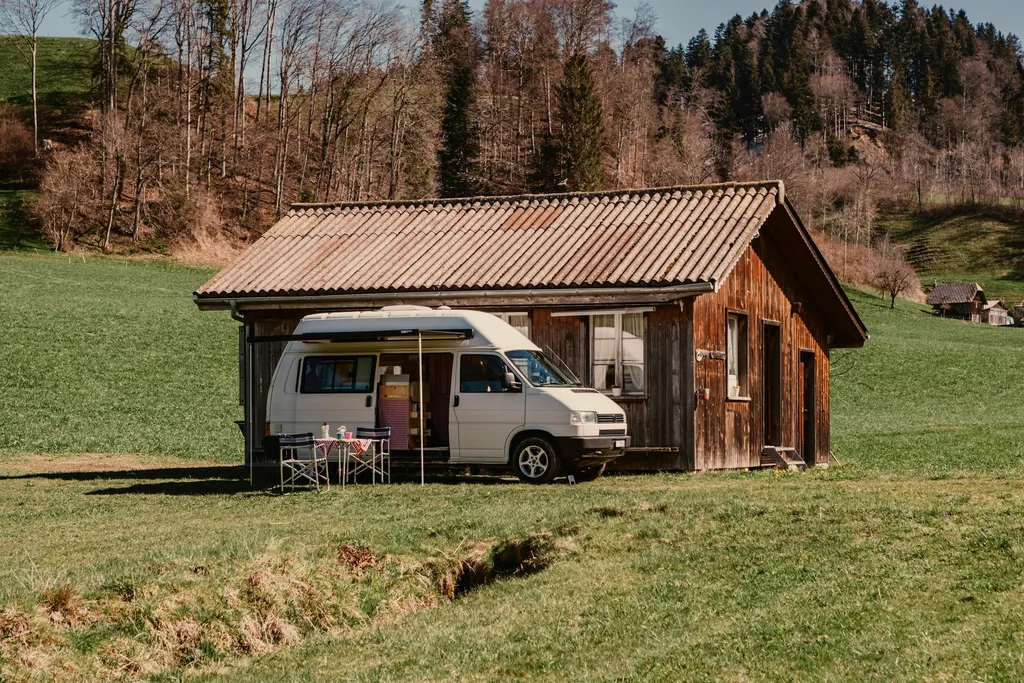
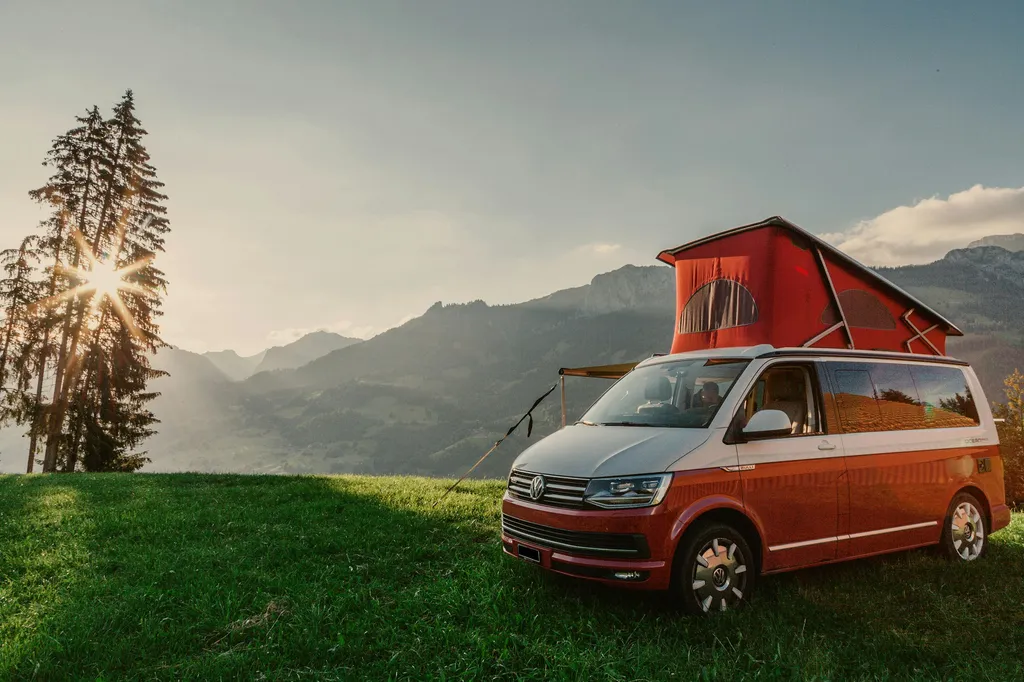
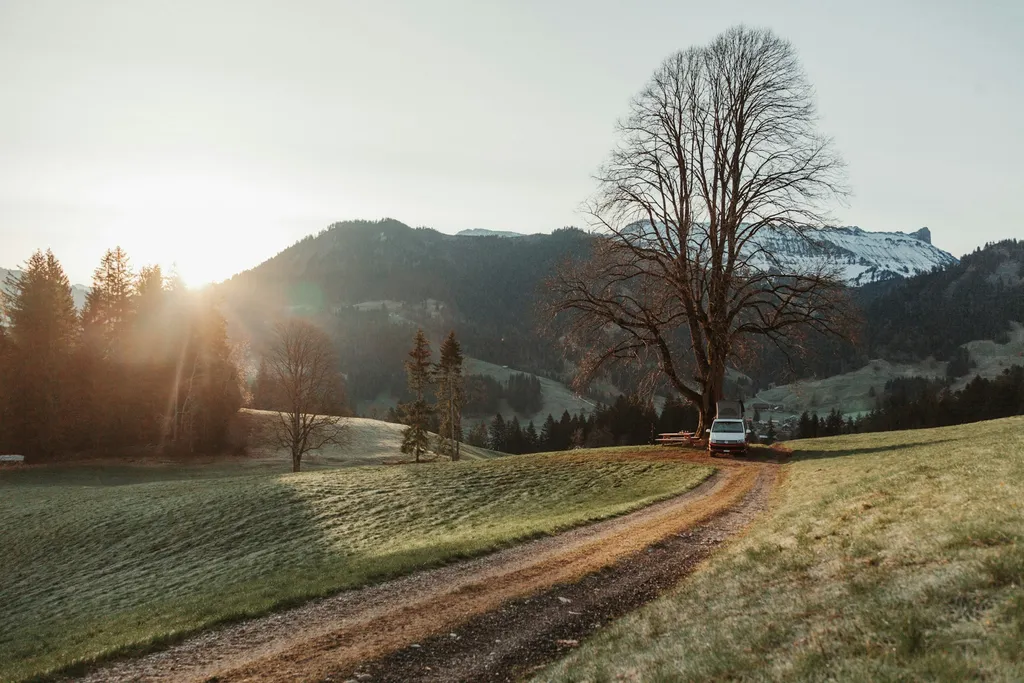
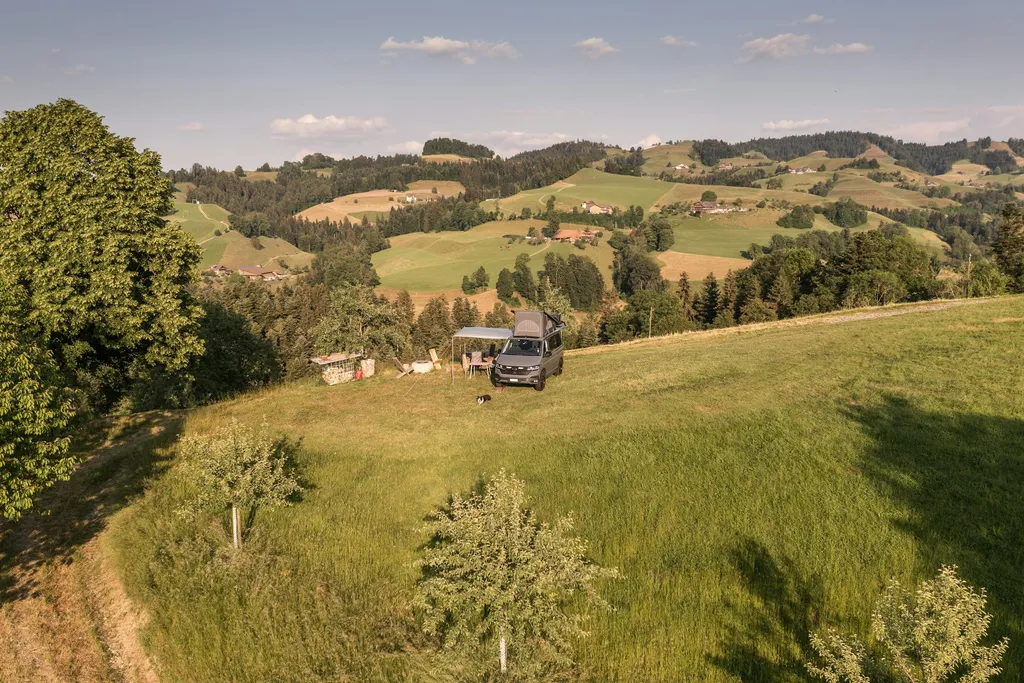
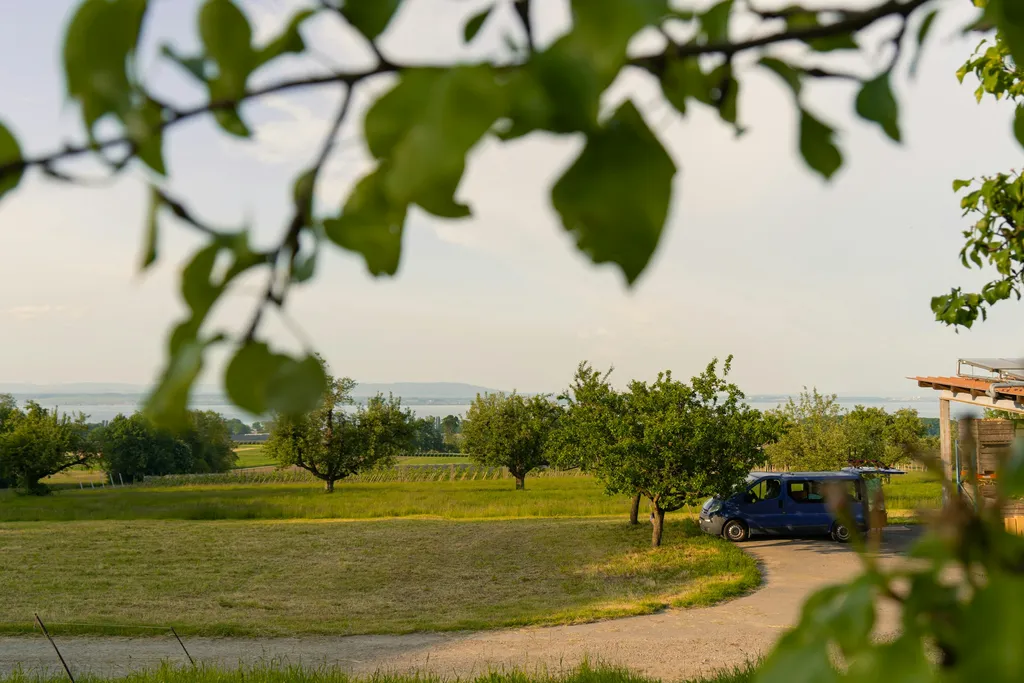
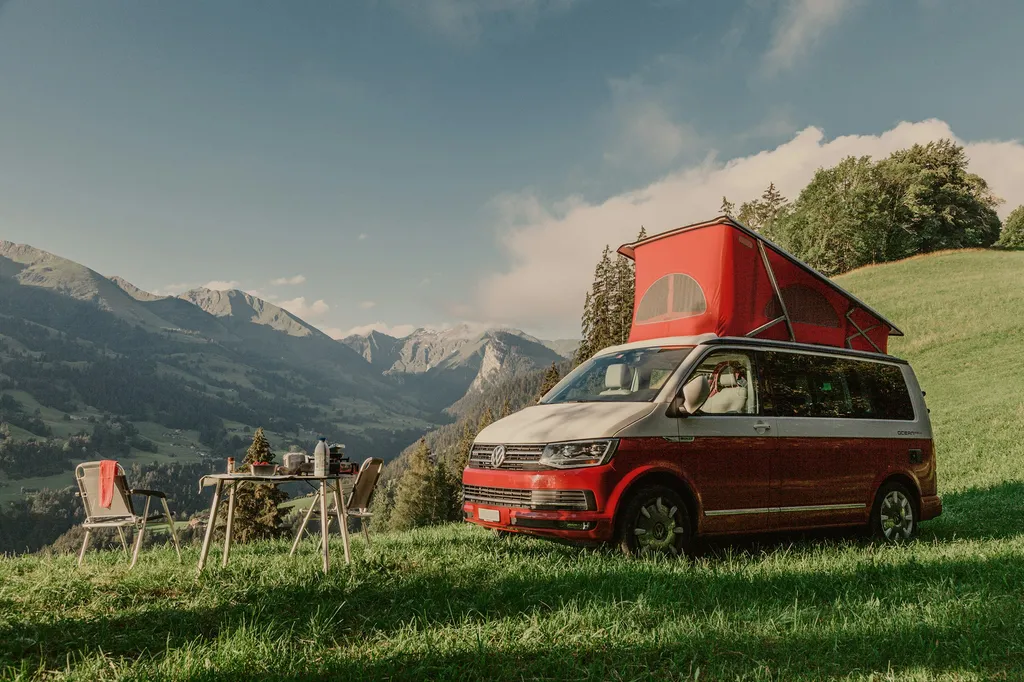
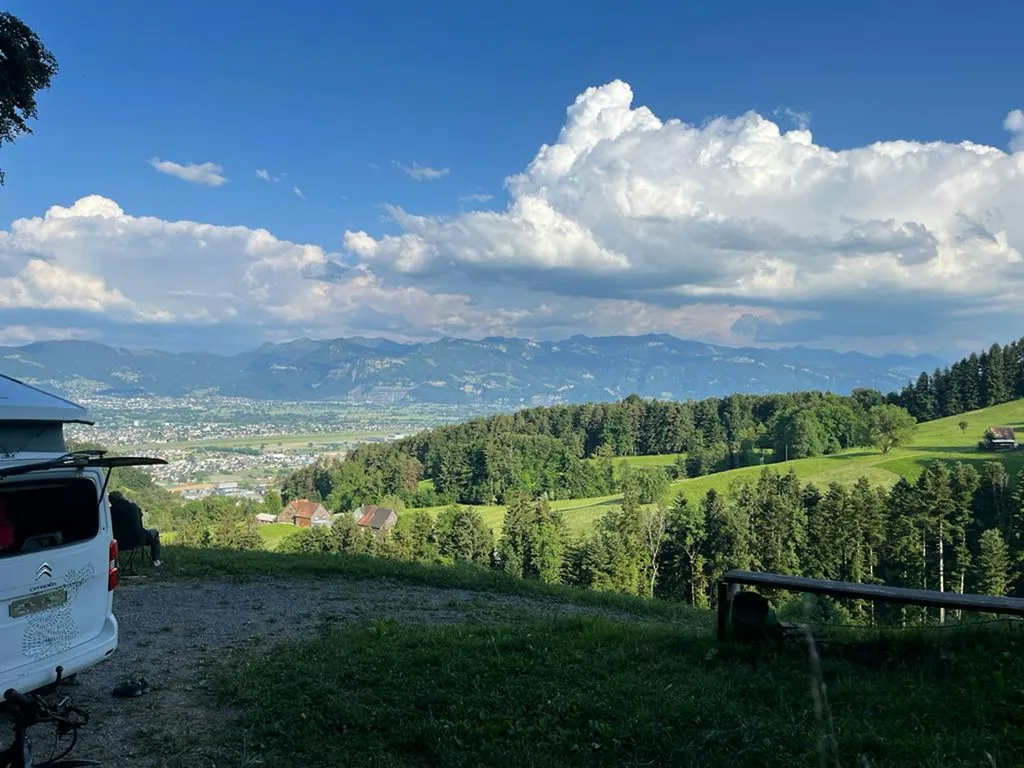
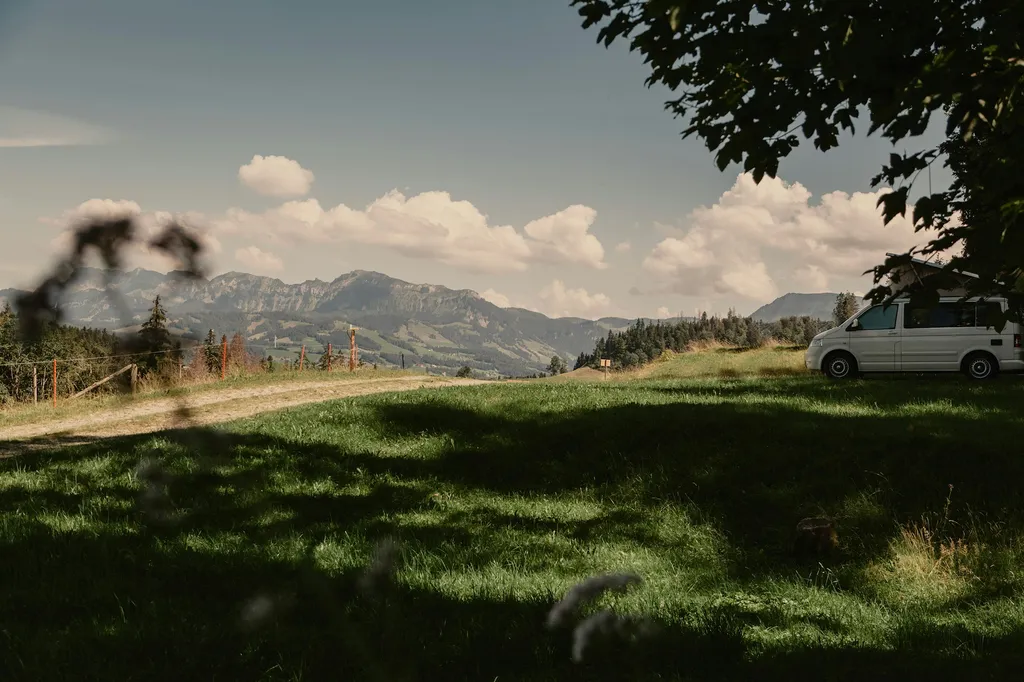
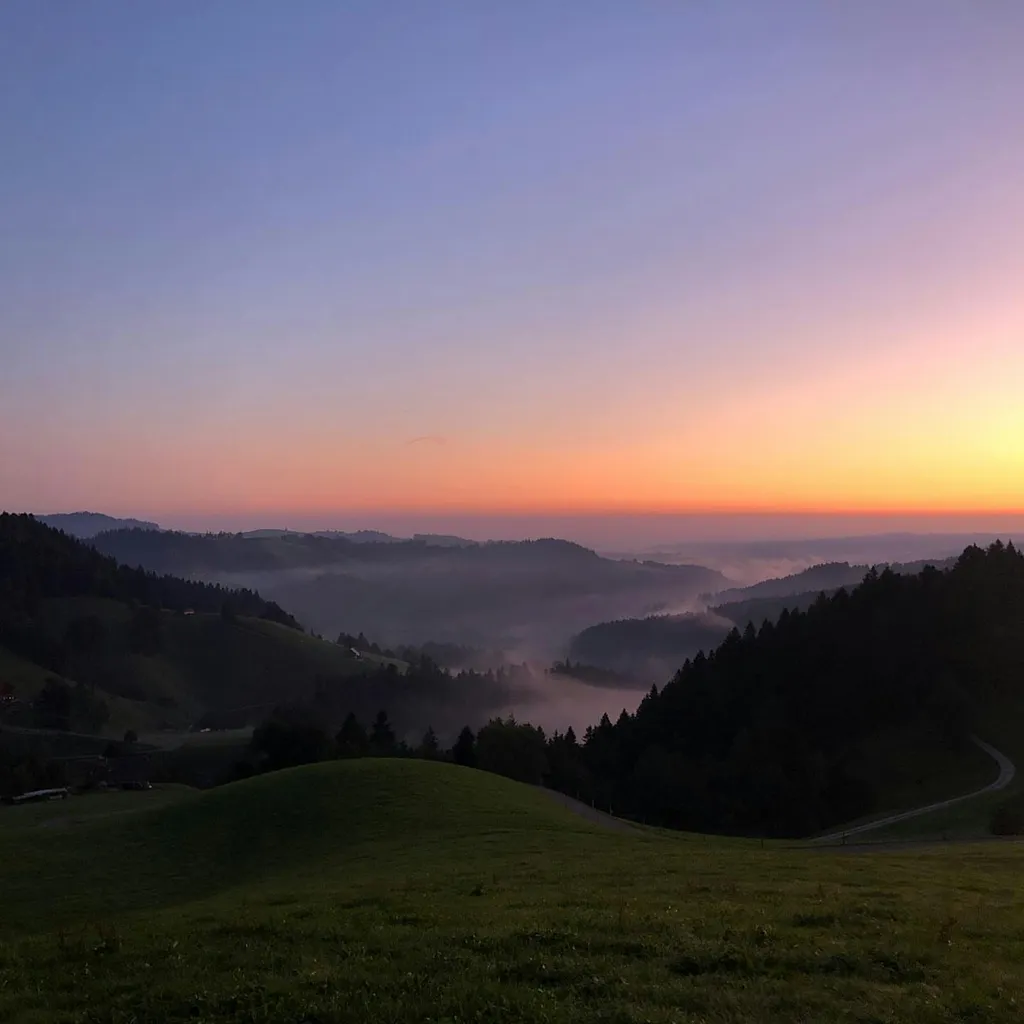
Almost Like Wild Camping
Why Is Wild Camping Actually Prohibited?
Germany is a densely populated country with fragile ecosystems. Wild camping can:
- Disturb wildlife
- Damage flora
- Increase wildfire risk
- Cause litter issues
In addition, property rights play a major role: forests are mostly owned by private individuals or the state – who have the right to protect their land.

Depending on the federal state and offense, fines between 10 and 500 euros per night may apply. It becomes especially costly:
- In nature reserves
- When lighting campfires or barbecuing
- If waste or traces are left behind
Tip: Those who behave quietly, respectfully, and with environmental care often only receive a warning – especially for a first offense.
1. Micro-Camping with Private Hosts
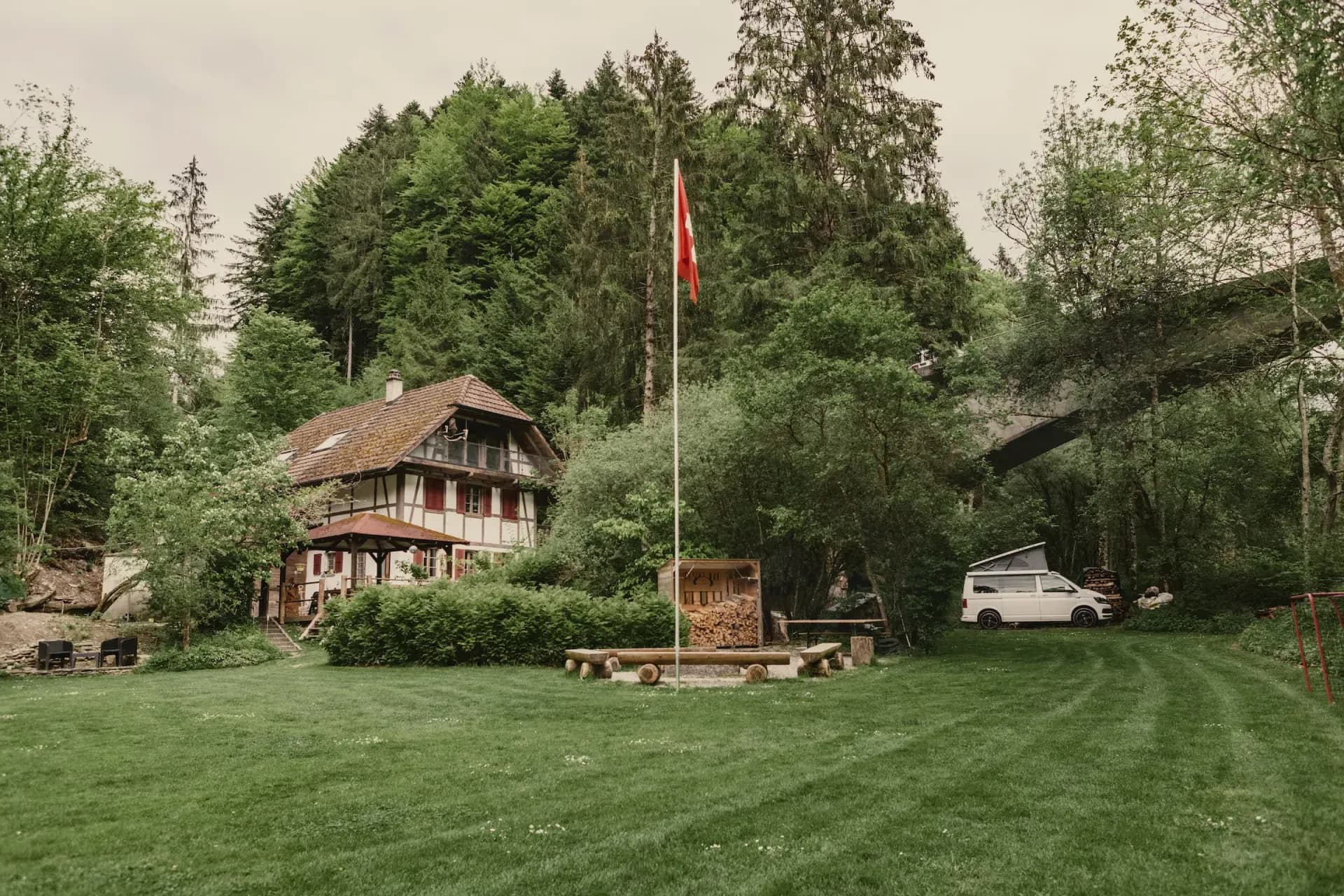
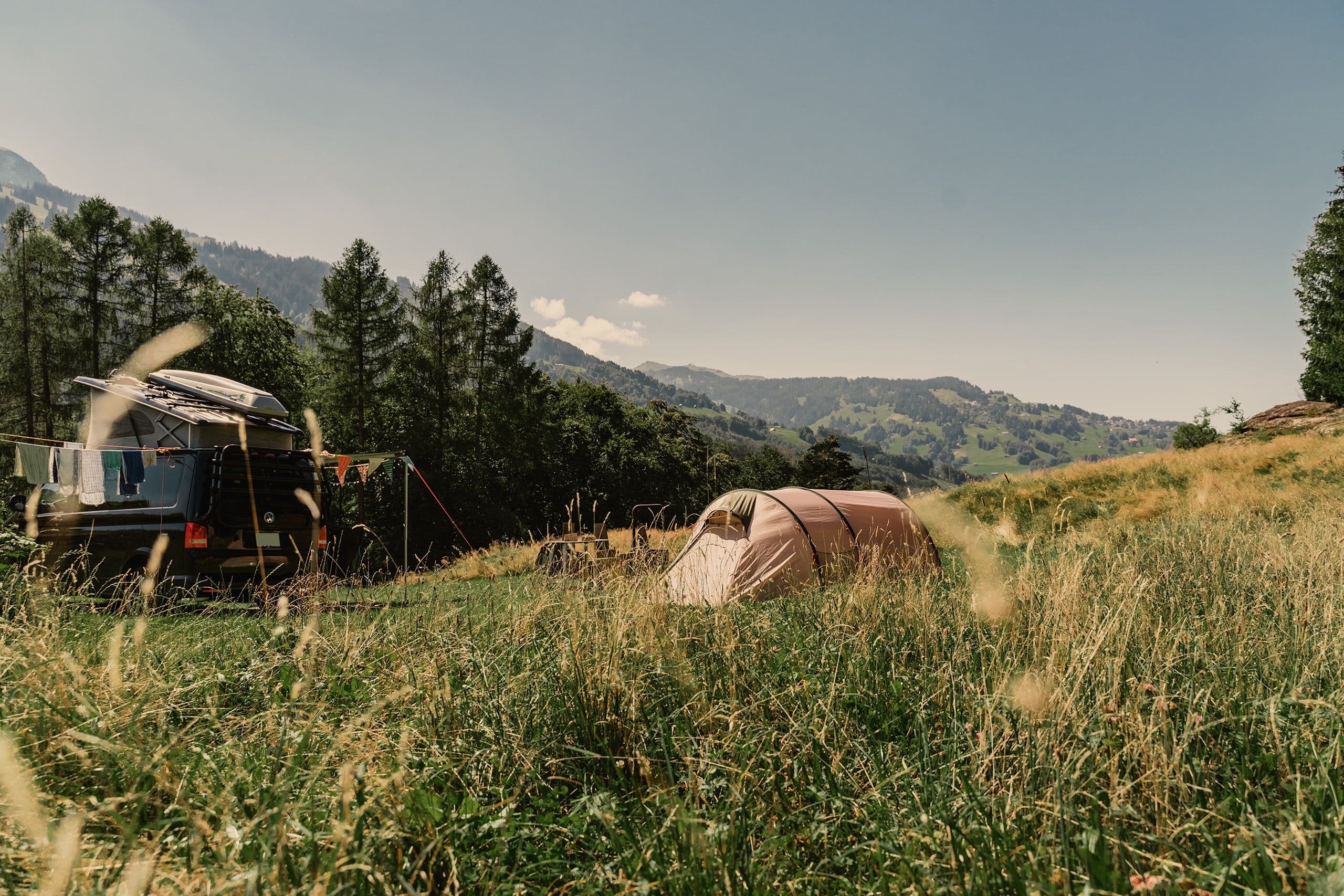
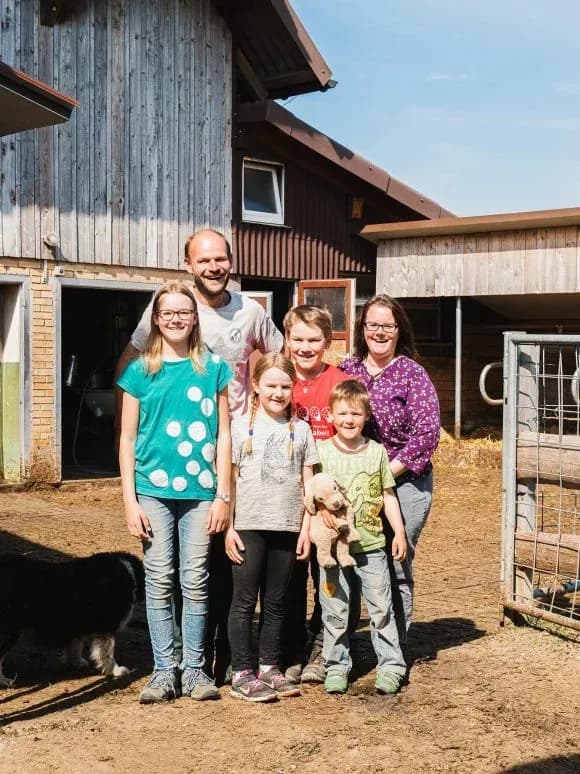
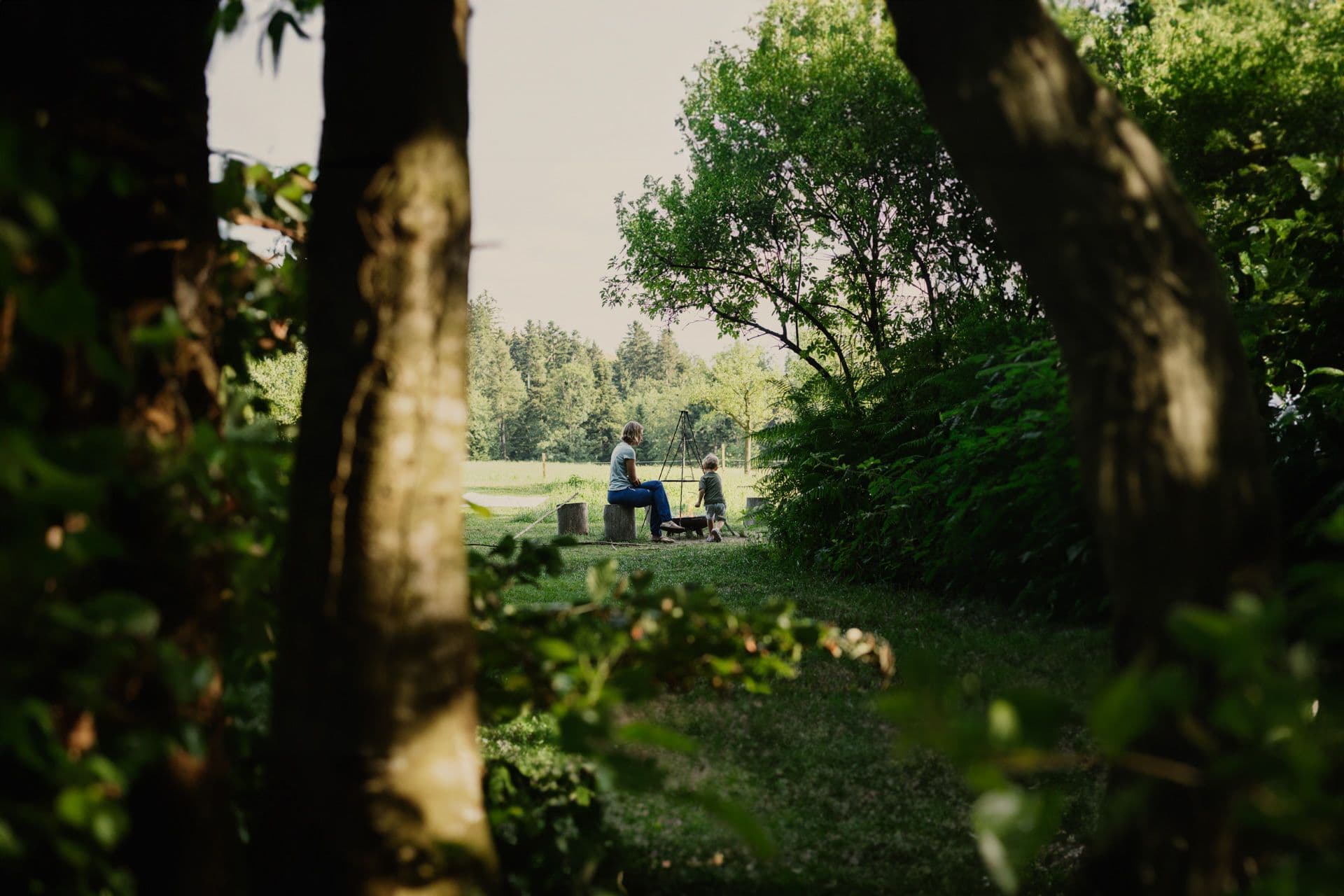
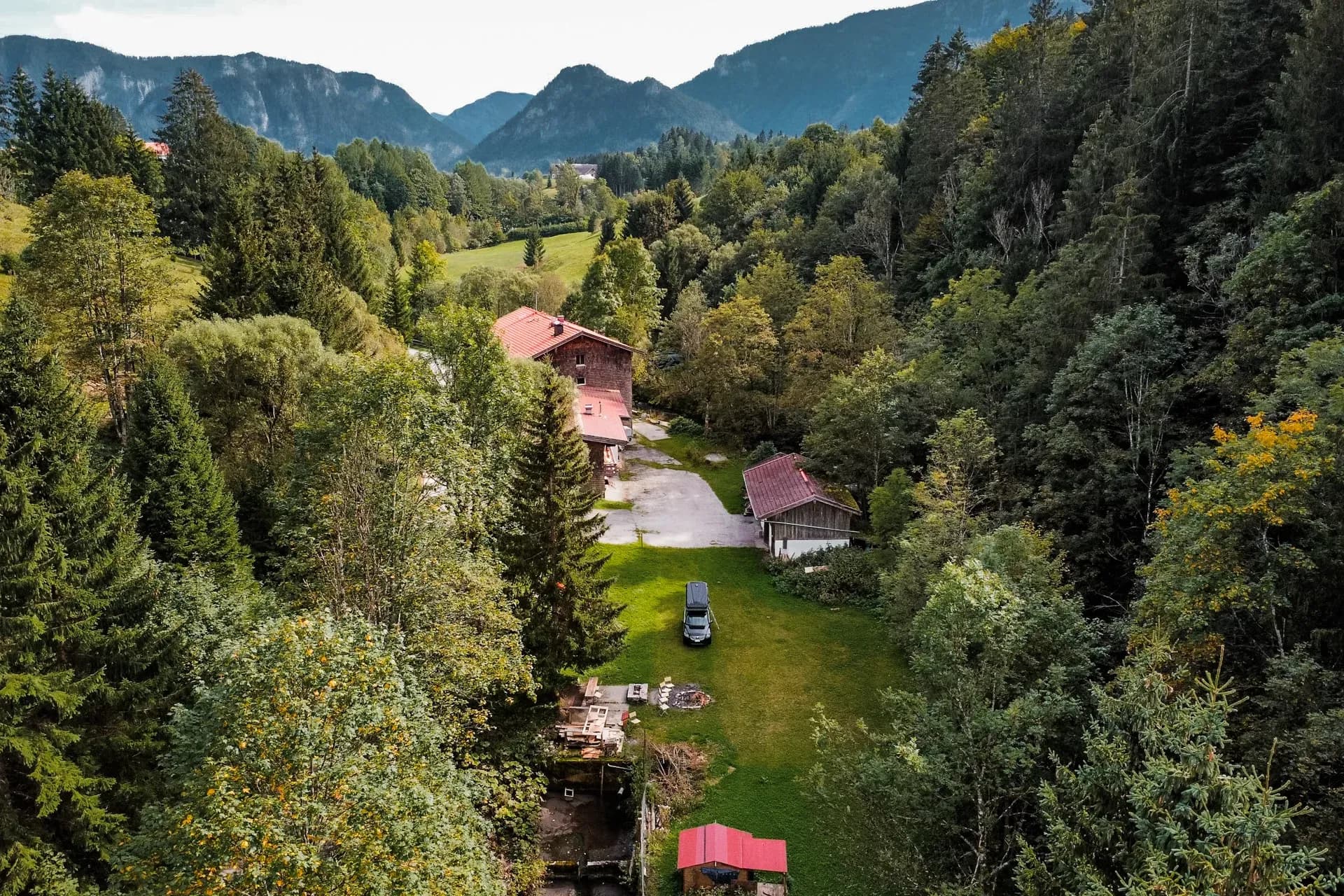
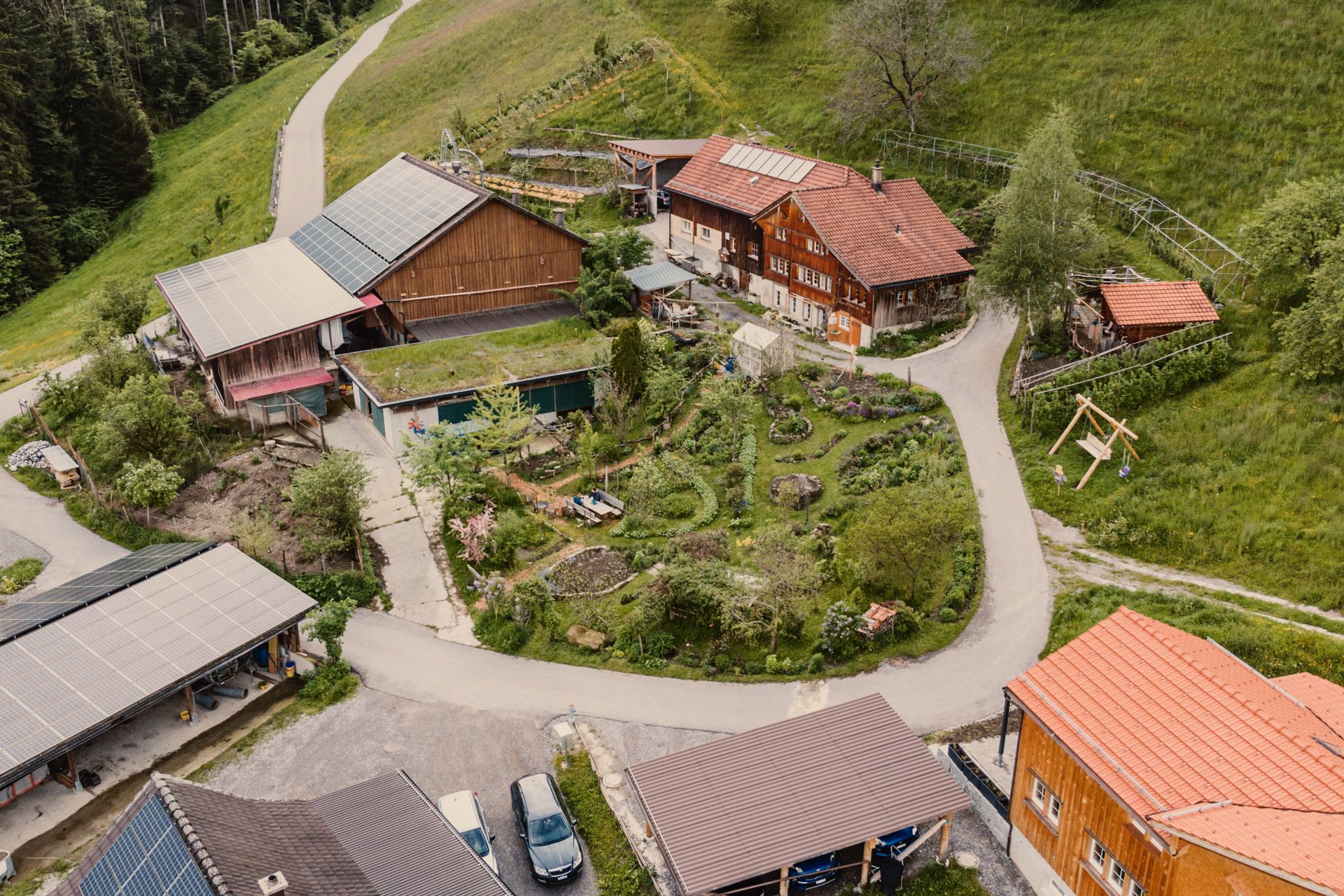
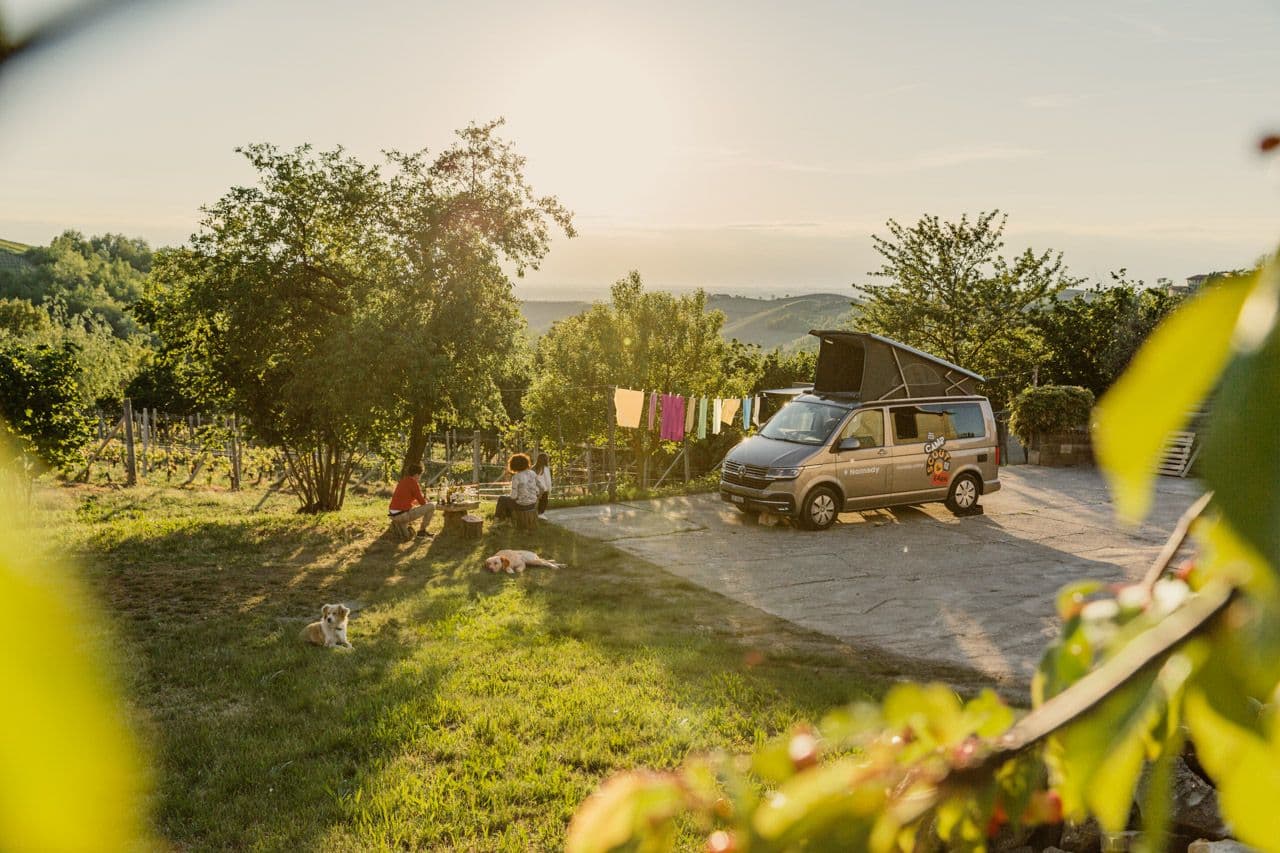
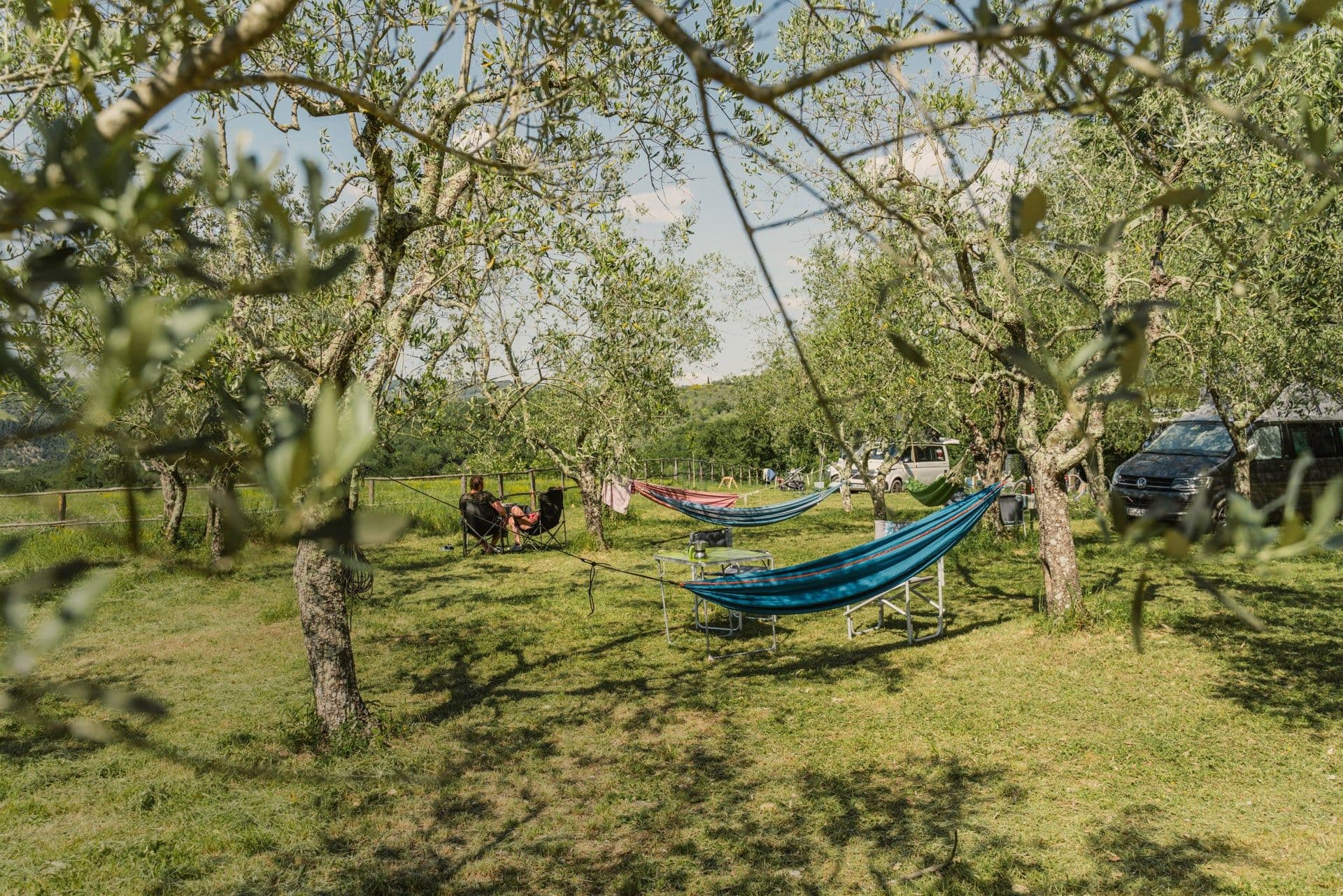
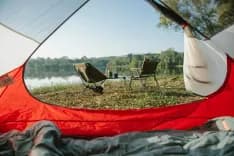
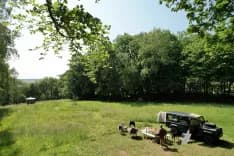
The dream of spending the night in nature lives on – just legally and consciously. That is the very heart of Nomady: a platform that connects nature lovers with private hosts. People who open their meadows, gardens, or forest edges – not for crowds, but for connection. No hustle and bustle, no noise. Just you, your tent, and a place that welcomes you.
Typical locations:
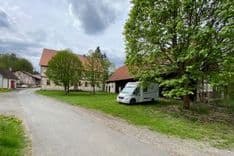
- On farms
- At the edge of the woods
- Beside peaceful lakes
These spots are:
- affordable (often €10–25 per night)
- quiet & secluded
- authentic, legal & straightforward
2. Trekking Routes with Overnight Spots
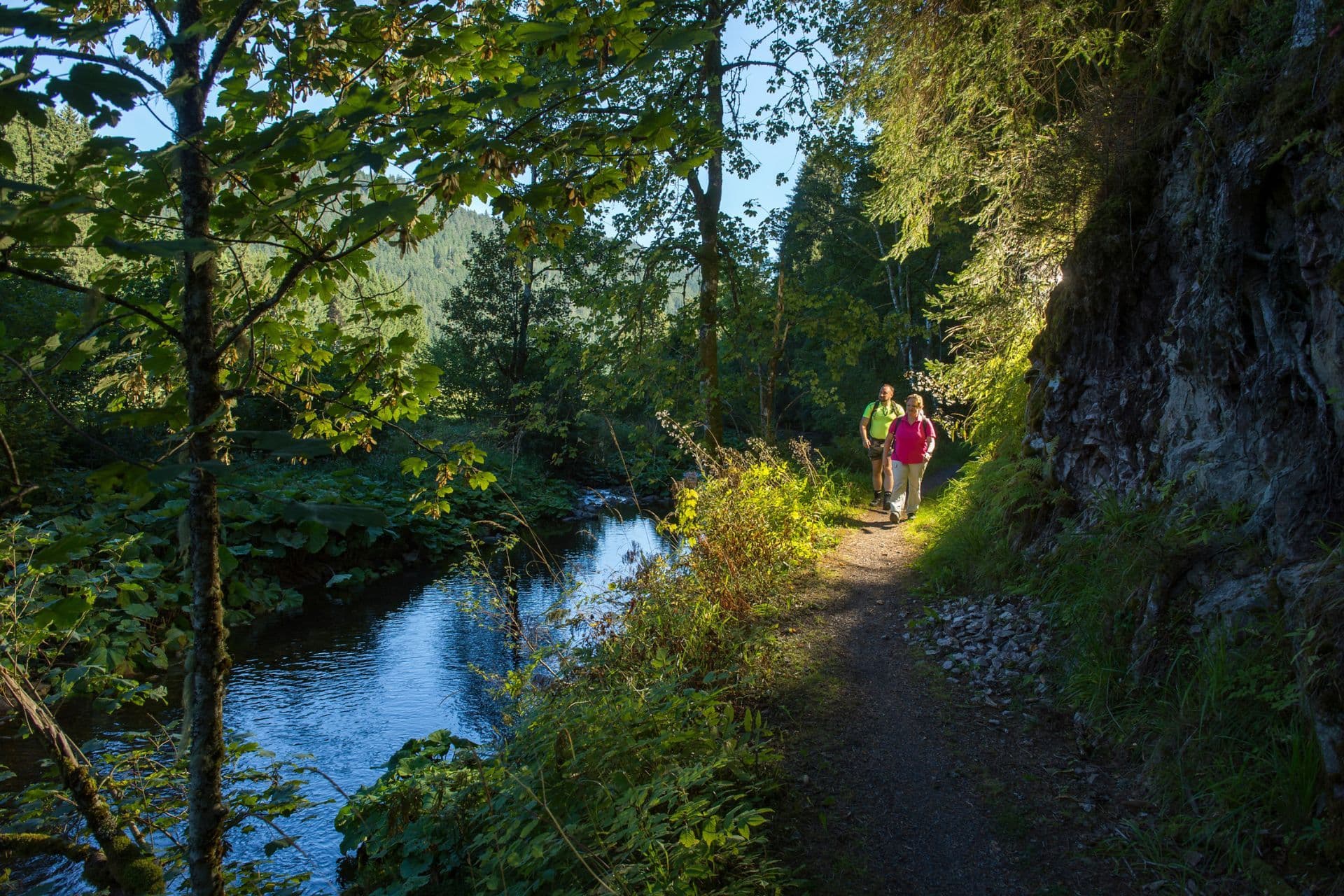
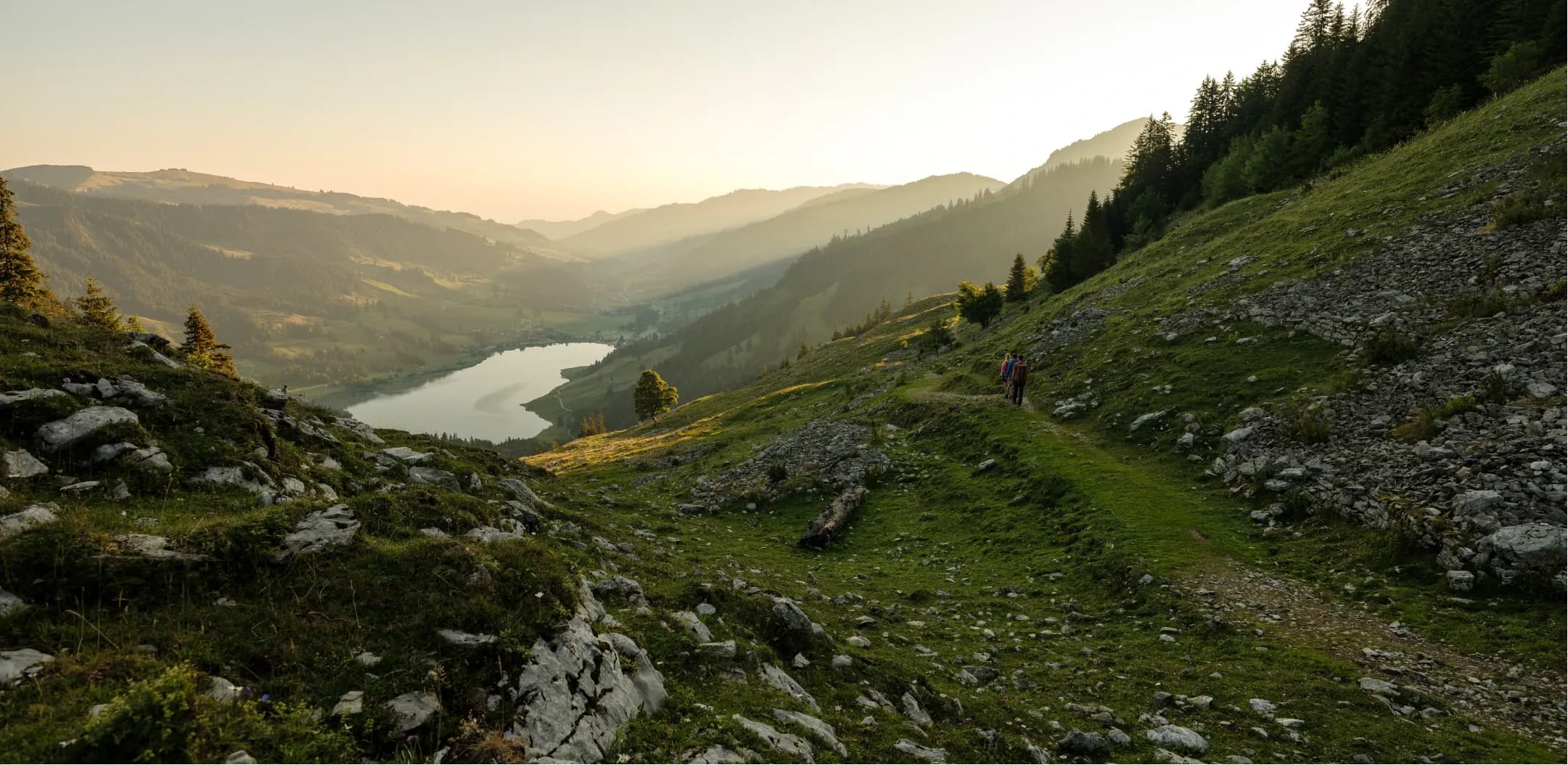
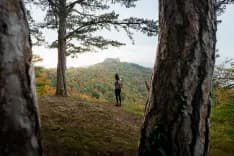
Several regions in Germany have embraced the longing for nature: there are signposted trekking routes with official overnight spots. These are usually minimally equipped (fire pit, composting toilet, wooden platform) – and that's exactly what makes them so special.
Palatinate Forest (Rhineland-Palatinate)
In the Palatinate Forest, you'll find routes with near-natural trekking sites – right between sandstone cliffs and ancient woodlands. Nomady offers legally bookable nature spots in this region, ideal as a starting or ending point for your hike. → Learn more: Camping in Rhineland-Palatinate
Eifel (North Rhine-Westphalia)
The Eifel captivates with its volcanic heritage, crystal-clear springs, and rolling hills. Nomady lists charming spots like a meadow by a stream or a quiet farm – perfect stopovers for trekking hikers. → Learn more: Camping in the Eifel
Franconian Forest (Bavaria)
In the Franconian Forest, you will find designated trekking routes leading to secluded spots beneath towering treetops. Nomady complements your adventure with private host options in the region – authentic and close to nature. → Learn more: Camping in Bavaria
Dübener Heide (Saxony)
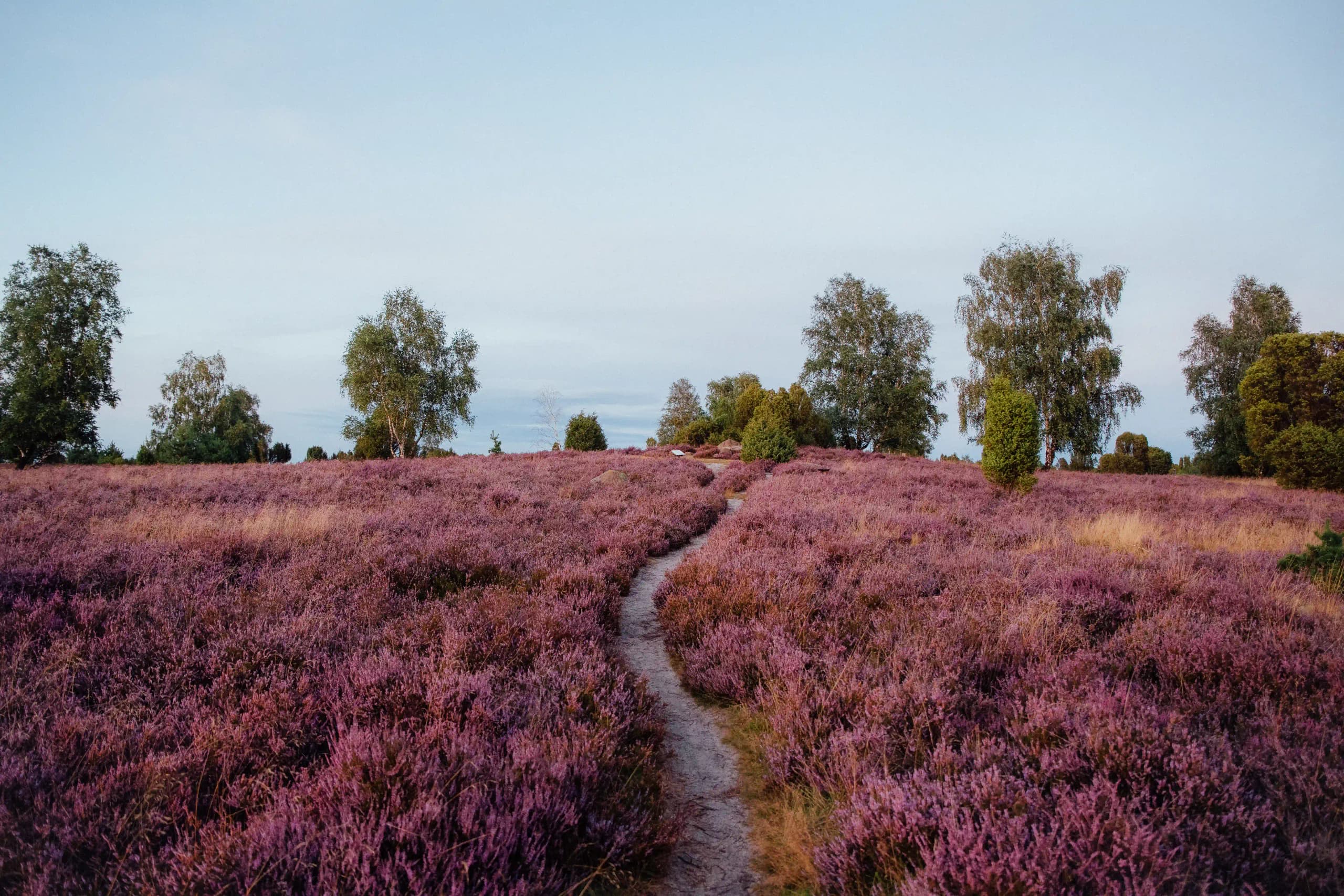
The Dübener Heide offers peaceful hiking trails through moorland landscapes and sunlit pine forests. On Nomady, you'll find spots like Camp Streuobstwiesen-Idylle, idyllically situated on the edge of the heath – ideal to round off your trekking trip.
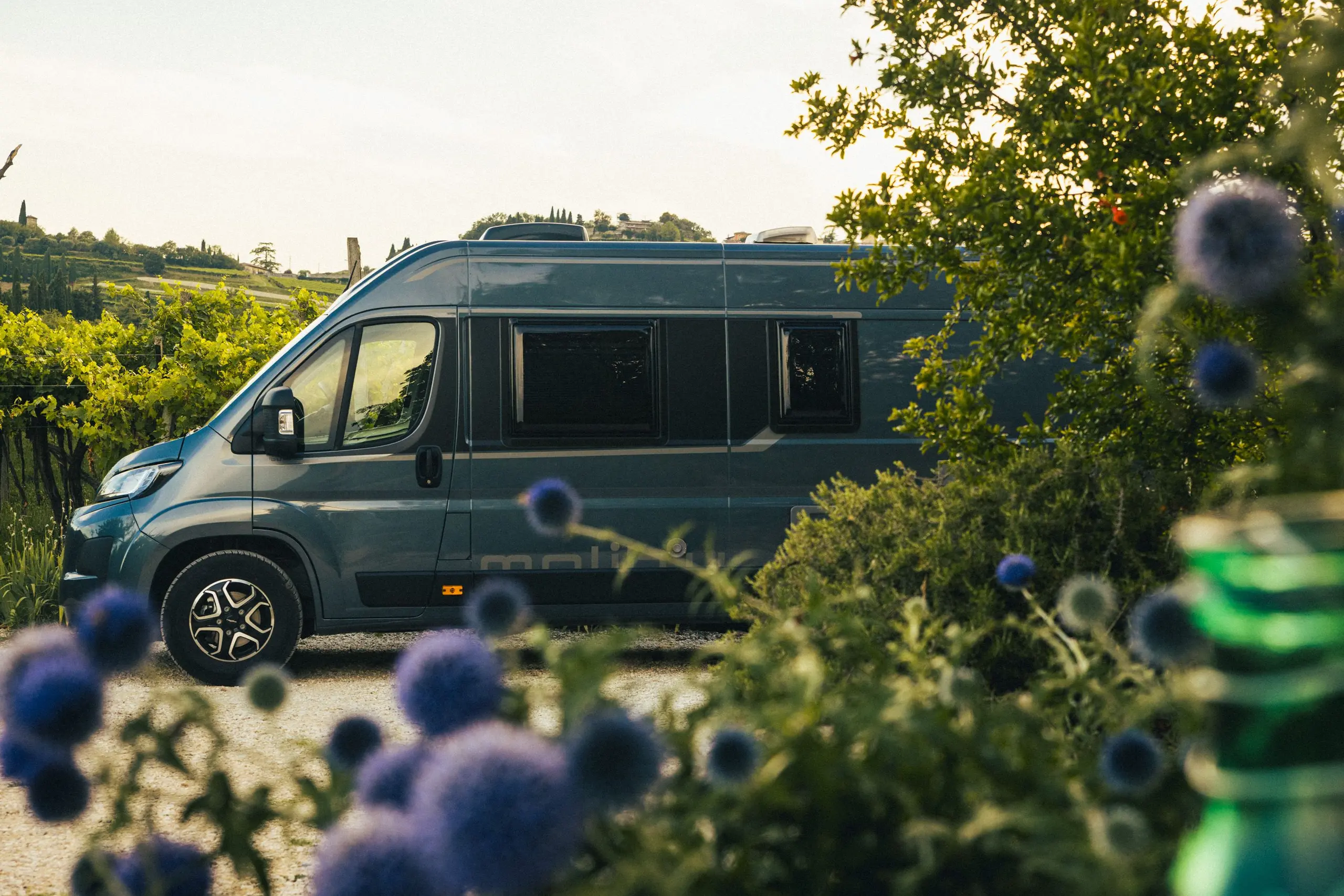
3. Camper Road Trips – Done Right
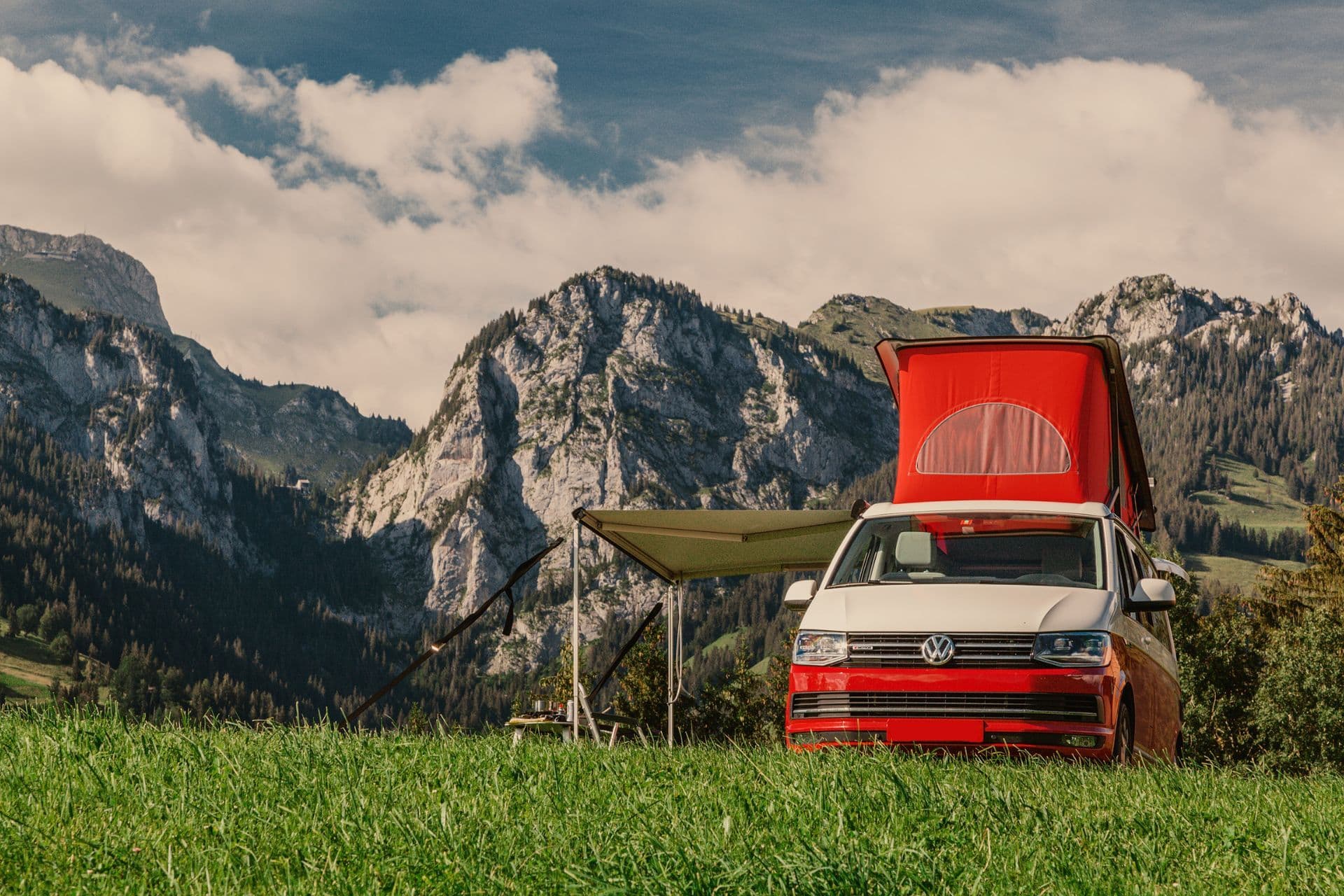
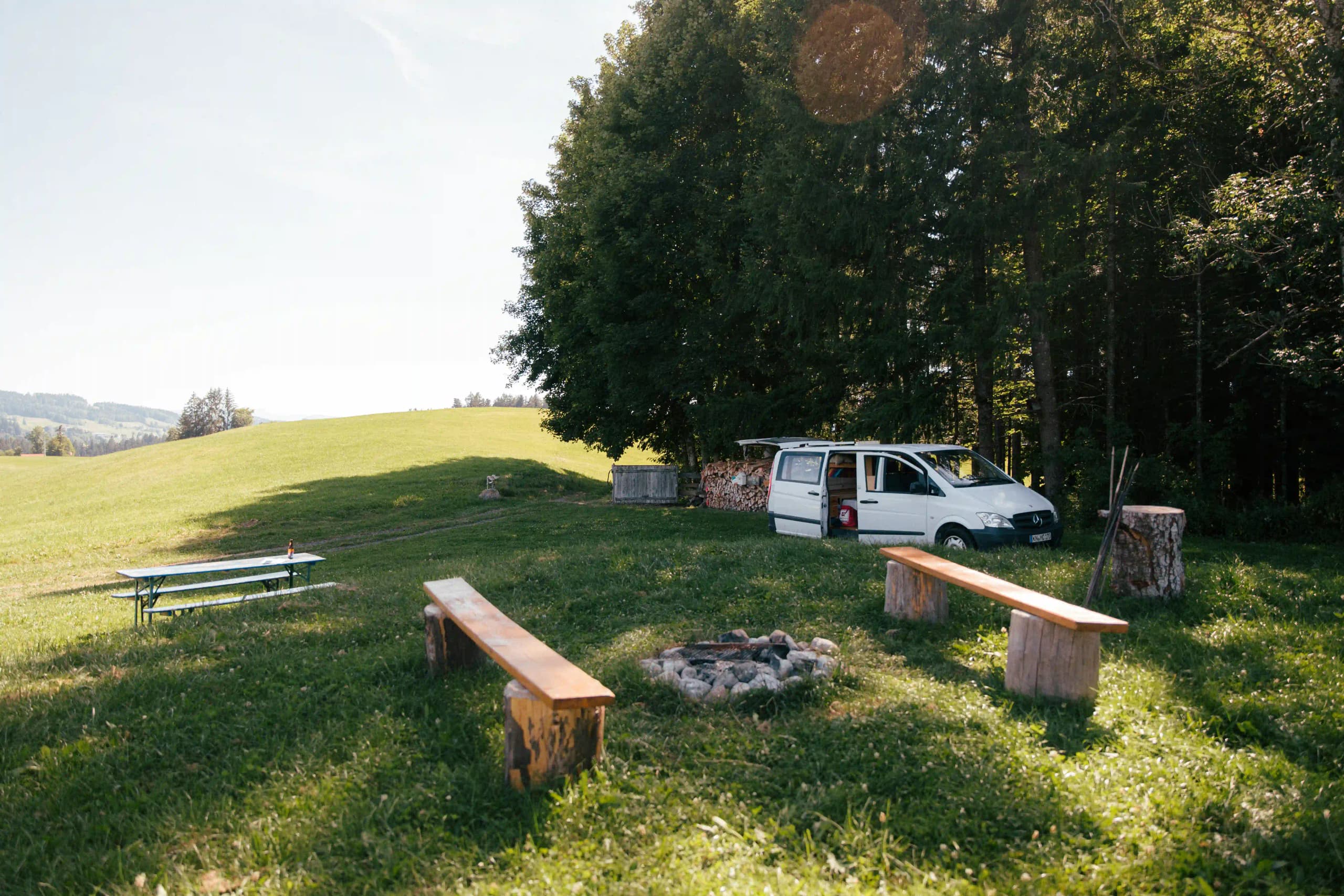
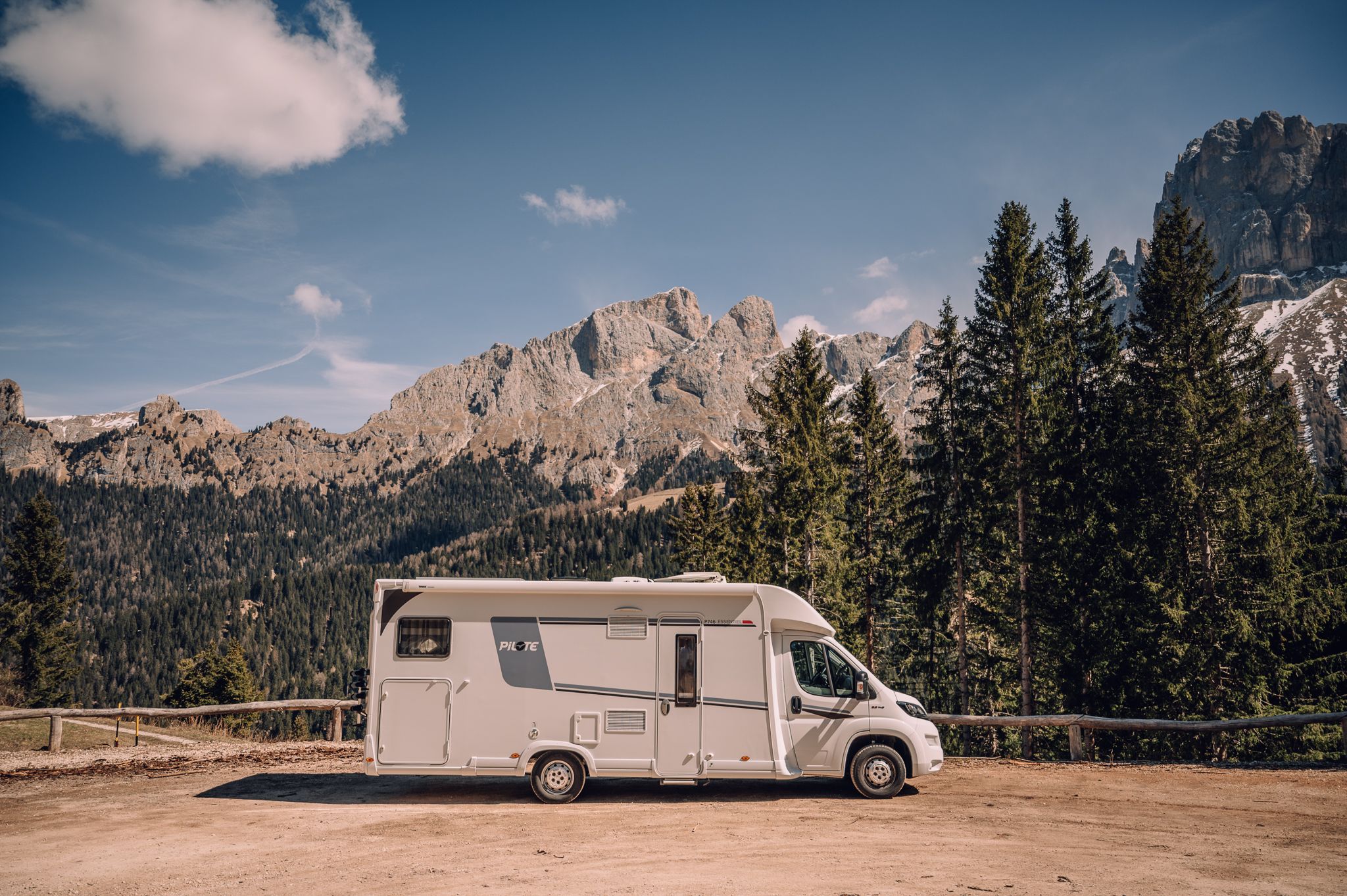
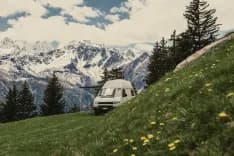
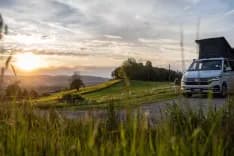
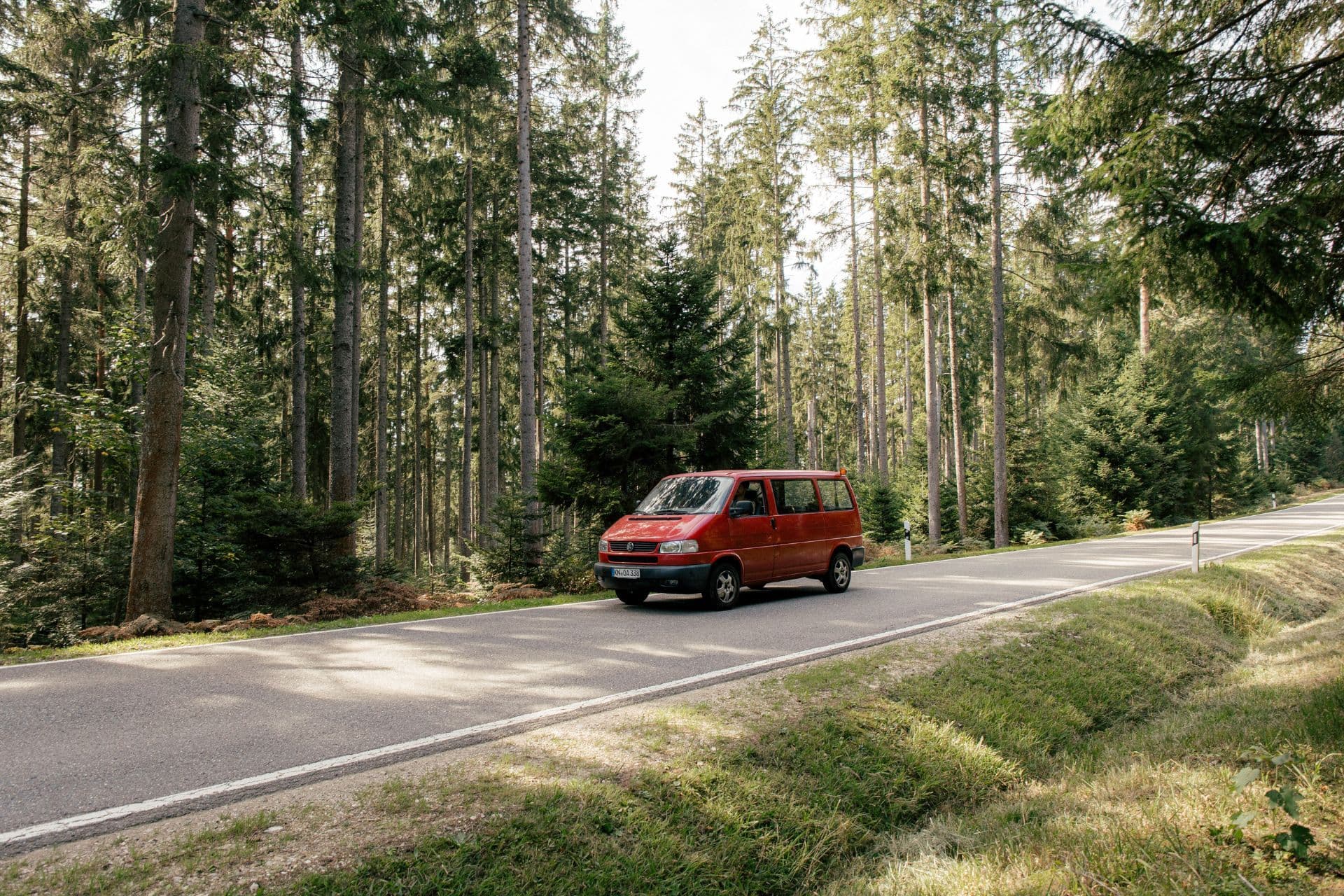
If you are travelling in a van or camper, the following applies:
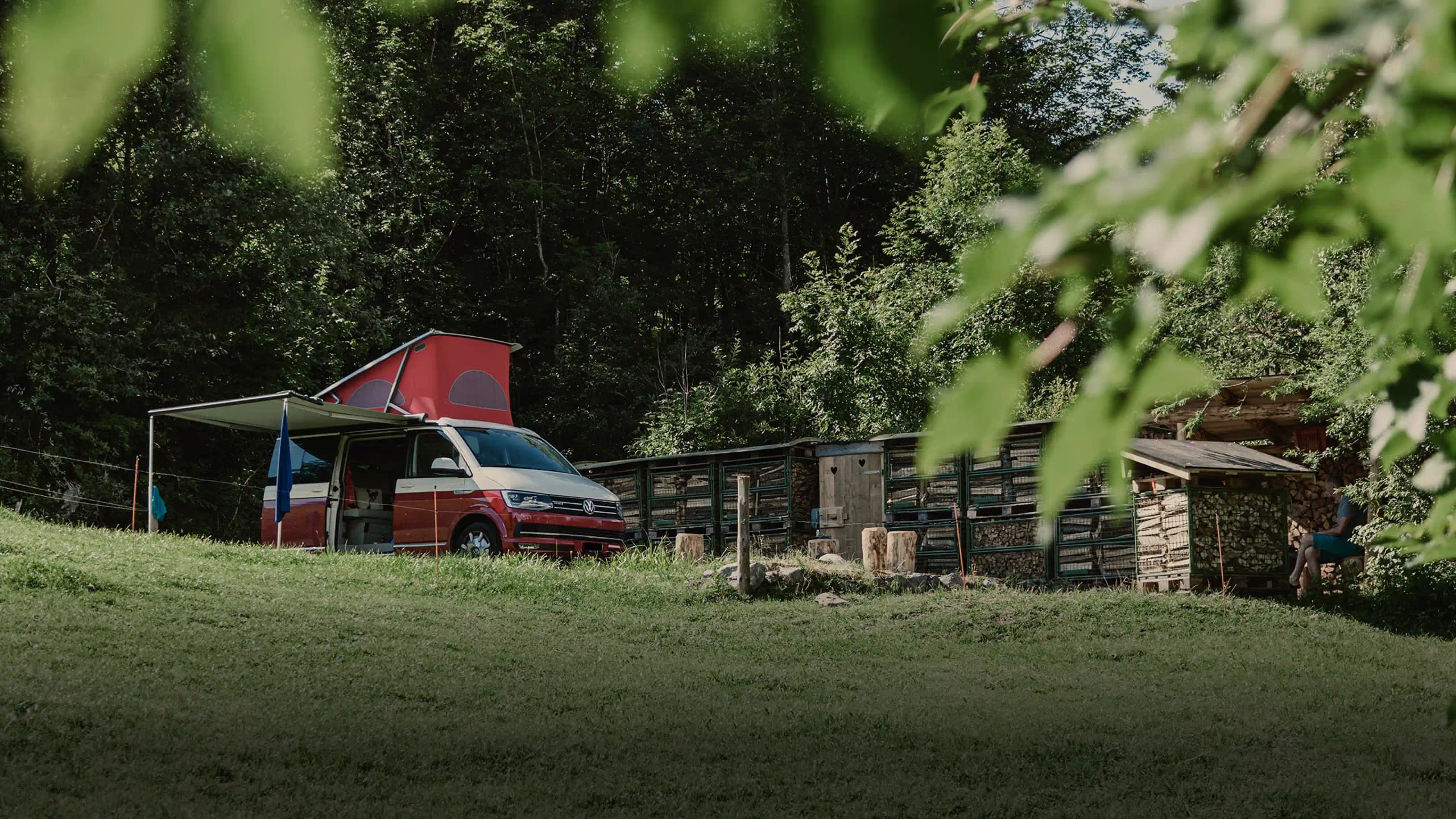
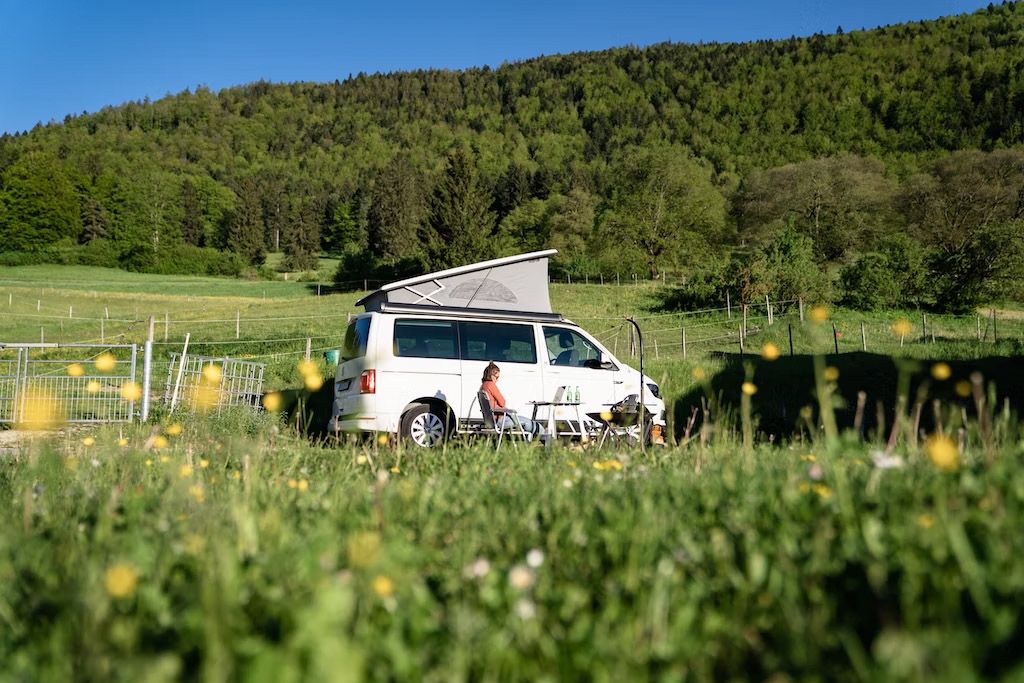
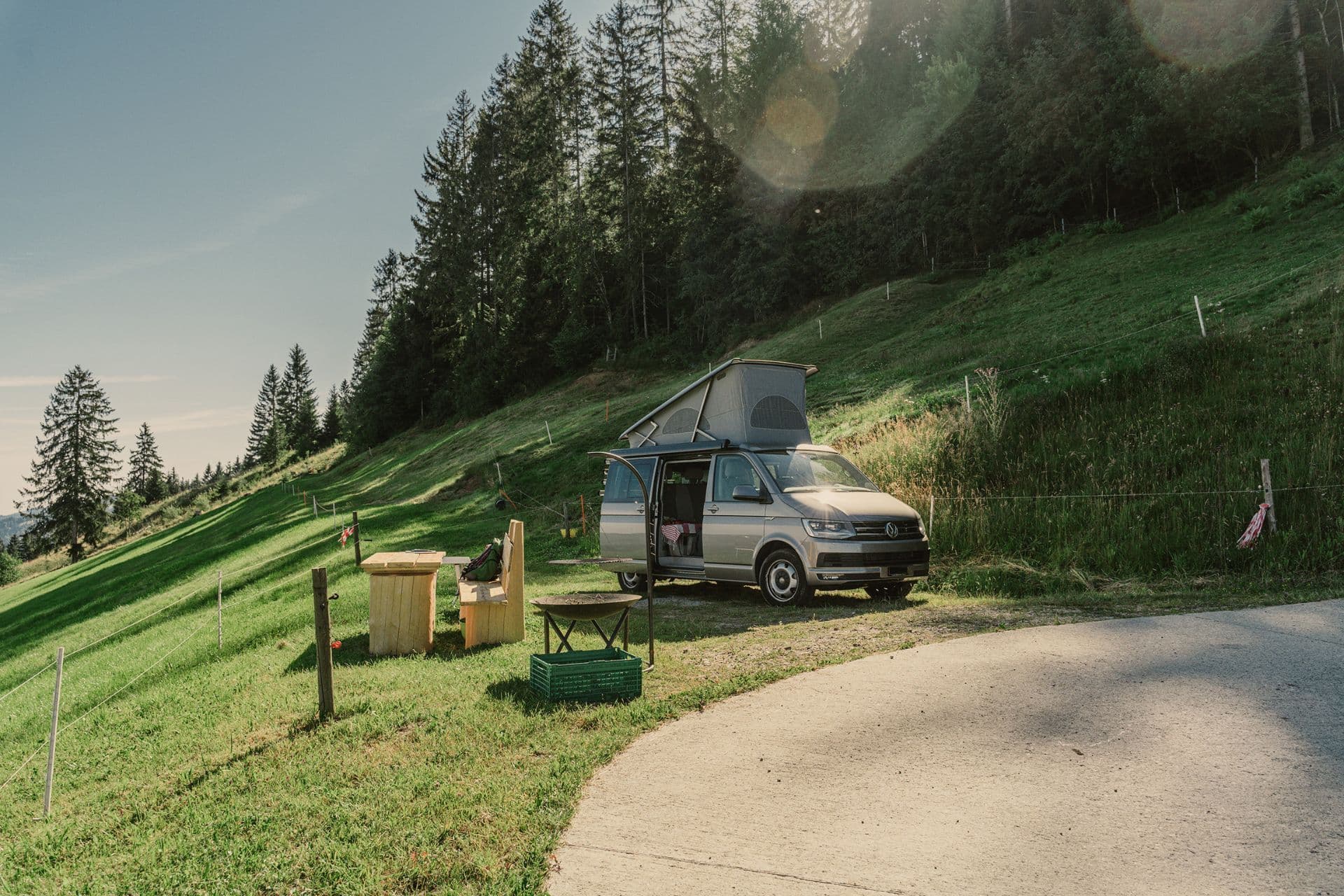
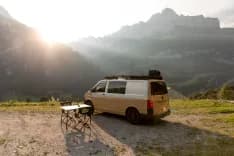
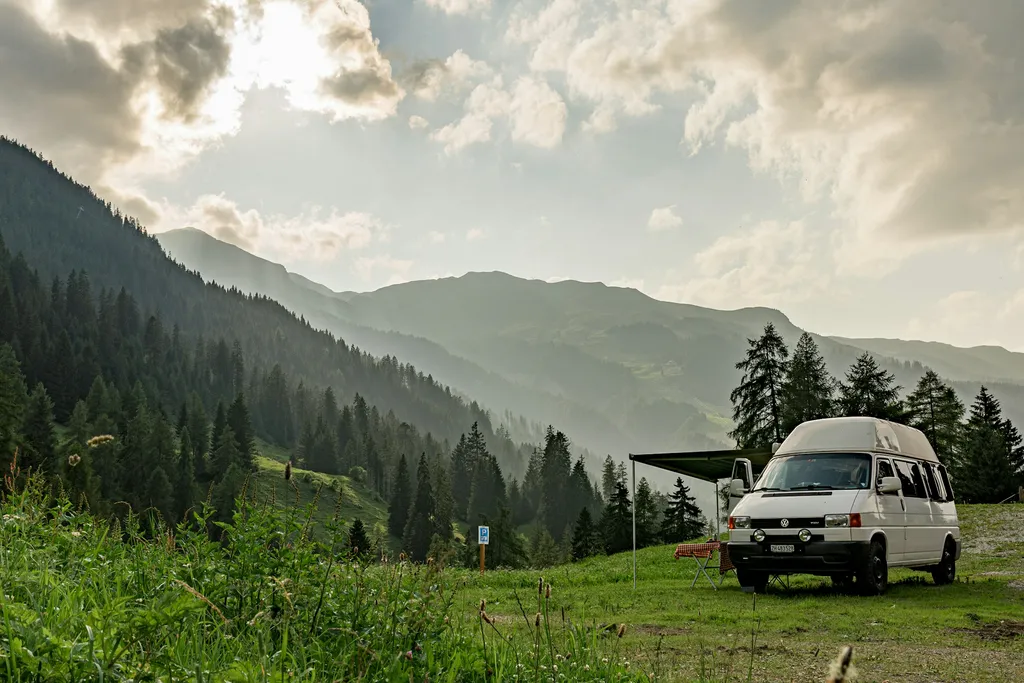
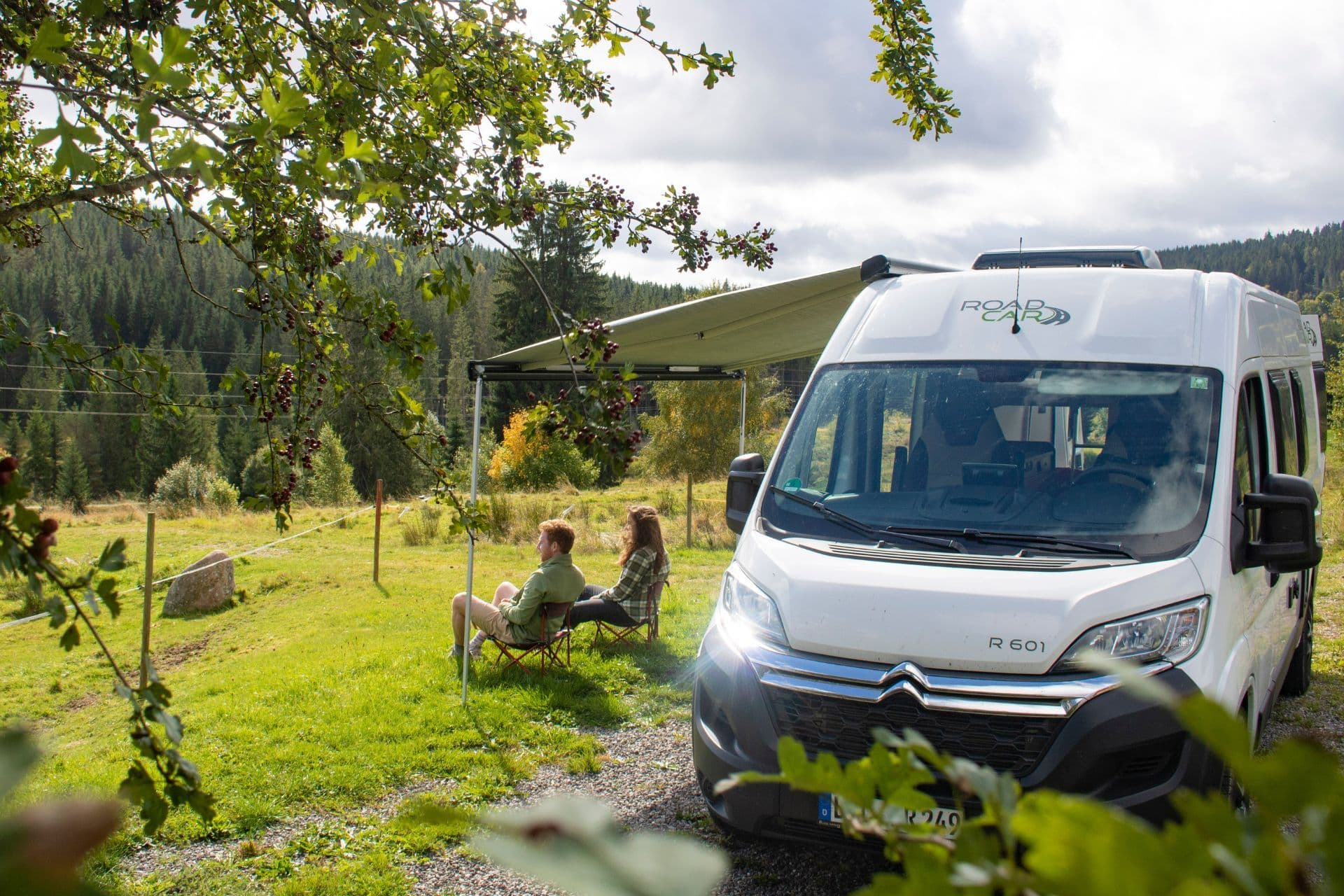
- Parking for one night to restore your fitness to drive is permitted (but no camping behavior: tables, barbecue, awning, etc.)
- Wild camping in a vehicle is prohibited in many places
→ Still unsure where to go? Top 5 motorhome routes in Germany you'll love
Your Break Begins Here
Do you want to sleep outdoors without breaking any rules? At Nomady, you'll find legal nature spots, lovingly maintained by private hosts. No mass tourism, no noise – just you, nature, and a place that welcomes you.
Discover a spot now and simply be outdoors – Nomady Nature Camping