Camping at the Baltic Sea – Freedom Between Dunes, Waves and Starry Skies
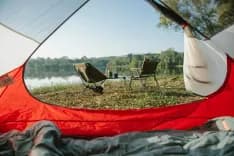
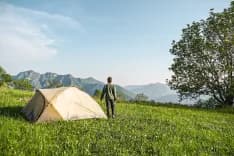
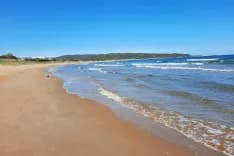
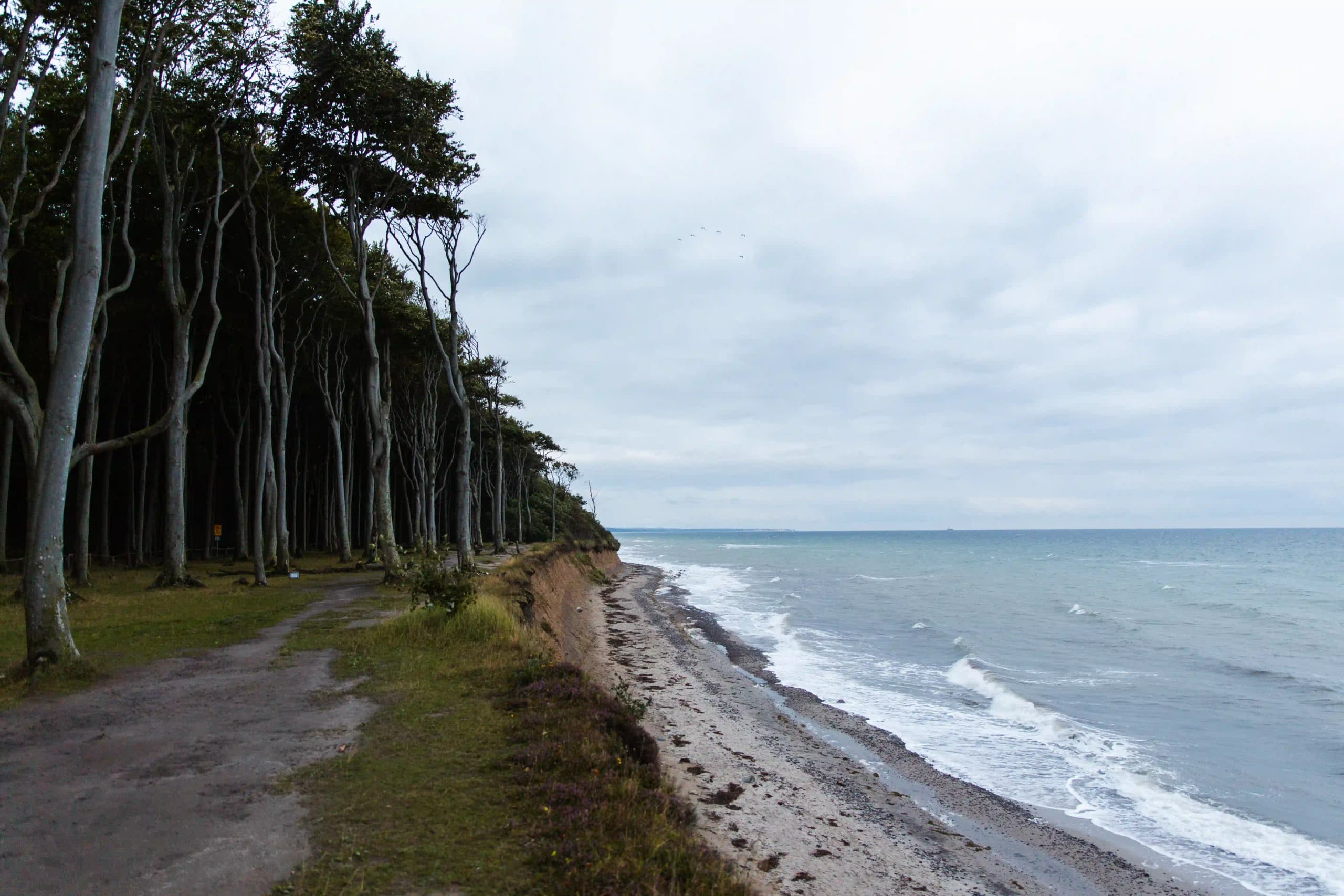
The Baltic Sea enchants with its unique light, long sandy beaches and the gentle sound of waves. When traveling with a tent, you dream of a night under the open sky – the sound of the sea in your ears, gazing at the horizon.
Yet as romantic as wild camping sounds: by the Baltic Sea, it is legally prohibited and can get expensive. You will have a much more relaxed and safe trip at an official campsite on the Baltic Sea – legal, comfortable and still close to nature.
Why an official campsite by the Baltic Sea is the best choice
An official campsite by the Baltic Sea offers peace of mind. Instead of wondering on the fly whether you're allowed to pitch your tent somewhere, you book a spot with clear rules, prices and contact persons. This is especially crucial along the coast, where many areas are protected nature reserves or privately owned.

Beach camping at the Baltic Sea: Is it even possible?
Beach camping at the Baltic Sea sounds tempting: pitching your tent, listening to the waves and jumping straight into the water in the morning. In practice, however, wild camping directly on the beach, in the dunes or along undeveloped coastal stretches is generally not permitted. Many beach and dune areas are protected, serve coastal defense purposes or are part of delicate natural habitats.
The only alternative is campsites close to the beach. Many Baltic Sea campsites are located just minutes from the water – sometimes right behind the dike, along natural beaches or near beach access points.
When booking, look out for terms like close to the beach, seafront, behind the dunes, natural beach, beach access or coastal tent meadow.

Legal regulations & fines
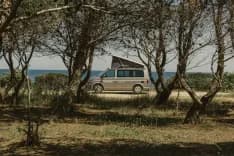
Wild camping in a tent, camper or car is strictly prohibited along the Baltic Sea. In nature reserves, fines can reach up to 1,000 euros.
Even if taking a short rest is sometimes tolerated, the legal situation is clear. Official campsites are the only legal and stress-free option.
Overview of regulations by federal state
Wild camping is strictly prohibited here, and bivouacking is usually not tolerated either. Protected areas carry high fines.
→ Alternative: One Night Camps (official spots in the Black Forest)
Very strict rules. Wild camping and bivouacking are mostly prohibited, especially in the alpine regions and forests.
→ Alternative: Trekking sites in the Franconian Forest (legal and close to nature)
Sleeping in the forest is prohibited by law. Bivouacking is sometimes tolerated, but not recommended without permission.
→ Tip: Use private land with permission
Camping out in the wild is not permitted. There are no official trekking sites – but plenty of private natural spaces.
Tip: Camping in nature in Hesse with private hosts on Nomady
Very restrictive. Pitching a tent and bivouacking outside of official campsites is strictly prohibited.
→ Alternative: Nature campsites near the Baltic Sea & Lake District
Wild camping is not permitted here either. Bivouacking may be tolerated in very remote areas – with the utmost care and respect.
→ Use official spots in the Lüneburg Heath or the Harz region
Wild camping is not permitted, especially in forests and local recreation areas.
→ Alternative: Eifel trekking sites with advance booking
One of the most camping-friendly states: → Trekking camps in the Palatinate Forest offer official, legal wild camping spots right in nature.
Tip: Camping in nature in Rhineland-Palatinate with private hosts on Nomady
Strict protected area regulations. Wild camping is strictly prohibited, and there are no official trekking sites.
→ Better: Private land with host permission
Relatively open. In some regions, staying overnight on private property is tolerated or legal with permission.
→ Ideal for micro-adventures between coast and forest.
Wild camping is not permitted. For hikers, bivouacking may be tolerated in exceptional cases – but please check in advance.
→ Tip: Düben Heath trekking route for legal overnight stays
Regulations are similar to Saxony: Wild camping prohibited, bivouacking sometimes possible, but not guaranteed.
→ As an alternative, private spots in nature: Nomady camping in Saxony-Anhalt
Wild camping is prohibited by law, primarily in forests and protected areas.
→ There are individual nature campsites, often in the Thuringian Forest
In city-states, wild camping is virtually impossible – densely populated, hardly any open spaces.
→ Head to rural areas in the surrounding countryside.
Important basic rules to keep in mind

Leave no trace, make no noise
Respect other people's privacy and observe quiet hours at night. Wildlife also needs undisturbed rest. Avoid loud noises and leave your pitch completely clean.

Washing up and showering
Do not do your dishes directly in or by bodies of water, and never pour wastewater into them. Use biodegradable dish soap and toothpaste. Washing yourself in a stream or river is fine, but shower soap should be eco-friendly or skipped altogether.

Answering the call of nature
Only relieve yourself outdoors when truly necessary and keep a good distance from water sources. Pathogens can harm wildlife. Use a bag to pack out your toilet paper or burn it (never during forest fire risks) after burying your waste. True wild campers always carry a small trowel.

Campfires
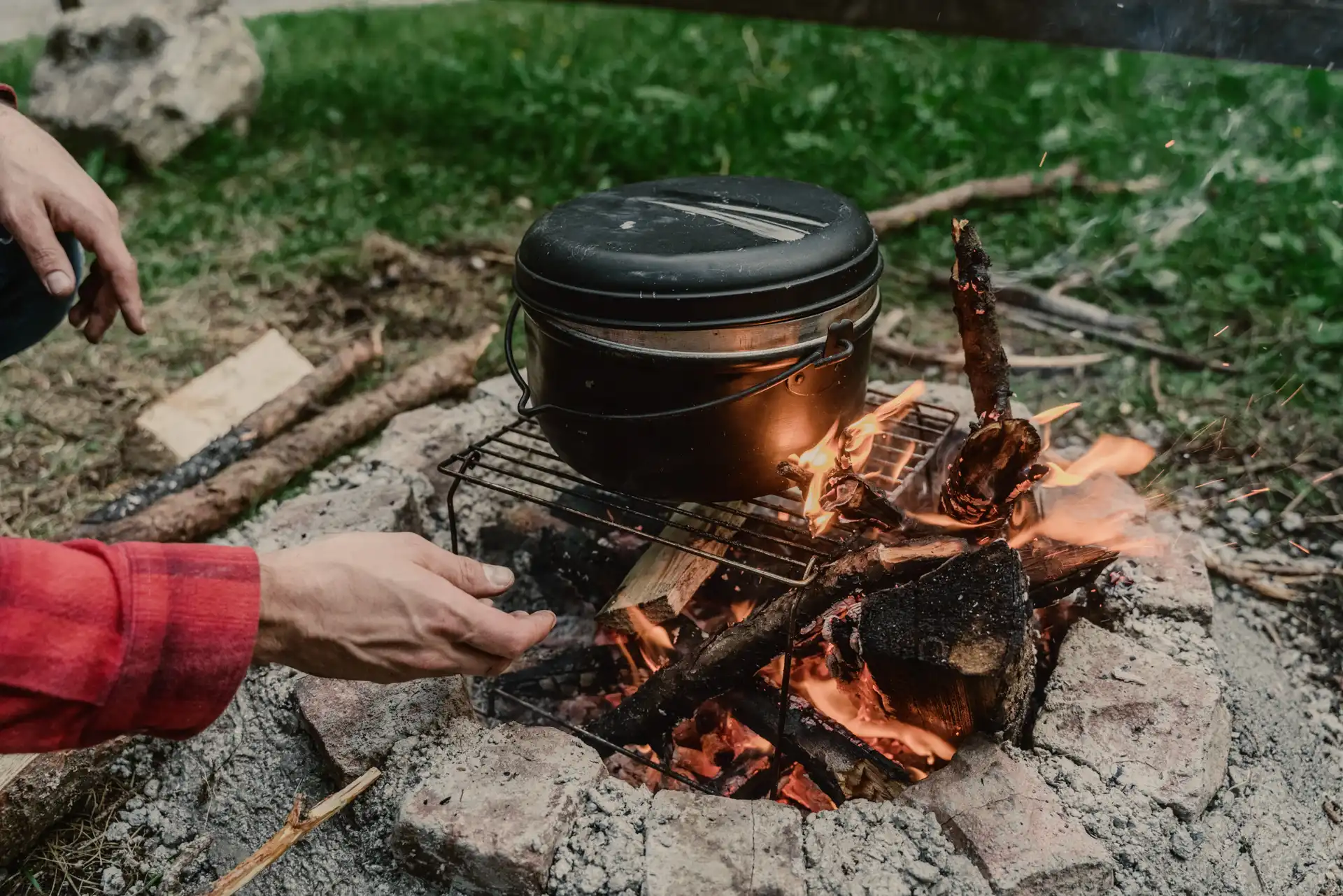
Lighting fires is prohibited in many areas, as it disturbs wildlife. Pay close attention to local signs. Always exercise caution when making a fire. Use existing fire pits and check the current wildfire danger levels. In Ticino and Italy, we strongly recommend never making an open fire.
Where are the best spots for tent camping on the Baltic Sea?
The Baltic Sea is wonderfully diverse. Schleswig-Holstein and Mecklenburg-Western Pomerania offer distinct landscapes, coastal forms, and camping experiences. Which region suits you best depends on whether you're looking for classic seaside resorts, islands, lagoon landscapes (Bodden), cliff coasts, natural beaches, or peaceful spots in the hinterland.
Tent camping on the Baltic Sea in Schleswig-Holstein
Schleswig-Holstein is ideal for anyone looking for quick access to the coast, classic Baltic seaside resorts, and varied day trips.
Bay of Lübeck
The Bay of Lübeck is ideal if you want to combine camping on the Baltic Sea with great infrastructure. Towns such as Travemünde, Timmendorfer Strand, Scharbeutz, Grömitz, or Neustadt in Holstein offer long sandy beaches, plenty of leisure activities, and easy access to cafés, promenades, and excursions.
Fehmarn
Fehmarn is one of the most popular regions for camping and pitching a tent on the Baltic Sea. The island boasts extensive coastlines, a flat landscape, excellent cycling conditions, and plenty of water sports spots.
Tent camping on the Baltic Sea in Mecklenburg-Western Pomerania
Mecklenburg-Western Pomerania offers a vast coastline, islands, natural beaches, unique coastal lagoons (Bodden), and national parks. It's the ideal region if you're seeking wide open spaces, nature, and pristine coastal landscapes for your tent camping trip.
Rügen
Rügen is one of the most famous Baltic islands and offers a rich variety of landscapes: chalk cliffs, beech forests, seaside resorts, lagoons, and long sandy beaches.
Usedom
Usedom is renowned for its long sandy beaches, historic seaside resorts, and abundant sunshine. While the open coast features classic surf and lively pier promenades, the hinterland (the Achterland) reveals a completely different world. Camping spots like those in Lütow on the Gnitz peninsula feel timeless: cliff coasts overlooking the Achterwasser lagoon, open meadows, and absolute serenity that you won't find along the bustling shores of the imperial seaside resorts (Kaiserbäder).
Fischland-Darß-Zingst
Fischland-Darß-Zingst is ideal for anyone looking for natural beaches, tranquil lagoons, coastal forests, and distinctive scenery. The peninsula feels less like a traditional seaside resort and far more nature-focused.
Our campsite recommendations along the Baltic Sea
- Campingpark Kühlungsborn (Mecklenburg-Western Pomerania) Right on the beach, with modern sanitary facilities and spacious tent areas – award-winning.
- Ostseecamp & Ferienpark Rostocker Heide Ideal for families, featuring a playground, dining options and direct beach access.
- Ostseecamping Familie Heide (Waabs) 5-star campsite on the cliff coast, family-friendly and close to nature.
- Rosenfelder Strand Camping Peaceful, right on the natural beach, with its own swimming area and tent meadow.
For an even more authentic stay: on Nomady, you’ll find small, private tent sites surrounded by nature – far away from crowded campsites and hosted by welcoming locals.

Trip ideas for your tent camping holiday on the Baltic Sea
Cycle along the coast
Many Baltic Sea regions are perfect for cycling. Tours along dykes, coastal forests, lagoons, or seaside promenades are especially scenic. Fehmarn, Fischland-Darß-Zingst, Rügen, and Usedom are particularly popular for cycling trips.
Visit piers and harbour towns
A Baltic Sea getaway without visiting a pier is almost unthinkable. Towns such as Sellin, Ahlbeck, Heringsdorf, Kühlungsborn, Grömitz, or Timmendorfer Strand are also great destinations for rainy days.
Discover wild natural beaches
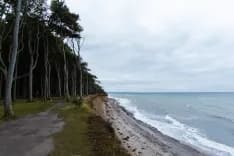
Natural beaches are often much quieter than typical bathing beaches. You'll find particularly beautiful, unspoilt stretches of coast on the Darß, on Rügen, in parts of Fehmarn, or in the Rostock Heath (Rostocker Heide).
Explore lagoons, backwaters, and coastal forests
Lagoon landscapes (Bodden) and coastal forests are among the Baltic Sea's most unique natural features. They are ideal for birdwatching and peaceful days away from the crowded beach promenades.
Shallow waters, playgrounds and diverse leisure activities make the Baltic Sea a paradise for families.
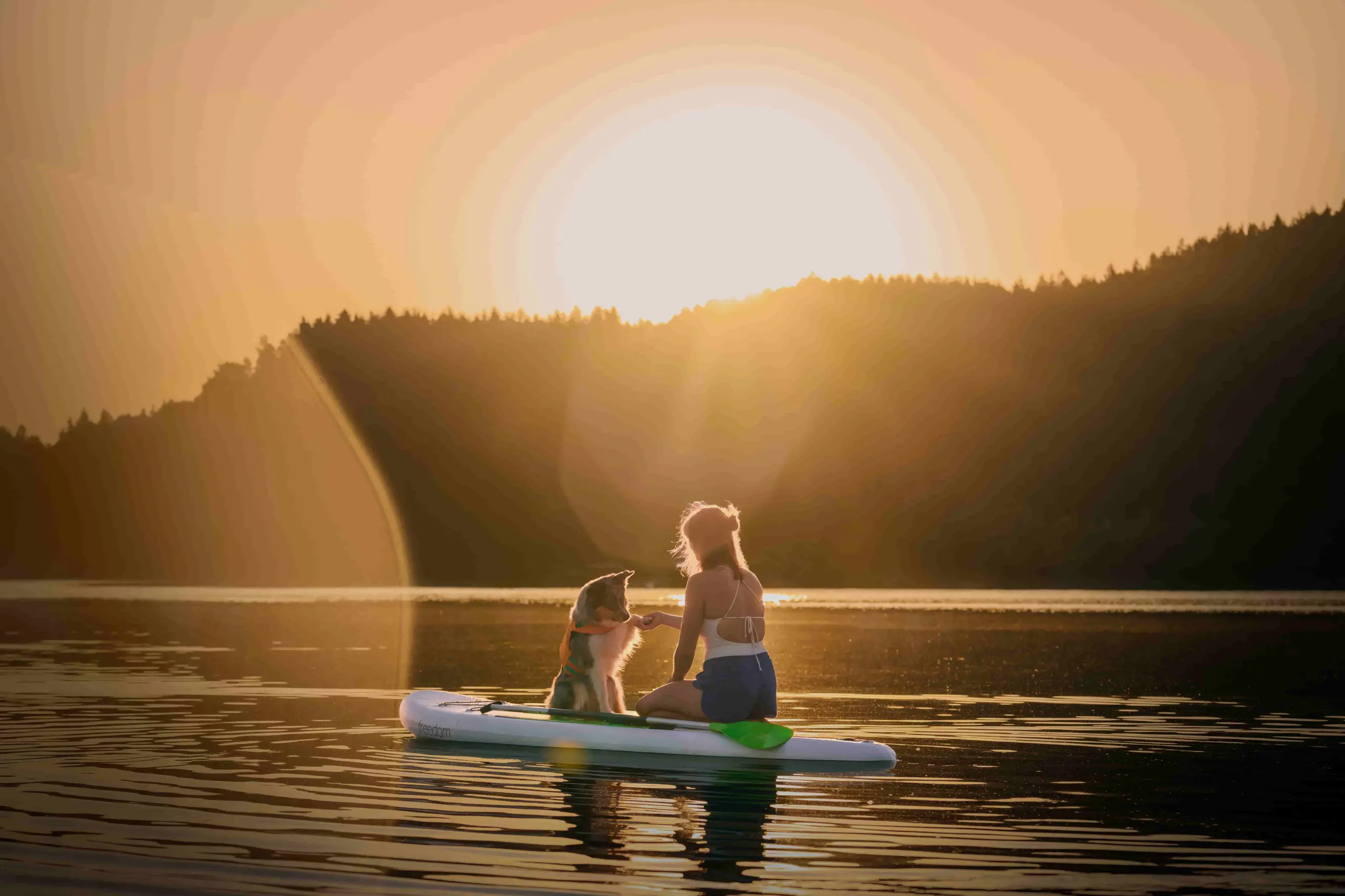
Dogs are welcome at many campsites. Be sure to check where designated dog beaches and off-leash zones are located.
A sunset over the sea, a night under the stars – the Baltic Sea offers wonderfully romantic spots for couples.
All information subject to change without notice. Please send any feedback directly to hello@nomady.camp with the subject line “Wildcamping”.
Camping by the Baltic Sea – mindful, legal and relaxed
An official campsite on the Baltic Sea combines outdoor adventure, peace of mind and comfort. Whether you're traveling with kids, a dog or your partner: you will find the right vibe for your seaside camping holiday here.
And if you are looking for something truly authentic, discover small, natural spots with Nomady – nestled in the dunes, along the coastal lagoons or in seaside forests. Make your Baltic Sea camping adventure unique and sustainable.