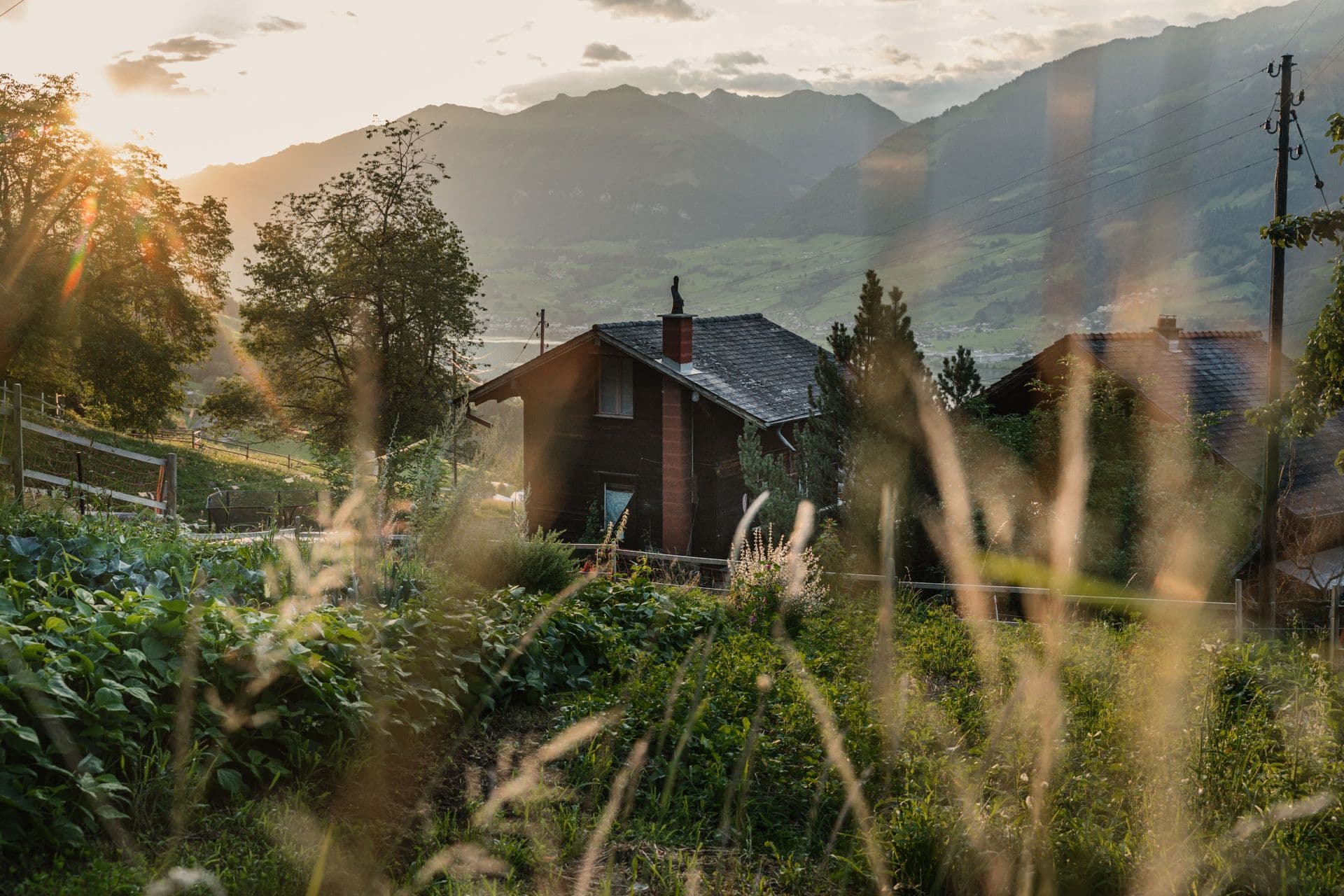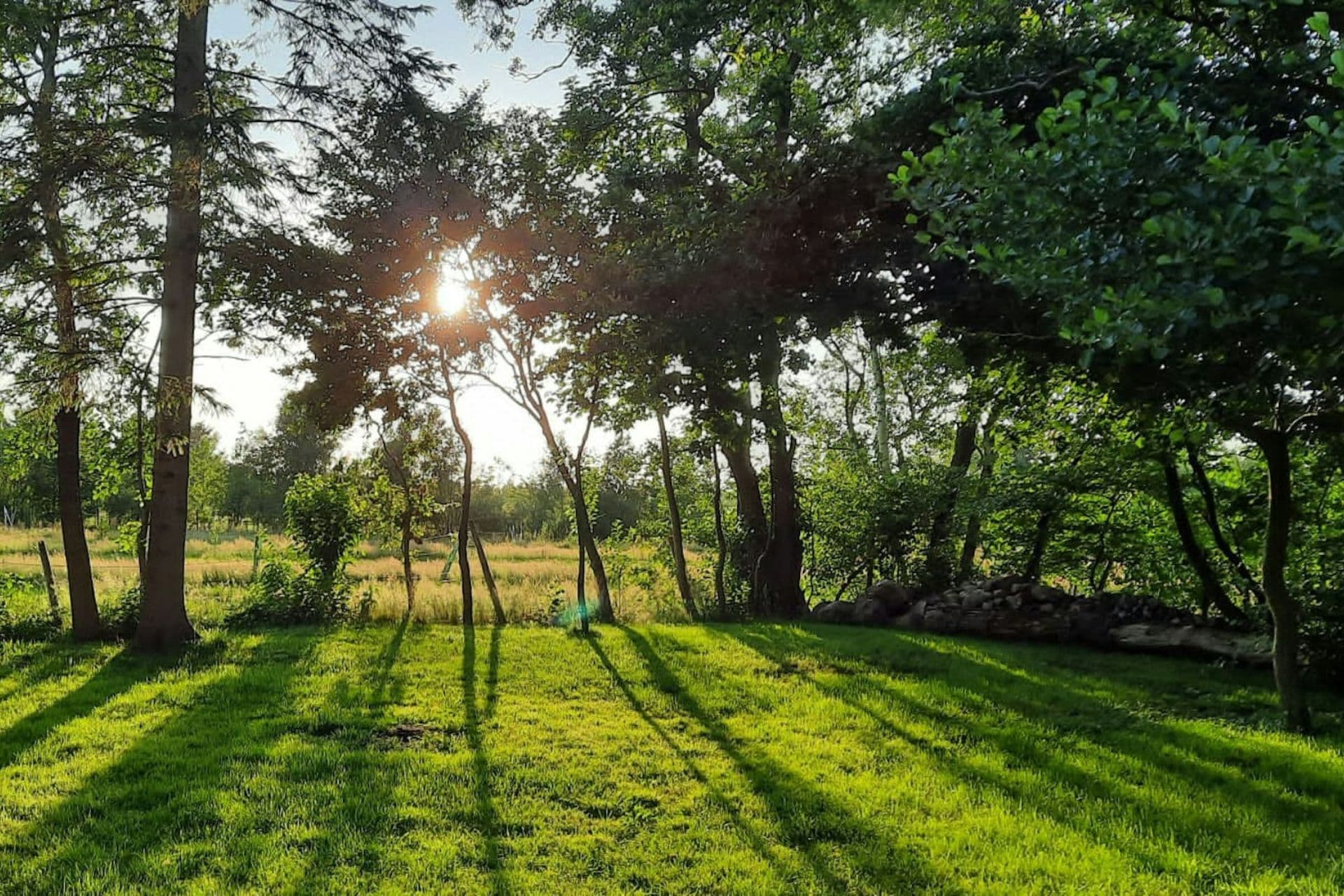
Tent Camping on the North Sea – Freedom Between Mudflats, Dunes, and Crashing Waves
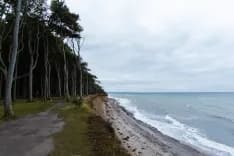
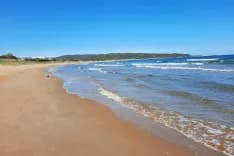
The North Sea immediately casts its spell with its vast horizons, fresh air, and the unique UNESCO World Heritage Wadden Sea. Endless beaches, picturesque islands, and the rhythm of the tides make it a true paradise for outdoor lovers.
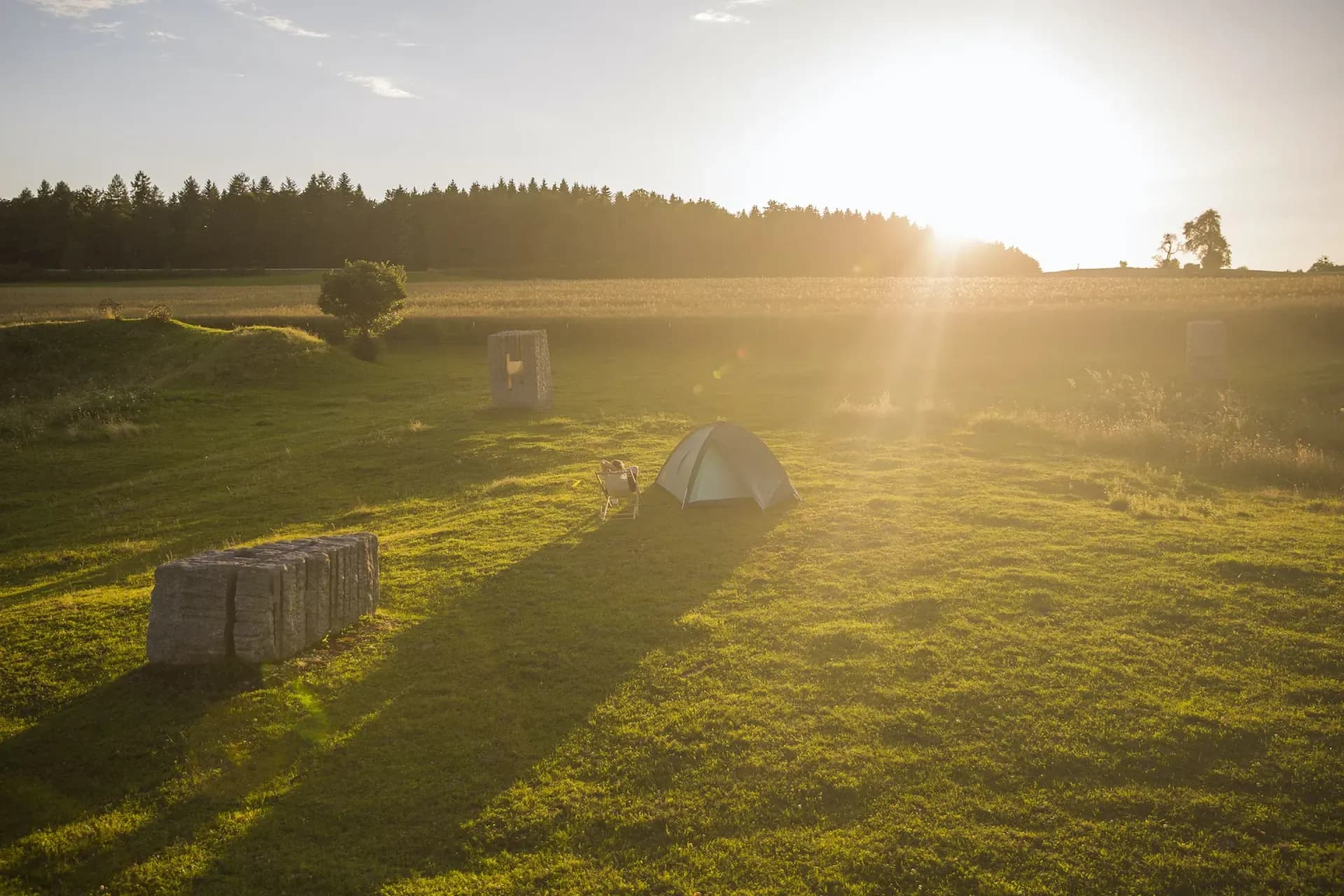
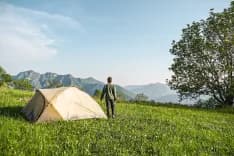
Anyone dreaming of tent camping quickly pictures their tent pitched right on the beach – the sound of waves in your ears, a starry sky above. But as romantic as that sounds: wild camping along the North Sea is strictly prohibited. The legal, relaxed, and sustainable alternative is official tent campsites on the North Sea – close to nature, comfortable, and without any legal risks.
What Makes a North Sea Campsite Special?
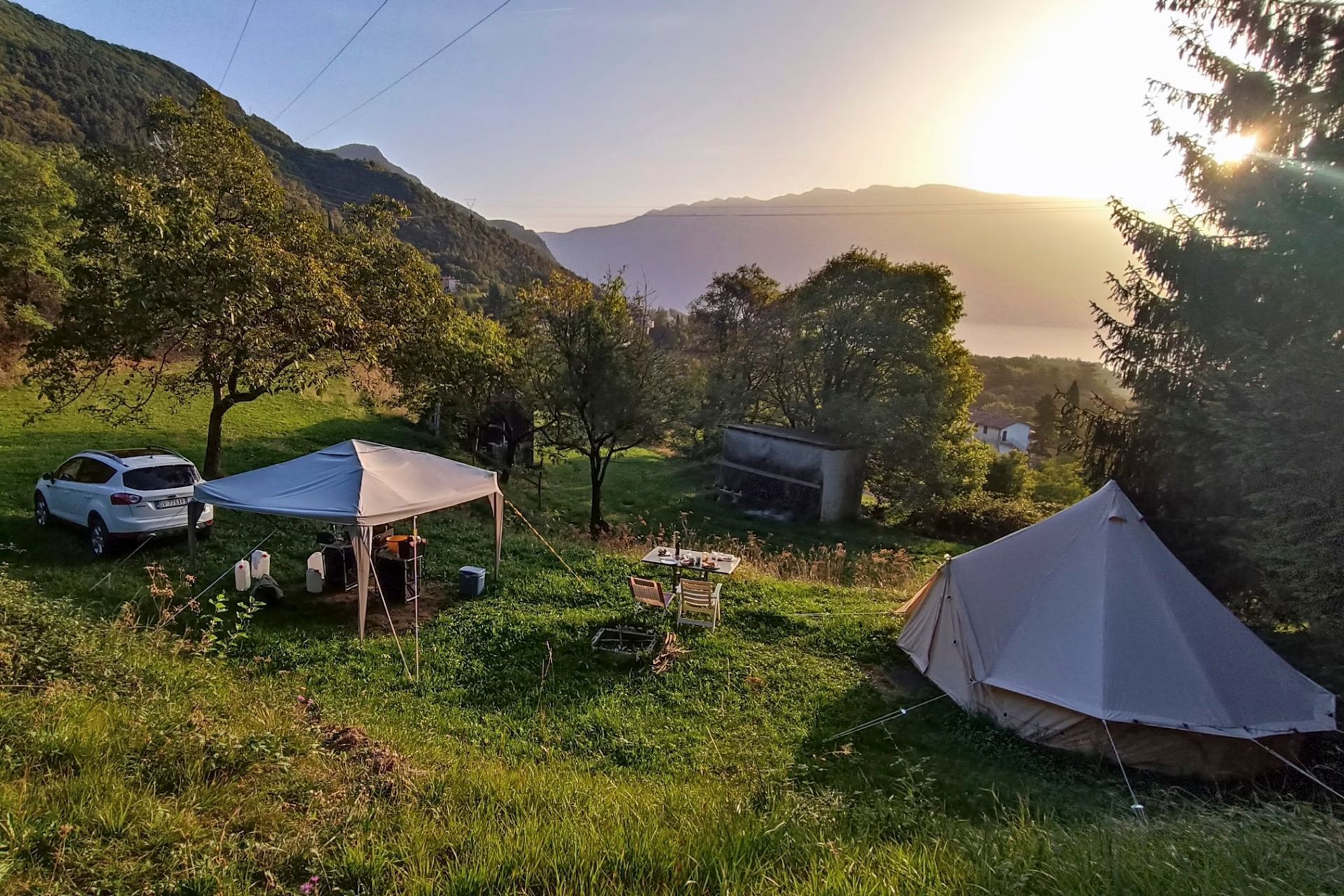
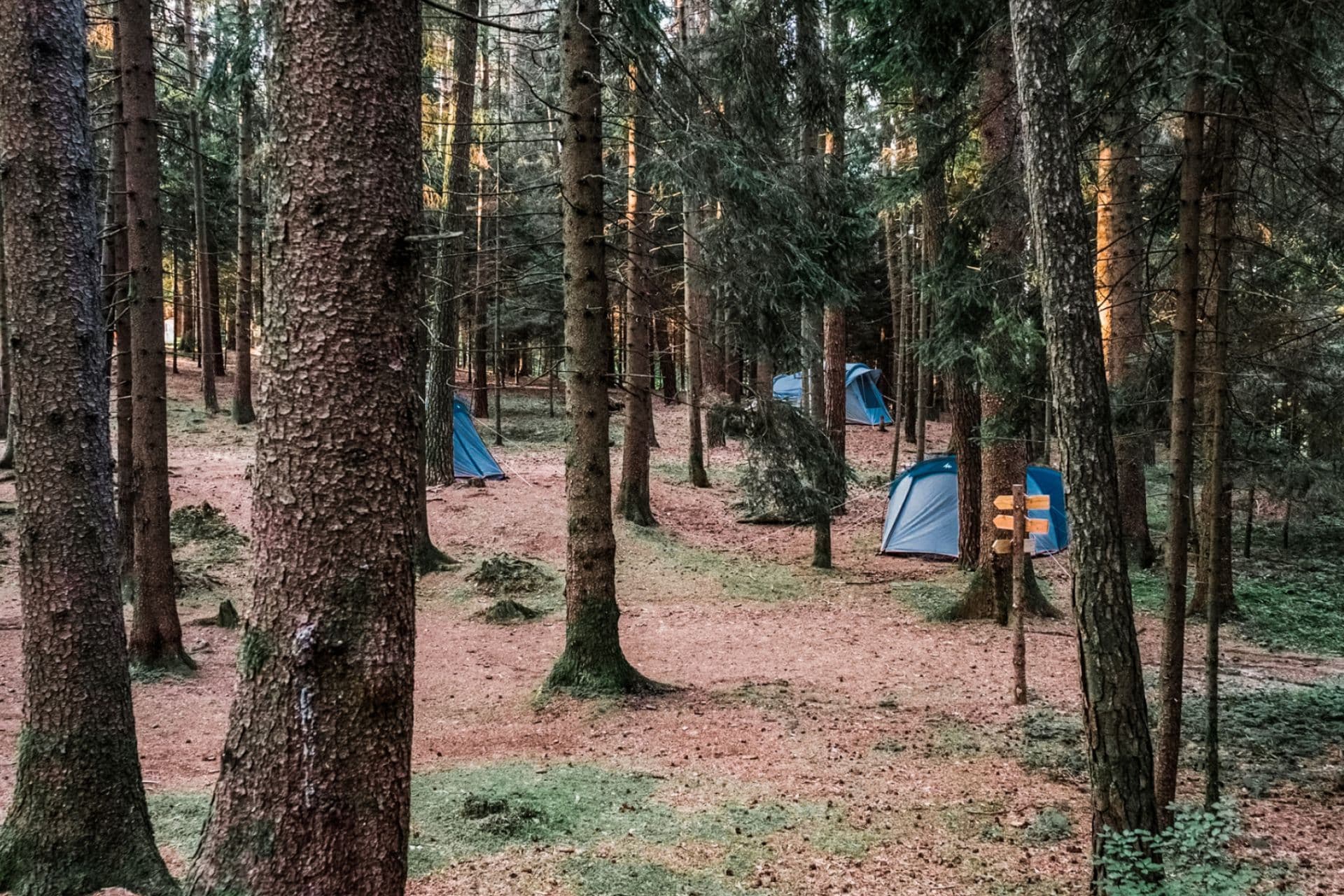
A North Sea tent campsite is an officially designated site where you can legally stay overnight – often in close proximity to the sea or right behind the dikes. Typical benefits:
- Tent meadows or clearly marked pitches
- Sanitary facilities with showers and toilets
- Drinking water, waste disposal, and sometimes electricity
- Local contact persons
- Transparent prices per night
This gives you a nature experience, safety, and comfort all in one – without the uncertainties of wild camping.
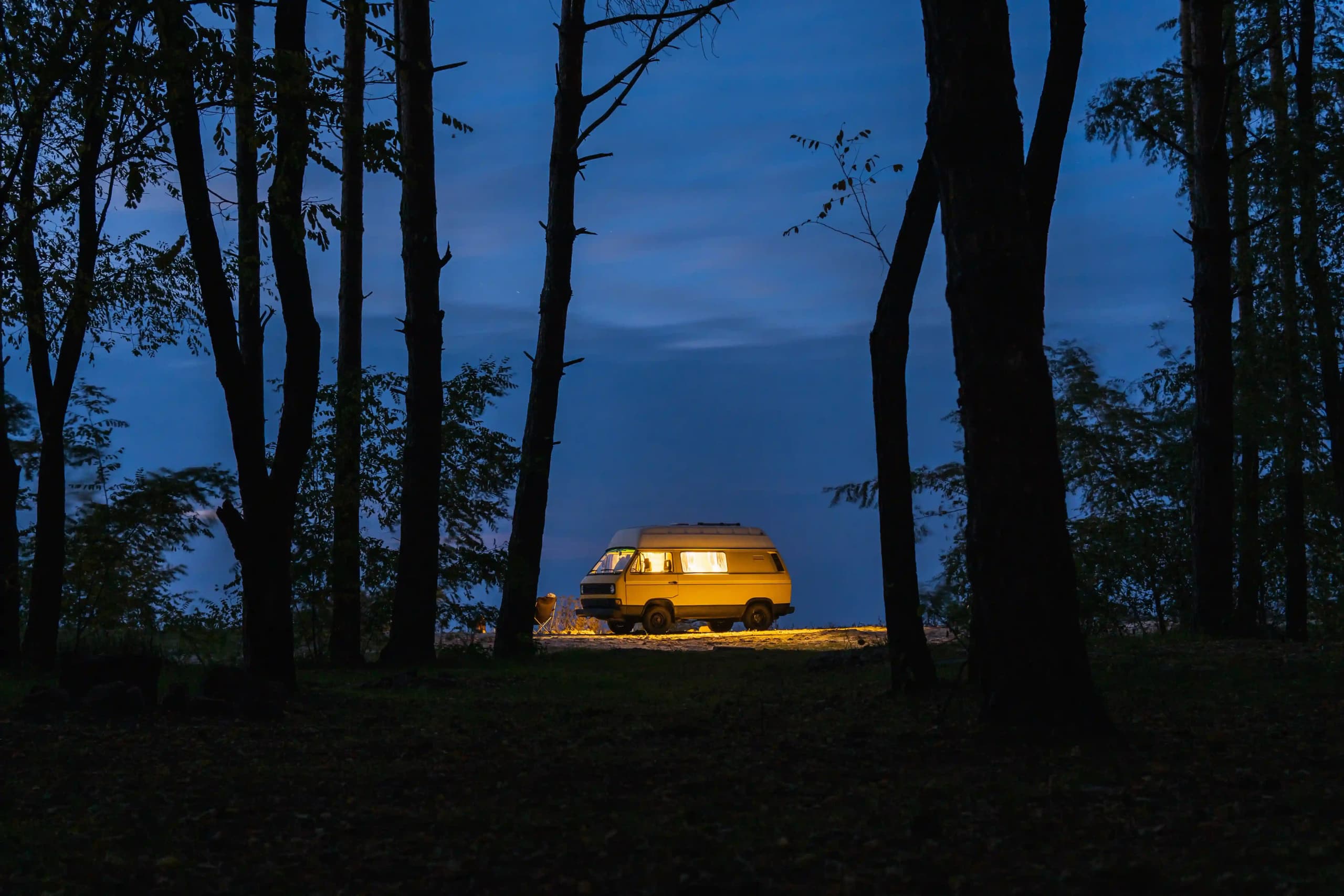
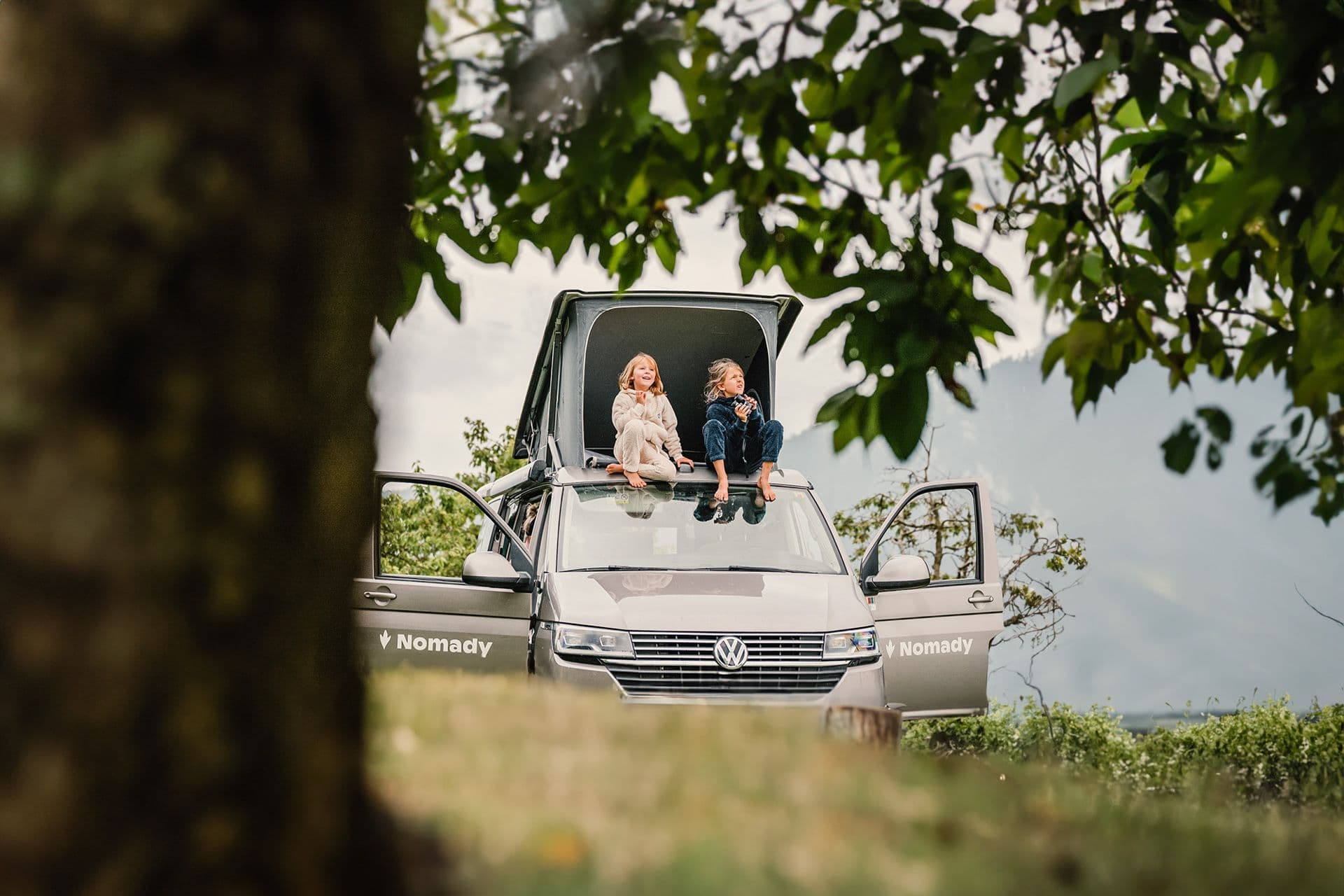
“Wild” Overnight Stays in a Motorhome, Van, or Car
Single Overnight Stays in Public Places
The regulations of the local municipality or property owner apply. Always check locally.
In Public Car Parks
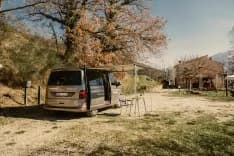
In public car parks, posted signs and parking time limits must be observed. Parking fees often apply at night as well. The parked vehicle must be in an official parking space and fit within the bay. No camping-like behaviour (e.g. do not set up tables or chairs).
At Service Stations
Check locally whether a one-night stay is permitted. Pay attention to parking time limits, blue zones, and overnight fees.
Rest Areas
Rest areas are intended for short breaks for drivers. Designated parking spaces are marked in white and can therefore be used free of charge without time limits. Rest areas are primarily intended for professional drivers, but motorists and campers with motorhomes or caravans are also permitted to rest there (no camping behaviour, no setting up chairs/tables/awnings).
Are You Allowed to Sleep in Your Car in a Parking Lot?
In Switzerland, rules regarding sleeping in your car are not uniform. In some cantons or municipalities, sleeping in a car is considered wild camping and is therefore prohibited. In exceptional cases, it is often tolerated, especially if the need for sleep to restore driving fitness is cited.
“Wild” Overnight Stays with a Tent or Bivouac
Definition of terms:
Bivouacking – Spending the night without a tent under the open sky, in an igloo, or in a snow cave. Camping – Spending the night in a small tent outside of official campsites.
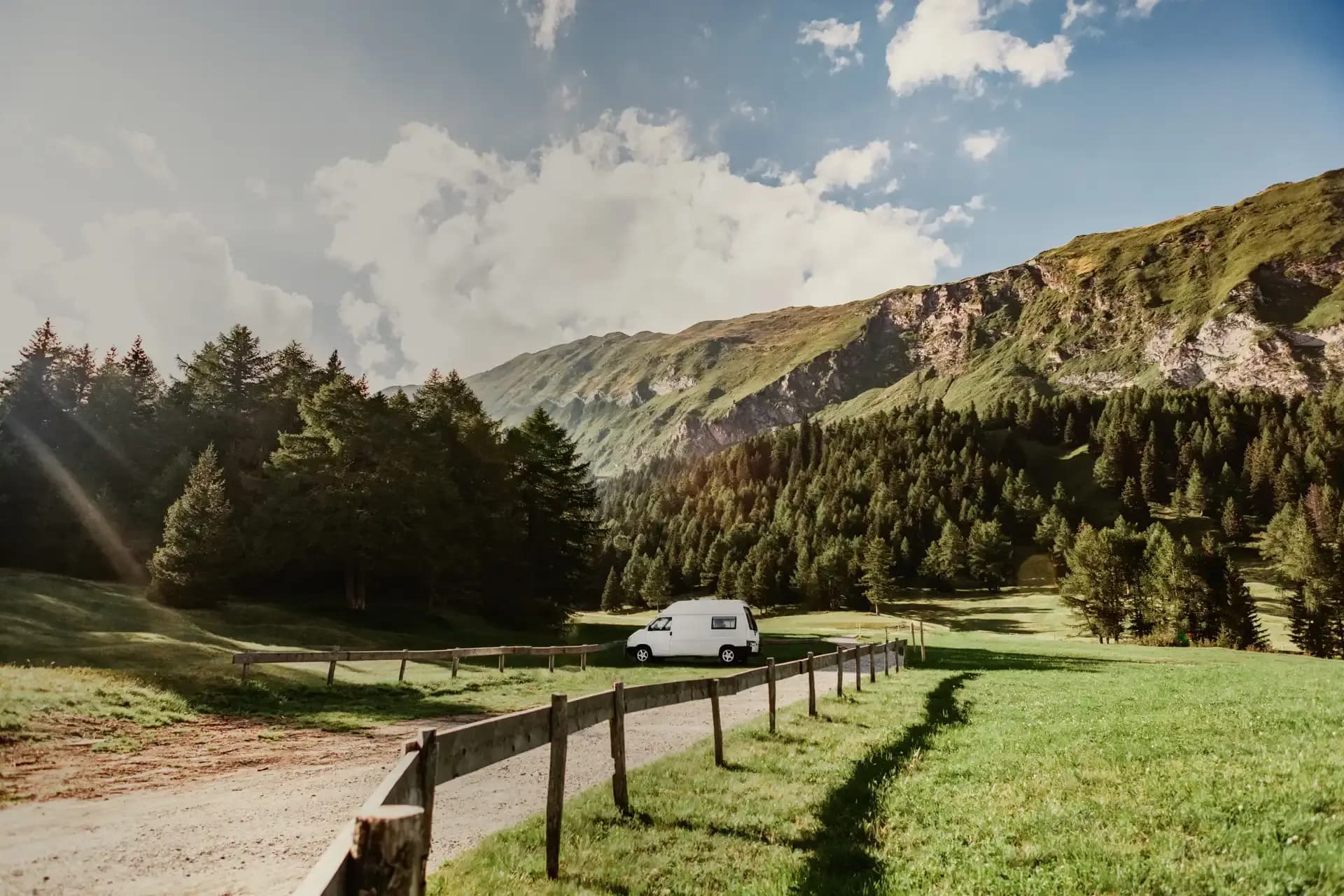
Legal Framework
The Wadden Sea has been a UNESCO World Heritage site since 2009 and is strictly protected. According to state laws in Schleswig-Holstein and Lower Saxony, tent camping outside of designated sites is prohibited.
Wild camping directly on the beach or behind the dike leads to fines or eviction. The only safe and legal option: an official tent campsite on the North Sea.
Overview of Regulations by German Federal State
Wild camping is strictly prohibited here, and bivouacking is usually not tolerated either. High fines apply in protected areas.
→ Alternative: One Night Camps (official sites in the Black Forest)
Very strict rules. Wild camping and bivouacking are mostly prohibited, especially in the Alpine region and in forests.
→ Alternative: Trekking sites in the Franconian Forest (legal and close to nature)
Sleeping in the forest is prohibited by law. Bivouacking is partly tolerated, but not recommended without asking first.
→ Tip: Use private property with permission
Tent camping in the wild is not allowed. There are no official trekking sites – but many private natural spots.
Tip: Camping in nature in Hesse with private Nomady hosts
Very restrictive. Pitching a tent or bivouacking outside of campsites is strictly prohibited.
→ Alternative: Nature campsites near the Baltic Sea & Lake District
Wild camping is not permitted here either. Bivouacking may be tolerated in very remote areas – with the utmost consideration.
→ Use official sites in the Lüneburg Heath or Harz region
Wild camping is not allowed, especially in forests and recreational areas.
→ Alternative: Eifel trekking sites with advance booking
One of the most camping-friendly federal states: → Trekking camps in the Palatinate Forest offer official, legal wild camping spots in the heart of nature.
Tip: Camping in nature in Rhineland-Palatinate with private Nomady hosts
Strict protected area regulations. Wild camping is strictly prohibited, and there are no official trekking options.
→ Better: Private land with permission
Relatively open. In some regions, overnight stays on private land are tolerated or legal with permission.
→ Ideal for micro-adventures between the coast and forest.
Wild camping is not permitted. For hikers, bivouacking may be tolerated in exceptional cases – but please check beforehand.
→ Tip: Dübener Heide trekking route for legal overnight stays
Rules are similar to Saxony: Wild camping is prohibited, bivouacking is sometimes possible, but not guaranteed.
→ As an alternative, private pitches in the countryside: Nomady camping in Saxony-Anhalt
Wild camping is not permitted by law, primarily in forests and nature reserves.
→ A few nature campsites exist, often in the Thuringian Forest
In city-states, wild camping is virtually impossible – too densely populated, hardly any open spaces.
→ Head to rural areas in the surrounding regions.
Basic Rules to Keep in Mind

No Noise, Leave No Trace
Respect the privacy of others and observe quiet hours. Wildlife also deserves a peaceful night's sleep. Avoid noise and disturbances, and leave your spot clean.

Washing Up and Showering
Do not do your dishes directly in natural waters and do not dispose of wastewater into them. Use biodegradable dish soap and toothpaste. Washing yourself in a stream or river is permitted, but soap/body wash should be eco-friendly or omitted completely.

Answering the Call of Nature
Only answer the call of nature when necessary and well away from bodies of water. Faecal bacteria can harm wildlife. Use a plastic bag to pack out your toilet paper or burn it (never during forest fire risks) after burying your waste. True wild campers always carry a small trowel.

Campfires
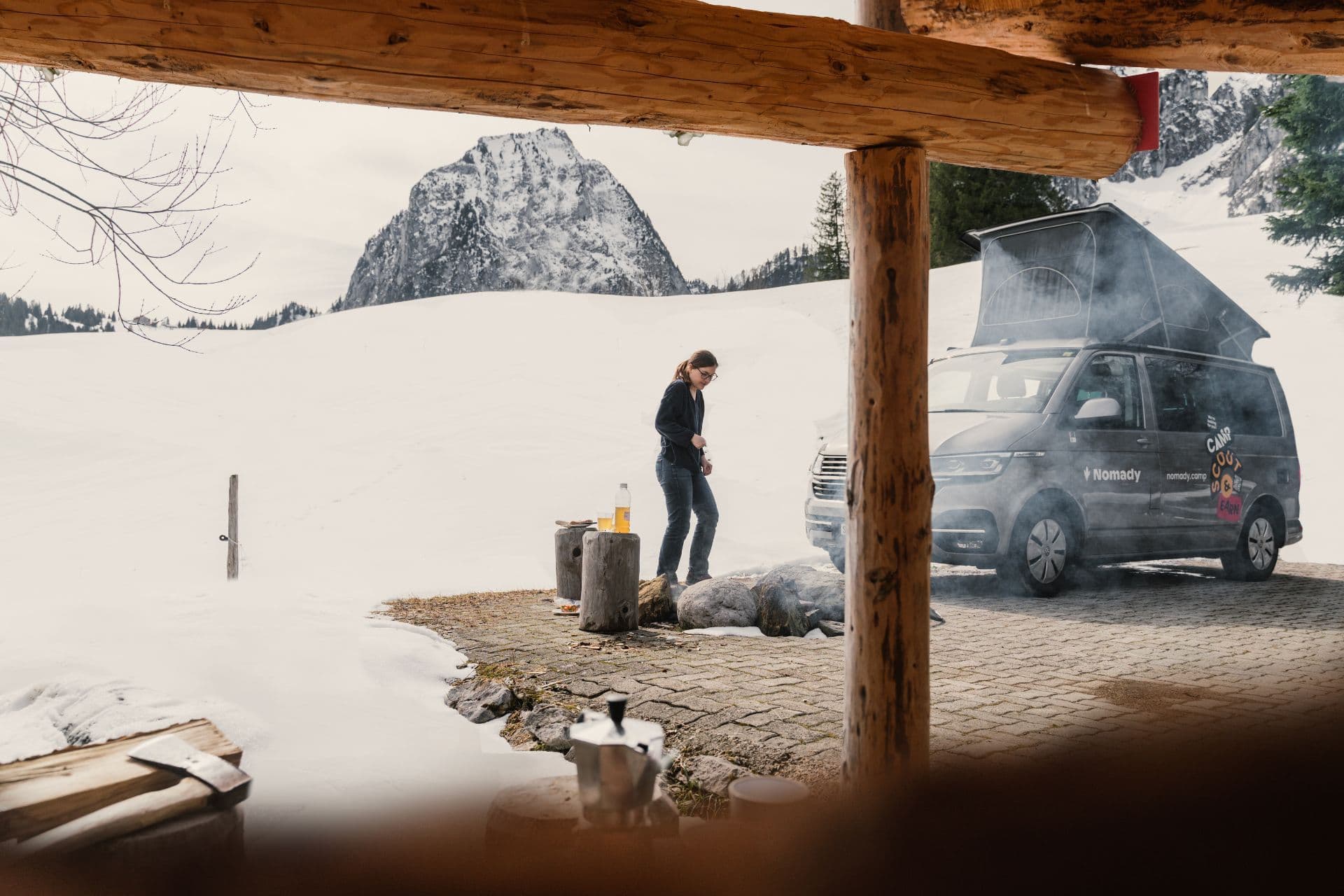
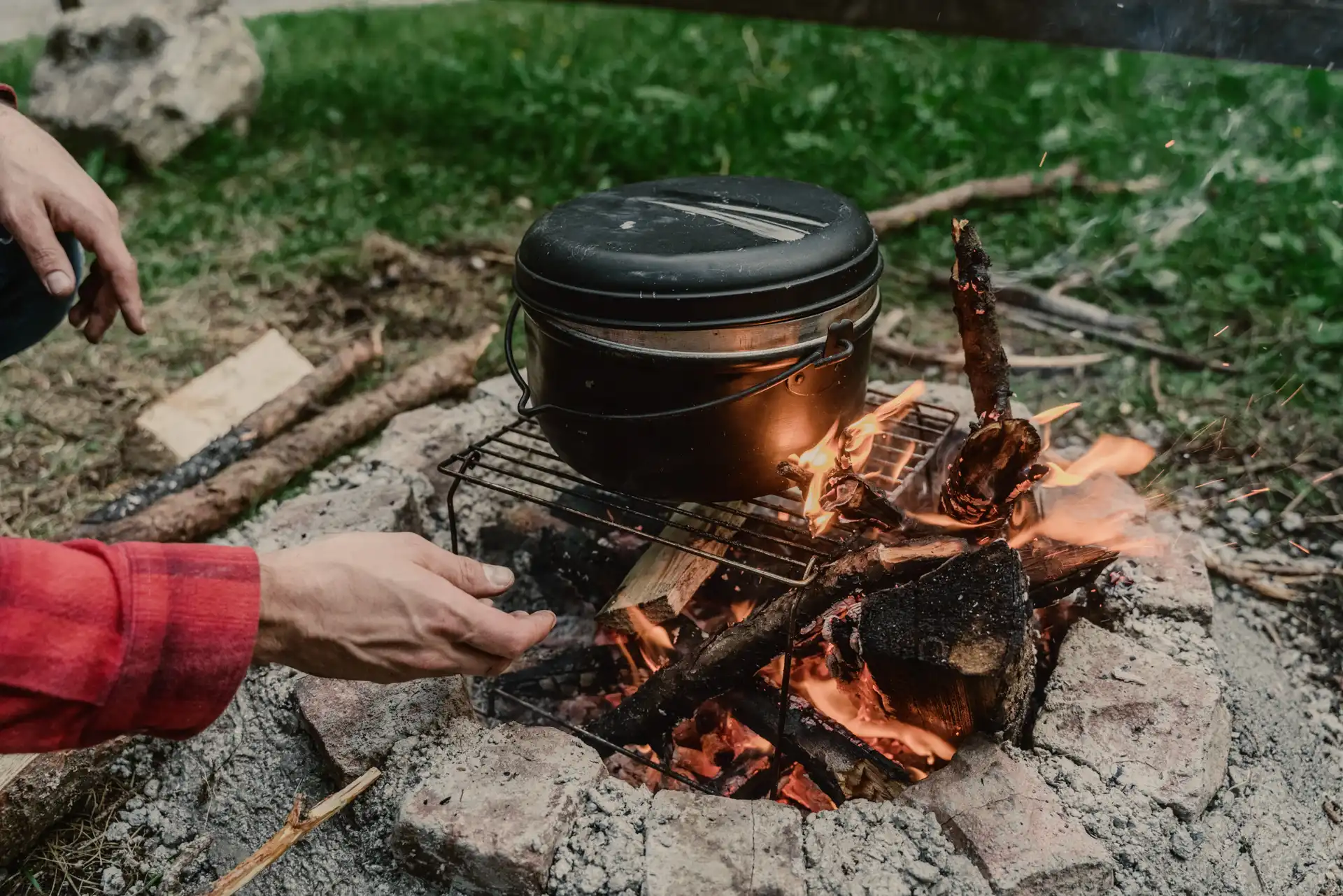
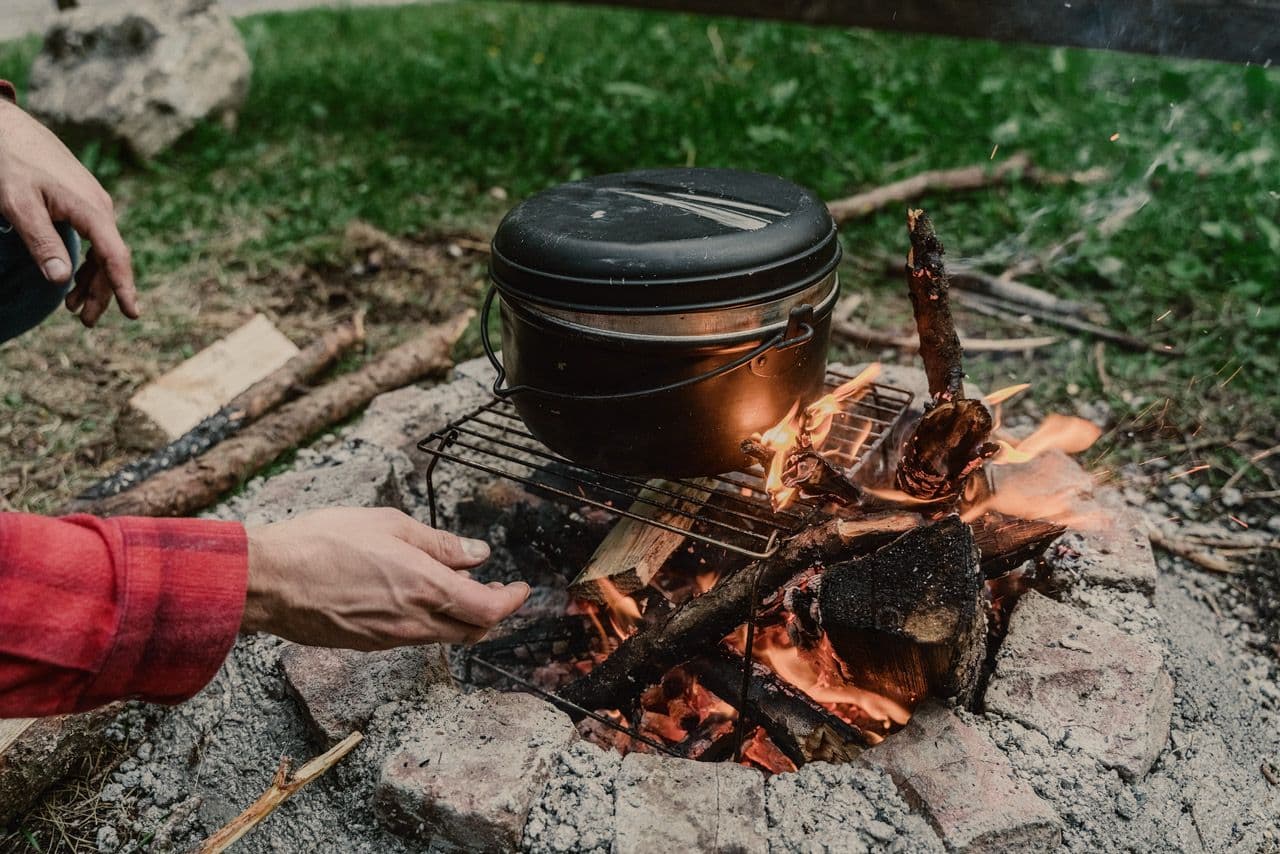
In many areas, lighting fires is prohibited as it drives wildlife away. Look out for warning signs. Always exercise caution when lighting a fire. Use existing fire pits and check the current wildfire risk level. In Ticino and Italy, we recommend never lighting an open fire.
All information is provided without guarantee. Subject to change. Please send feedback directly to hello@nomady.camp with the subject “Wild Camping”.
Tips for Your Tent Adventure on the North Sea
- Stick to designated tent meadows – no wild camping!
- Respect quiet hours, pitch boundaries, and rules for dogs.
- Take all your rubbish with you or use disposal stations.
- Open fires are risky and mostly prohibited – check on site.
- Pack for the weather: wind, rain, and tides are part of the North Sea experience.
- Only book mudflat walks with certified guides.

Camping on the North Sea for Everyone

Camping with Children
Playgrounds, shallow beaches, and adventures like mudflat walks make the North Sea ideal for families.

Camping with Dogs
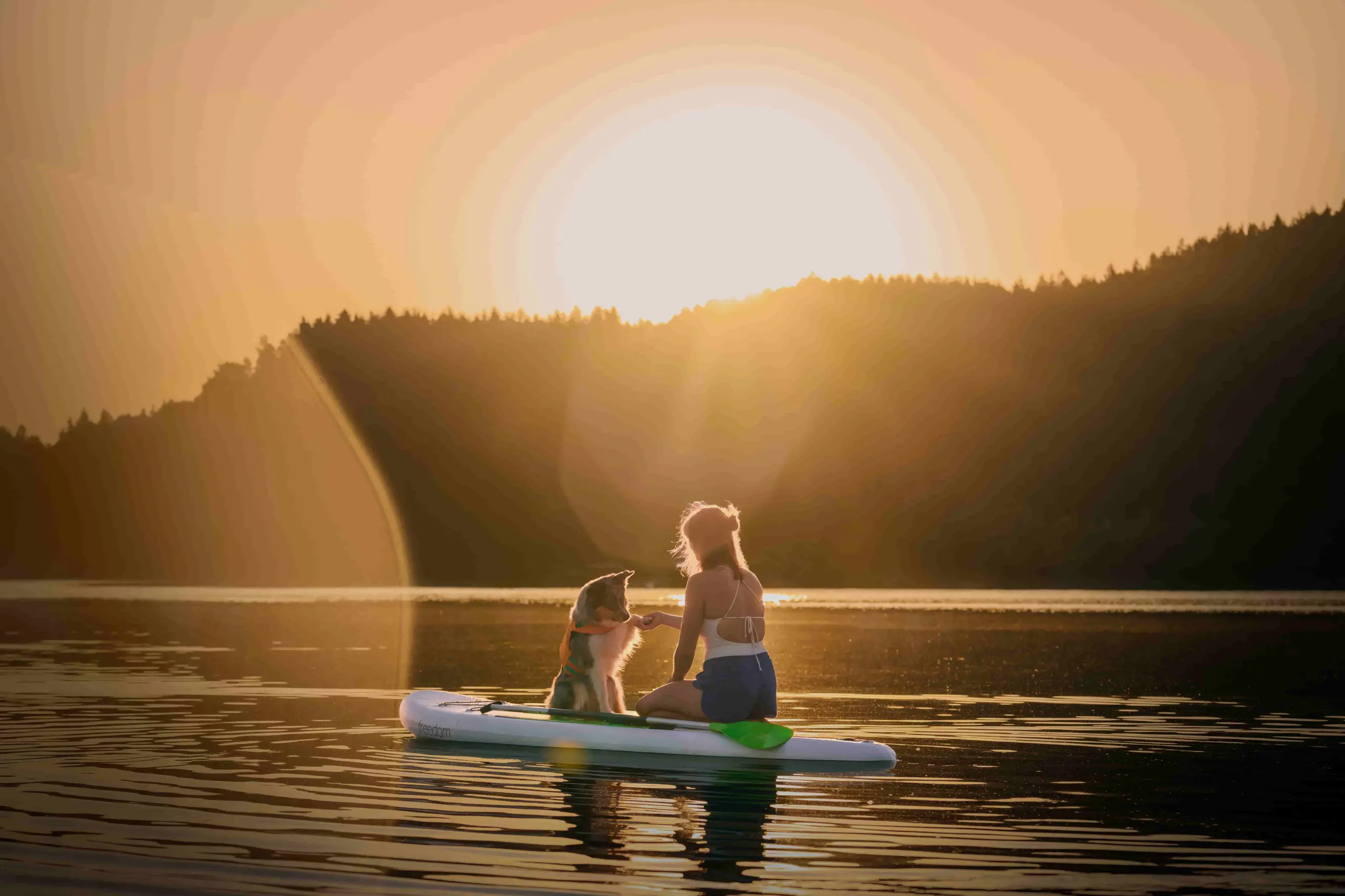
Many campsites allow dogs and offer dog beaches or designated off-leash exercise areas.

Camping for Couples
Romantic sunsets on the dike and quiet spots in nature create perfect moments for two.
Why an Official North Sea Campsite Is the Better Choice
- No fines or risk of eviction
- Comfort and infrastructure surrounded by nature
- Family-friendly and secure
- Support local hosts
- Sustainable nature experience instead of breaking the rules
Here you'll find vast beaches and plenty of camping options. A favourite: Campingplatz Biehl with a tent meadow right behind the dike – including a playground and bistro.
At Nordsee-Camp Norddeich, you can sleep with views across the World Heritage Site and the East Frisian Islands. Dornumersiel offers around 60 tent pitches nestled right in the dune landscape.
- Family-friendly resorts: with entertainment, dining, and playgrounds.
- Quiet little havens: minimalist sites along the dike edge.
- Nature camping: simple tent pitches on Eiderstedt, often surrounded by greenery.
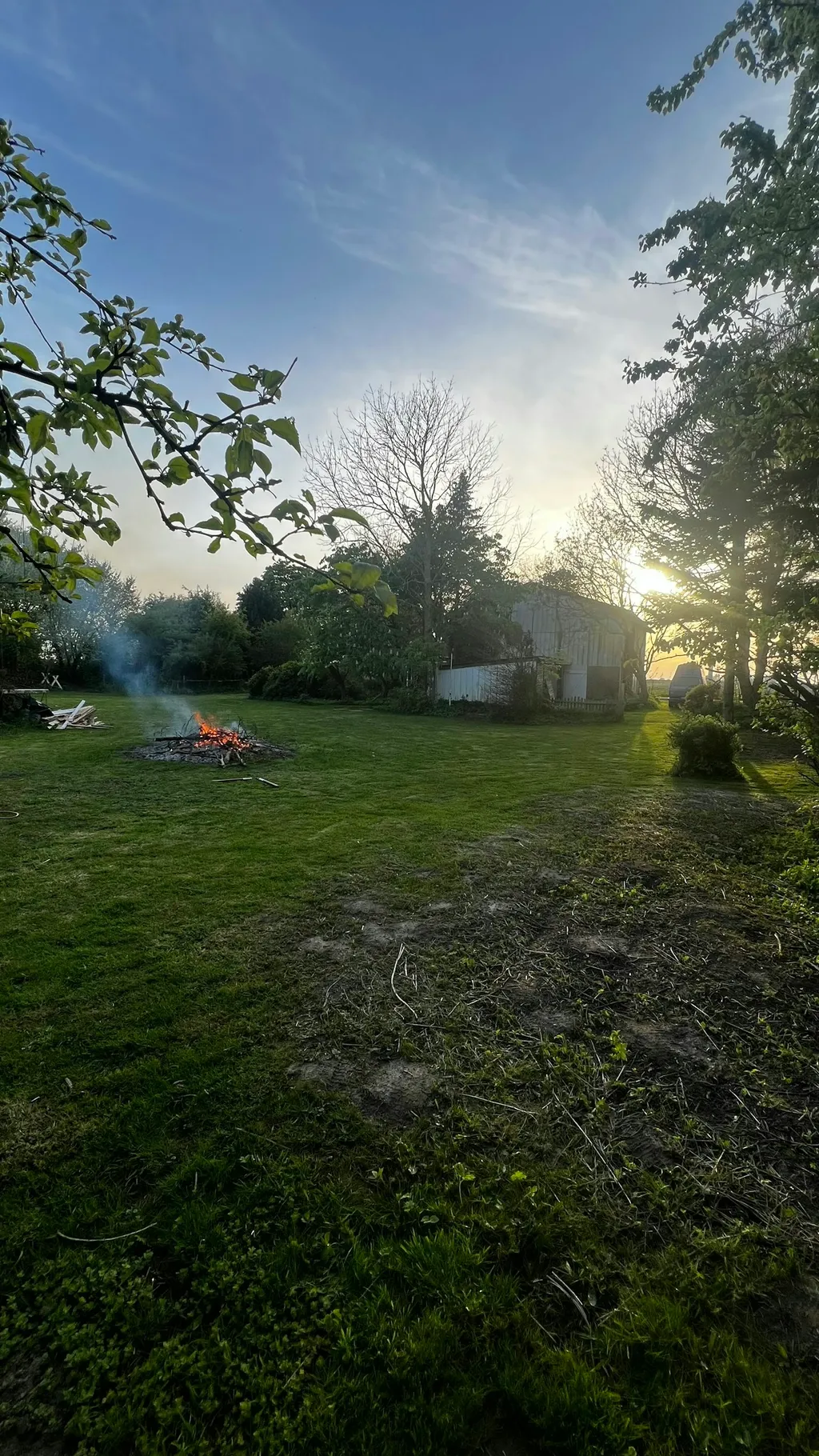
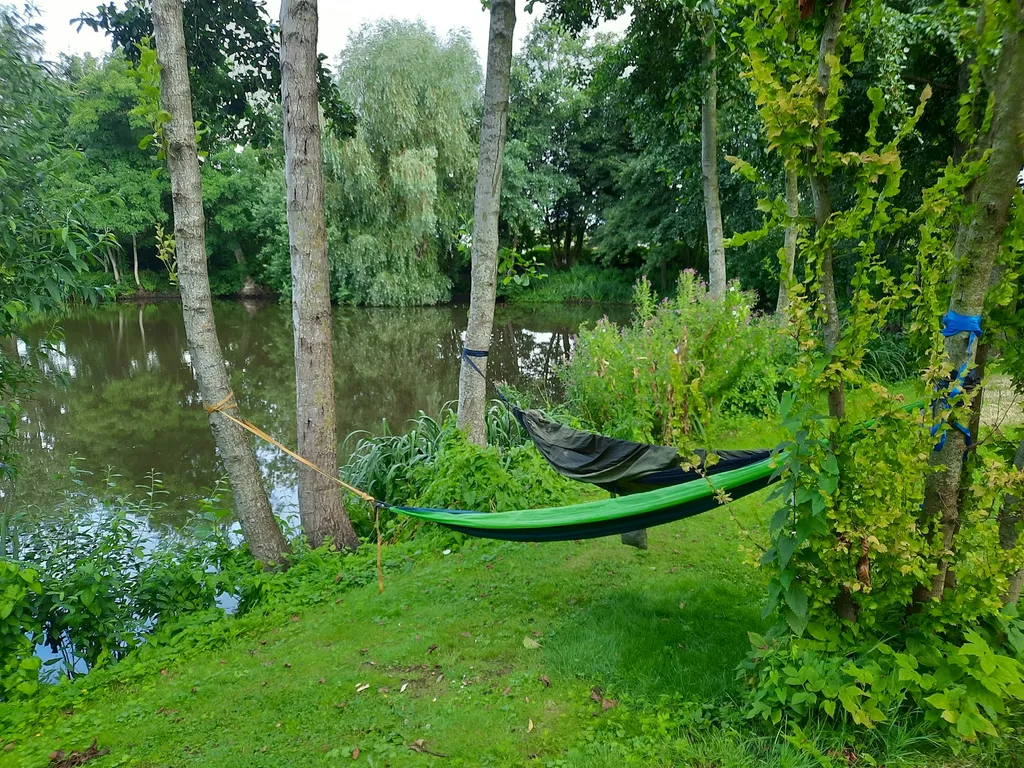
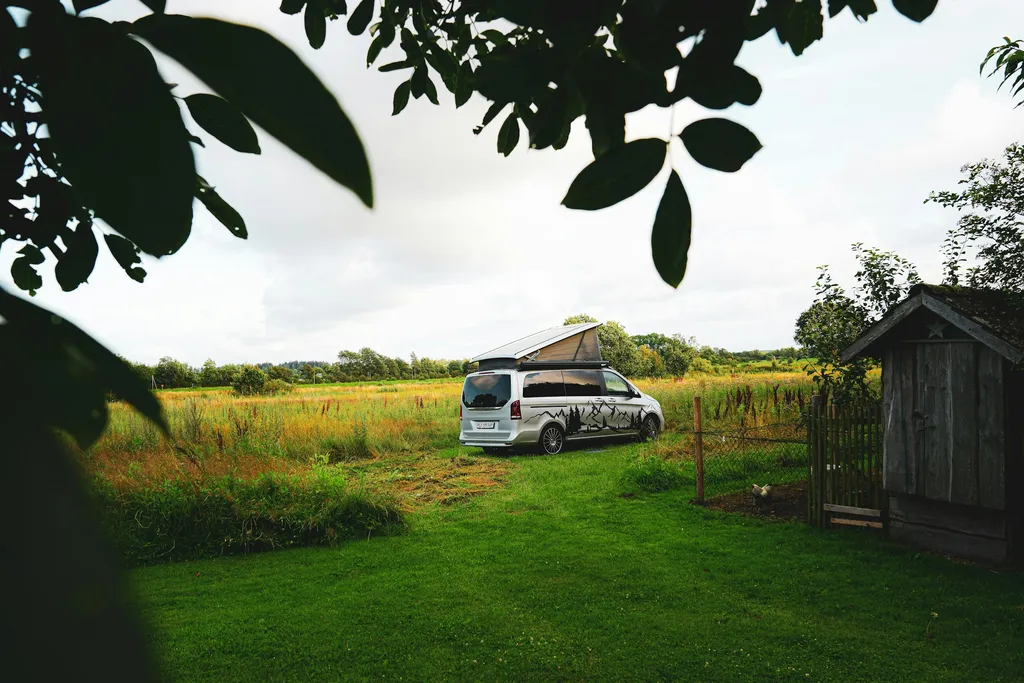
For an even more authentic experience, try Nomady: discover small, legal tent spots hosted by private landowners – natural, sustainable, and right in the heart of the coastal landscape.
Day trip ideas for your camping holiday on the North Sea
If you stay at a campsite on the North Sea, you usually have plenty of excursion destinations right on your doorstep. To make sure your camping trip consists of more than just beach days, it is well worth exploring the region mindfully: mudflats, dunes, dikes, islands, small harbour towns and cycle paths make the North Sea especially diverse.
1. Go on a guided mudflat walk
A mudflat hike is one of the most memorable experiences on the North Sea. At low tide, you can walk on the seabed, discover lugworms and learn more about the tides, shells, birds and the Wadden Sea. A guided tour with experienced mudflat guides is ideal for this. Mudflat walks starting from places like Cuxhaven, Norddeich, Neuharlingersiel, Büsum or St. Peter-Ording are very popular.
2. Cycle along the dike
Many North Sea regions can be explored wonderfully by bike. Dike cycle paths are mostly flat, easy to ride and offer sweeping views of the mudflats, salt marshes, grazing sheep and picturesque coastal villages. Tours in East Frisia, around Büsum, along the North Frisian coast or on islands such as Föhr, Amrum or Langeoog are definitely worth a trip..
3. Spend a day on a North Sea island
If your campsite is located near a ferry port, a day trip to an island is well worth it. From Norddeich, for example, you can reach Norderney or Juist, from Bensersiel you can head to Langeoog, and from Neuharlingersiel over to Spiekeroog.
4. Discover harbour towns and fish shacks
Charming harbour towns are an essential part of camping on the North Sea. Places like Greetsiel, Husum, Büsum, Neuharlingersiel, Carolinensiel or Ditzum are perfect for a relaxed afternoon. You can stroll along the harbour, watch the shrimp boats and, of course, enjoy a fresh fish roll.
5. Consciously experience dunes and salt marshes
Dunes and salt marshes are not only breathtaking, but also fragile natural habitats. Many coastal towns have designated paths, boardwalks and nature trails where you can explore the landscape without disturbing it.
6. Visit a National Park House or Wadden Sea Visitor Centre
If you want to learn more about the Wadden Sea, a visit to a National Park House or Wadden Sea centre is a great idea. There you will discover why the mudflats are so crucial for migratory birds, which creatures live in the silt, and how the tides work.
Tent Camping on the North Sea – Mindful, Legal, and Close to Nature
An official North Sea tent campsite combines freedom, nature, and peace of mind. Whether with family, a dog, or solo: you'll find the perfect spot for your camping adventure.
Wild camping is off-limits – but the wide variety of legal sites makes your holiday just as unique. With Nomady, you'll discover small, personal camps right behind the dike or in coastal countryside. Making your North Sea getaway sustainable, relaxed, and unforgettable.