Wild Camping in Europe
Wild camping in Europe: Where it is allowed, tolerated, and prohibited. An overview of the rules for every country.
Wild camping in Europe sounds like boundless freedom. But the legal situation varies greatly from country to country. The idea is tempting: you slide open the door, and in front of you lies nothing but forest, water, or mountains, and nobody else. No booking system, no neighbour two metres away. That's exactly why wild camping attracts so many travellers. However, it is far from permitted everywhere in Europe. In some countries, it is anchored as a legal right; in others, that same night will cost you a fine. And almost everywhere, different rules apply to your tent than to your camper.
The Essentials in Brief
In four European regions, you are genuinely allowed to spend the night freely in nature with a tent. That is codified by law and not a grey area. In three other countries, a single night outdoors is possible, though under strict conditions and only from sunset to sunrise. In the rest of Europe, wild camping is prohibited. Violations can be penalised with fines, and in some countries, strict checks are carried out. And the point that surprises most people: almost everywhere, different rules apply to motorhomes and caravans than to tents. Where you are allowed to pitch a tent, you are often not allowed to park a vehicle. Recommendation: Always enquire locally. You'll get the most up-to-date information from locals or regional authorities. In the best case, you might even be invited to spend the night on their land.
What Does Wild Camping Mean?
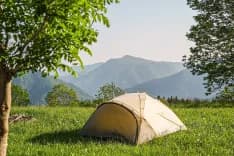
Wild camping means spending the night not at an official campsite or pitch, but right in the heart of nature. Instead of plots, electricity hookups, and sanitary facilities, you can look forward to peace, seclusion, and often stunning landscapes. Whether at the edge of a forest, in the mountains, by a river, or along the coast – this very freedom is what makes wild camping so appealing to many. At the same time, it brings responsibility. Anyone spending the night outdoors should treat nature with respect, leave no rubbish behind, and leave the chosen spot looking as if nobody had ever been there. Because only by caring for our surroundings will these special places remain preserved for the future.
Key Terms
Freedom to Roam (Everyman's Right)
The right to roam freely in nature and spend the night there. In Sweden, it is called Allemansrätt, in Finland Jokamiehenoikeus. It does not apply unconditionally, but always in exchange for consideration: keeping your distance from residential buildings, leaving no traces, leaving no rubbish. It generally applies to tents, not vehicles.
Right to Roam
The Scottish counterpart to the Scandinavian right of public access. It allows wild camping in most uninhabited areas, provided you respect nature and the environment.
Bivouacking
Means spending a night outdoors in a sleeping bag or bivvy bag, away from settlements and hiking trails. In some Swiss cantons, this is permitted.
Right to Bivouac
The regulation in Austria and France. You are allowed to camp between sunset and sunrise for a single night. After that, you must move on.
Tolerated
The most important term in this article because it comes up so often. Tolerated means: not explicitly permitted, but generally accepted in practice. It is not a legal right. It can vary from municipality to municipality and from season to season.
Tent or Camper: Why the Difference Determines the Legal Status
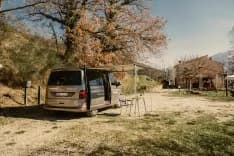
Before looking at specific countries, it's worth making a distinction that many travellers only realise once on the road: the same rules do not apply to tents and vehicles. If you're travelling in a camper, you shouldn't automatically assume the rules for tent camping apply. In many countries, the law distinguishes clearly between the two forms of camping. While in parts of Scandinavia the freedom to roam permits camping in nature with a tent, this regulation often does not apply to motorhomes or campervans.
Even aside from the legal situation, both travel styles differ significantly. In a motorhome, you always have your kitchen, bed, and gear with you and can spontaneously change locations. When tent camping, you usually stay longer in one place, pitch your own camp, and need extra camping gear.
Before planning your route, you should therefore not only check whether wild camping is permitted in principle. What's also crucial is knowing which regulations apply to your specific way of travelling. In some countries, both tents and vehicles are prohibited, while in others, different rules or exemptions apply.
How Wild Camping Is Regulated in Europe

Free overnight stays are permitted
In the north, you have a genuine legal right to spend the night outdoors, at least with a tent. This applies in Norway, Sweden, Finland, and Scotland.

A single night is possible
Austria, France, and Switzerland open a narrow window. You stay until morning, then move on.

Wild camping is prohibited
This applies to Germany, Italy, Croatia, Spain, Portugal, Denmark, the Netherlands, Belgium, as well as England, Wales, and Northern Ireland.
Countries with the Right to Roam: Where you can truly camp freely
Four European regions grant you a genuine right to spend the night outdoors. All four attach the exact same condition: consideration.
Norway: Allowed with a tent, open regulations for campers
Norway is one of the few European countries where the so-called right of public access allows you to spend the night in nature. To preserve this freedom, a simple principle applies: Leave your overnight spot just as you found it. Respect wildlife and plant life, take your trash back with you, and keep a sufficient distance from residential homes. Nature reserves are also not suitable places to spend the night. For travelers in a motorhome or camper, the situation is slightly less clear-cut. Spending the night in nature is fundamentally not prohibited as long as the same rules are respected. At the same time, there is no legal regulation that explicitly permits or prohibits free standing with a vehicle. If you want to play it safe, you will find numerous campsites in Norway that are often set right in the heart of nature, offering an excellent home base for your trip.
Sweden: Allowed with a tent, not with a motorhome
For many, Sweden is considered one of the most famous destinations for wild camping. With the Allemansrätt, camping in nature is generally permitted as long as you treat your surroundings responsibly. This includes keeping a sufficient distance from residential houses (150 m), avoiding damage to fences, and leaving your pitch clean. However, these freedoms do not automatically apply to motorhomes. Anyone traveling with a camper should switch to designated pitches or obtain permission from the landowners in advance.
Finland: Allowed with a tent, unregulated for campers
Along with Sweden and Norway, Finland is among the countries where the right of public access enables near-natural tent camping. Nevertheless, this does not mean you can stay overnight anywhere without restrictions. Respecting local residents, delicate natural habitats, and protected areas is just as essential as treating the environment responsibly. For motorhomes, the legal situation is less clear, as the right of public access primarily applies to tents. Camper travelers will therefore find official campsites or simple overnight spots in nature in many places, some even featuring free-to-use infrastructure such as barbecue areas or small shelters.
Scotland: Right to Roam for tents, code for campers
Scotland holds a special role when it comes to wild camping. If you are traveling with a tent, you benefit from the Right to Roam and can legally camp in nature across many areas. The prerequisite is being considerate of your surroundings and the local community. However, these freedoms do not apply to campervans and motorhomes. Here, the code of conduct applies instead: Purely staying overnight is permitted in parking areas without a corresponding prohibition sign, but the spot must not be used like a campsite. If you are unsure, it is best to ask briefly. Regulations can vary depending on the location, and a quick inquiry often saves unnecessary trouble.
Countries with bivouac rights: One night, then move on
Three countries open a narrow window. It lasts for exactly one night.
Austria: Prohibited, with exceptions in high alpine areas
Austria is among the countries where wild camping is generally not permitted. An exception only applies if you have the explicit consent of the landowners. In some remote mountain regions, bivouac rights also apply. There, spending a single night between sunset and sunrise is possible. The same strict requirements apply to motorhomes and caravans as to tents. Free overnight stays outside of official campsites are not intended, and violations are frequently checked and penalised. Anyone wishing to explore Austria in a camper will instead find plenty of well-located campsites or private pitches on Nomady as a legal alternative.
France: Bivouac right from sunset to sunrise
France does not fundamentally permit wild camping. An exception is the bivouac right, which allows spending the night in a tent between sunset and sunrise in certain situations. Private property and protected natural areas are excluded from this. Make sure to choose your overnight spot carefully and leave no trace behind in nature. The same time restrictions apply to motorhomes and campers. Free overnight stays are only possible within the framework of the bivouac right. For those seeking greater flexibility, France also offers numerous campsites and official pitches as legal alternatives.
Switzerland: Cantonally regulated, bivouacking partially permitted
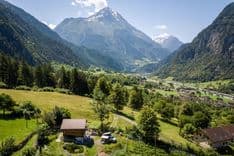
Switzerland is the most fragmented case in this group. Generally, wild camping is not permitted everywhere, as the country has strict laws to protect nature and the environment. According to the Civil Code, however, forests and pastures are accessible to everyone. And that is where it gets complicated: Regulations vary depending on the canton or municipality, and special provisions may apply. Staying overnight outside designated campsites is only allowed with the explicit permission of the landowners. The exception is bivouacking, which is permitted in some cantons. You may spend one night there in a small tent or bivvy bag out in nature, as long as you stay well away from settlements and hiking trails. Similar rules apply to vehicles. Spending the night in a motorhome or caravan away from official campsites is generally not allowed unless you have permission from the landowners. In practice, staying overnight in a vehicle is usually merely tolerated. Important to know: Wild camping is strictly forbidden in Swiss national parks, federal game reserves, and designated wildlife sanctuaries. We have compiled all the details about Switzerland for you here: Wild camping in Switzerland
Countries where wild camping is prohibited
The majority of Europe belongs to this group. The reasoning is almost identical everywhere: protection of nature and the environment, combined with the property rights of landowners.
Germany: Clearly prohibited, for tents and vehicles
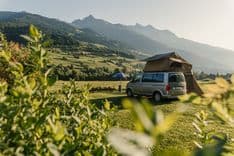
In Germany, wild camping is generally not permitted, whether with a tent, motorhome, or camper. Anyone staying overnight outside official campsites or designated pitches must expect fines. The regulations are designed to protect nature while respecting the rights of property owners. If you want to travel through Germany in a camper, official campsites and legal pitches offer a safe alternative. This allows you to enjoy nature without having to worry about legal issues.
Italy: Administrative offense with fines
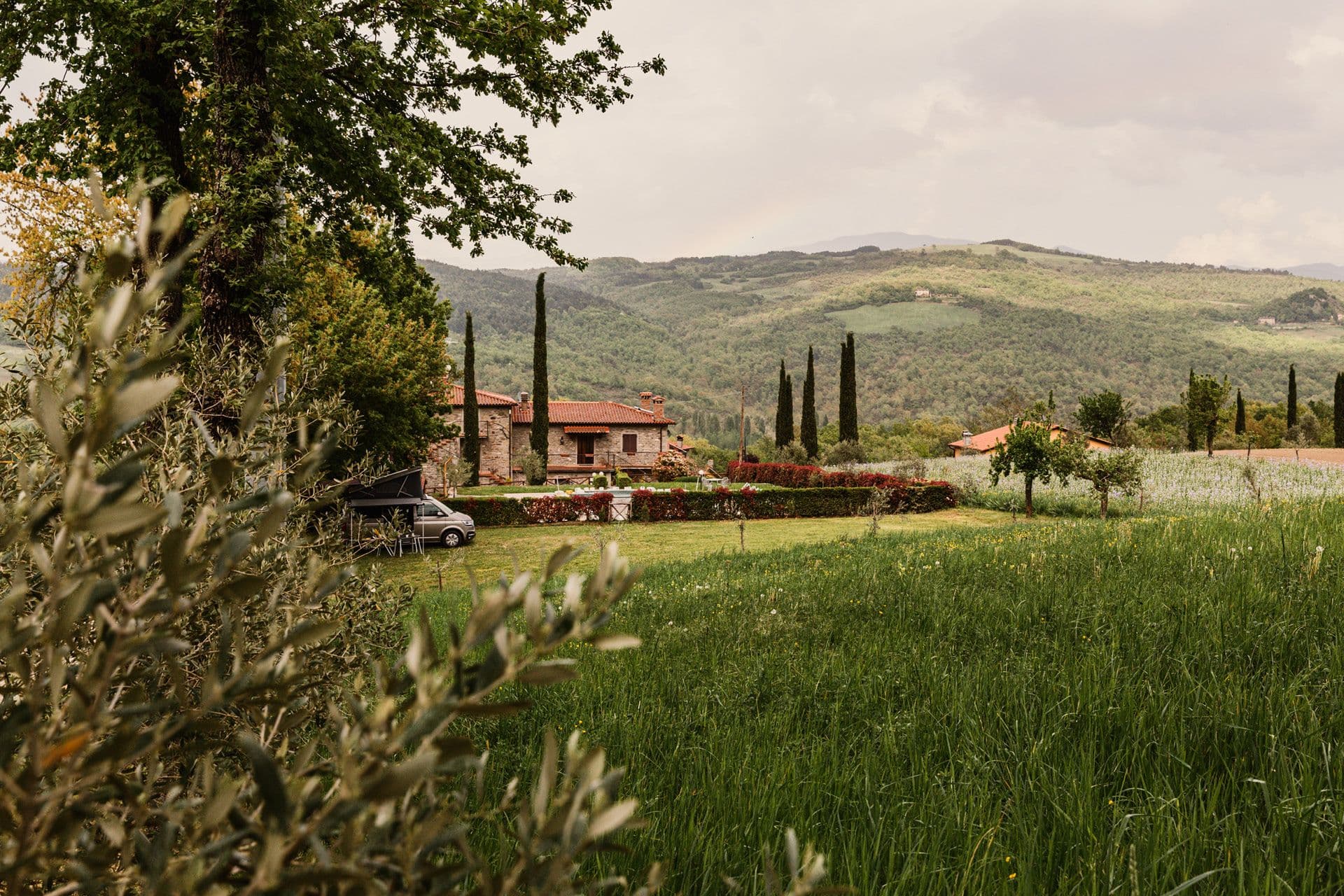
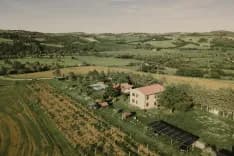
In Italy, wild camping is generally not allowed, neither with a tent nor with a motorhome. Anyone staying overnight outside official campsites or designated areas faces fines. These regulations serve to protect nature and the often fragile landscapes. If you still want to experience Italy as close to nature as possible, you will find special pitches on Nomady at agriturismi, wineries, and with other nature-oriented hosts. That way, you can experience the Italian landscape authentically while staying overnight legally.
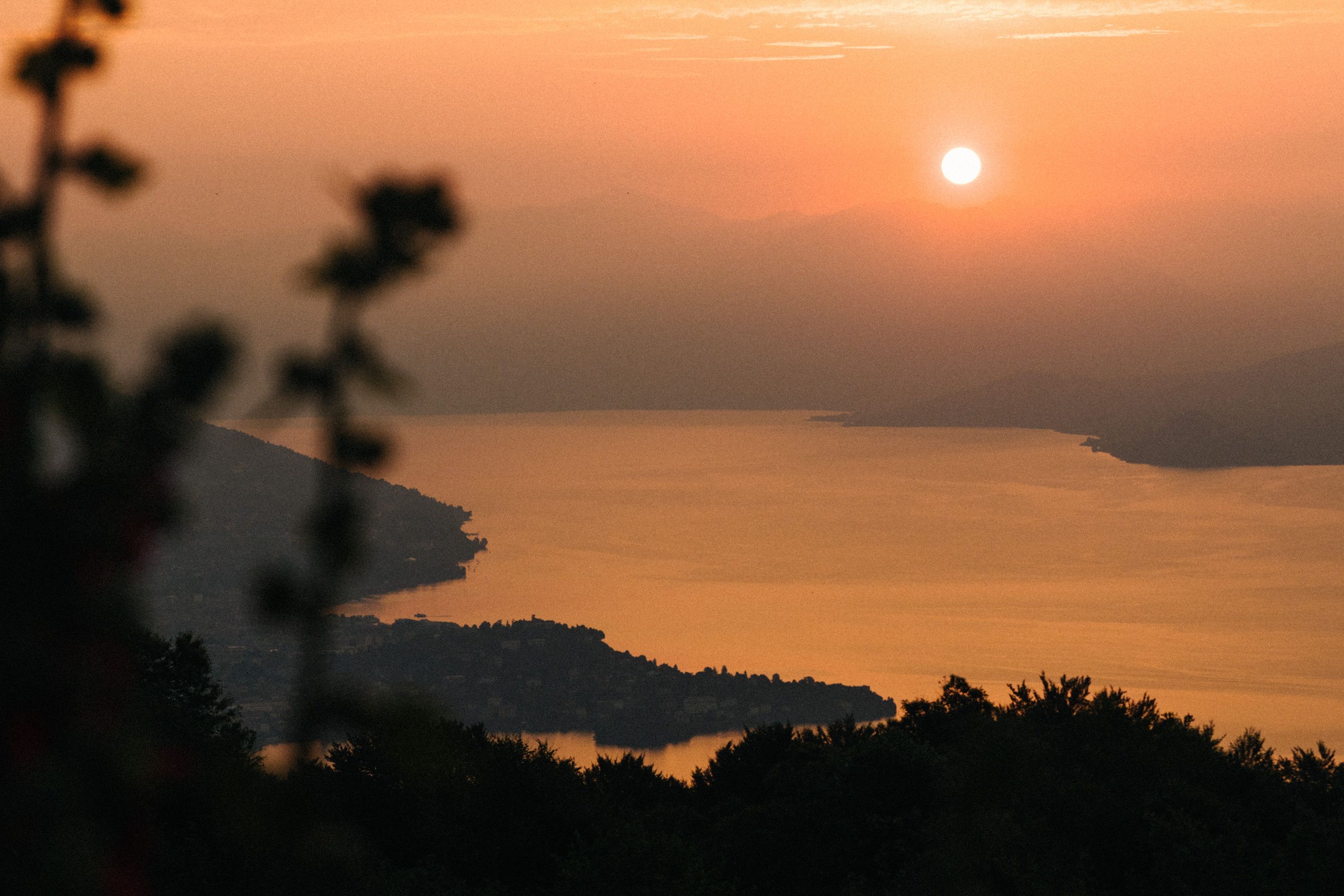
Croatia: Strictly enforced along the coast and inland
Croatia takes a clear stance on wild camping: Staying overnight outside official campsites is not permitted, whether with a tent or a motorhome. Violations can result in fines, as protecting nature and coastal landscapes is a top priority. When traveling through Croatia in a camper, you should therefore plan your overnight stays at official campsites or pitches. There are plenty of options available both along the Adriatic coast and inland.
Spain: Heavy fines, campsites are cleared
In Spain, wild camping is generally not permitted. Anyone staying overnight outside official campsites or designated areas must expect hefty fines depending on the region. Exceptions are rare, such as on private property with explicit permission or in specially designated areas. These regulations apply equally to motorhomes and campervans. Even if free standing is temporarily tolerated in some places, travelers should not rely on it. Such spots are regularly checked and cleared by authorities when necessary.
Portugal: Previously popular, now strictly monitored
Portugal was long considered one of the most popular destinations for wild camping and surf trips in Europe. Especially along the Algarve, free standing was almost a way of life for many vanlife travelers. In the meantime, however, the legal situation has changed significantly. Wild camping is consistently monitored and generally prohibited. This also applies to motorhomes and campervans. If you want to explore Portugal, you should plan your overnight stays at official campsites or pitches. That way, you can enjoy the coast, surf spots, and the interior in a relaxed manner without worrying about possible fines along the way.
Denmark: Official sites only, with designated campfire spots
Regulations are strict. Staying overnight outside official campsites is legally prohibited in Denmark, for tents as well as motorhomes and caravans. In return, there are numerous official campsites, cabins, or shelter areas with official overnight stay permits.
Netherlands: Densely populated, plenty of pitches instead
Anyone traveling through the Netherlands in a camper should plan their overnight stays in advance. Free overnight stays in nature are not permitted and can result in fines. The regulations apply regardless of whether you are traveling with a tent or a motorhome. Instead, the country focuses on legal overnight options, which are available almost everywhere. Campsites and motorhome pitches make it easy to explore the country without violating the applicable regulations.
Belgium: Not tolerated, risk of fines
Between the coast, forests, and medieval cities, distances in Belgium are often just a few hours apart. That is precisely why the country is wonderful to explore in a camper. However, clear rules apply when staying overnight: Wild camping is not permitted, regardless of whether you are traveling with a tent or a motorhome. Therefore, plan your overnight stays at official campsites or pitches.
England, Wales, and Northern Ireland: Stricter than Scotland
Many associate England with images of secluded moorlands and endless hiking trails. When it comes to wild camping, however, much stricter rules apply than many expect. Unlike in Scotland, there is no general right to wild camp here. A well-known exception is Dartmoor, where backpackers are allowed to stay overnight in designated areas under specific conditions. However, this exception does not apply to motorhomes and campervans. Anyone exploring England in a camper should therefore turn to official campsites and pitches, or obtain permission from landowners in advance.
What This Means for Camper Travellers
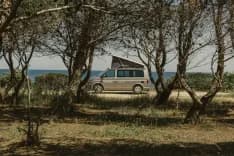
When you go through the countries, a pattern emerges that surprises many vanlife travellers. Wild camping is not explicitly permitted for motorhomes in most European countries. In Scandinavian countries, the freedom to roam applies exclusively to camping with a tent or bivouac. For vehicles, there is either no legal basis or simply an outright ban. What remains is tolerance. And tolerance is not a legal right. It can look different tomorrow than it does today, depending on the municipality, inspections, or the season. That's precisely why it's worth checking the latest regulations before every trip or opting for legal pitches. If you want to enjoy nature without having to worry about the legal situation, Nomady offers close-to-nature and legally bookable pitches in several European countries. That way, you can arrive relaxed and enjoy your surroundings.
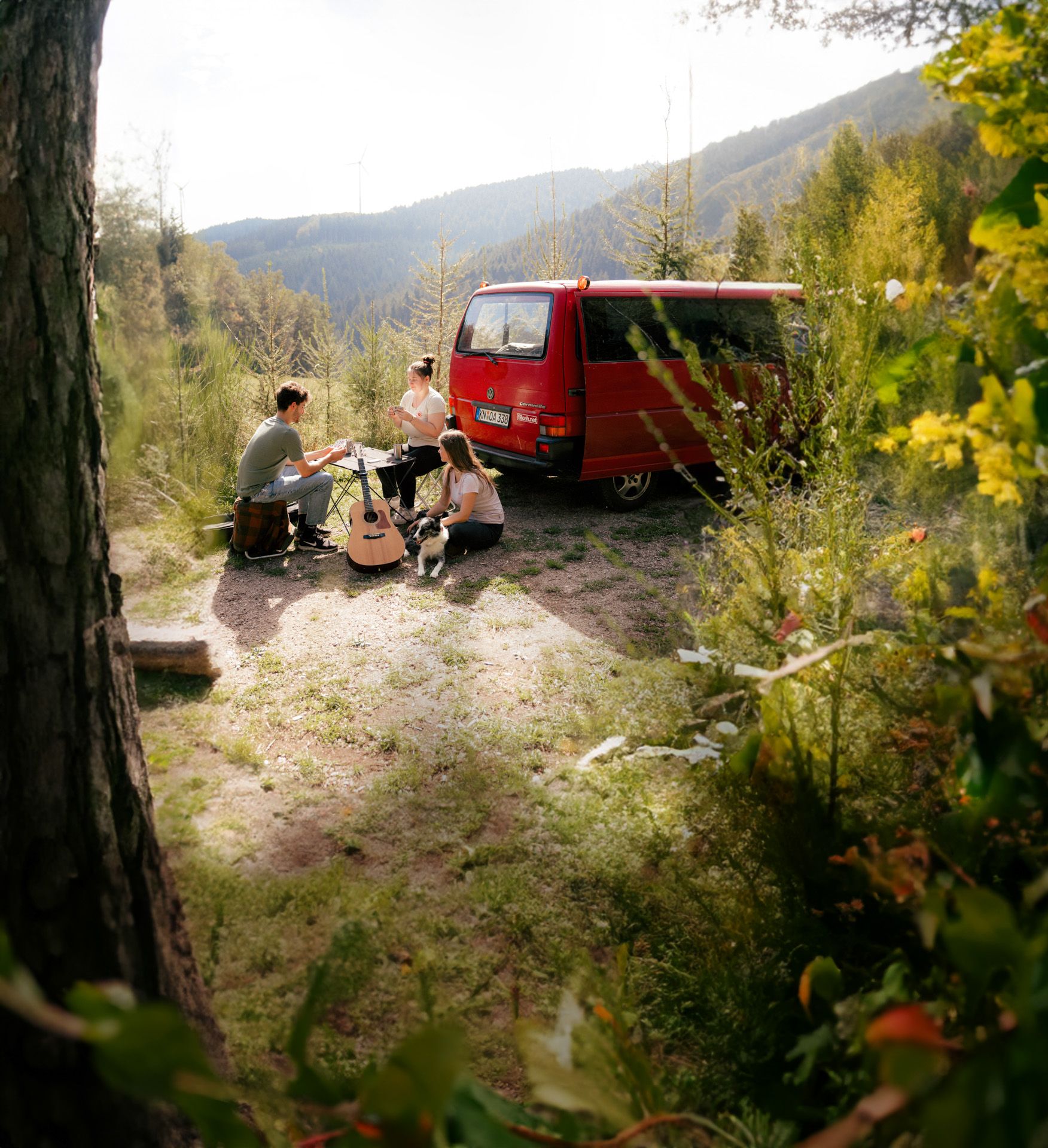
General Rules to Keep in Mind:

No noise, leave no trace
Respect the privacy of others and observe quiet hours at night. Wildlife also has a right to peaceful sleep. Avoid noise and disturbances, and leave the spot completely clean.

Washing up and showering
Do not do your dishes directly next to water bodies, and never dispose of greywater into them. Use biodegradable dish soap and toothpaste. Washing yourself in a stream or river is permitted, but shower gel should be eco-friendly or avoided entirely.

When nature calls
Only do your business outdoors when necessary and never close to bodies of water. Faecal bacteria can harm wildlife. Use a plastic bag to pack out your toilet paper or burn it (never during wildfire risk) after burying your waste. True wild campers always carry a small trowel or rely on practical dry separating toilets.

Campfires
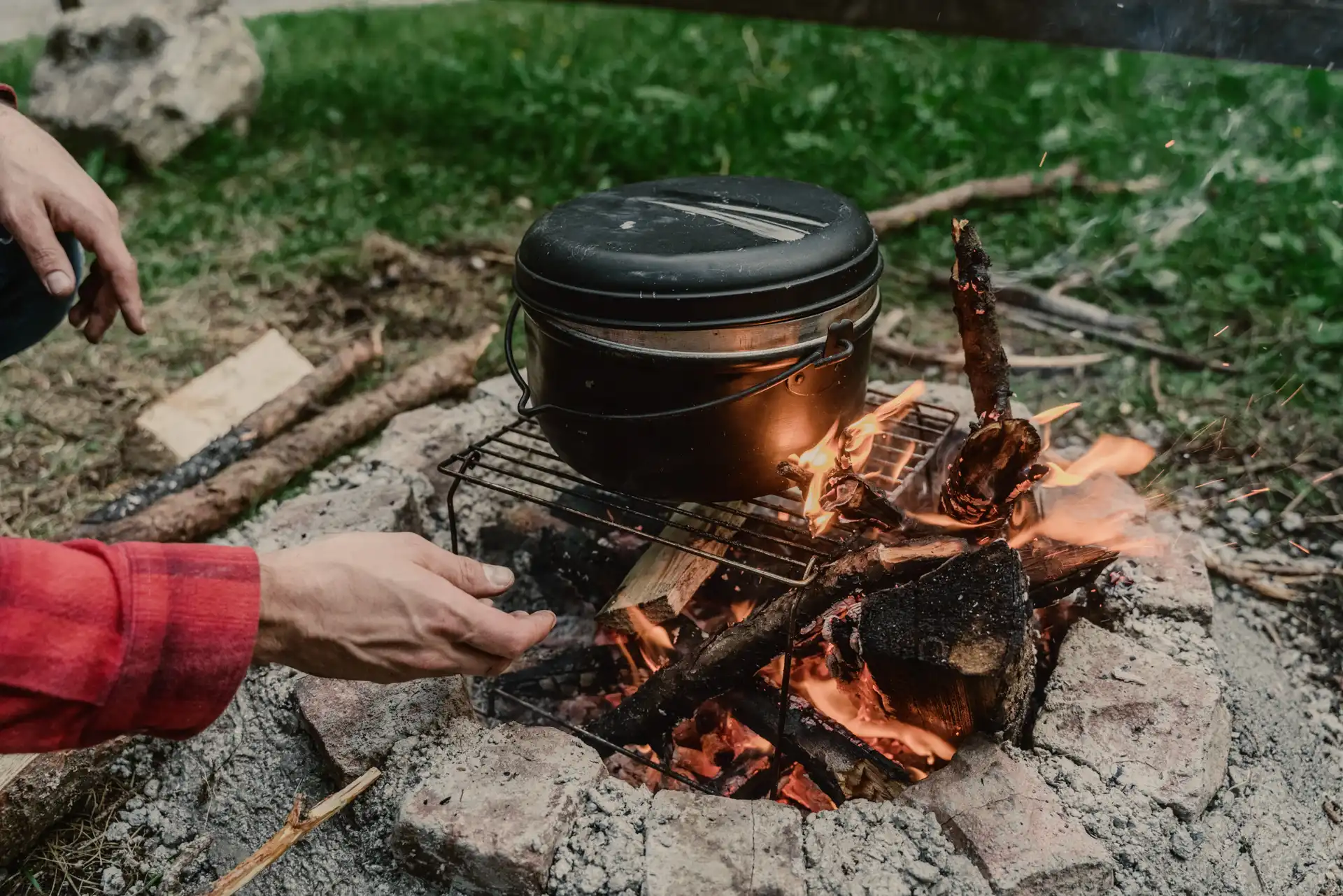
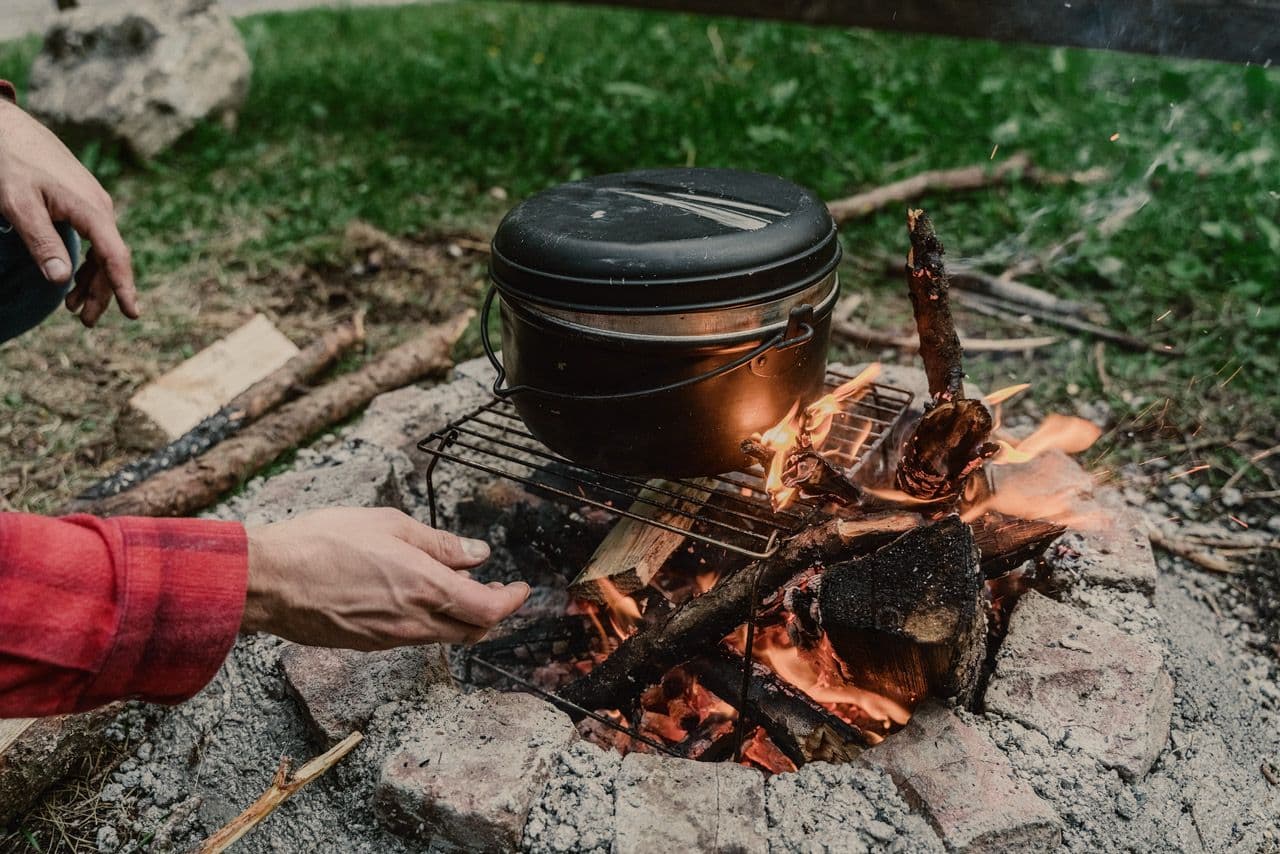
In some areas, making fires is strictly prohibited as it drives away wildlife. Look out for warning signs. In any case, exercise utmost caution when lighting a fire. Use existing fire pits and check the current wildfire danger level. In Ticino and Italy, we recommend never lighting an open fire.
Almost Like Wild Camping
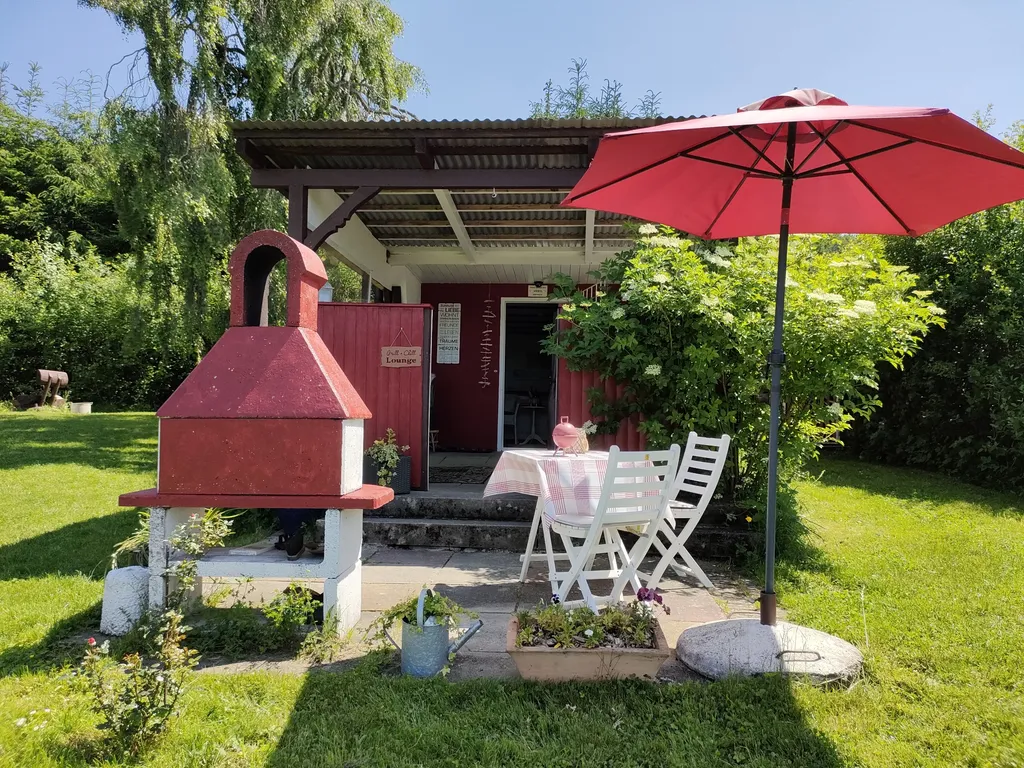
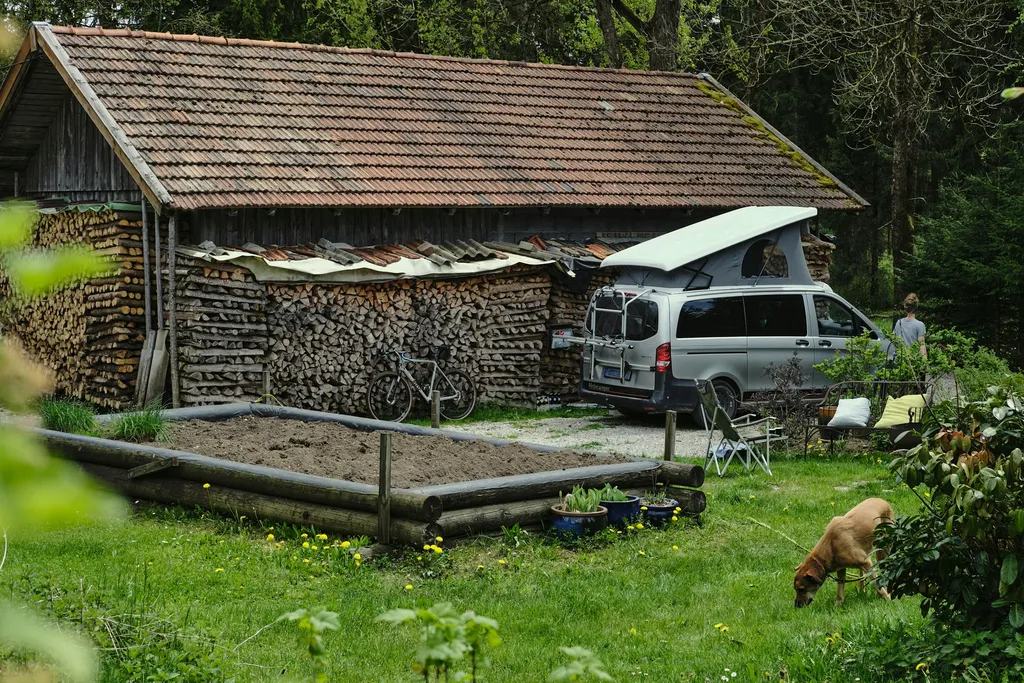
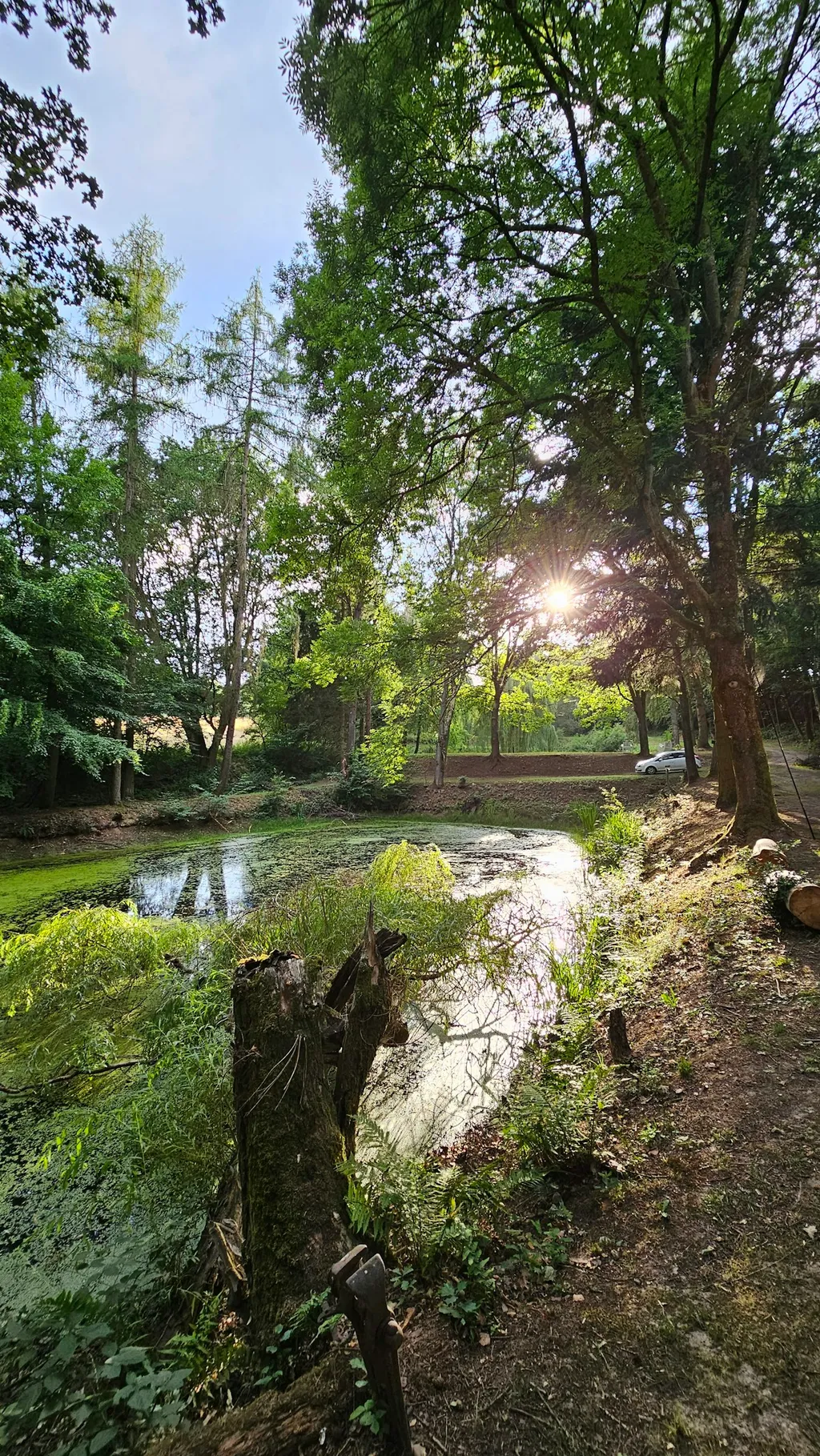
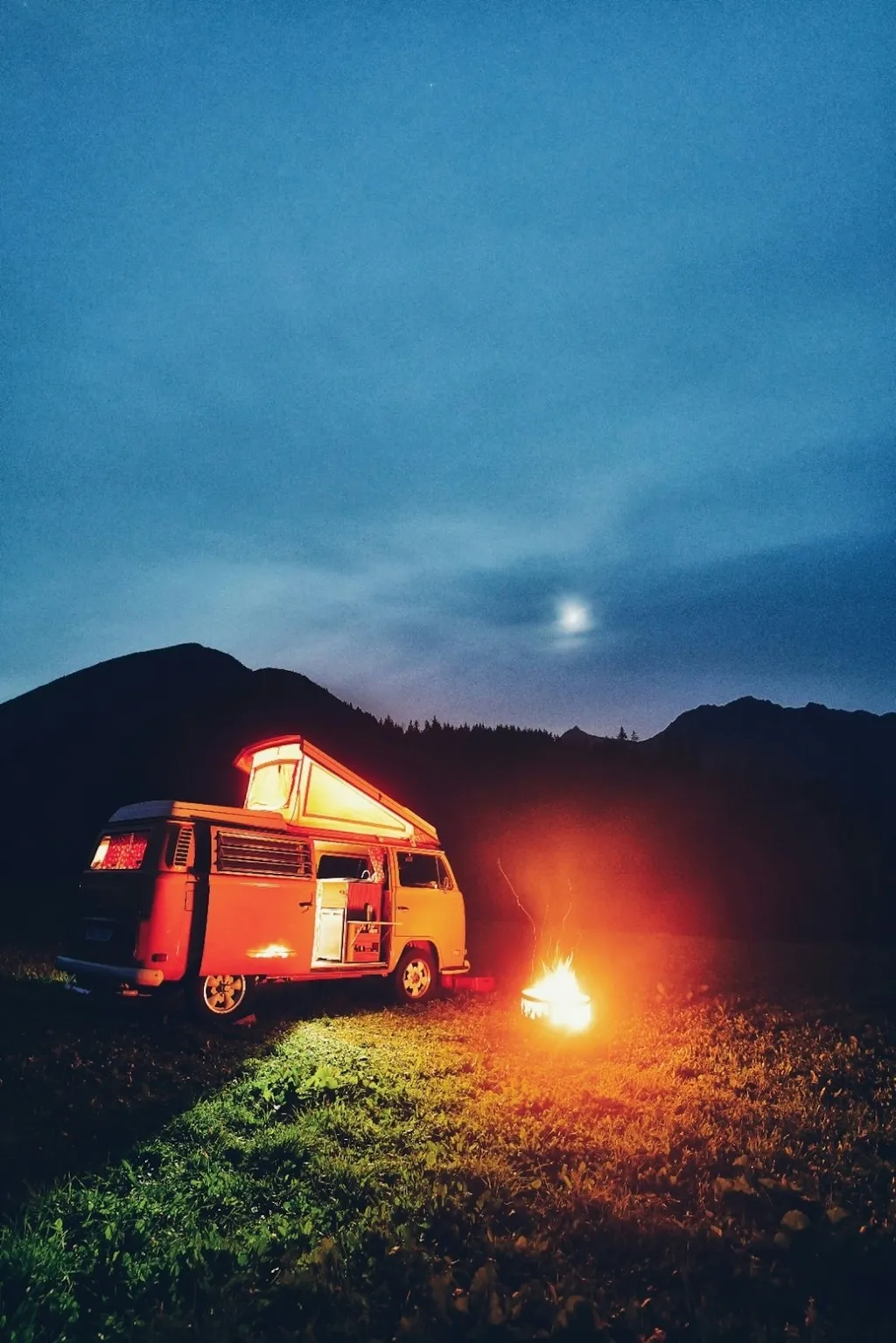
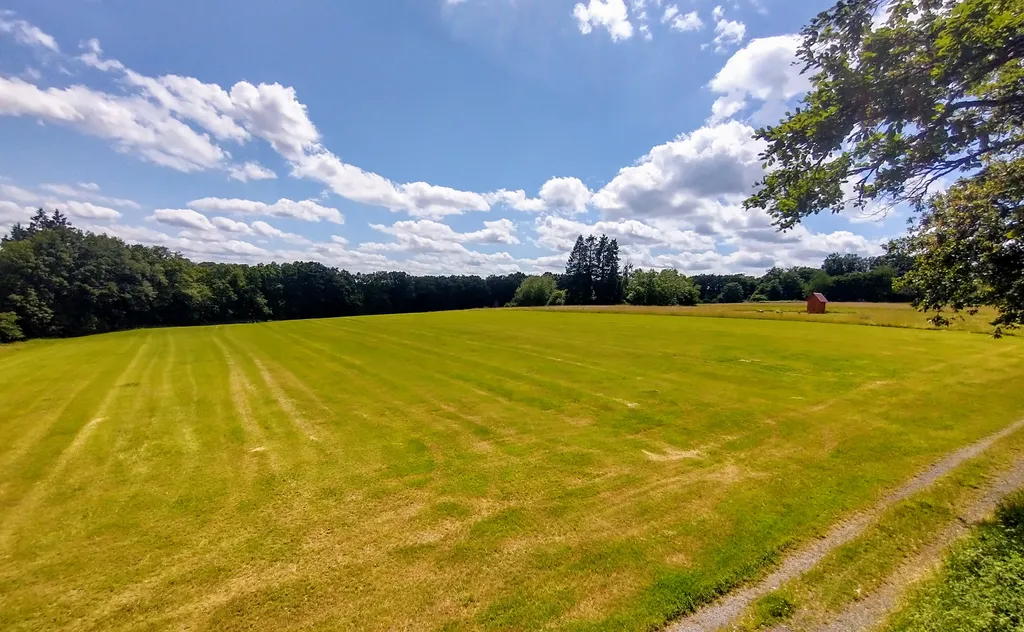
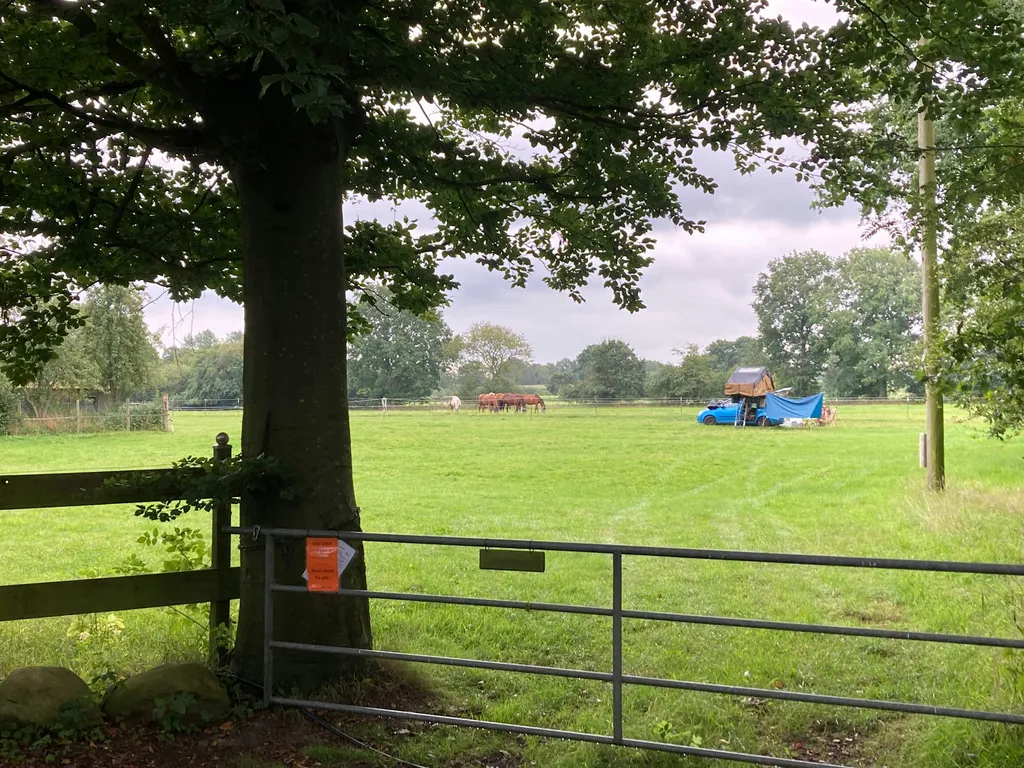
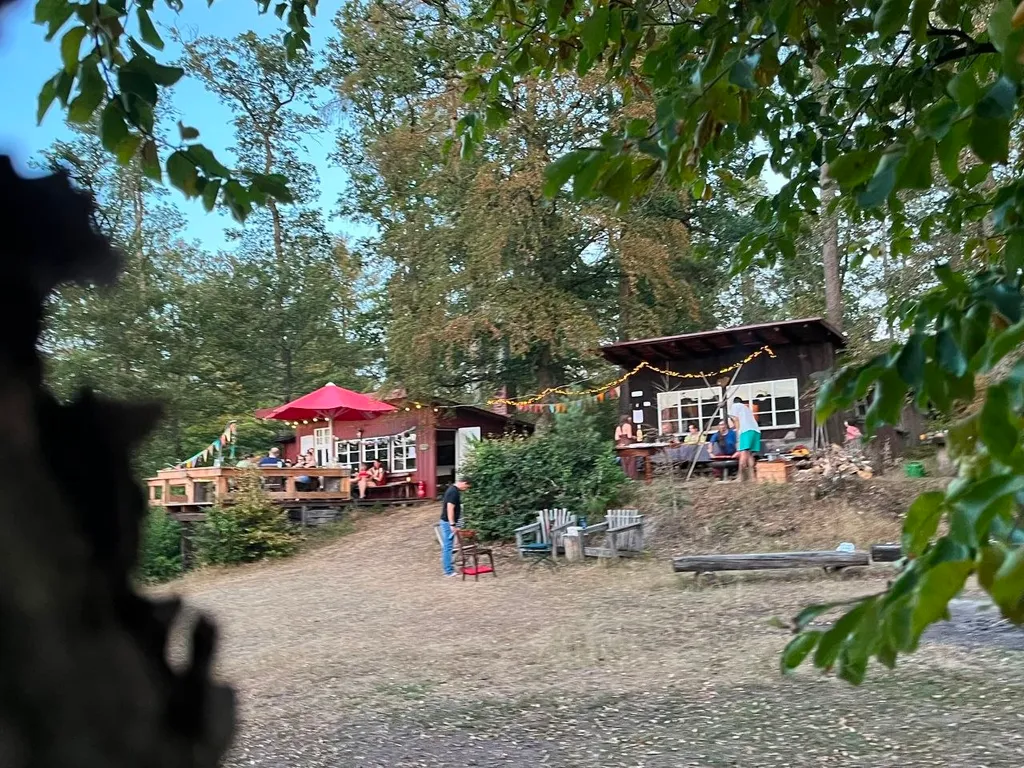
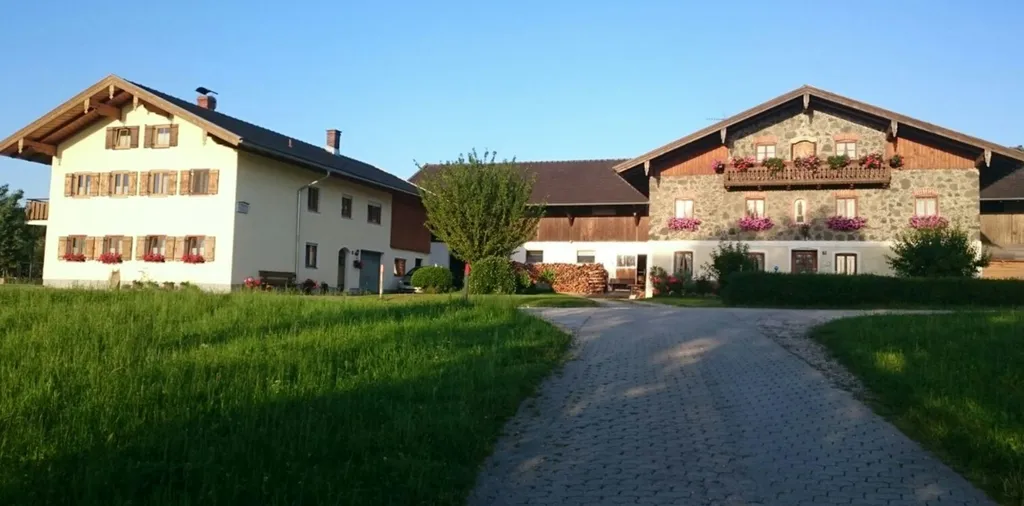
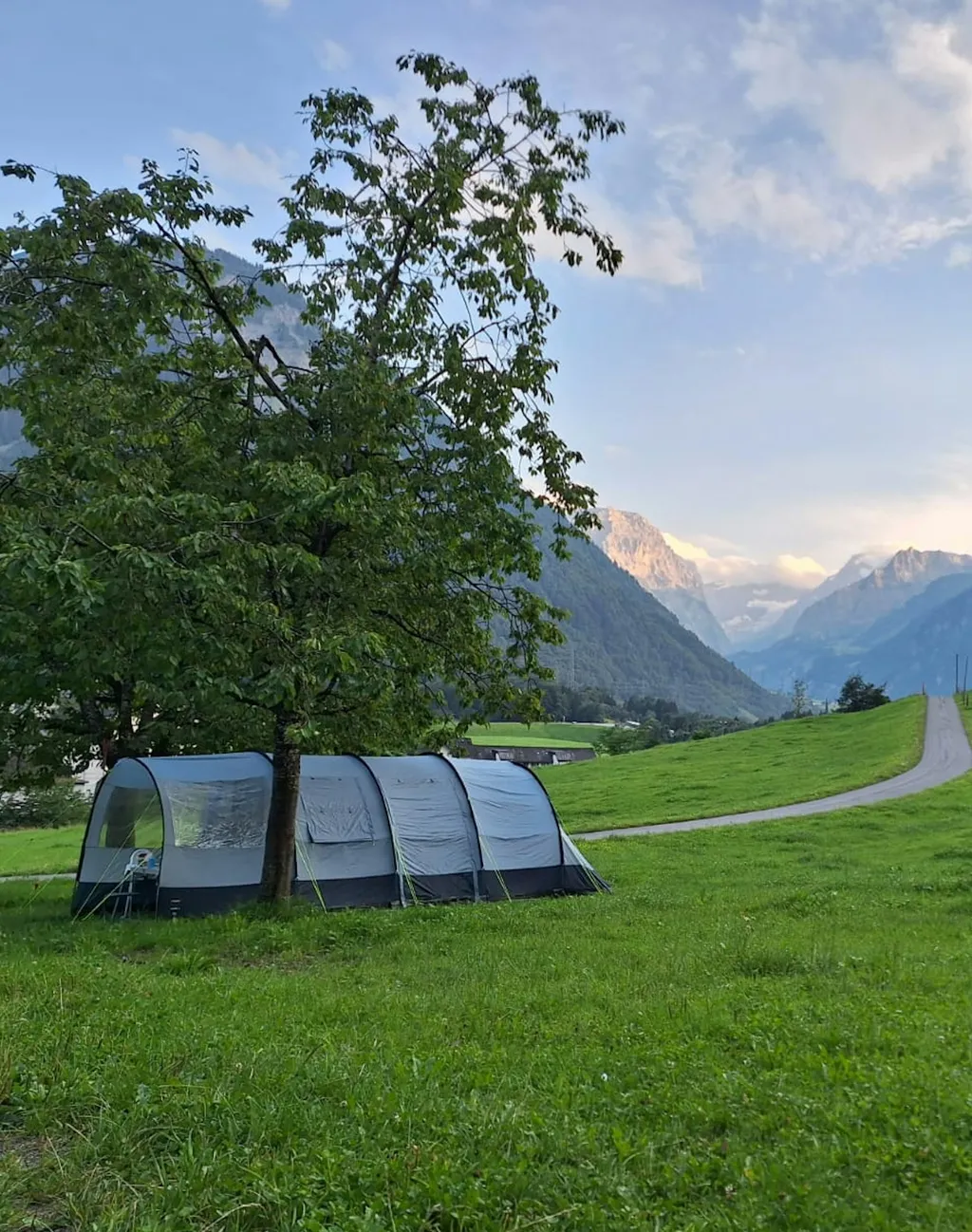
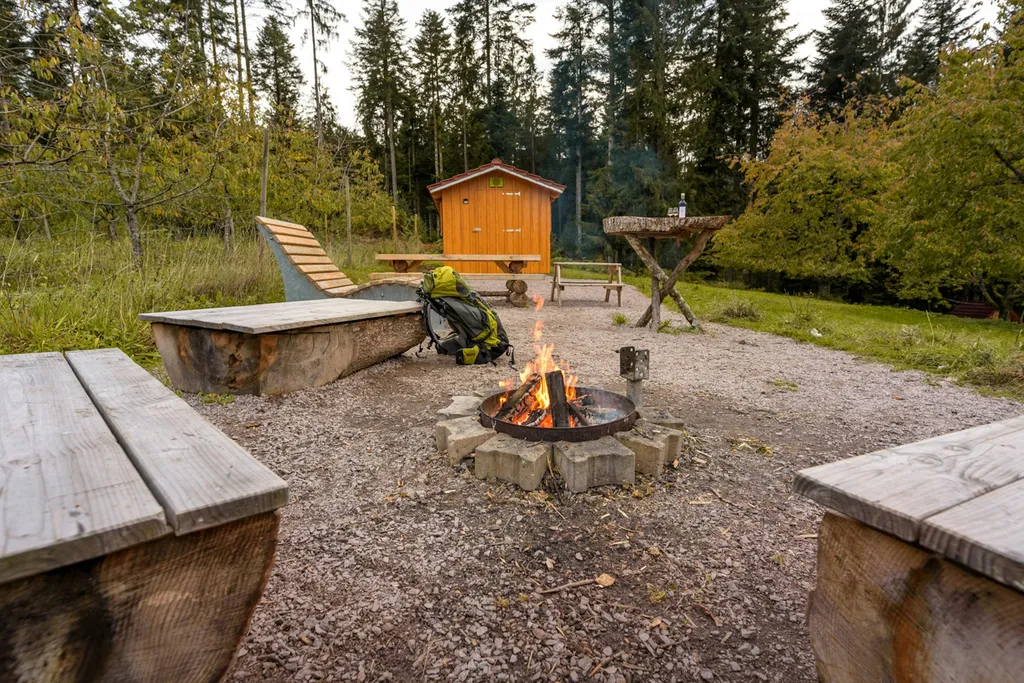
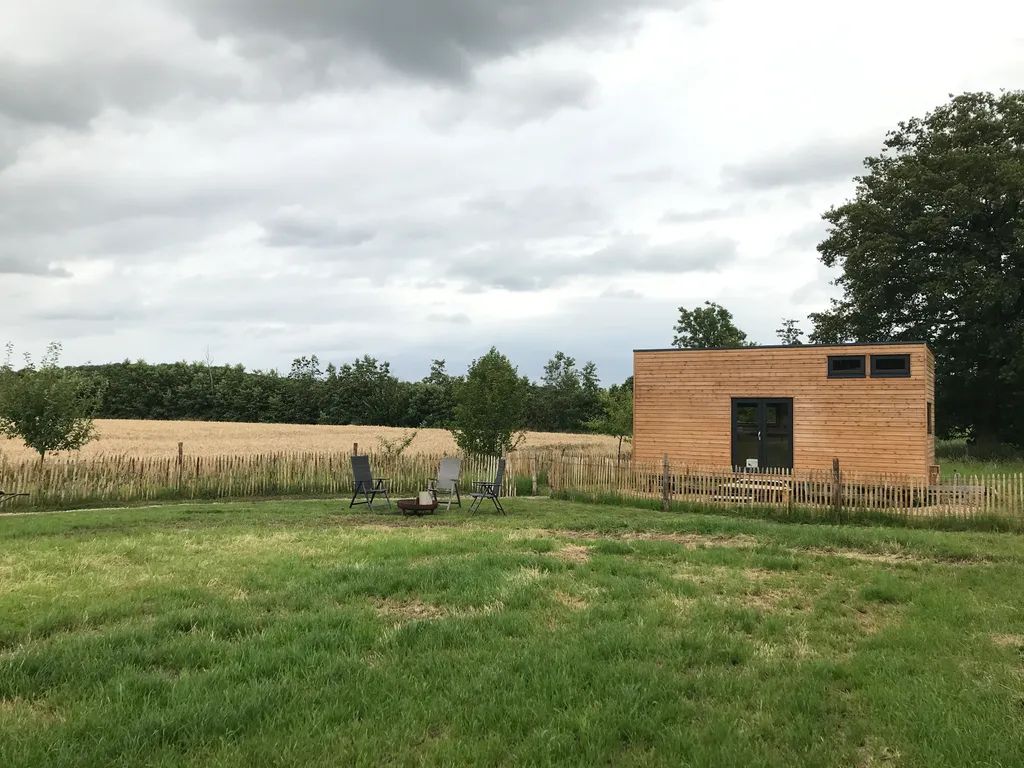
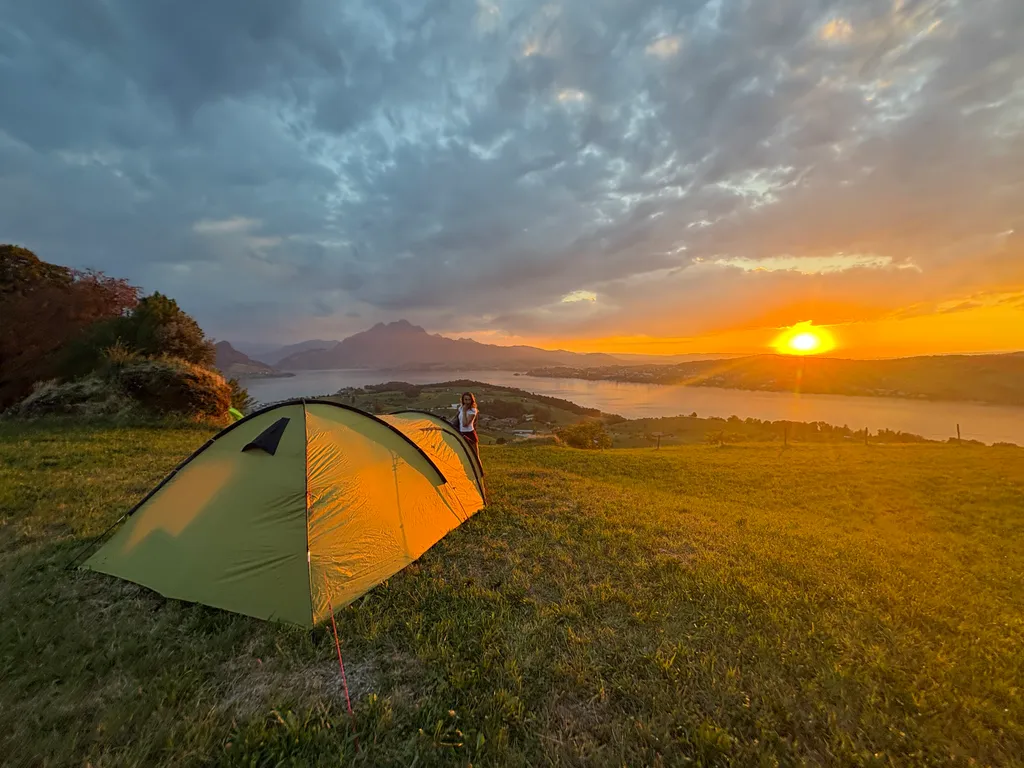
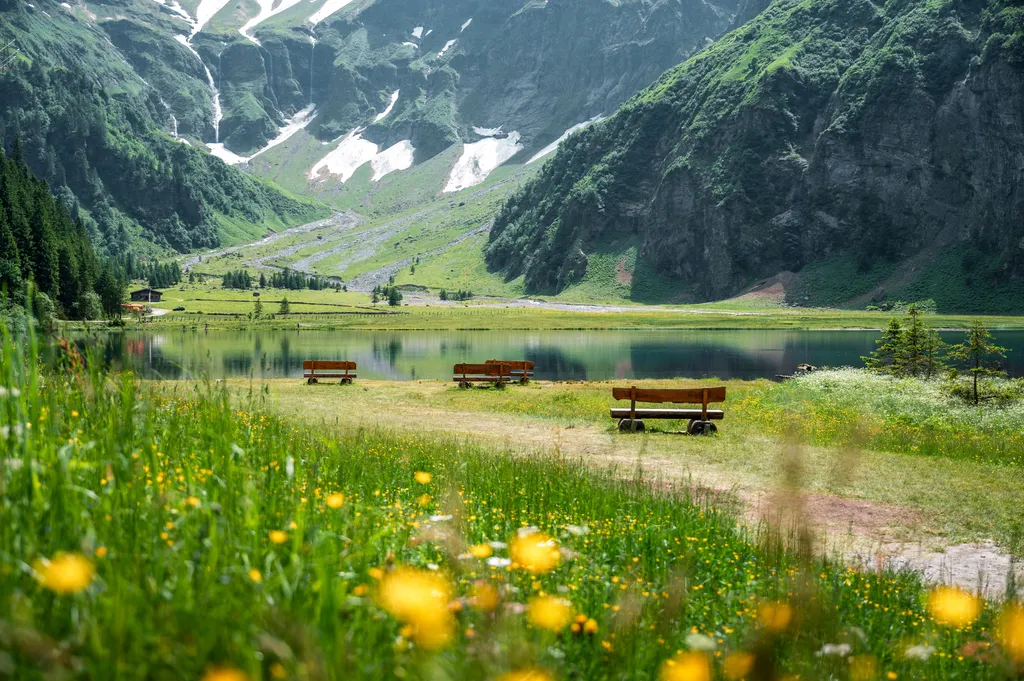
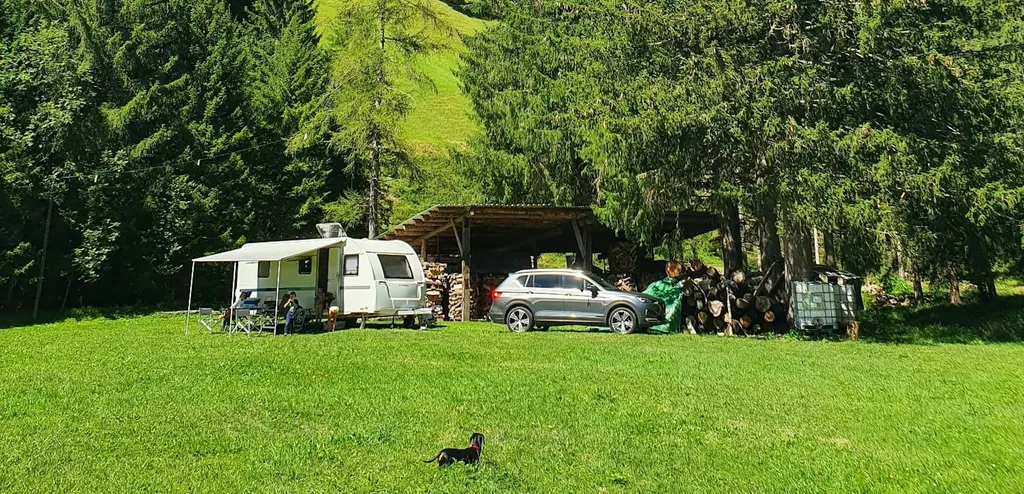
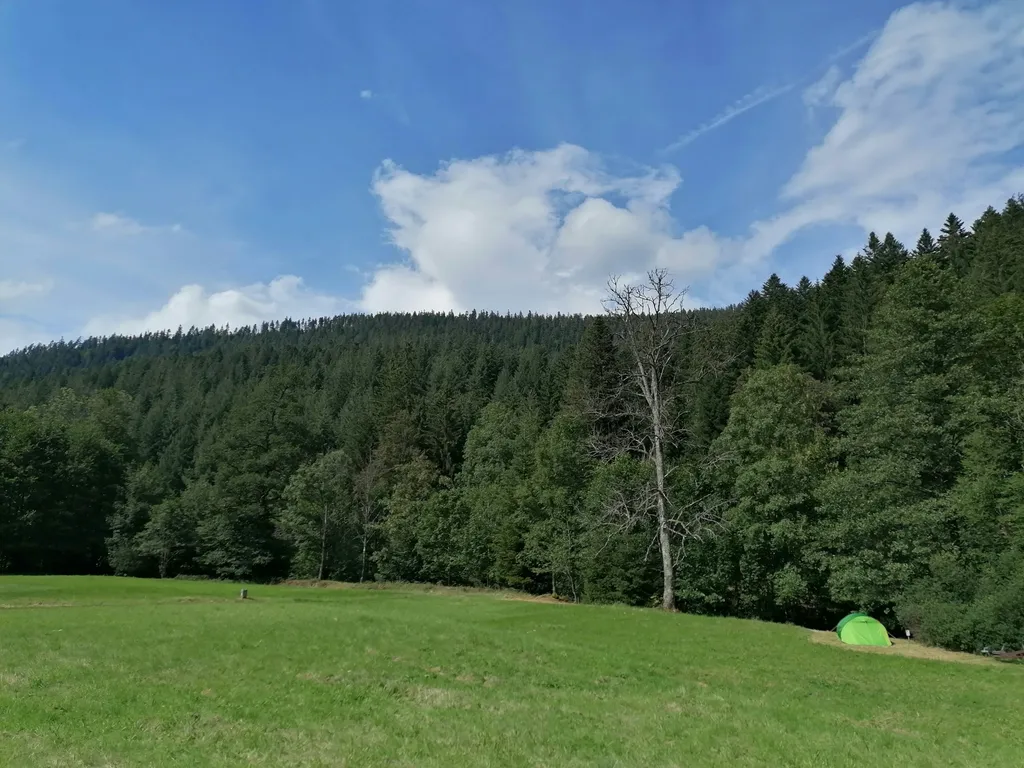
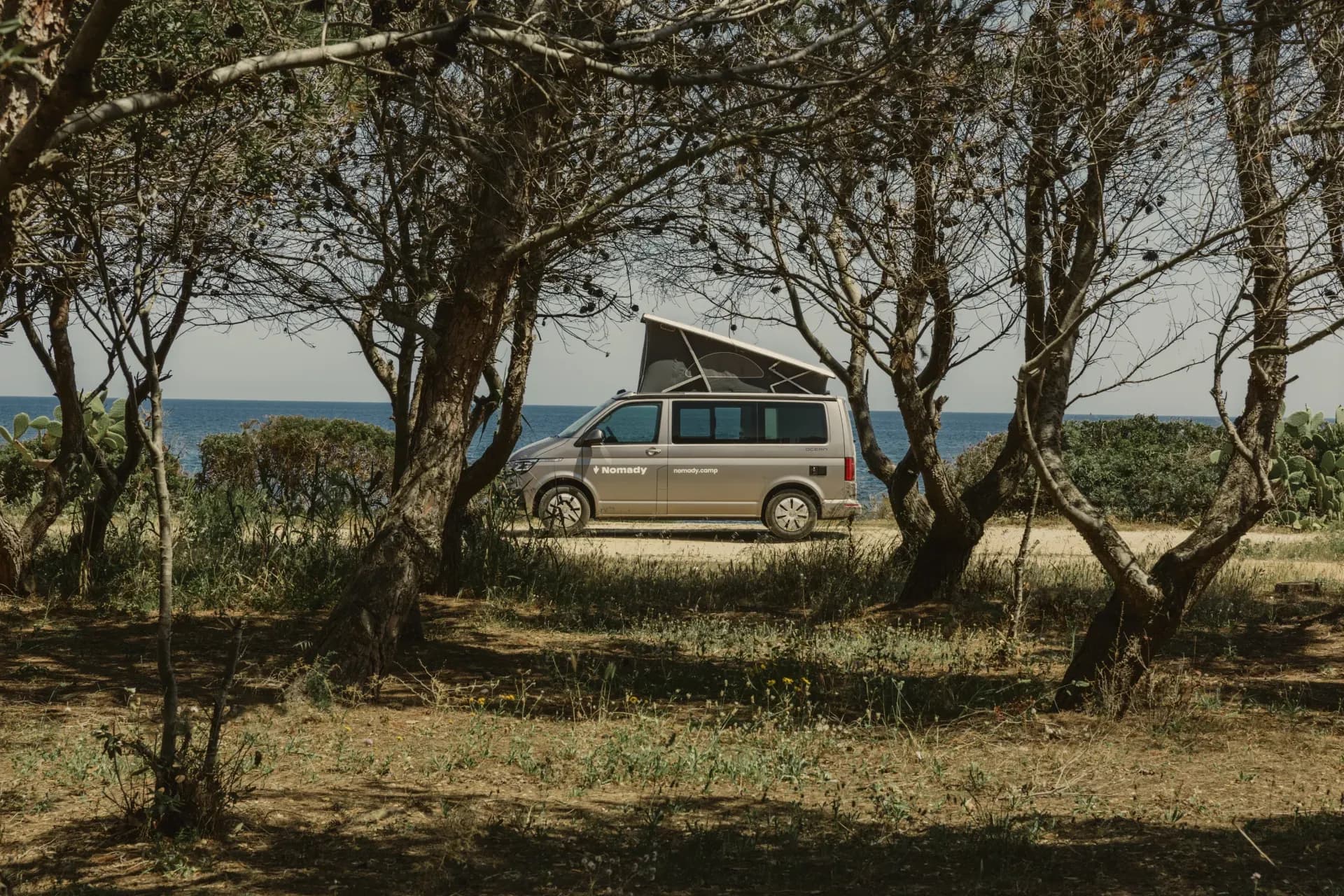
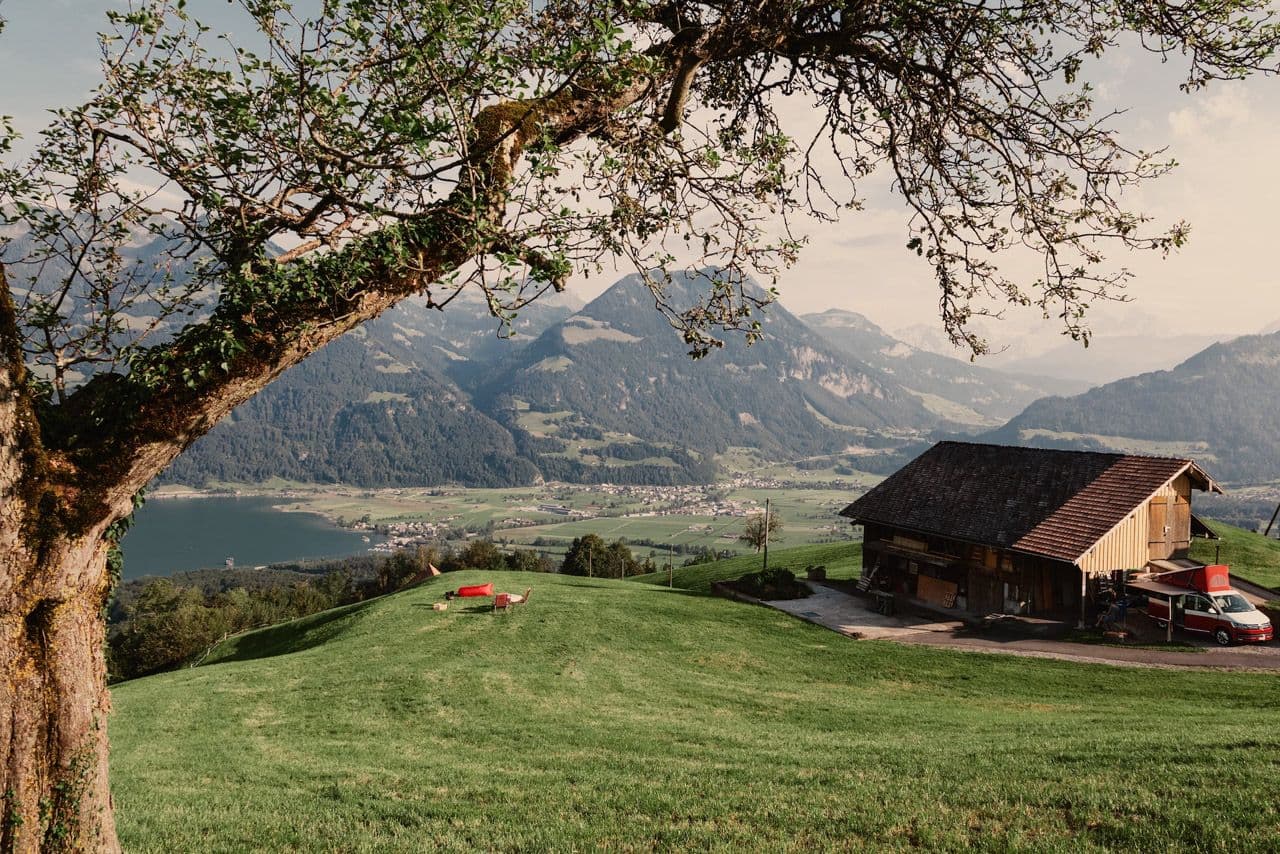
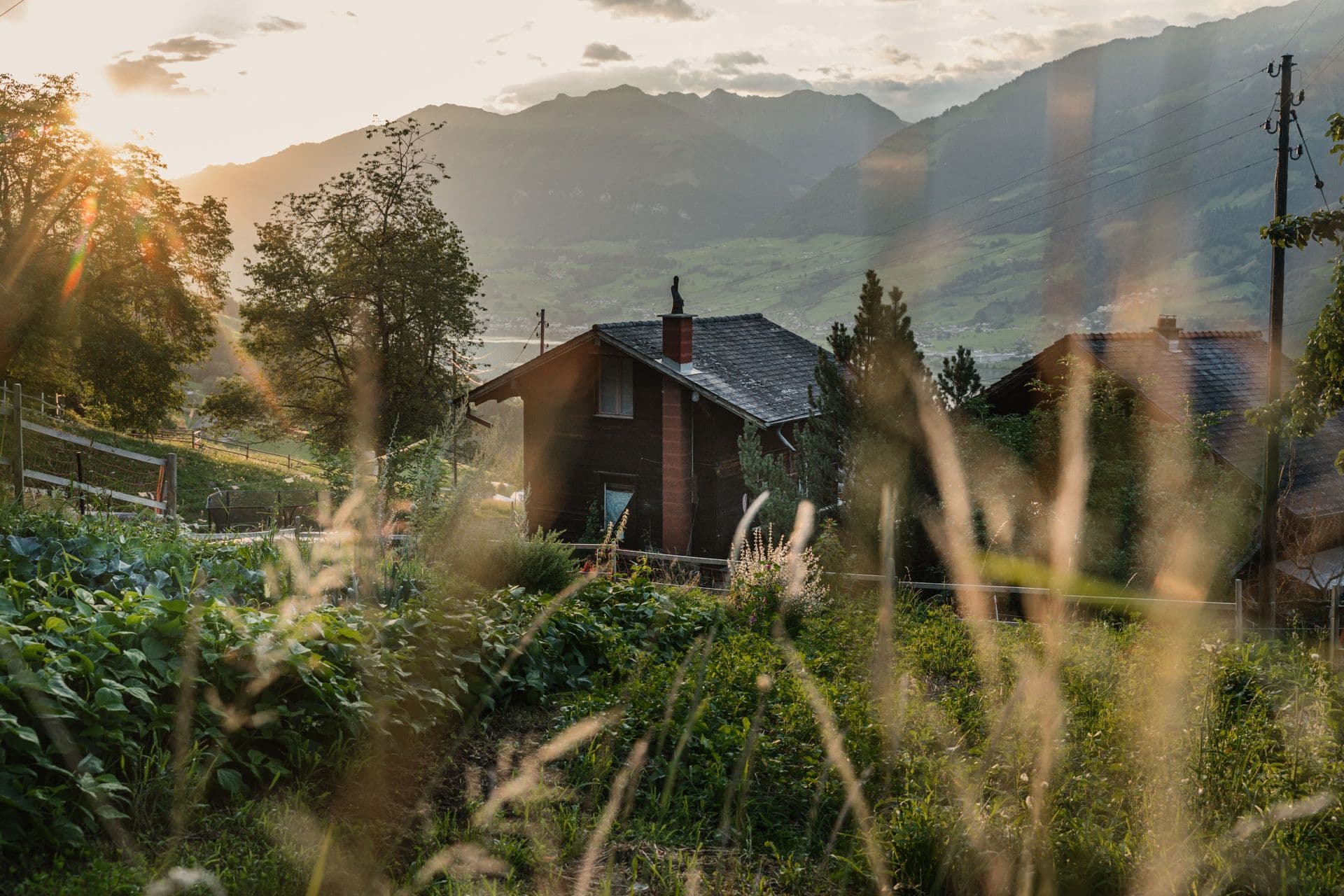
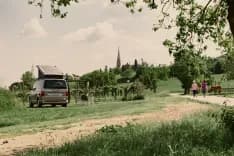
If you've read this far, you know: free standing isn't a reliable option in large parts of Europe. Yet the desire behind it remains the same. At Nomady, you'll find pitches hosted by private hosts, often in spots that are otherwise inaccessible. For a night in a tent just as much as for an overnight stay in your vehicle. As wild as it gets, and completely legal. Without having to compromise on stunning natural scenery.
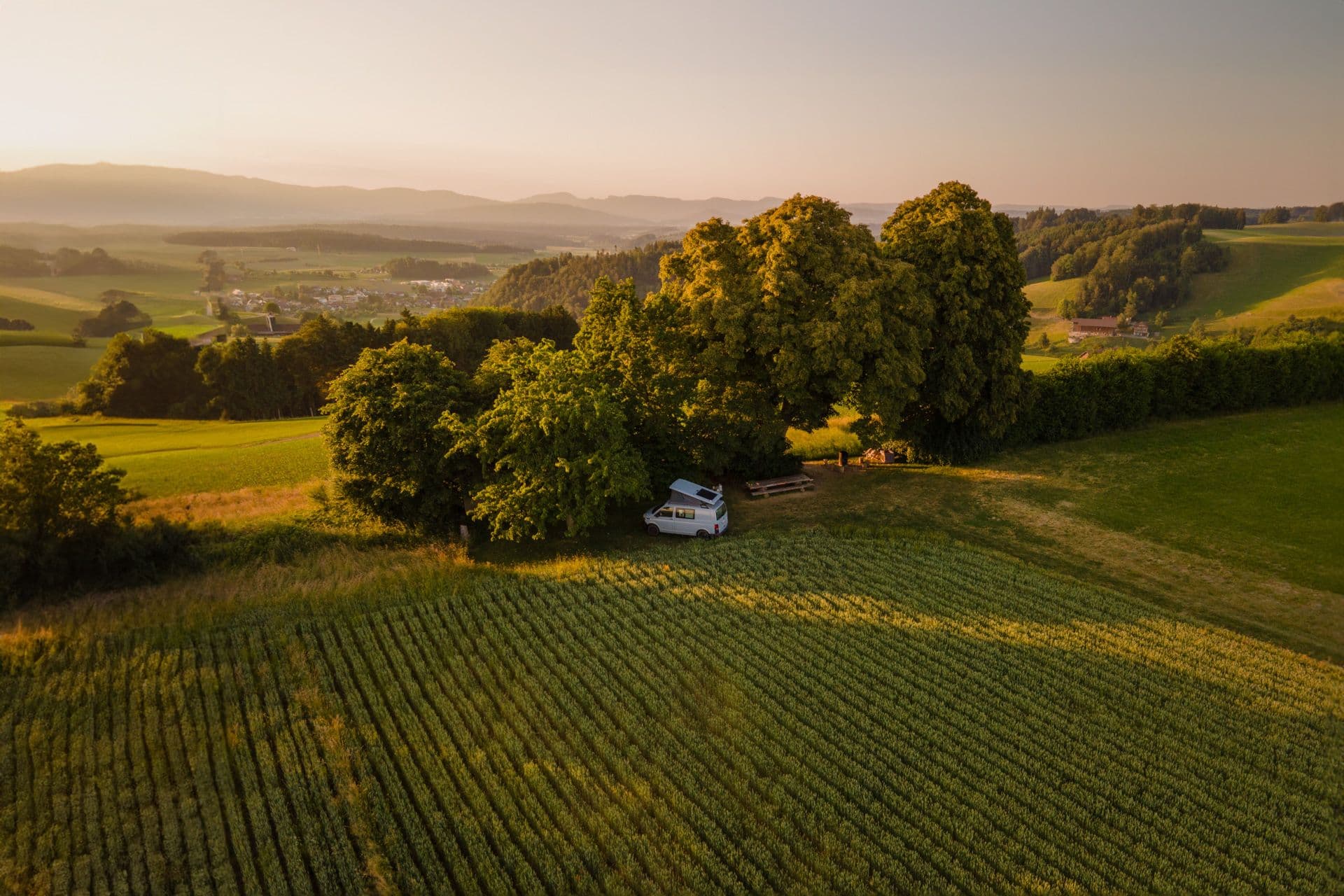
Find Your Spot in Nature
Don't Have a Camper Yet?
Our partner MyCamper connects private vehicle owners with camping enthusiasts in Switzerland, Germany, Austria, and Scandinavia. From compact campervans to fully equipped motorhomes, you'll find the right vehicle for your next adventure. At the same time, MyCamper gives camper owners an easy way to rent out their vehicle and earn extra income when they aren't using it. Thanks to integrated insurance solutions, both sides benefit from safe and simple bookings.
Whether it's a short trip to the Swiss mountains or a grand Scandinavian adventure, you'll find the perfect vehicle at the best price on MyCamper.

All regions at a glance
Switzerland



Germany








Italy




The country information in this article is based on research by our partner MyCamper, written by Sarah Allmayer. We are allowed to use this content with kind permission. Status: August 2026
All information provided without guarantee. Subject to change. Feedback and corrections are welcome at hello@nomady.camp with the subject "Wild Camping Europe".