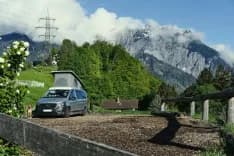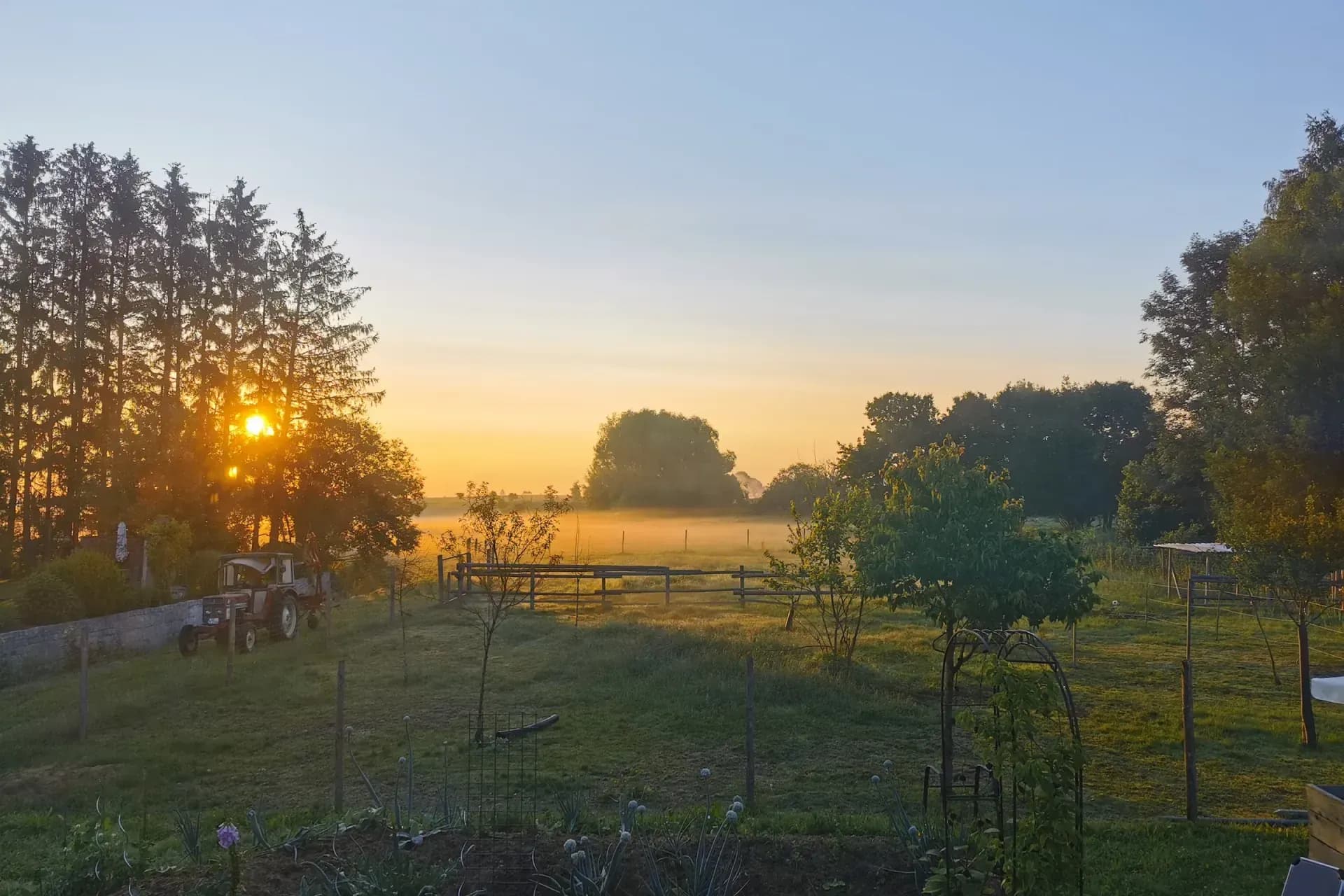
Tent Camping in Germany – Experience Freedom, Nature and Safety
Anyone looking to go tent camping in Germany often wants a spot that combines a true nature experience, safety and simple booking. An official campsite or tent pitch is the best choice: you can stay overnight legally, have clear rules and, depending on the spot, find essential infrastructure such as toilets, showers, drinking water, electricity or a fire pit.
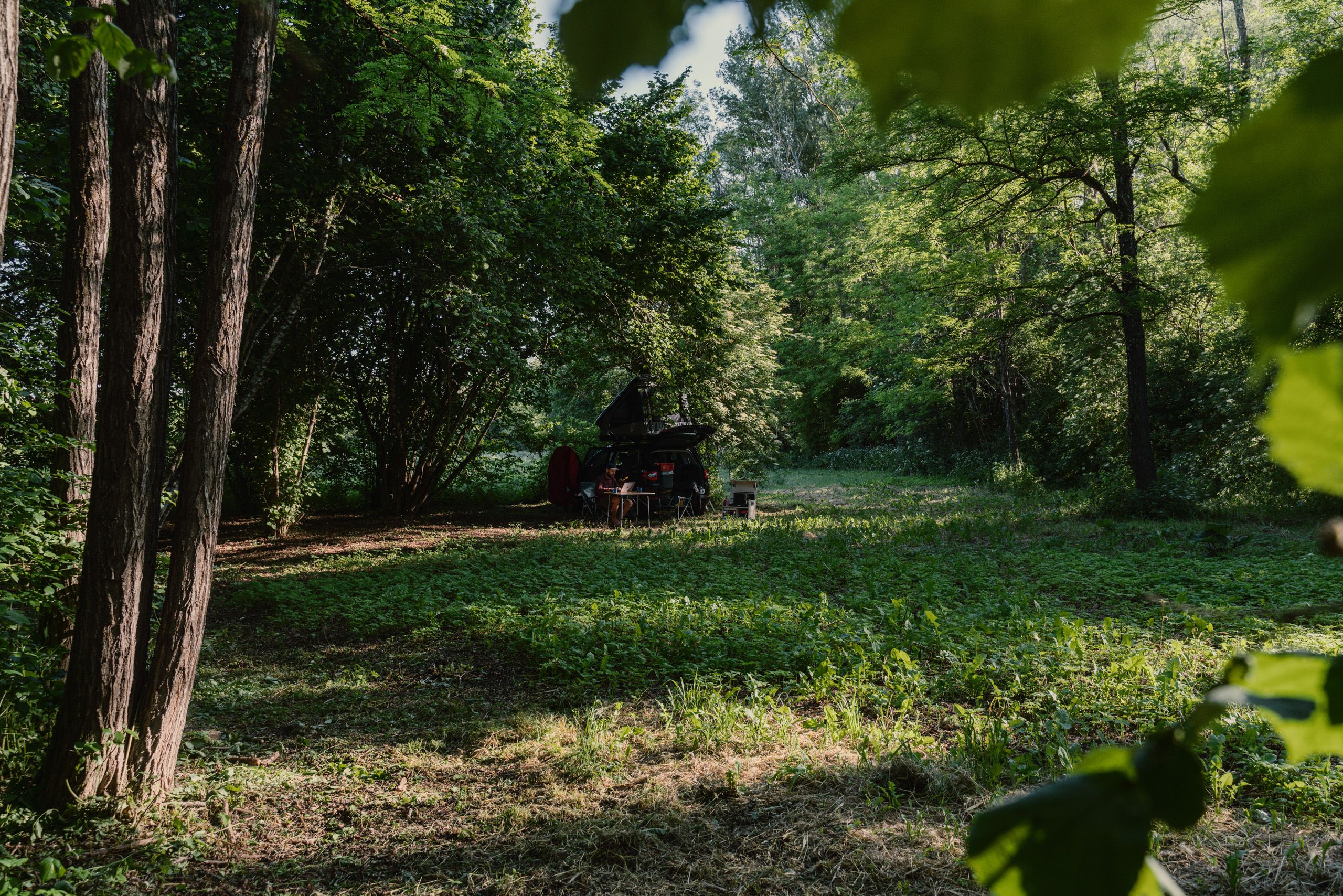
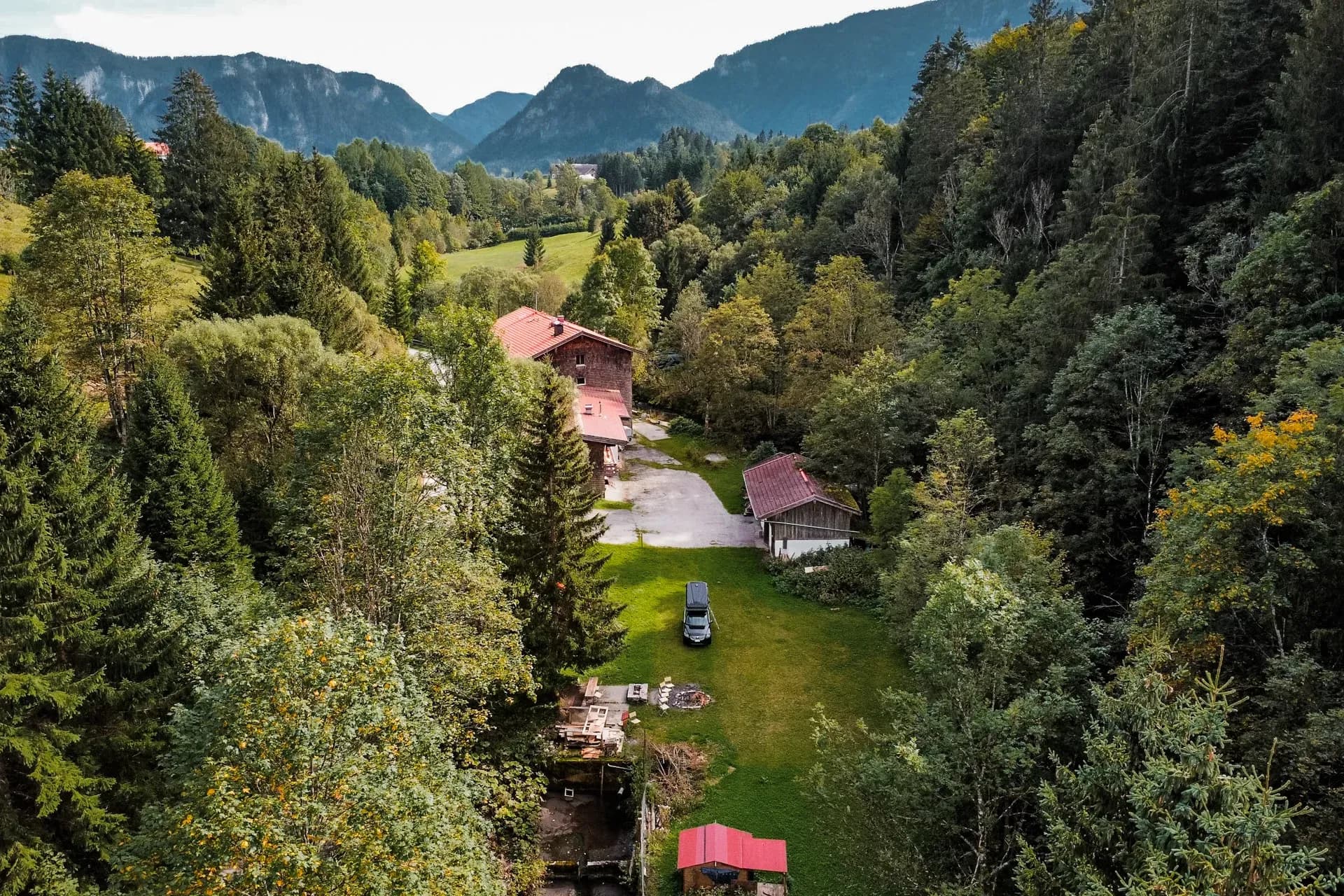
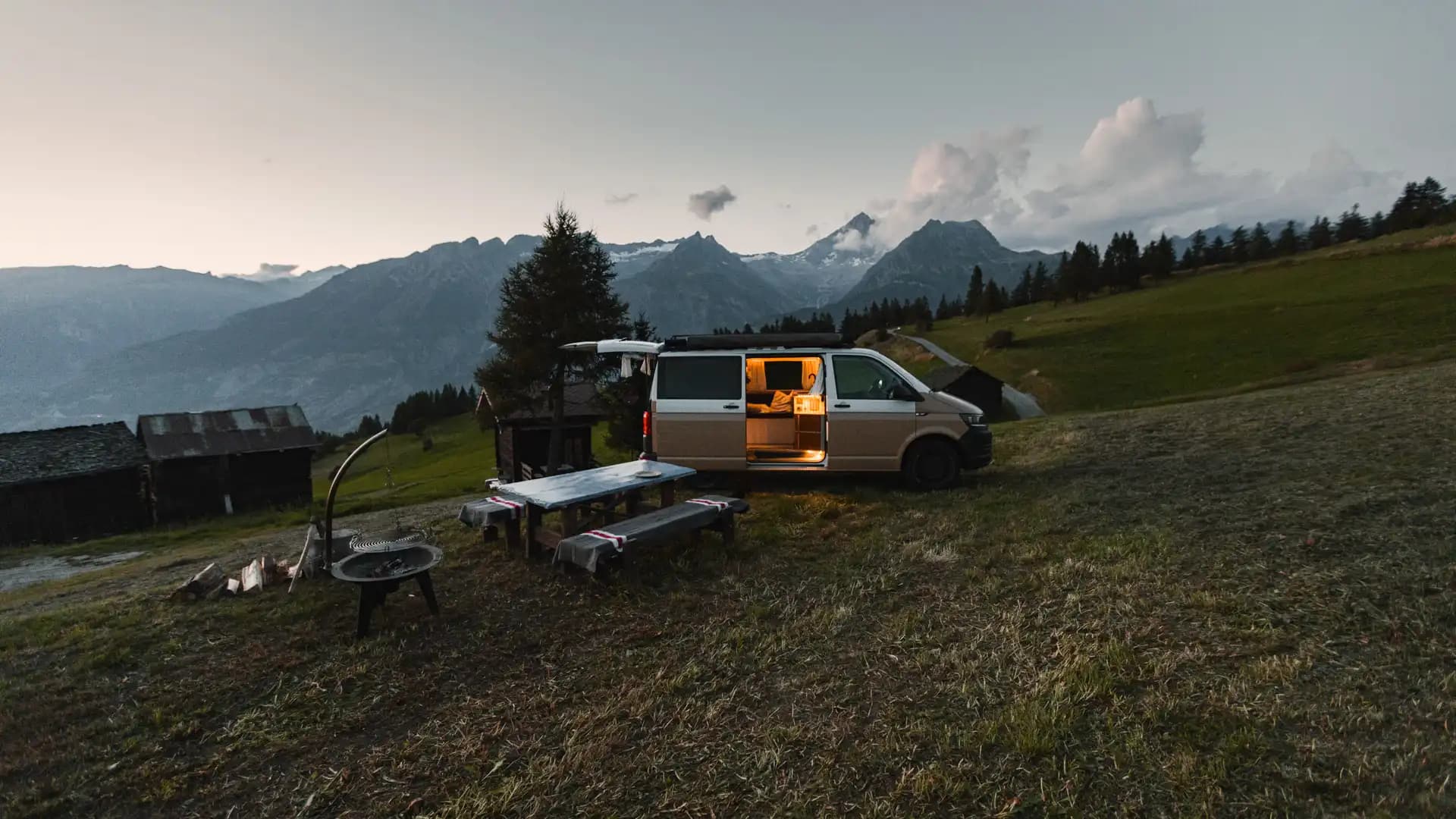
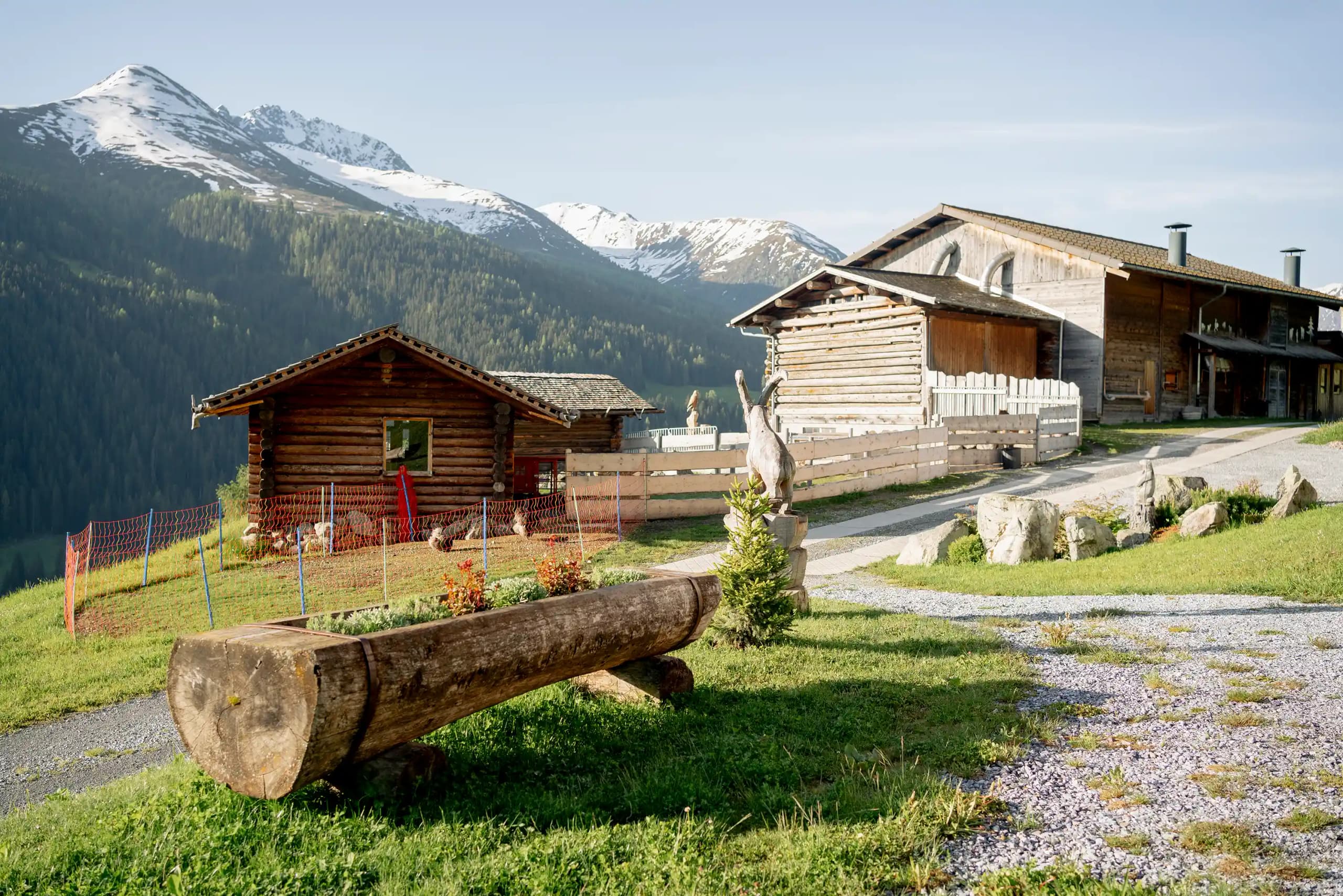
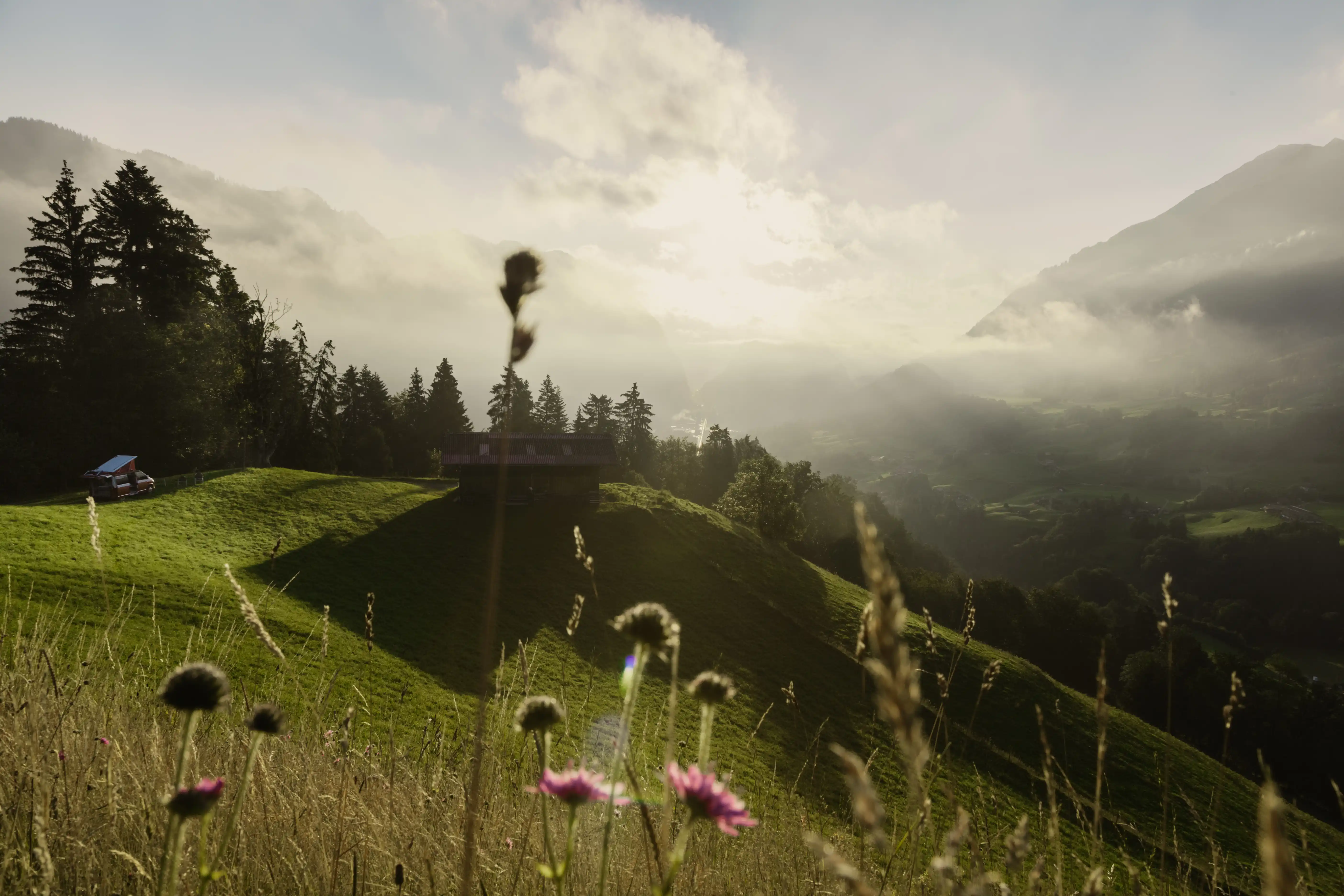
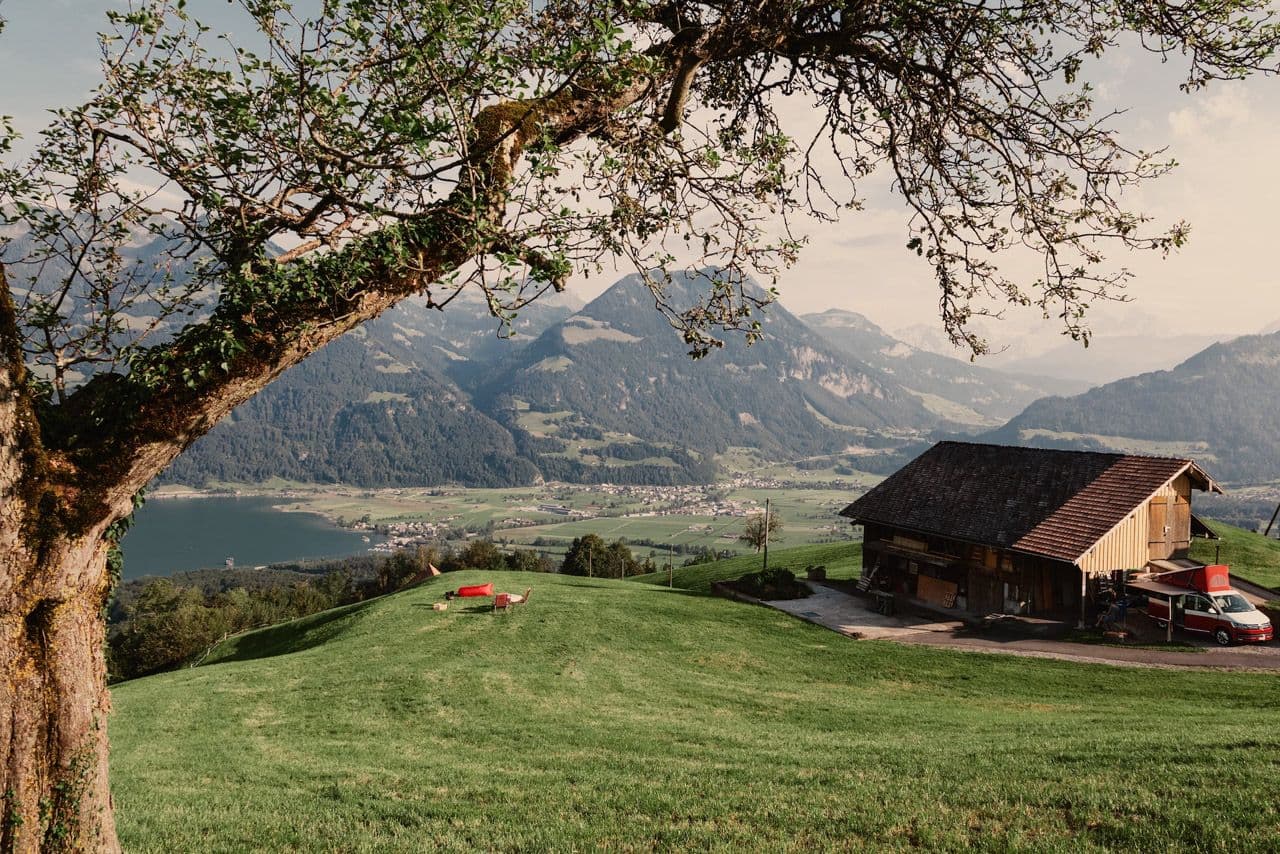
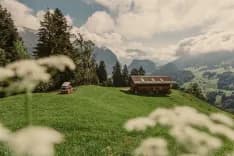
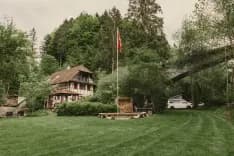
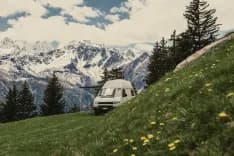
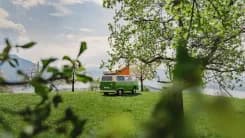
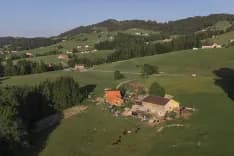
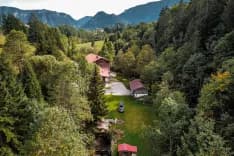
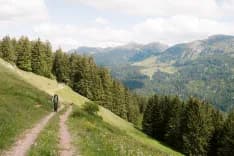
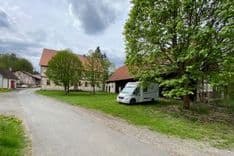
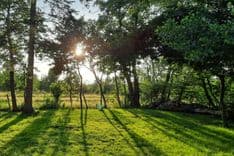
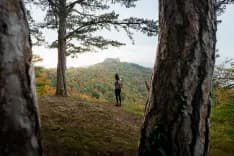
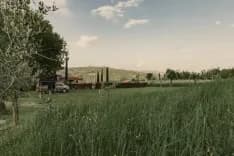
Whether by a lake, in the forest, on a meadow or in the mountains – all of this is legally possible in Germany. On Nomady, you'll find special tent pitches away from large campsites, offered by private hosts.
What exactly is "wild camping"?
Wild camping means:
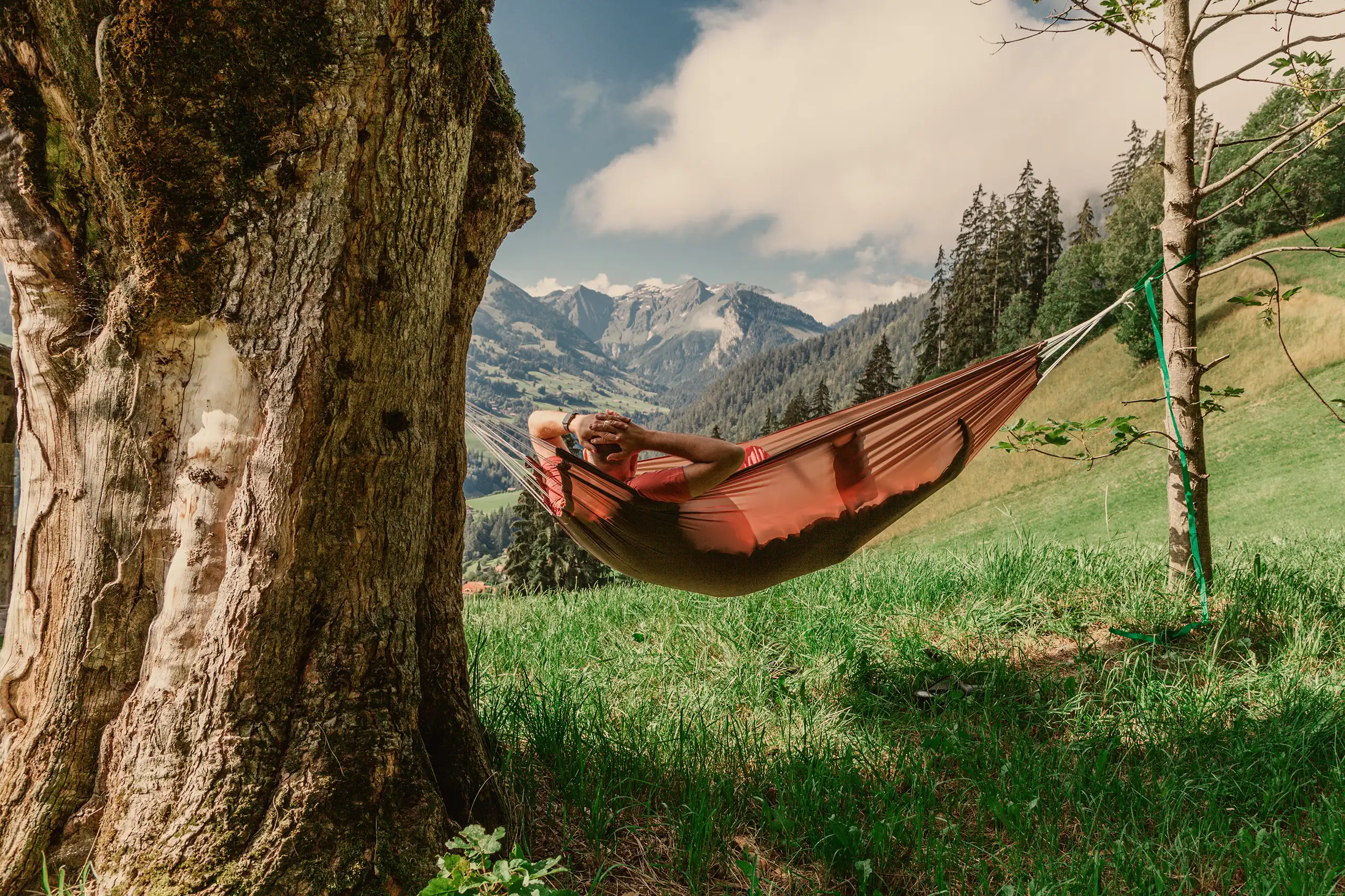
- Spending the night in a tent, hammock or bivouac,
- outside official campsites,
- usually on undesignated land.
Be careful, though: even sleeping under the stars – without a tent – is considered wild camping in some regions. That's why it is essential to know local regulations.
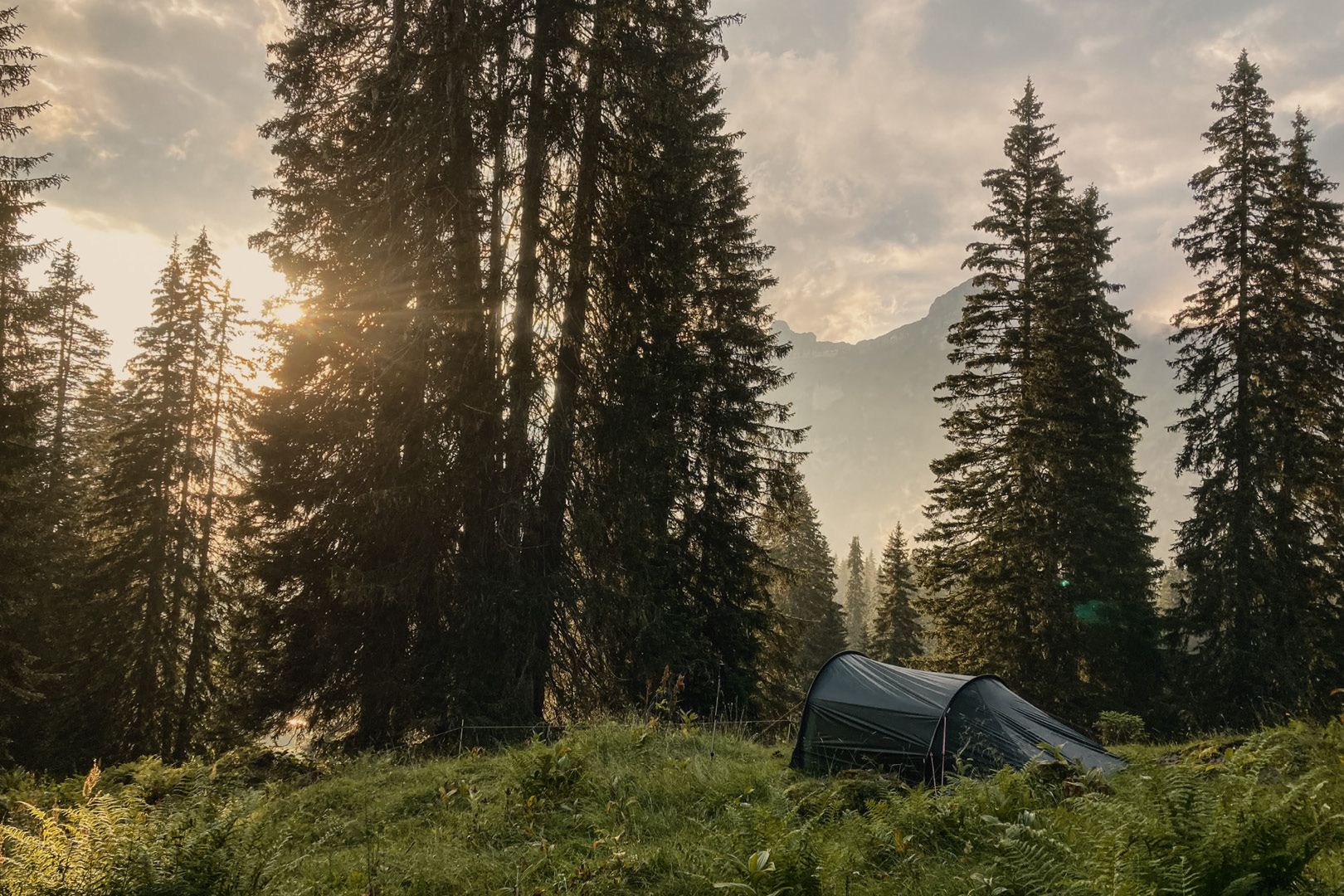
What is a tent pitch?
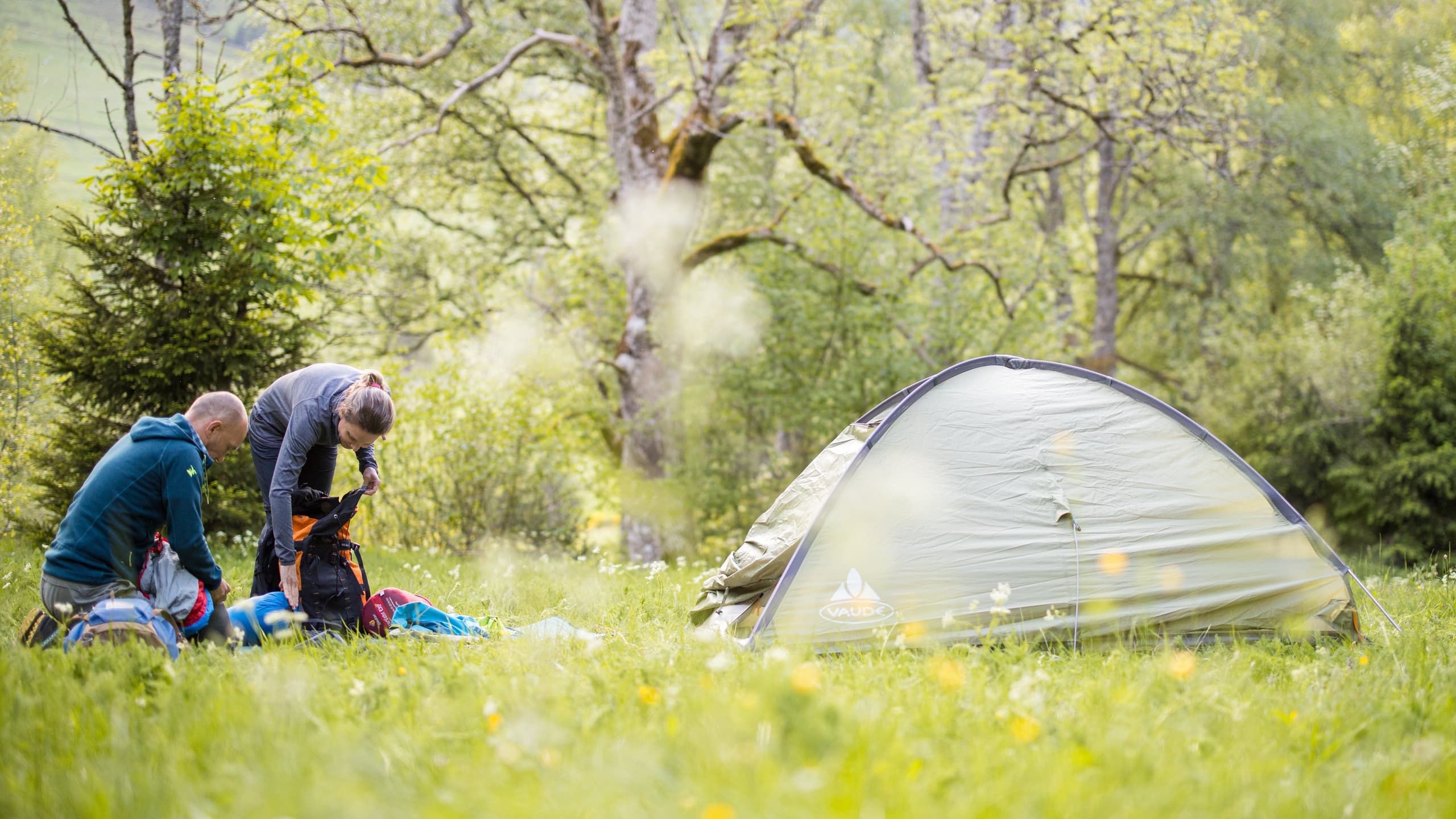
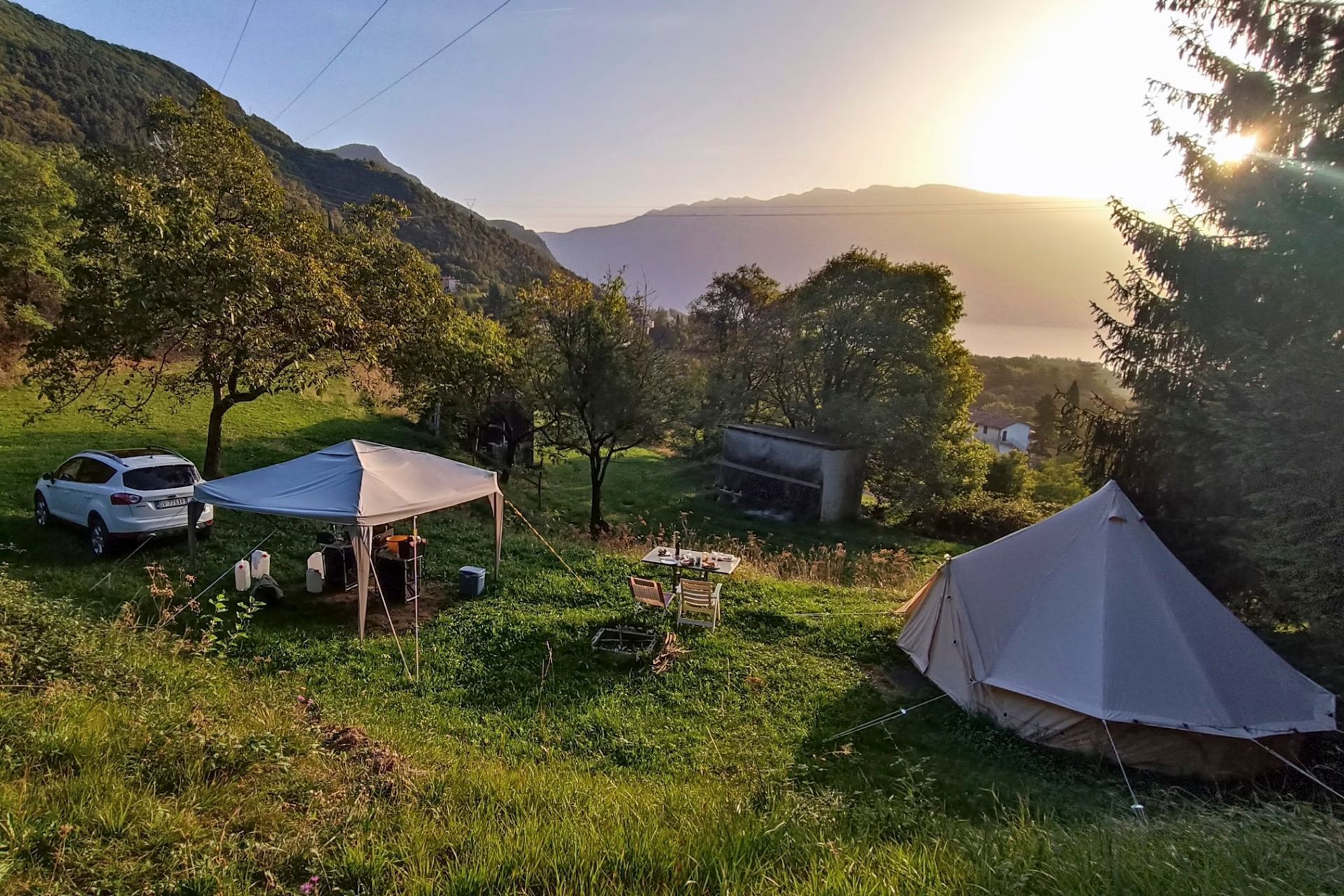
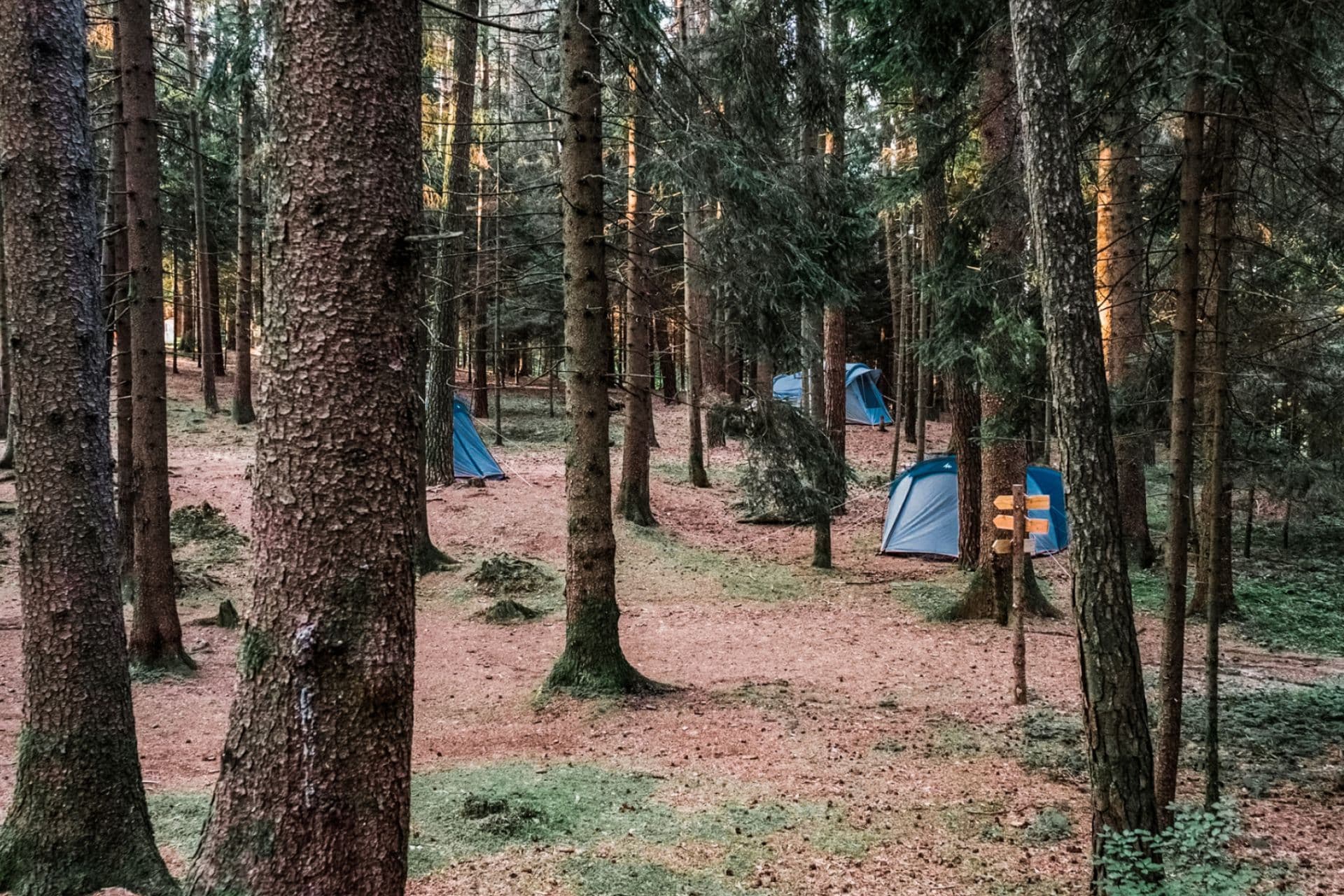
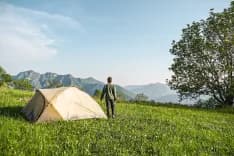
A tent pitch, also known as a camp on Nomady, is a designated spot where you can legally pitch your tent and stay overnight. Unlike wild camping, you have the host's permission and know the rules, prices and facilities in advance.
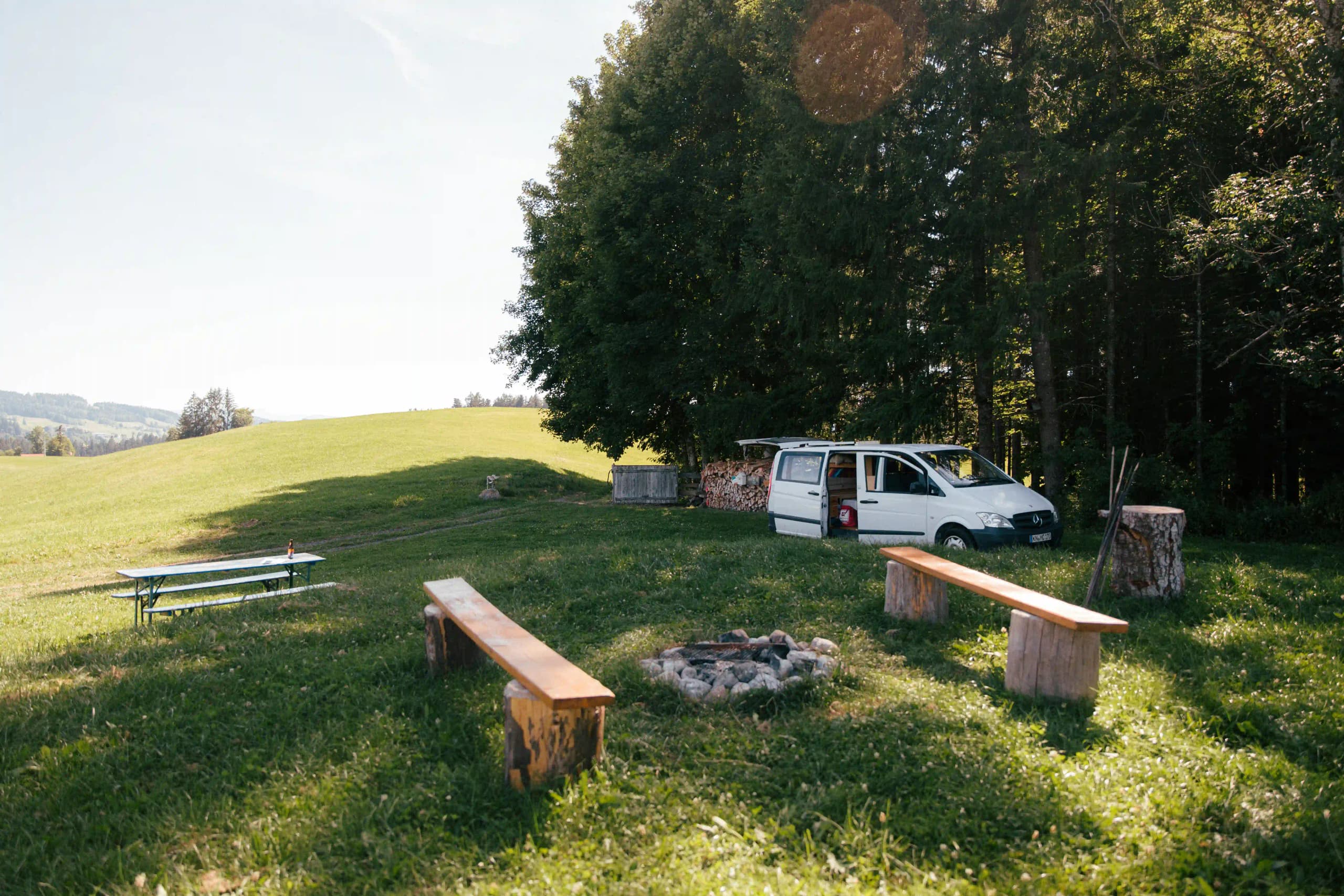
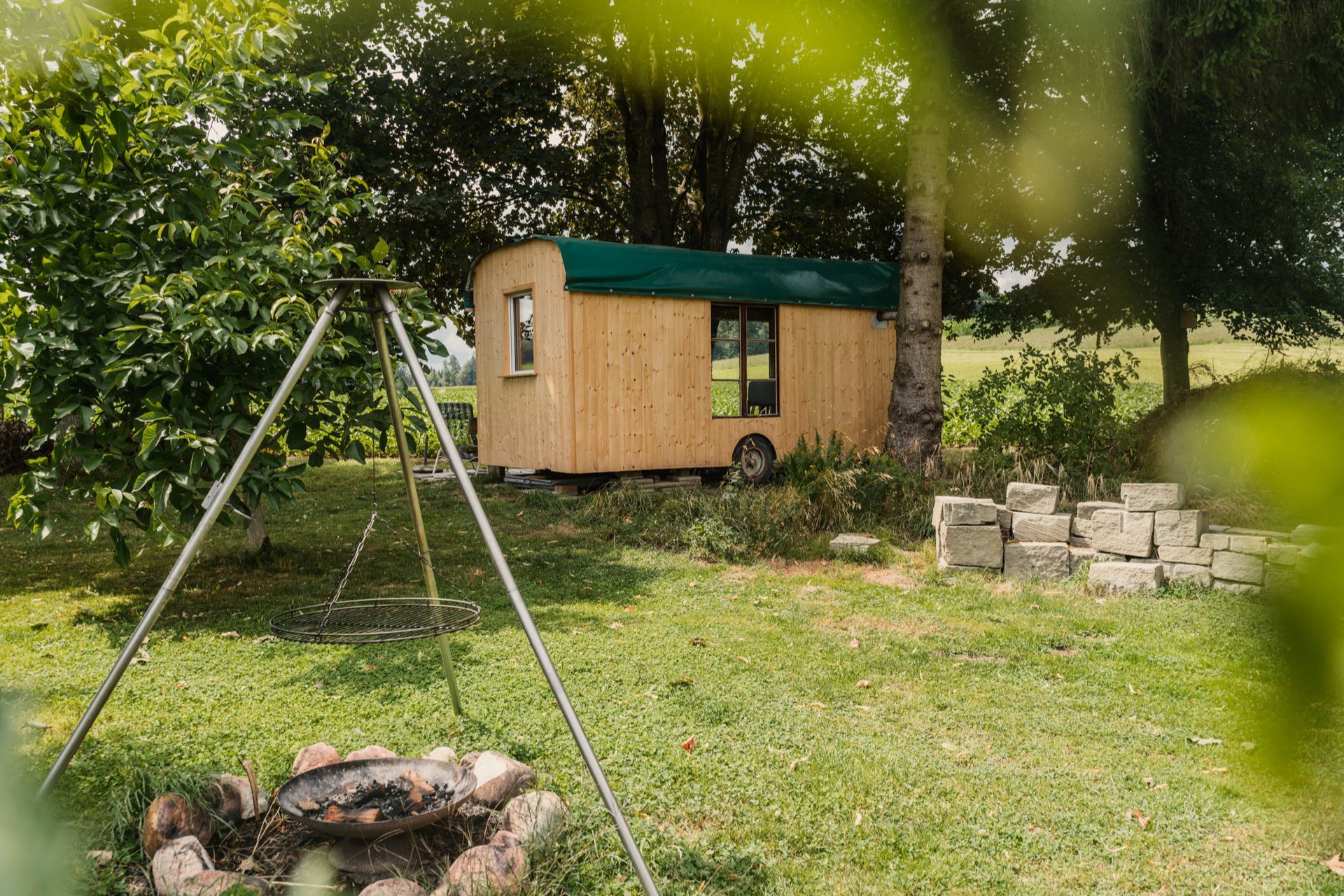
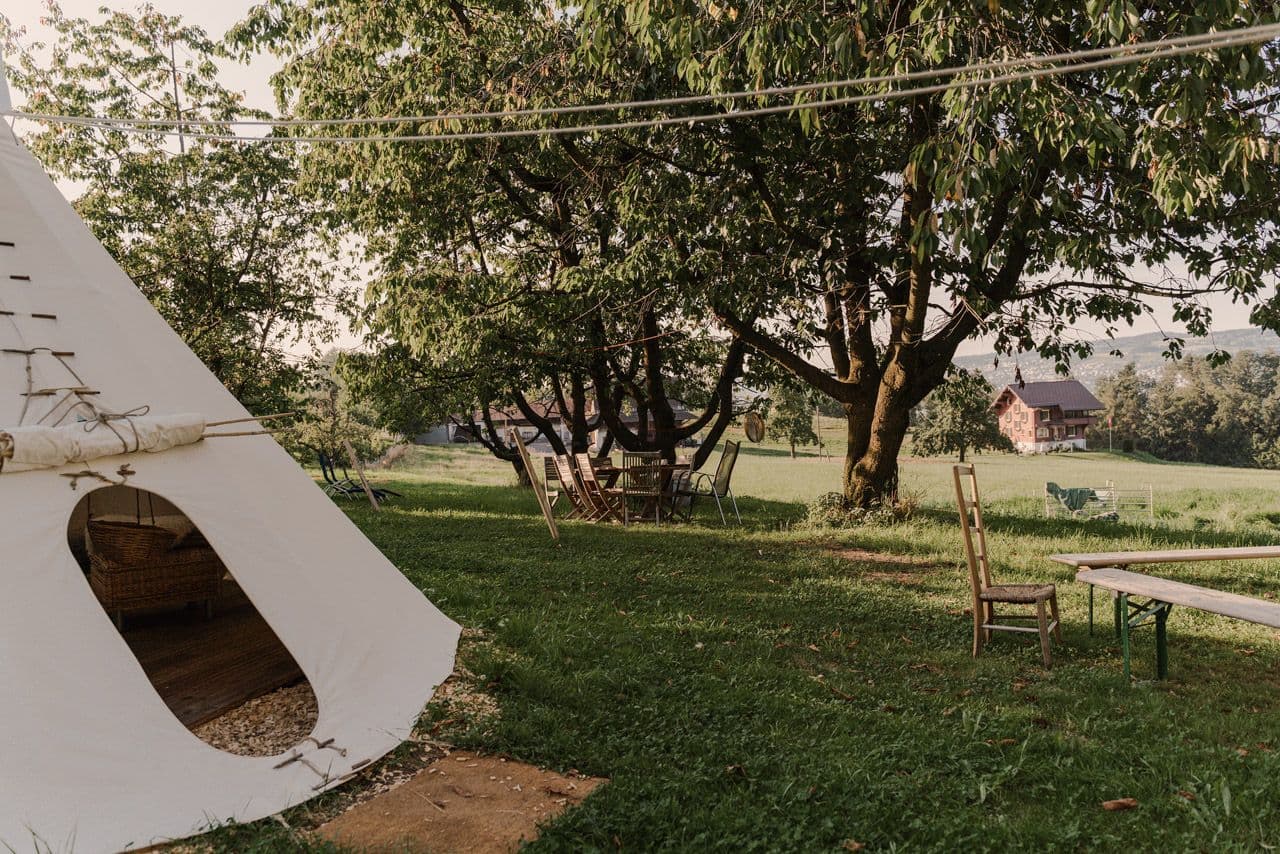
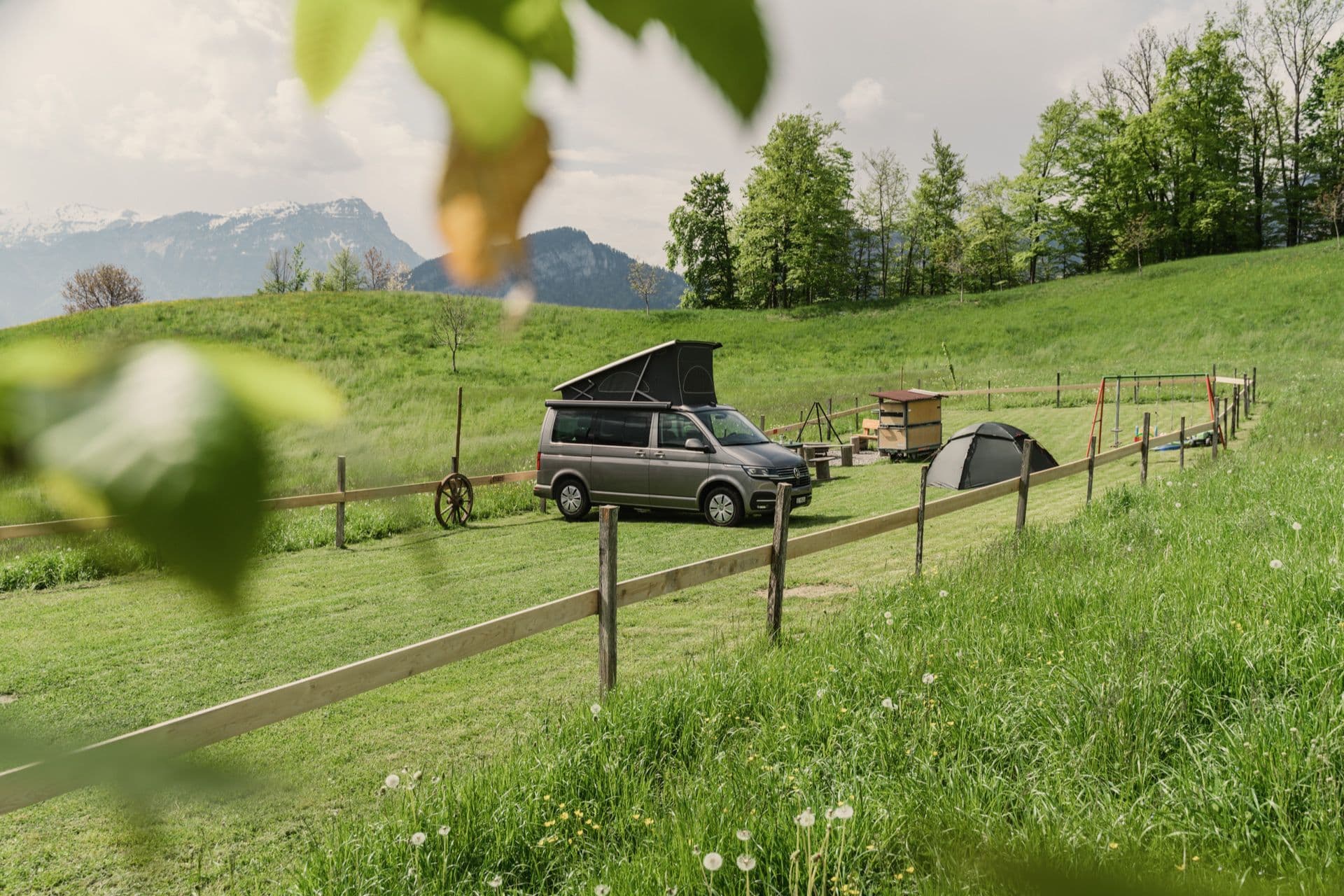
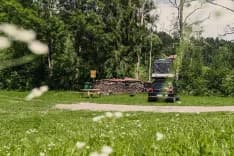
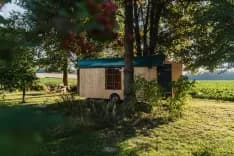
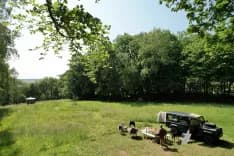
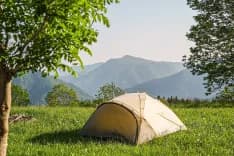
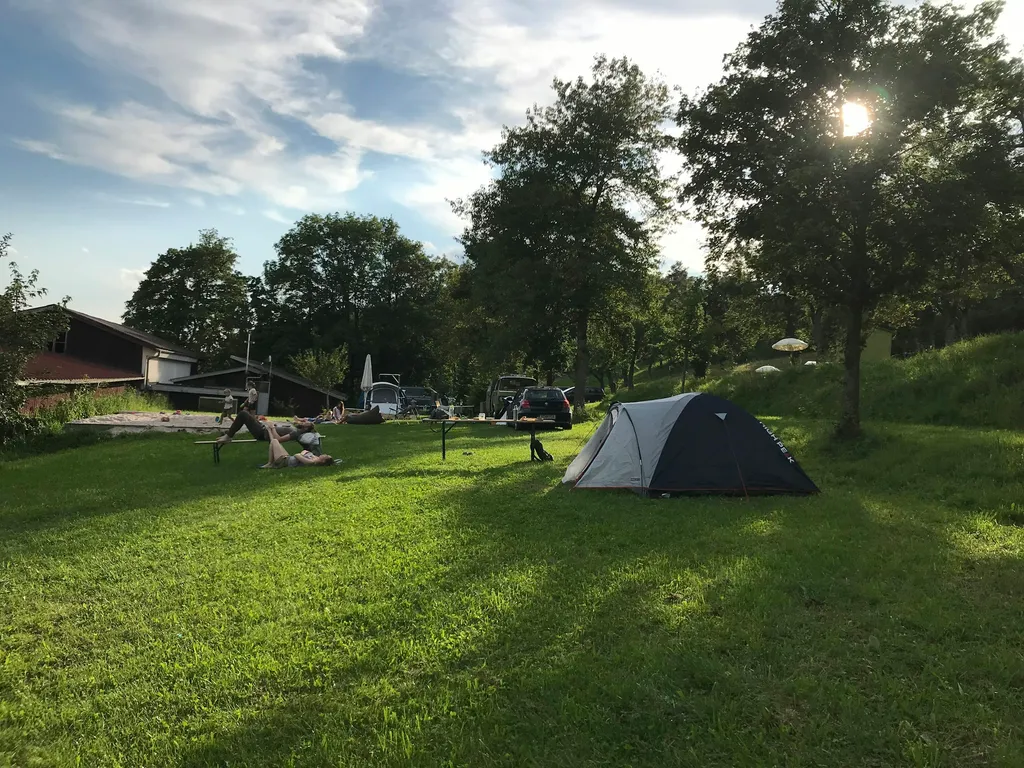
Tent spots can vary greatly: from a simple pitch in a meadow and small eco-campsites to family-friendly camps with sanitary facilities, swimming spots or a playground. The key benefit: you can sleep outdoors and immerse yourself in nature without legal uncertainty or the hassle of finding a spot.
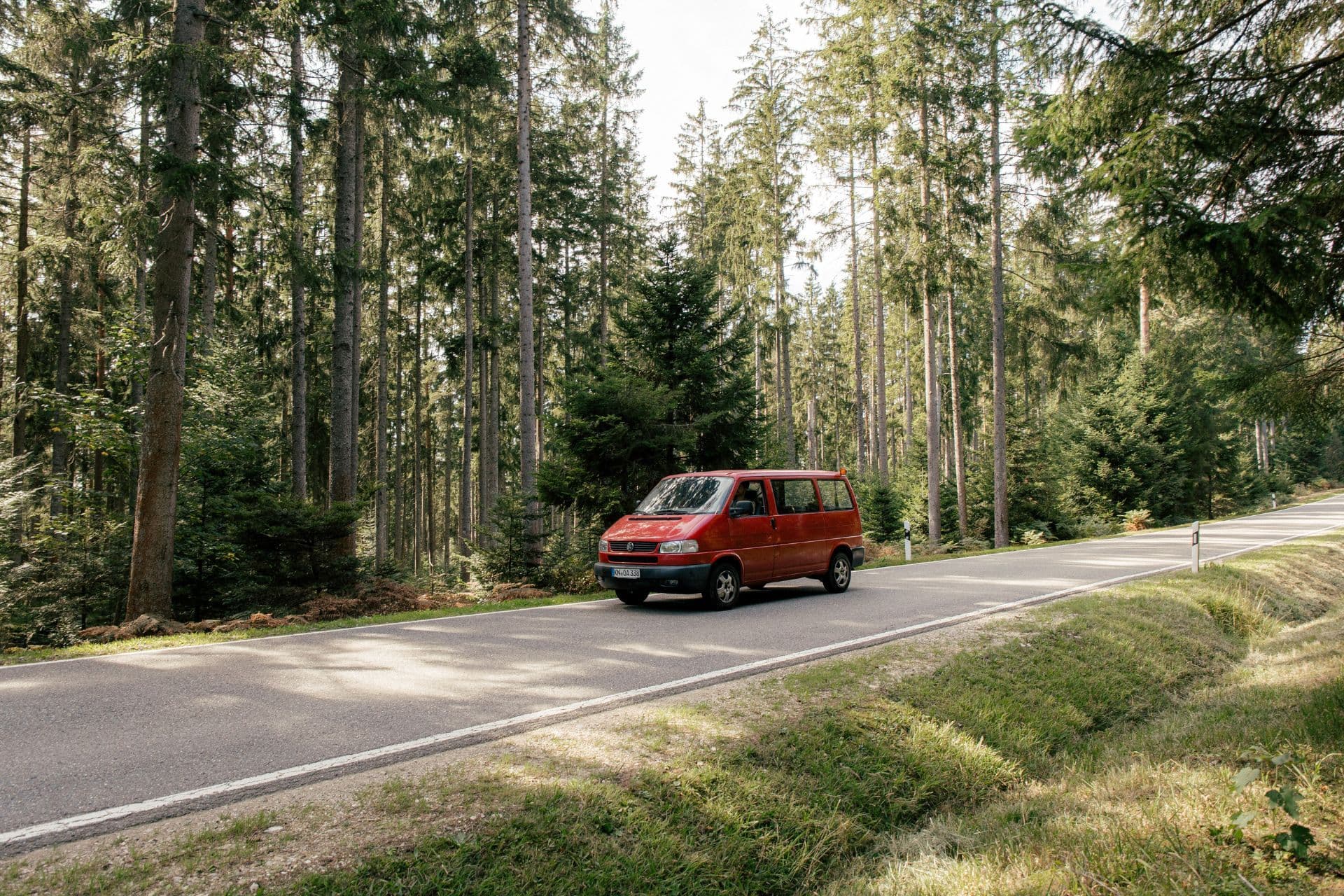
Overview of Federal State Regulations
Wild camping is strictly prohibited here, and bivouacking is usually not tolerated either. Protected areas carry high fines.
→ Alternative: One Night Camps (official spots in the Black Forest)
Very strict rules. Wild camping and bivouacking are mostly prohibited, especially in the Alps and forests.
→ Alternative: Trekking sites in the Franconian Forest (legal and close to nature)
Sleeping in the forest is prohibited by law. Bivouacking is sometimes tolerated, but not recommended without asking first.
→ Tip: Use private land with host permission
Camping in the wild is not permitted. There are no official trekking sites – but plenty of private natural spaces.
Tip: Camping in Hesse surrounded by nature with private Nomady hosts
Very restrictive. Pitching a tent and bivouacking outside official campsites is strictly prohibited.
→ Alternative: Eco-campsites near the Baltic Sea & Lake District
Wild camping is not permitted here either. Bivouacking may be tolerated in very remote areas – with the utmost consideration.
→ Use official spots in the Lüneburg Heath or Harz region
Wild camping is not permitted, especially in forests and recreational areas.
→ Alternative: Eifel trekking sites (advance booking required)
One of the most camping-friendly federal states: → Trekking camps in the Palatinate Forest offer official, legal wild camping spots right in the heart of nature.
Tip: Camping in Rhineland-Palatinate surrounded by nature with private Nomady hosts
Strict nature reserve regulations. Wild camping is strictly prohibited, and there are no official trekking sites.
→ Better: Private land with host permission
Relatively open. In some areas, spending the night on private land is tolerated or legally possible with consent.
→ Ideal for micro-adventures between the coast and the forest.
Wild camping is not permitted. For hikers, bivouacking may be tolerated in exceptional cases – but make sure to check beforehand.
→ Tip: Dübener Heide trekking route for legal overnight stays
Regulations are similar to Saxony: wild camping is prohibited, bivouacking is sometimes possible but not guaranteed.
→ As an alternative, private spots in the green: Nomady Camping in Saxony-Anhalt
Wild camping is not permitted by law, primarily in forests and protected areas.
→ A few dedicated nature spots exist, often in the Thuringian Forest
In city states, wild camping is practically impossible – densely populated with hardly any open spaces.
→ Head to rural areas in the surrounding countryside.
What types of tent campsites are there in Germany?
Not all campsites are created equal. In Germany, you will find a wide variety of ways to camp in a tent – from simple natural tent sites on a meadow and small private camps to family-friendly spots with sanitary facilities, electricity, and swimming areas. Which type of tent pitch suits you best depends on how much comfort you need, whether you are travelling with children or a dog, and whether you prefer camping by a lake, in the forest, on a farm, or in the peaceful quiet of nature.
Nature Tent Pitches
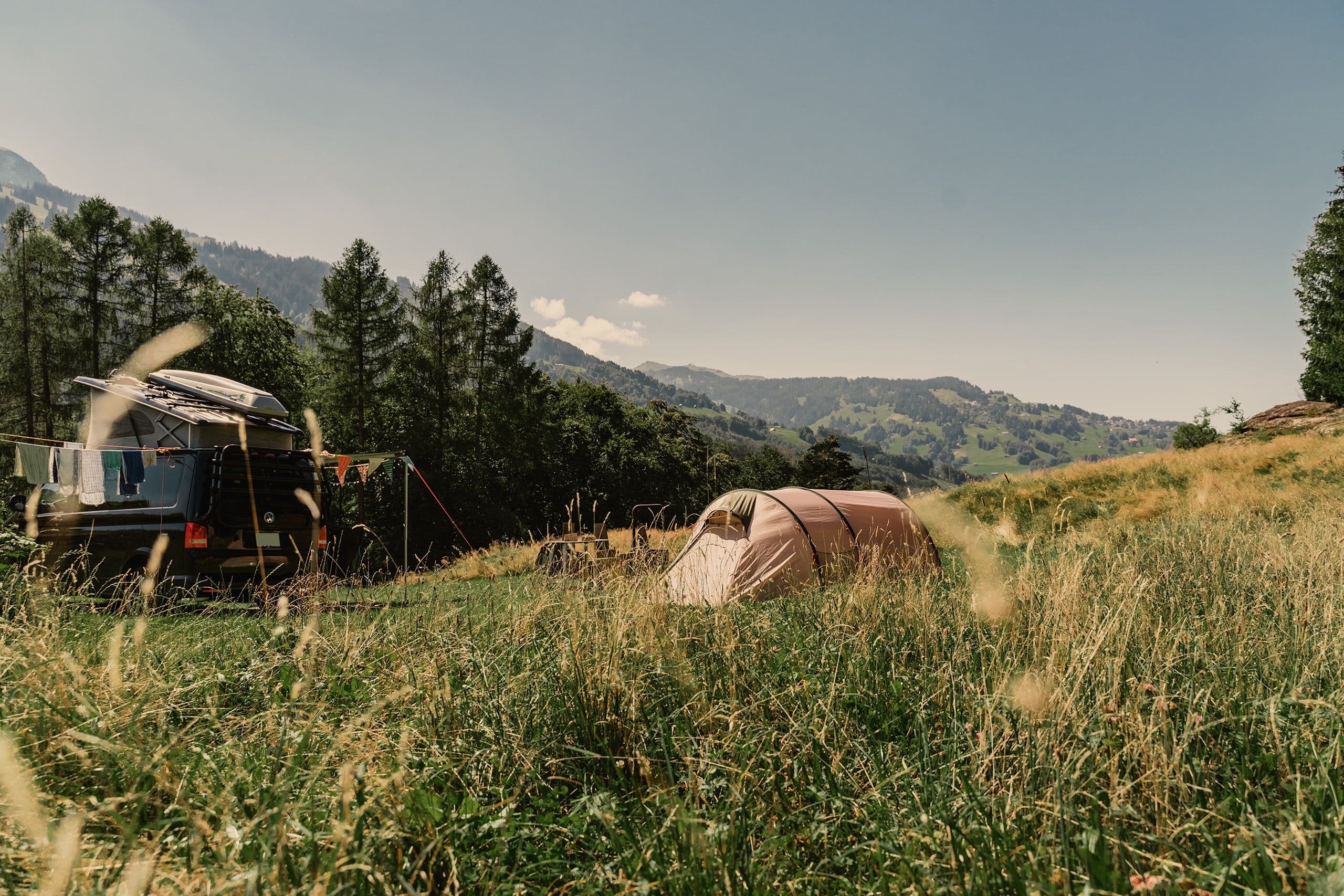
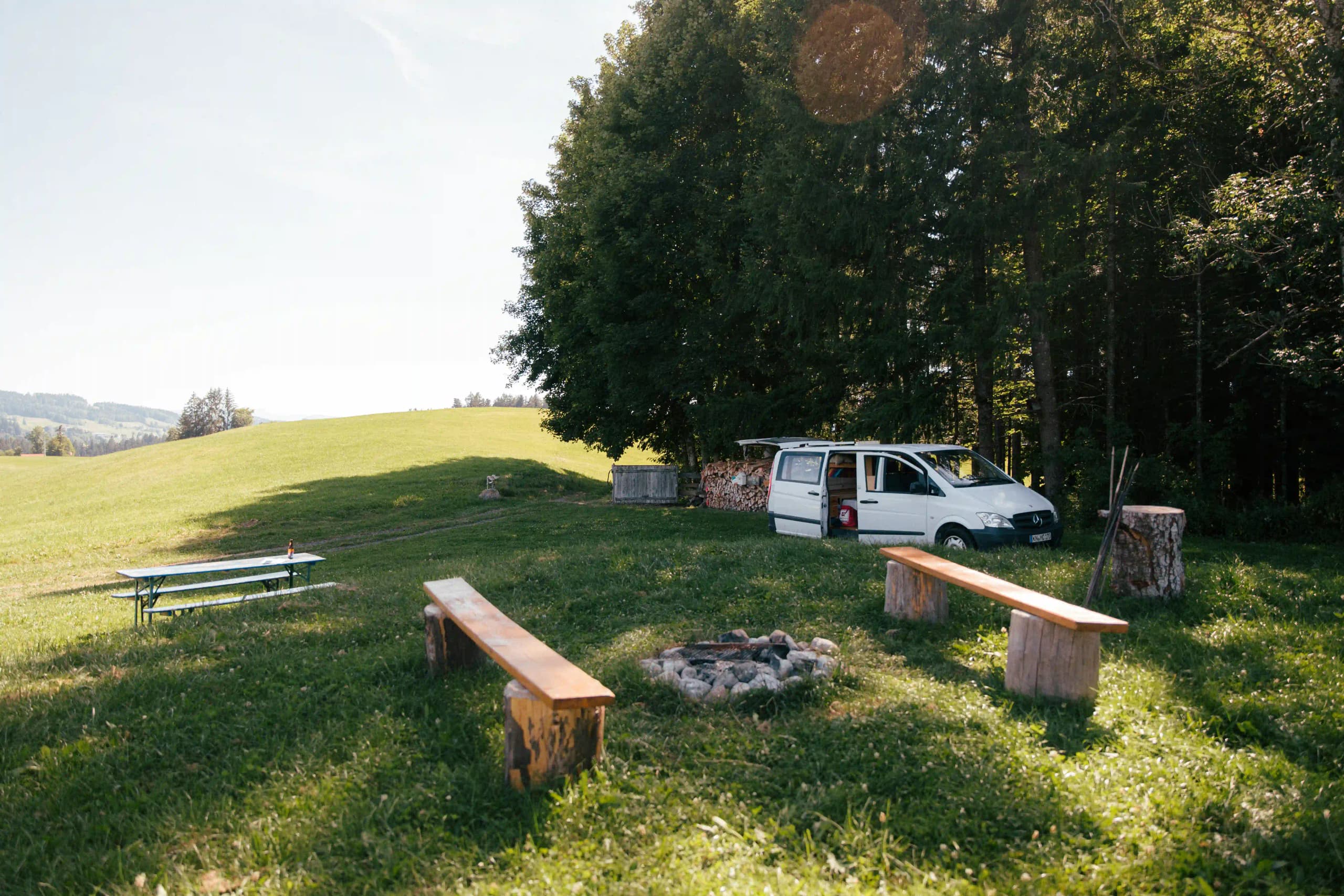
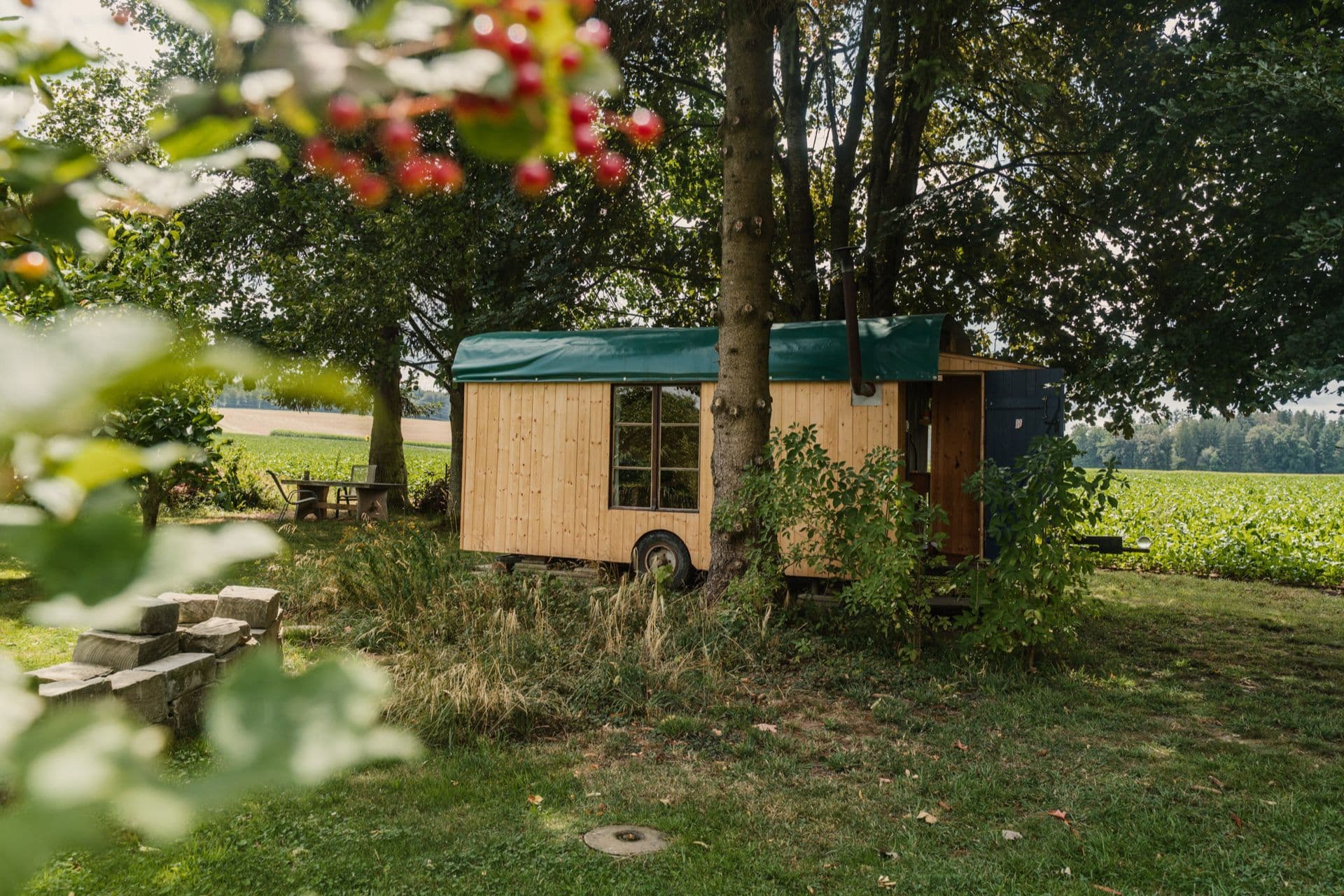
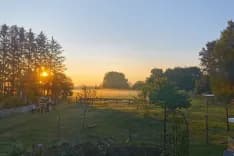
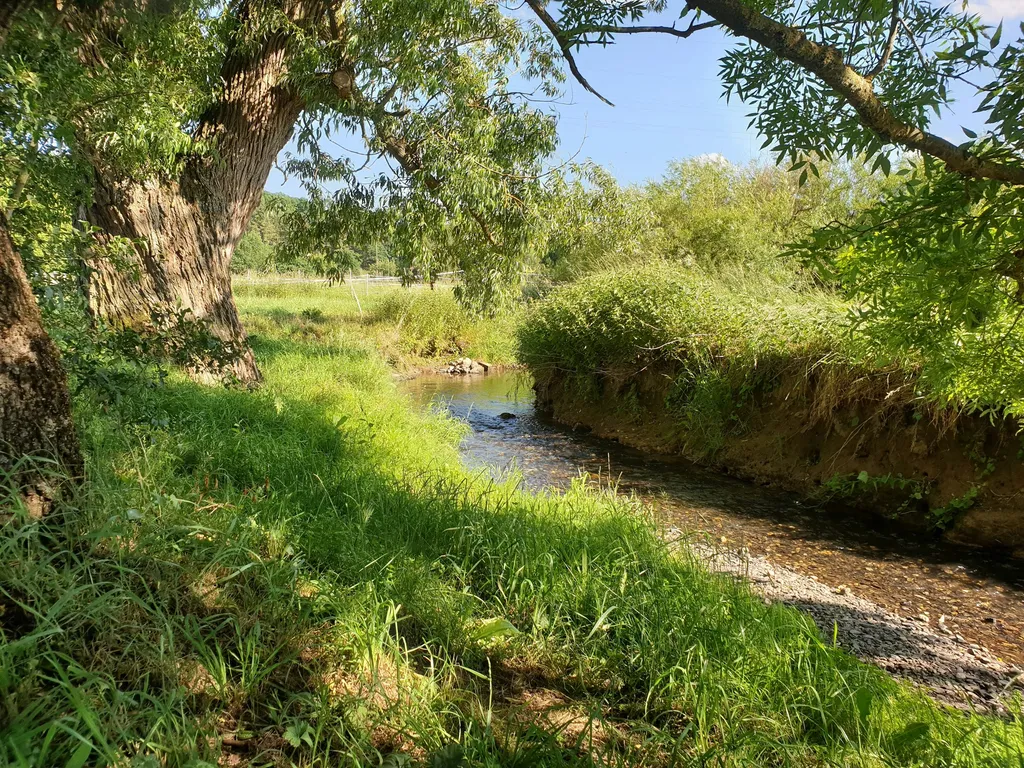
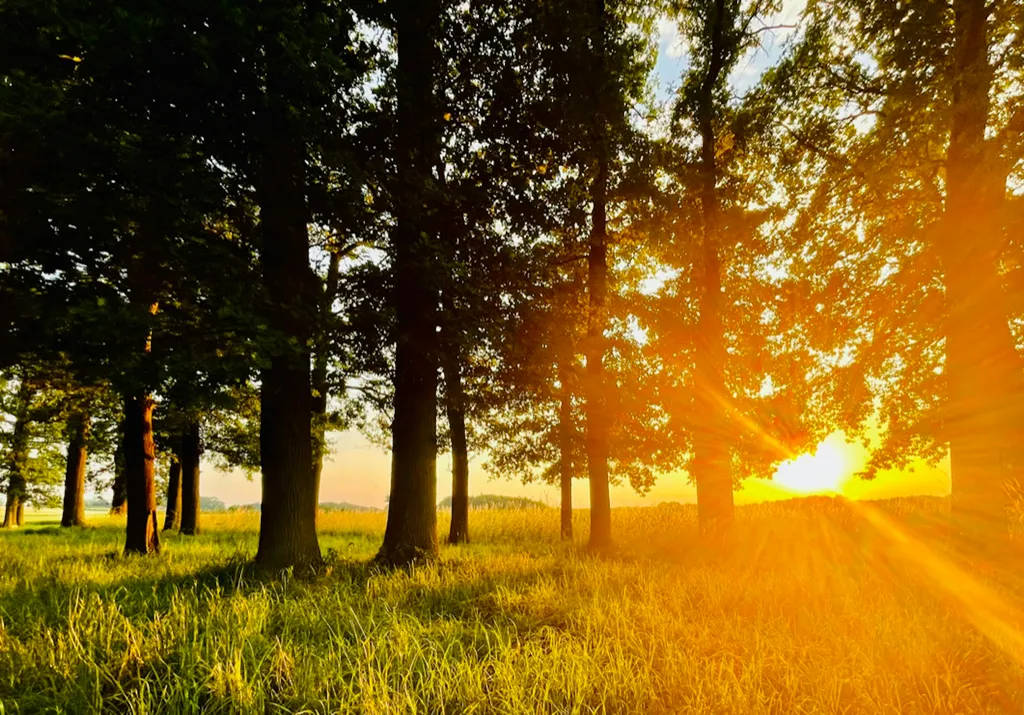
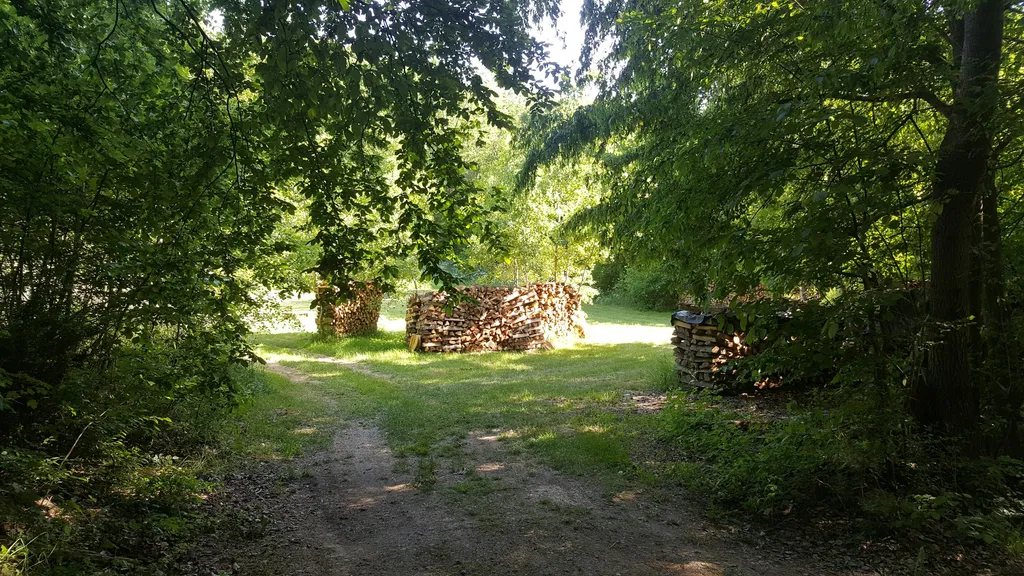
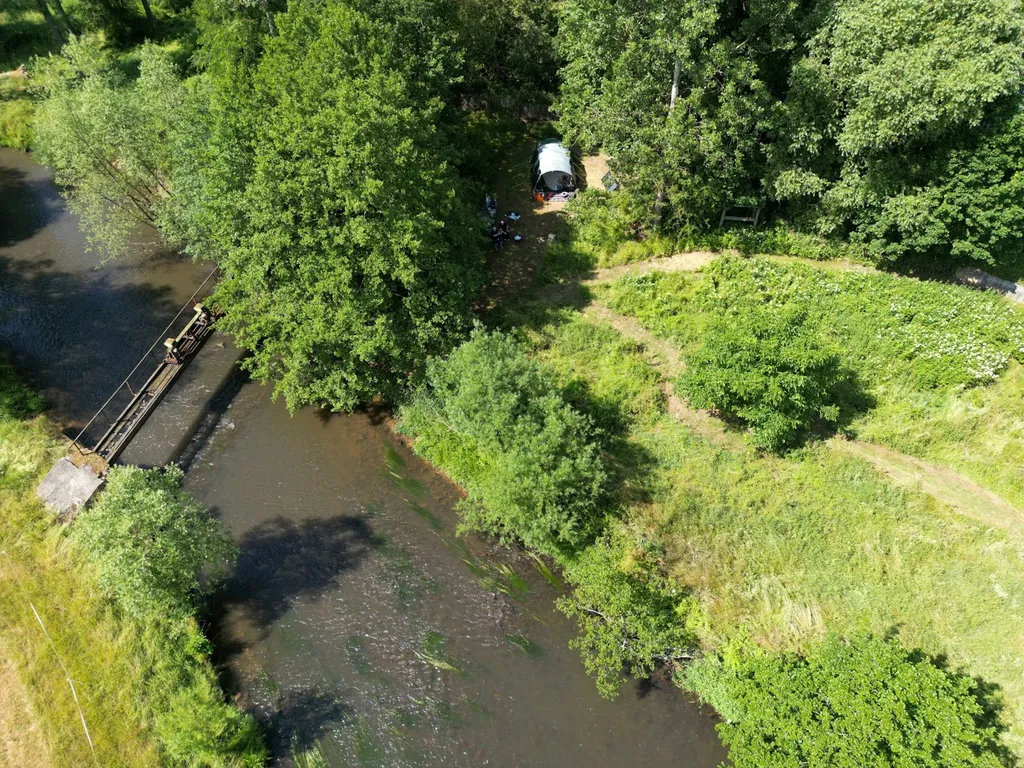
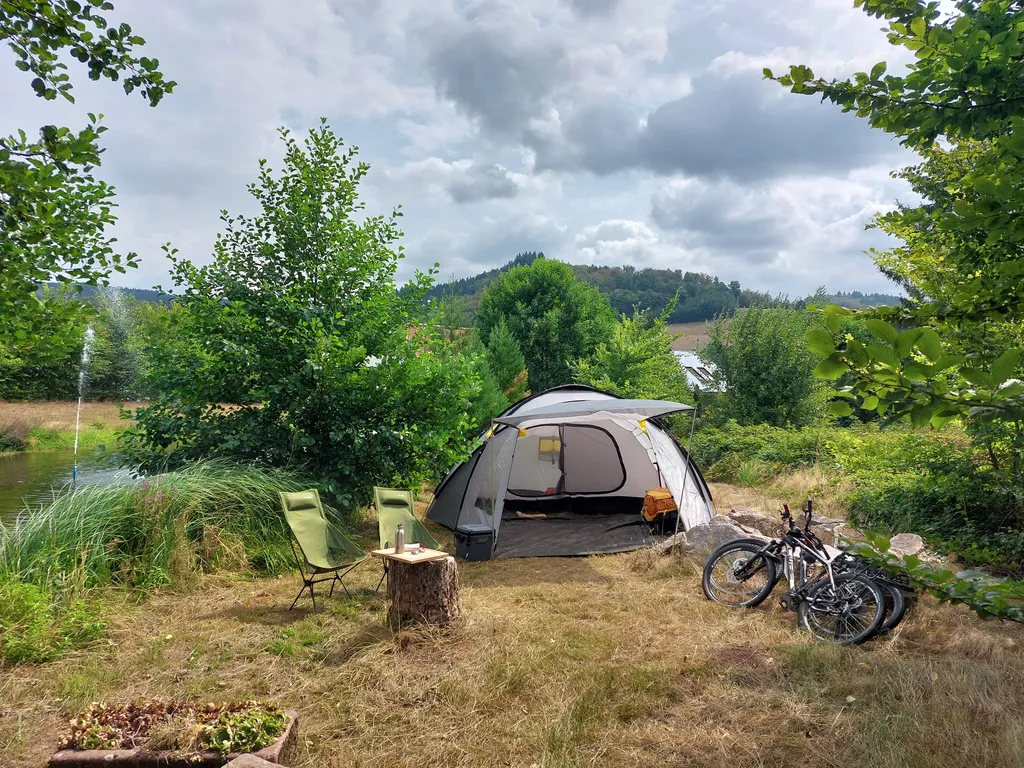
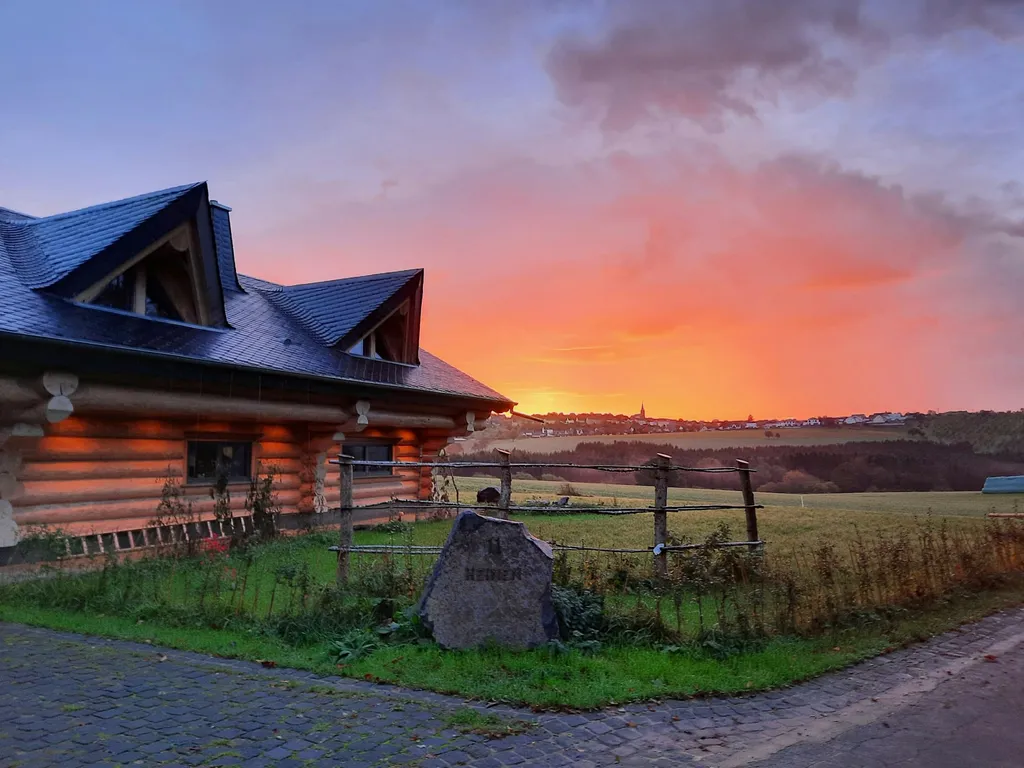
Nature tent pitches are ideal for anyone looking for a simple overnight stay close to nature. They are often located on meadows, at the edge of the woods or near lakes. Facilities are usually minimalist, but in return you'll enjoy an unforgettable nature experience.

Tent Pitches by the Water
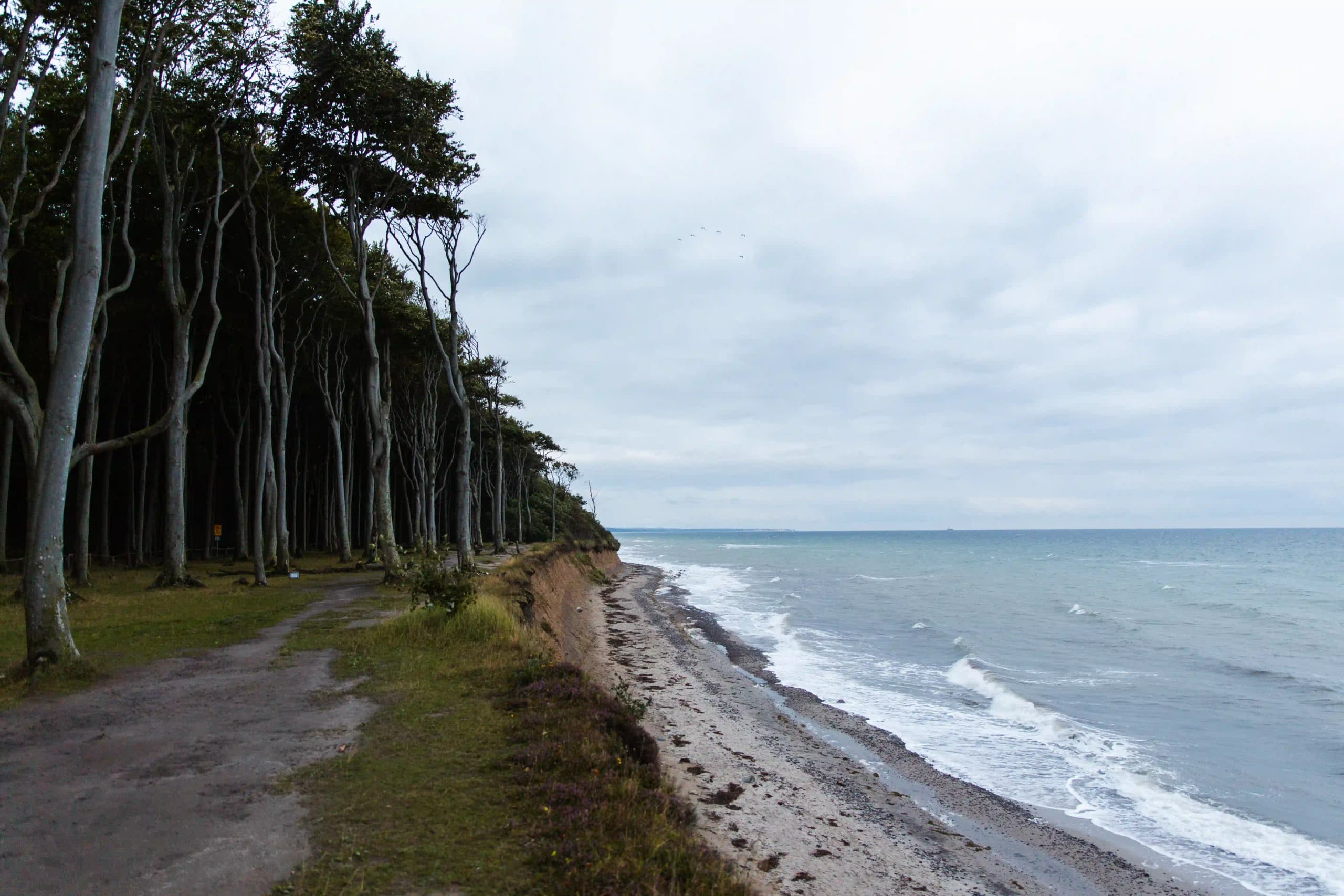
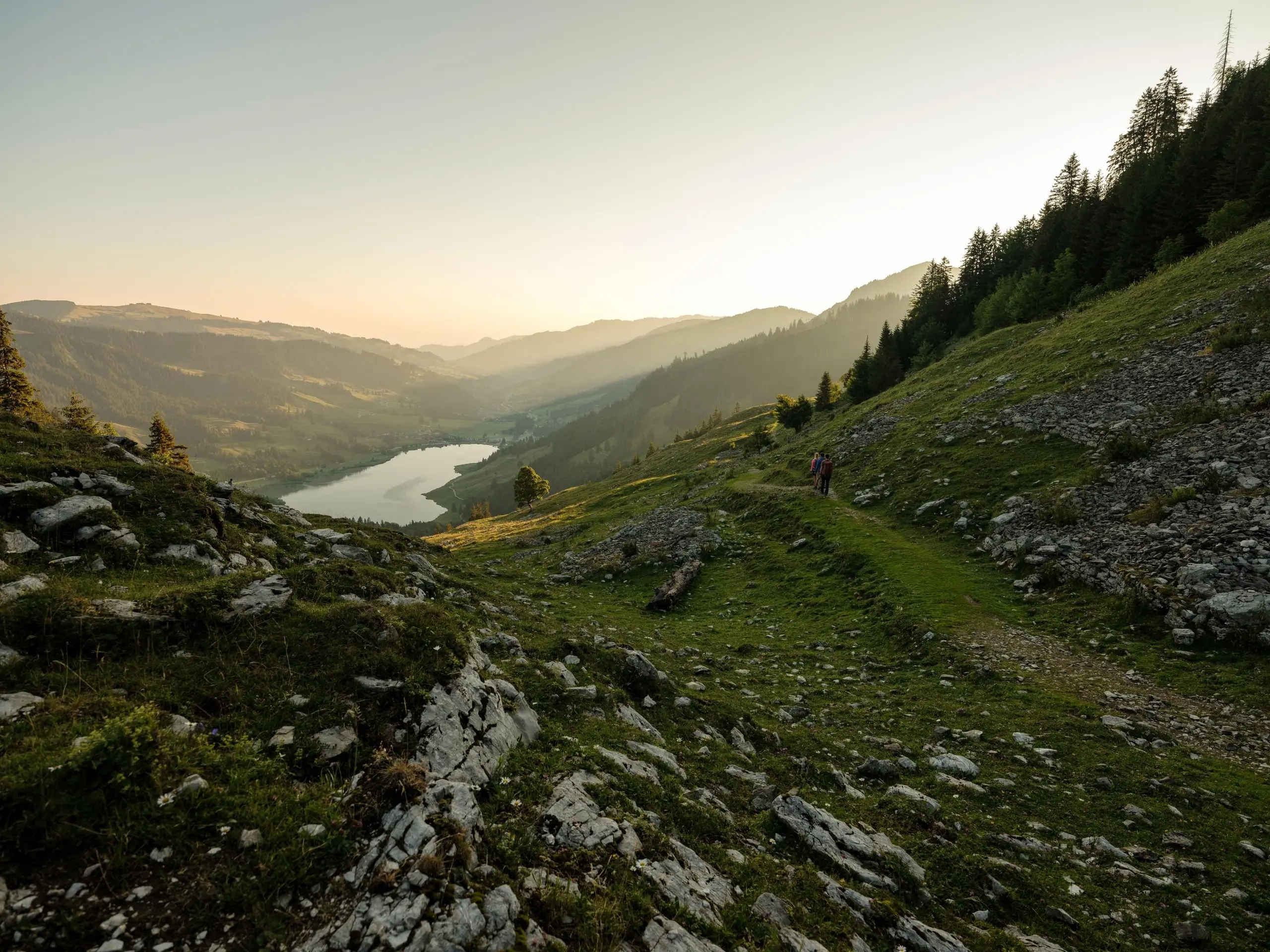
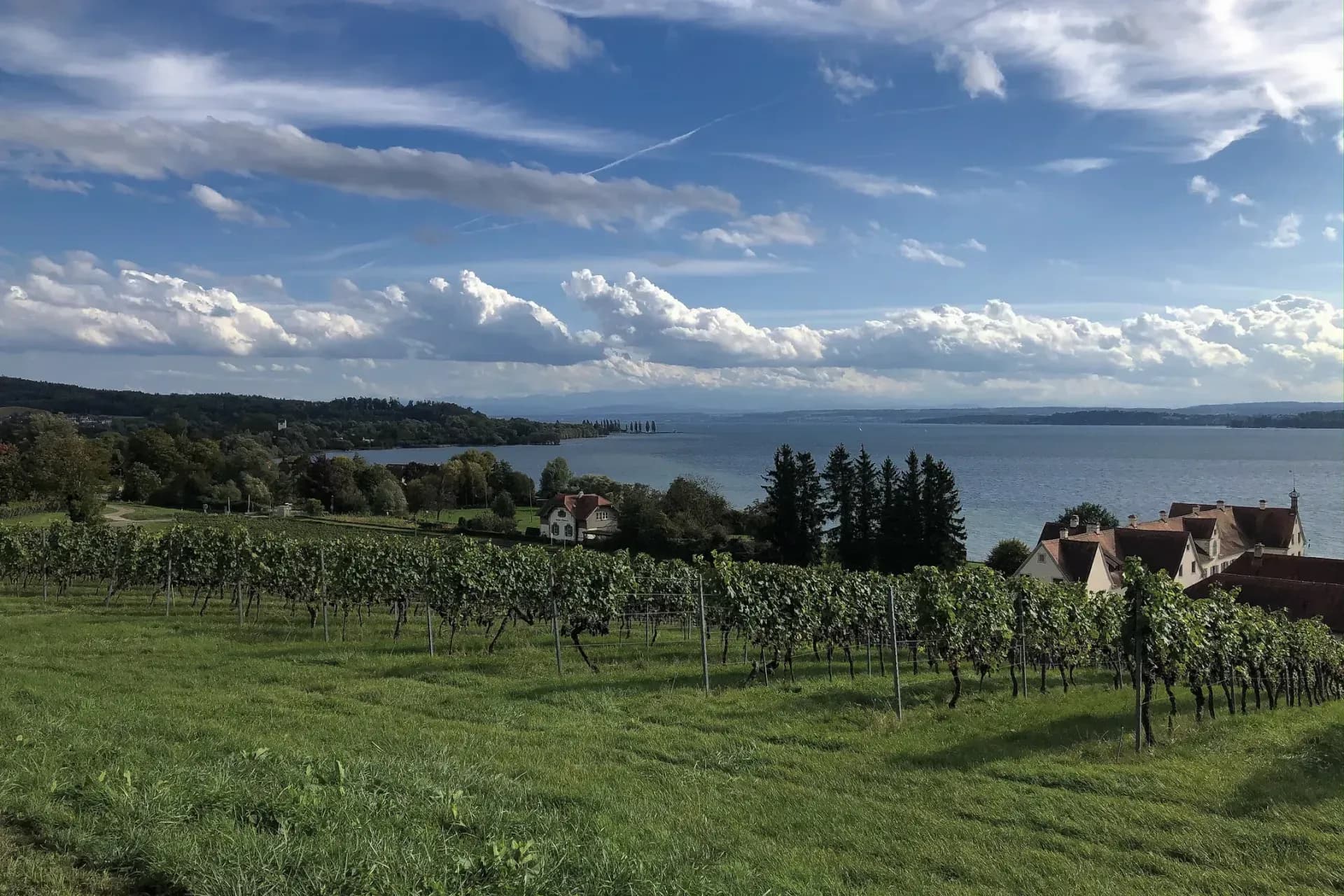
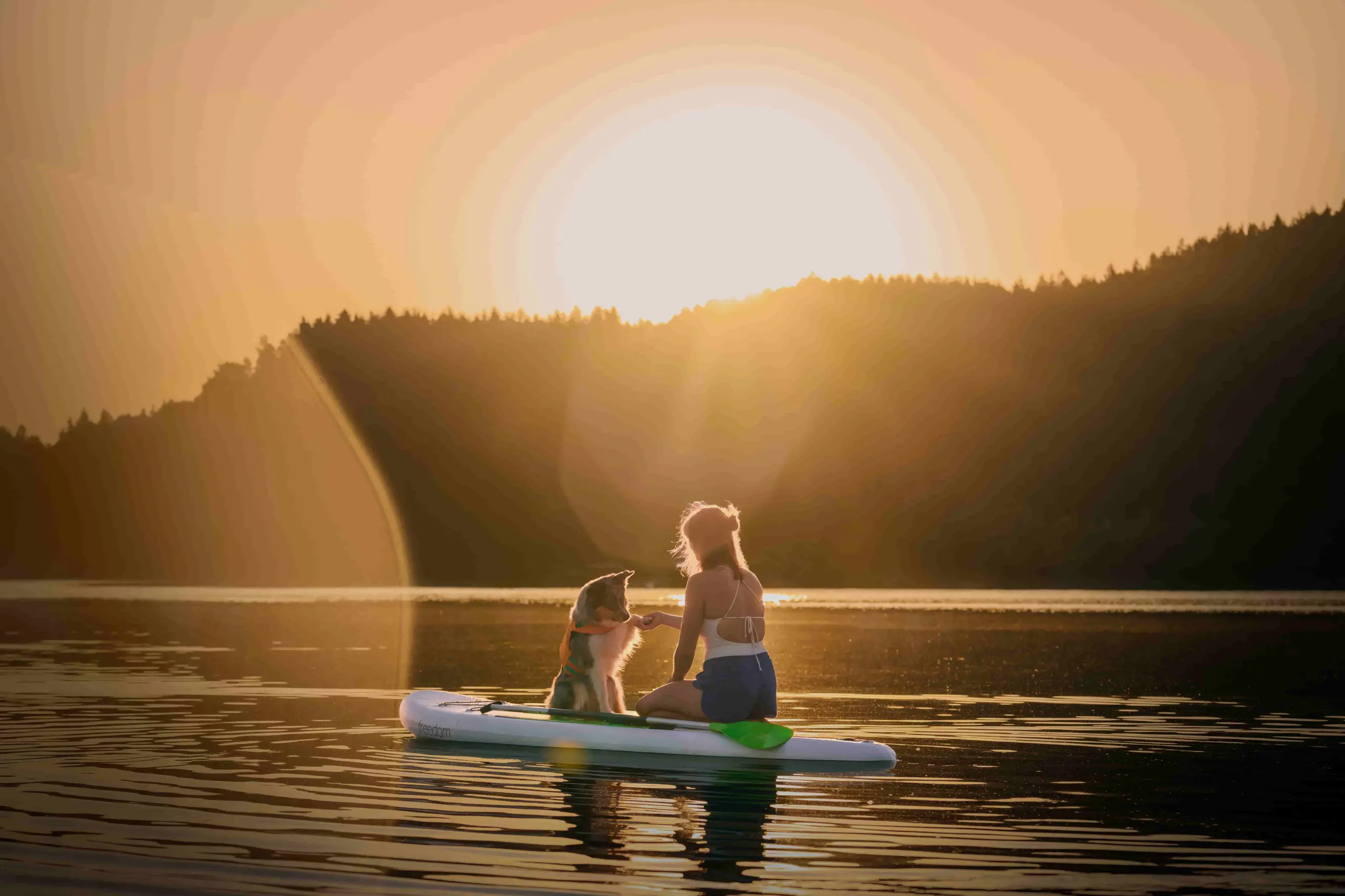
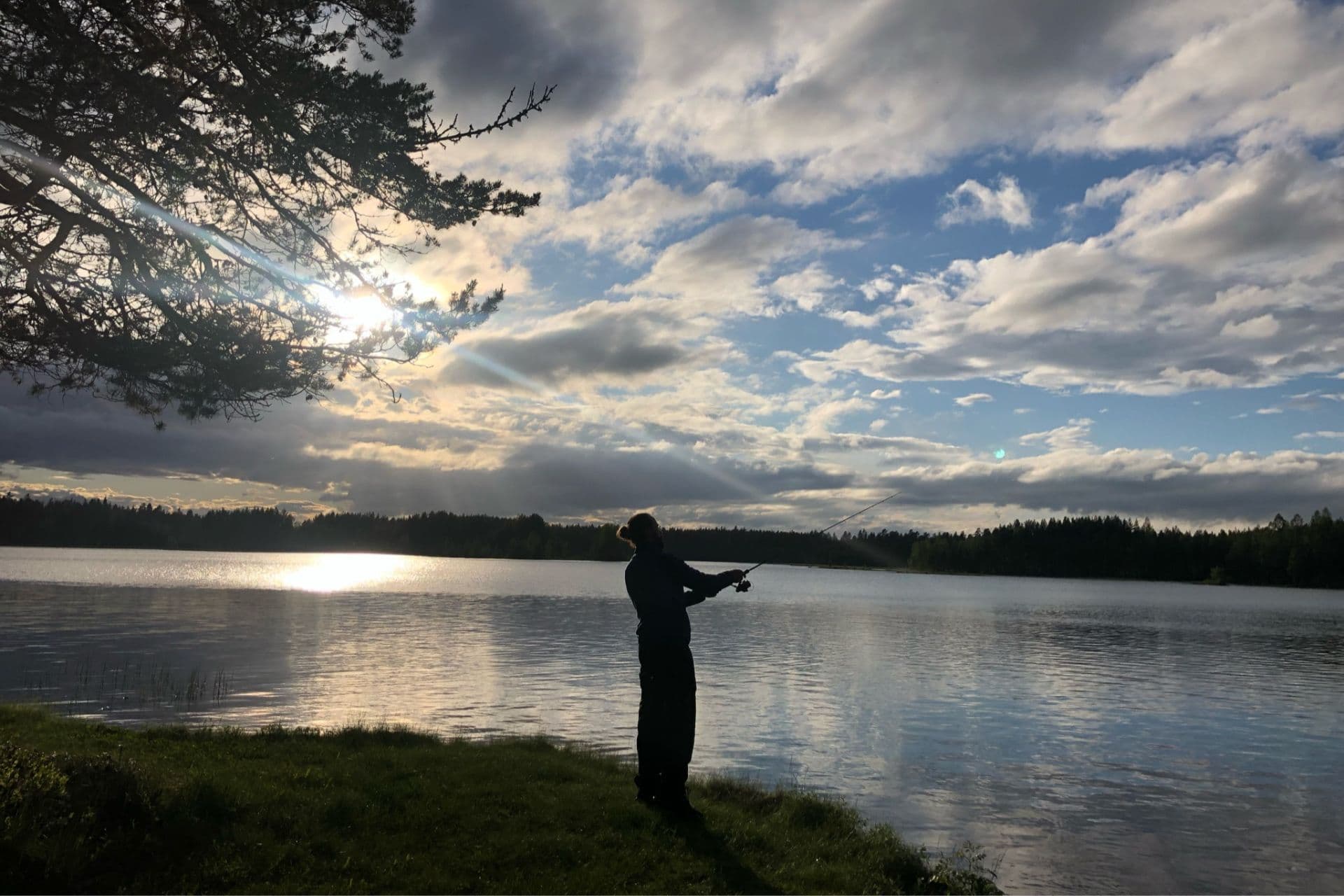
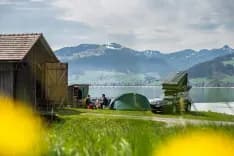
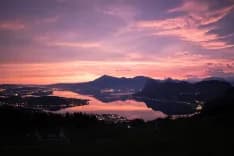
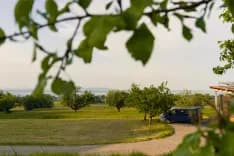
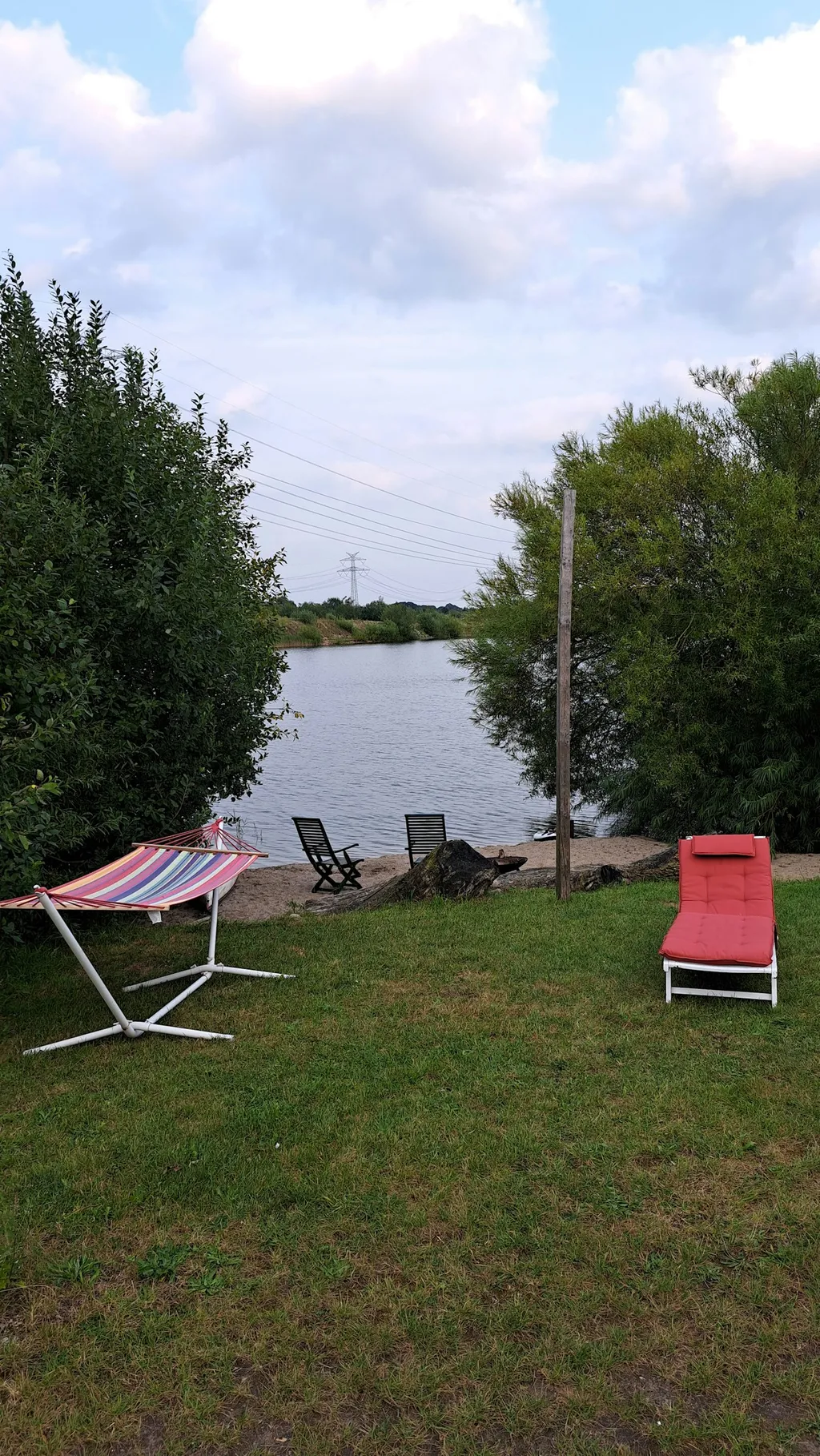
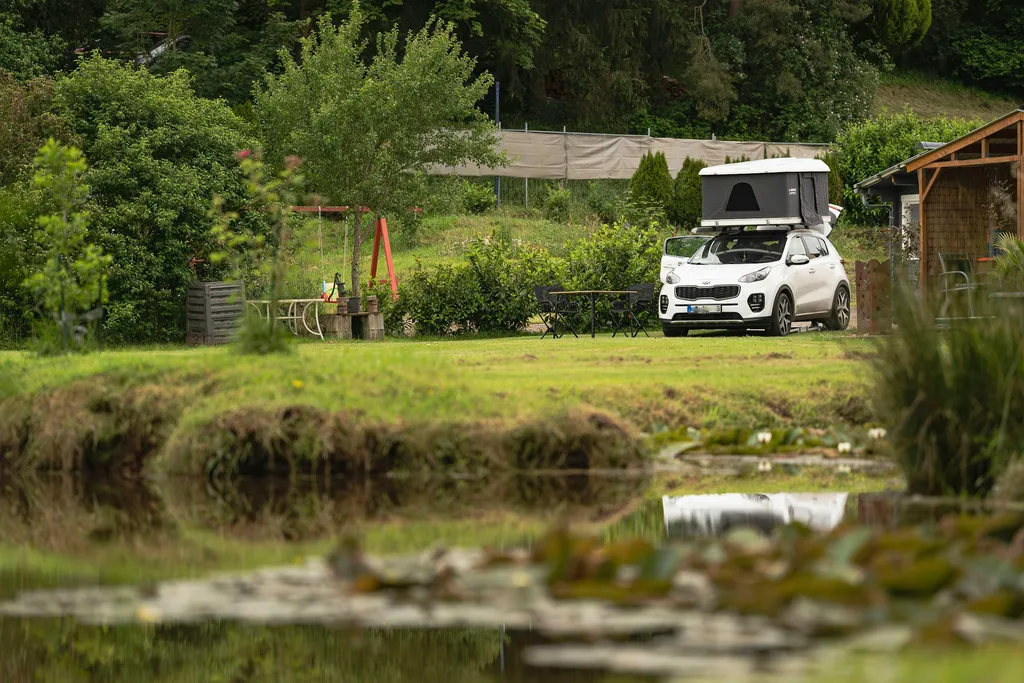
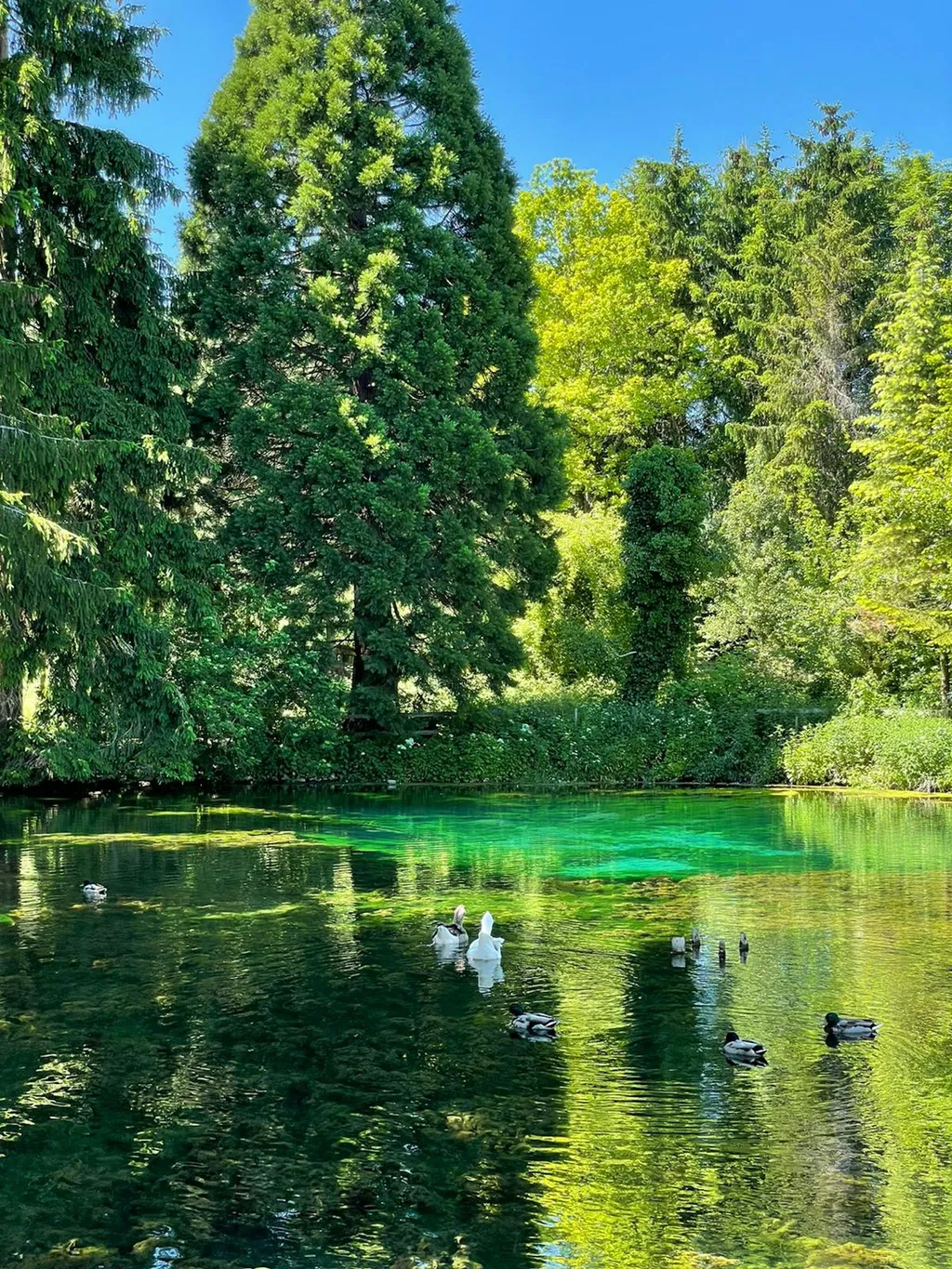
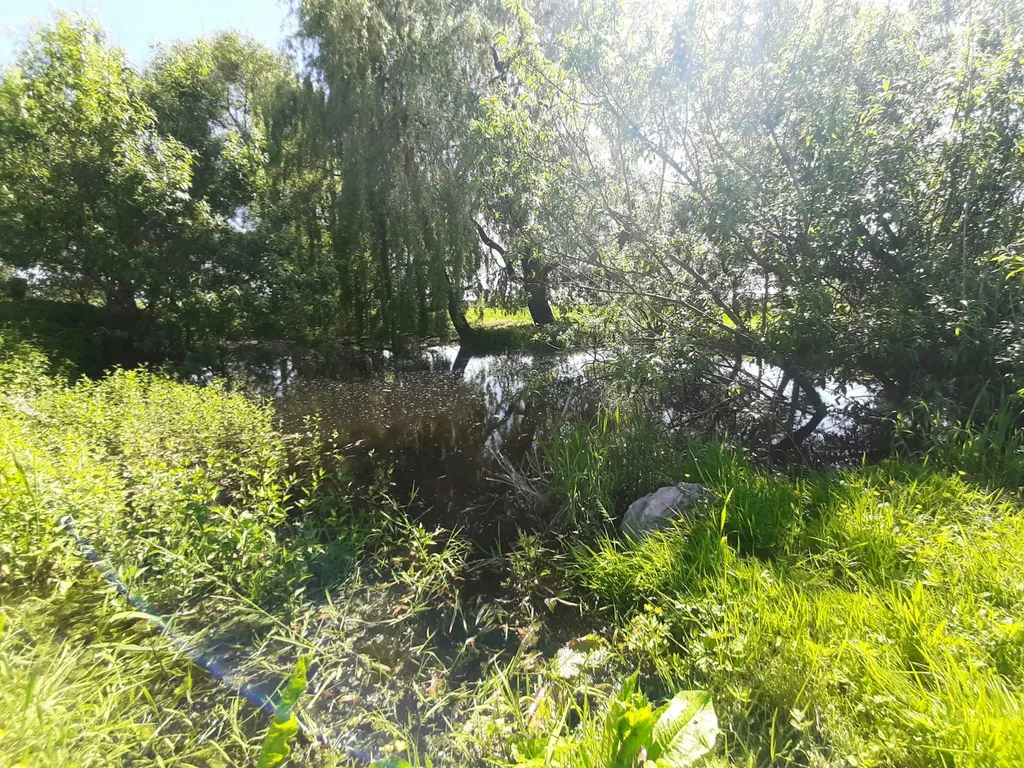
A favourite type of nature pitch is camping by the water, especially during summer. Regions like the Mecklenburg Lake District, Lake Constance, Brandenburg, Bavaria or the Allgäu are particularly popular.

Tent Pitches on Farms
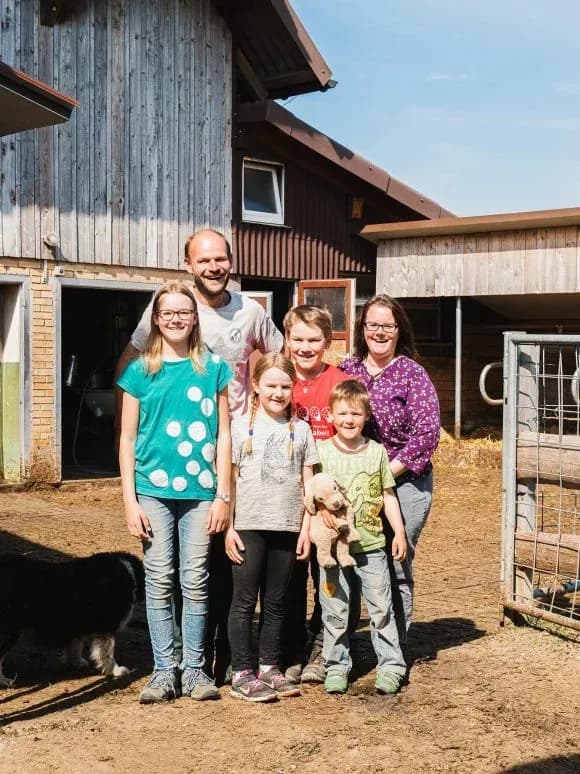
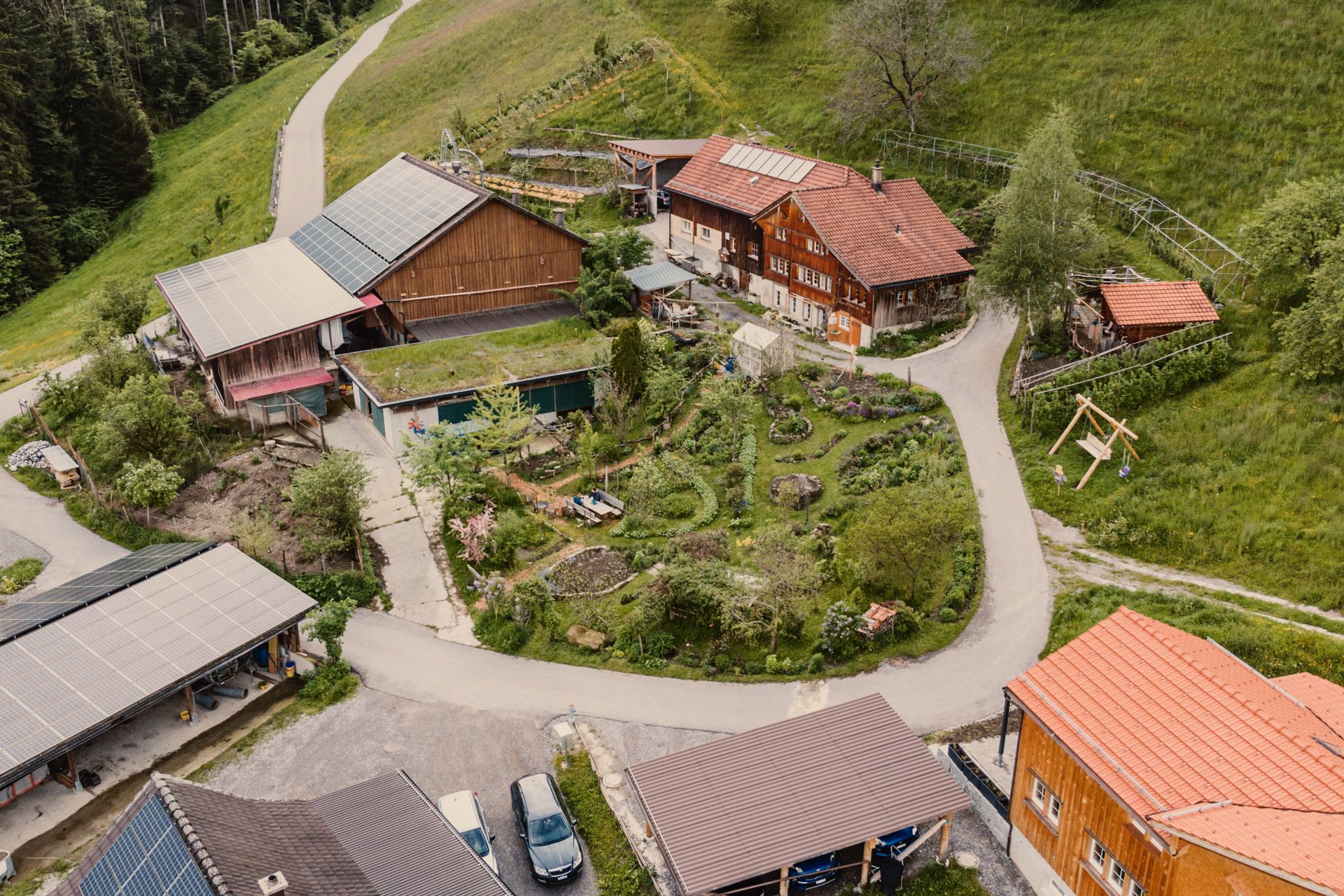
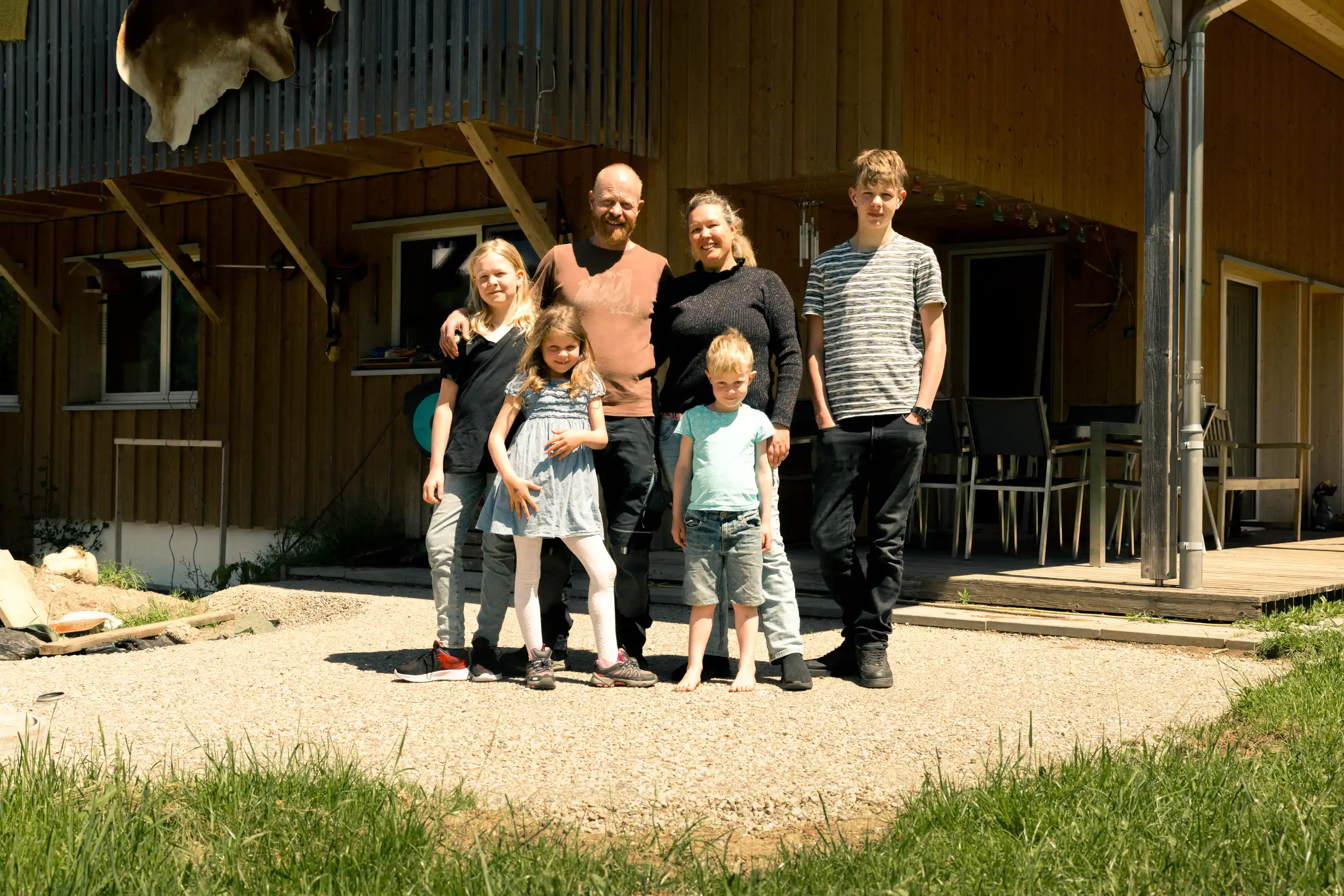
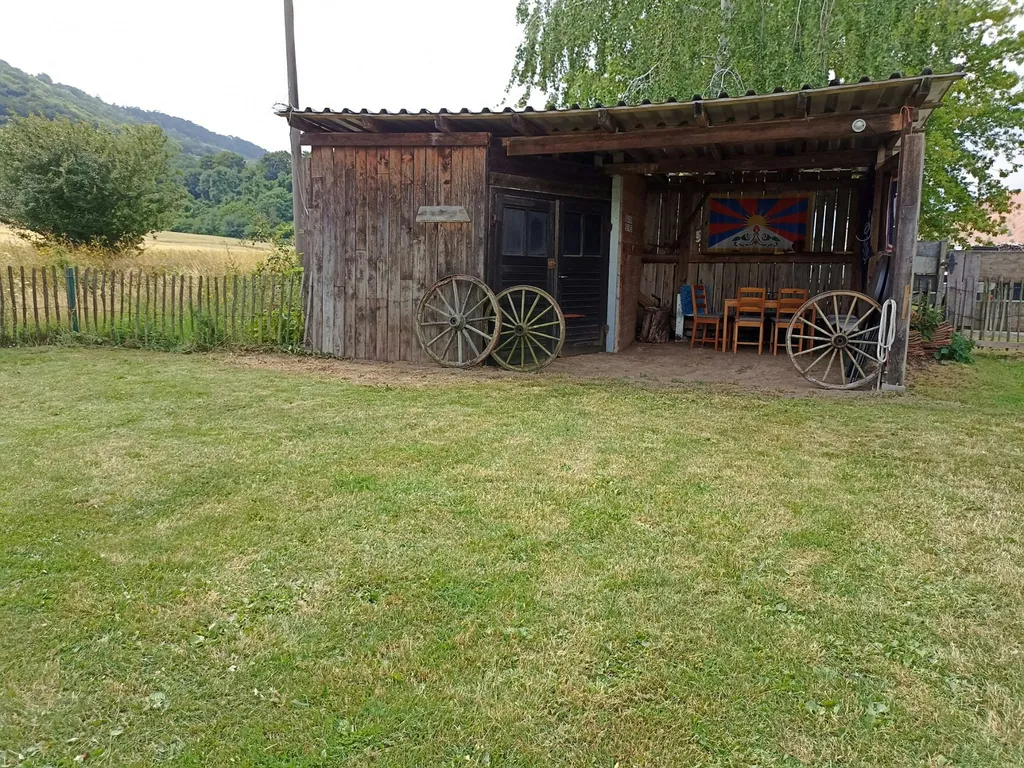
Camping on a farm is especially exciting for families. Children can meet animals, play outdoors and experience rural life. At the same time, many farms are peacefully situated and offer plenty of space for relaxing nights under canvas.
How Do I Find the Perfect Tent Pitch?
When looking for a tent spot in Germany, you can filter on Nomady by region, accommodation type and your specific needs. First, consider what matters most to you: camping by a lake, travelling with a dog, camping with kids, finding a simple meadow pitch or enjoying absolute peace and quiet?
Using filters makes it easy to find the ideal spot for your tent holiday. Especially popular filters are Instant booking, Top Host, Camp alone
Essential Guidelines to Keep in Mind

No Noise, Leave No Trace
Respect others' privacy and observe quiet hours at night. Wildlife also has a right to undisturbed sleep. Avoid noise and disruptions, and leave your pitch in a clean condition.

Washing Up and Showering
Do not wash dishes directly in bodies of water or dispose of wastewater into them. Use biodegradable washing-up liquid and toothpaste. Washing yourself in a stream or river is fine, but make sure your shower gel is eco-friendly or skip soap altogether.

Answering Nature's Call
Only answer nature's call when necessary and well away from bodies of water. Faecal bacteria can harm wildlife. Use a plastic bag to pack out your toilet paper or burn it (not during wildfire season) after burying your waste. True wild campers always carry a small trowel.

Campfires
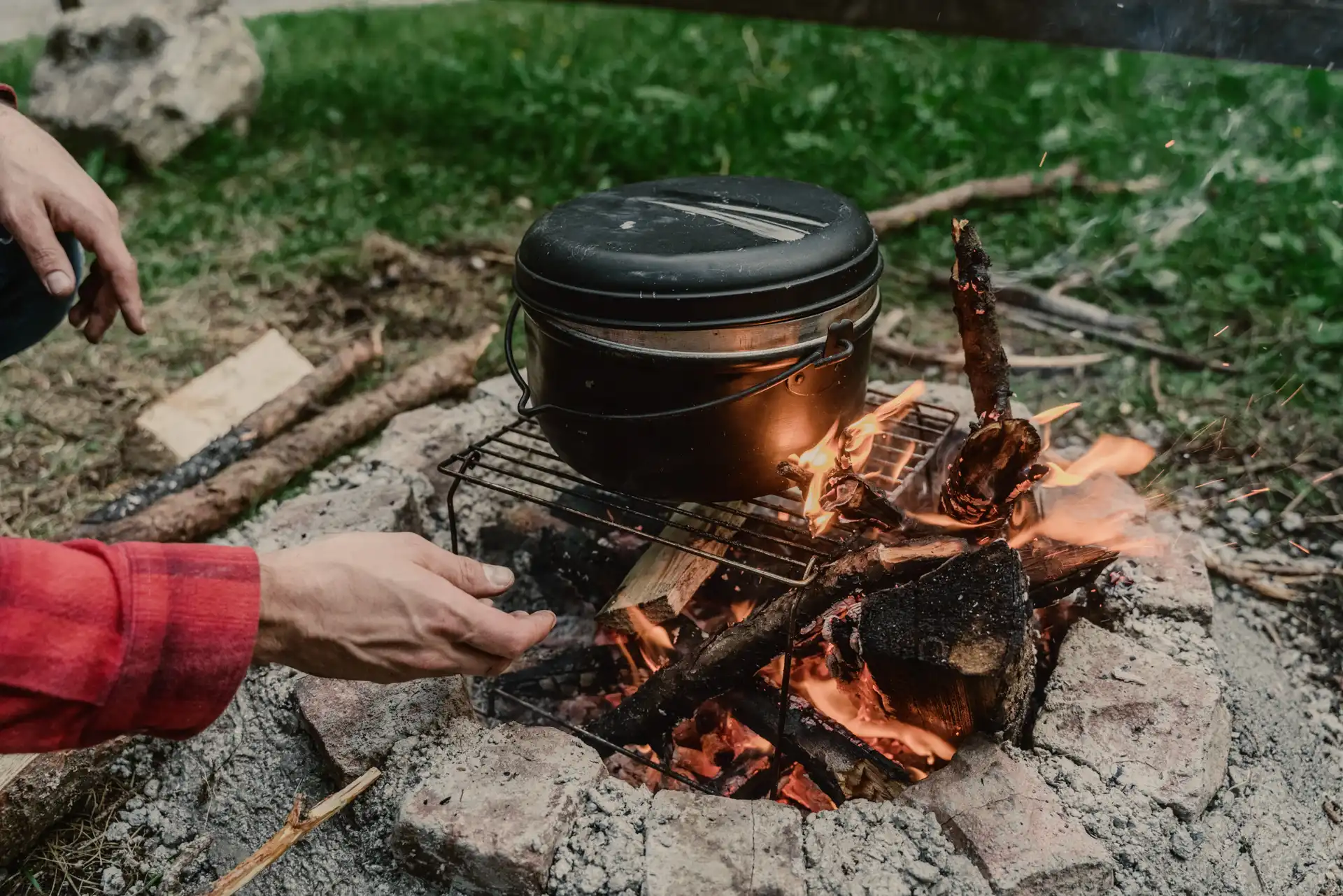
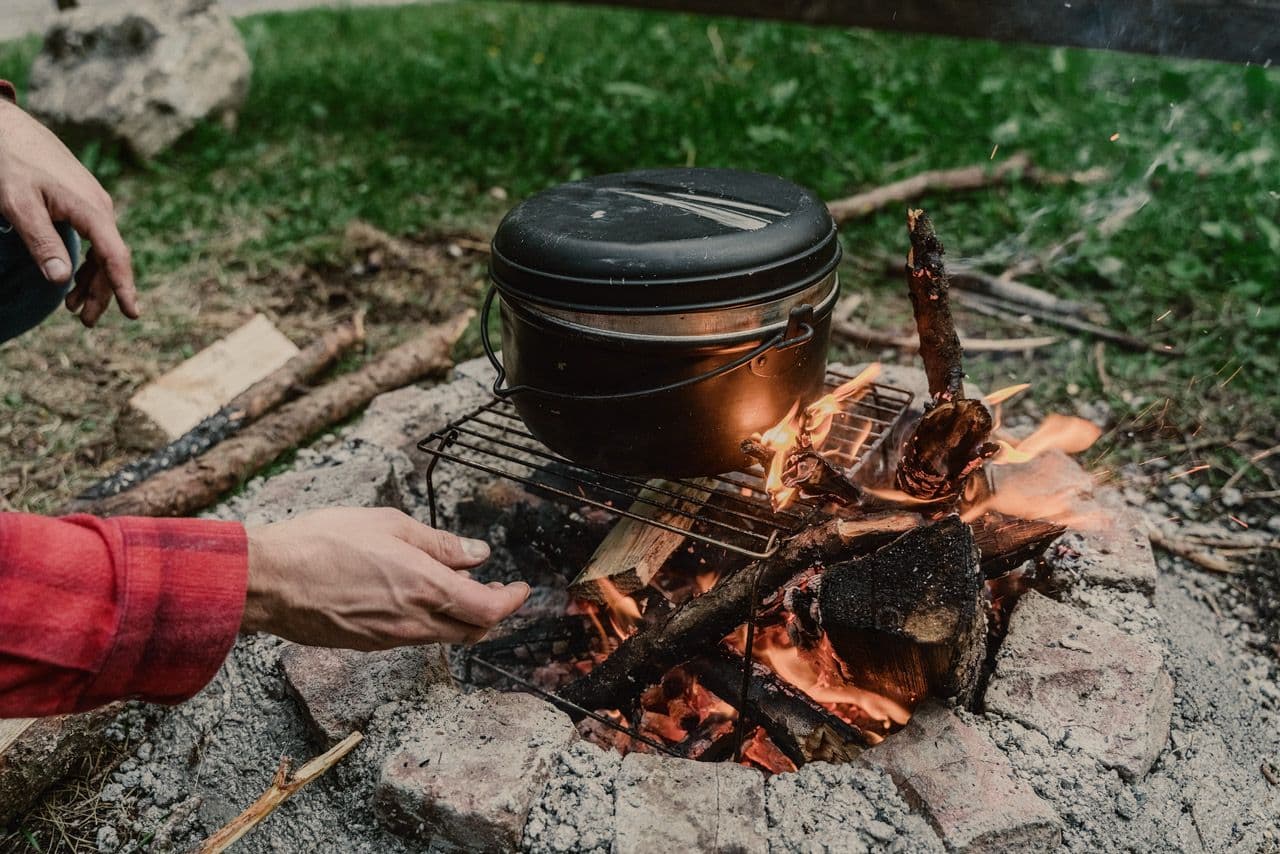
In some areas, making fires is strictly prohibited as it disturbs wildlife. Look out for warning signs. Always exercise caution when lighting a fire. Use existing fire pits and check the local wildfire risk level. In Ticino and Italy, we recommend never lighting an open fire.
All information without guarantee. Subject to change. Please send feedback directly to hello@nomady.camp with the subject "Wild camping".